Frostabåten begins test sailings with electric hydrofoil on the Trondheim Fjord
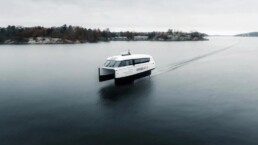

In December, Frostabåten will begin test sailings on the Trondheim Fjord using the electric hydrofoil vessel Candela P-12. The tests mark an important step toward assessing whether an emission-free and energy-efficient route can be established between Frosta and Trondheim, a connection that currently has no boat service.
The purpose is to develop a sustainable transport line on the Trondheim Fjord, and potentially also on its inner sections, that can evolve into an autonomy project, a tourism concept, and a commuter route.
Frostabåten is inspired by the former ferry connection between Frosta and Trondheim, which was discontinued in 1947. The project will now examine whether modern electric hydrofoil technology can make a revival possible.
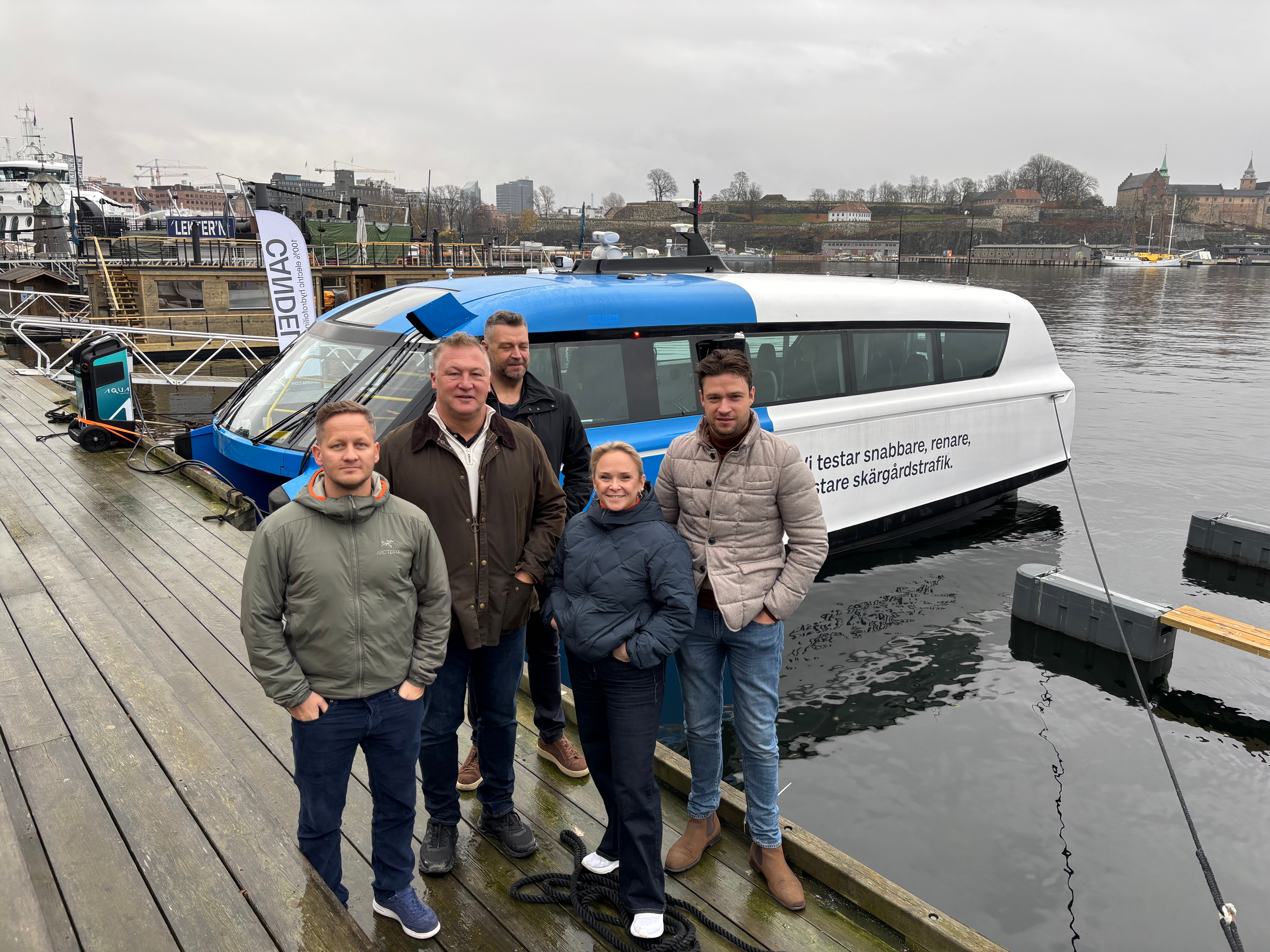 Kenneth Tanem, Terje Viken, Kenneth Aakerholm, Linda Hald and Zilvinas Ciuzelis during test in Oslofjorden. Photo: Frostabåten
A hydrofoil is a vessel equipped with underwater wings that lift the hull out of the water at speed, reducing drag and lowering energy consumption by up to 80 percent.
The boat reaches a top speed of 30 knots. With battery-electric propulsion, range is limited to keep weight down. This vessel can operate up to 40 nautical miles (74 km) at a cruising speed of 25 knots, more than sufficient for shorter distances like the Trondheim Fjord. Smaller battery packs also reduce weight and improve energy efficiency.
The result is a quiet, fast, and emission-free connection that can reduce travel time to around 25 minutes, a fraction of today’s driving time between Frosta and Trondheim.
“On the Trondheim Fjord, this technology makes it possible to operate routes where the passenger base is too small for larger vessels,” says Terje Viken, initiator and CEO of Frostabåten AS.
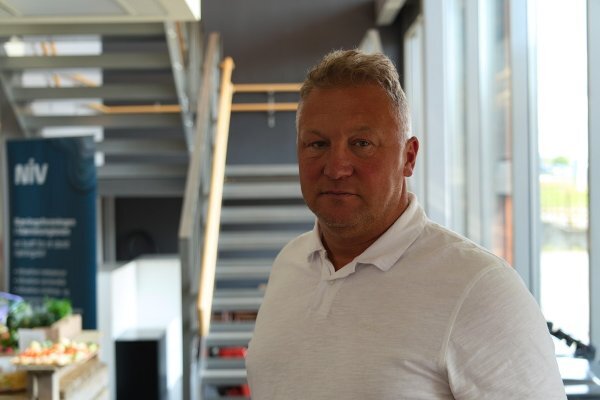
Terje Viken, initiator and CEO of Frostabåten AS. Photo: Frostingen
Testing autonomous technology
The autonomous technology to be tested will support the vessel operator in navigation and operations. Functions such as steering, energy optimization and navigation will be tested systematically in different sea states, including winter, cold, darkness, and the rough conditions commonly found on the Trondheim Fjord.
NTNU and Shore Control Lab play an active role in the project, conducting research on how autonomous functions can support the operator during demanding conditions.
-1.jpg?width=356&height=475&name=Image%20(1)-1.jpg)
“We will install a gateway on the vessel that enables the transfer of high-quality video from the vessel to a shore-based control room via the mobile network,” says Ole Andreas Alsos, head of the Shore Control Lab and Professor of Interaction Design at NTNU.
This will allow the project to explore long-term possibilities for remote monitoring and remote operation from shore. NTNU will also map the passenger experience to support the design of future ferry services.
Even with autonomous features, the vessel will not be crewless. It will remain operator-controlled, but the systems will provide decision support and operational efficiency. The test results will serve as an important foundation for further development of autonomous solutions.
The research will document how the systems perform in varying wave, wind and temperature conditions and will contribute to further development of autonomous, emission-free operations on fjords and short routes.
How the testing will be carried out
The test period will run from Wednesday, 10 December to 19 December. From 8 December, training of operators will begin while the onshore and charging infrastructure is prepared for test operations.
From 15 December, the active testing phase will start, including systematic sea trials, measurements of energy consumption and stability under different wave, wind and temperature conditions, manoeuvring exercises, and demonstration trips for invited stakeholders.
The testing will continue until January 2026 and will provide a comprehensive decision-making basis for technology, operations, and potential future routes.
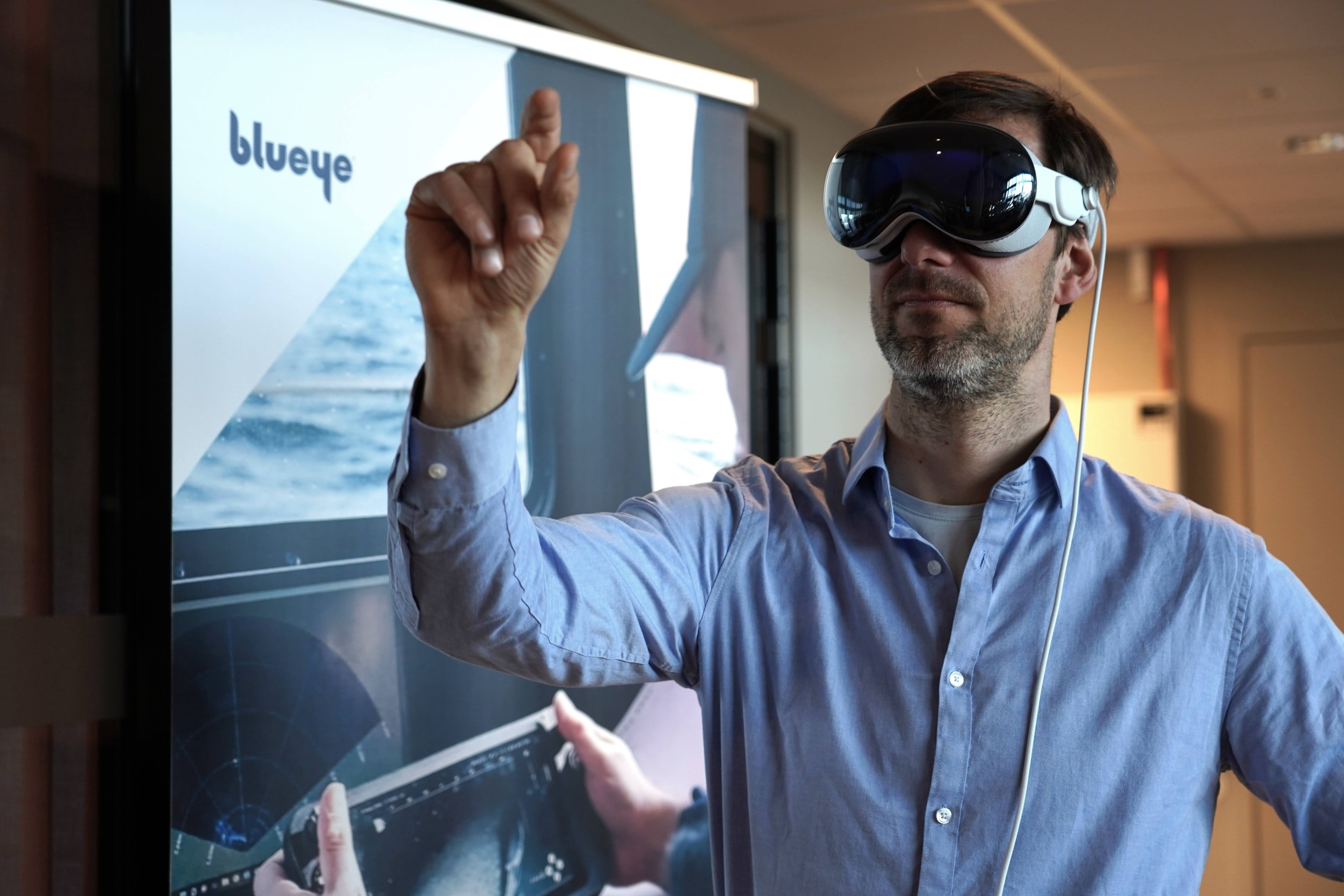 Ole Andreas Alsos, head of Shore Control Lab and professor in Interaction Design, NTNU. Photo: Lars Bugge Aarset/Fremtidens Industri
“This is only the beginning”
The technology enables small, frequent departures instead of large ferries carrying only a handful of passengers. In many parts of the country, large boats with capacity for hundreds operate with only 20–30 passengers onboard – neither efficient nor economical.
On the Trondheim Fjord, the hydrofoil makes it possible to run routes where larger vessels would not be viable.
“This is only the beginning. Our ambition is to establish a scalable business model for autonomous fast ferries that can be used in several locations, first in Norway and later internationally. At the same time, the test model will provide technical data and help develop ecosystems and business models for emission-free and autonomous operations,” says Linda Cathrine Hald, project manager for Frostabåten at FI Ocean Space Incubator.
Frostabåten will also explore how the tests can form the basis for an integrated transport system combining autonomous technology, commuting and tourism, with possible commuter routes from Frosta, Leksvik, Vanvikan and Munkholmen.
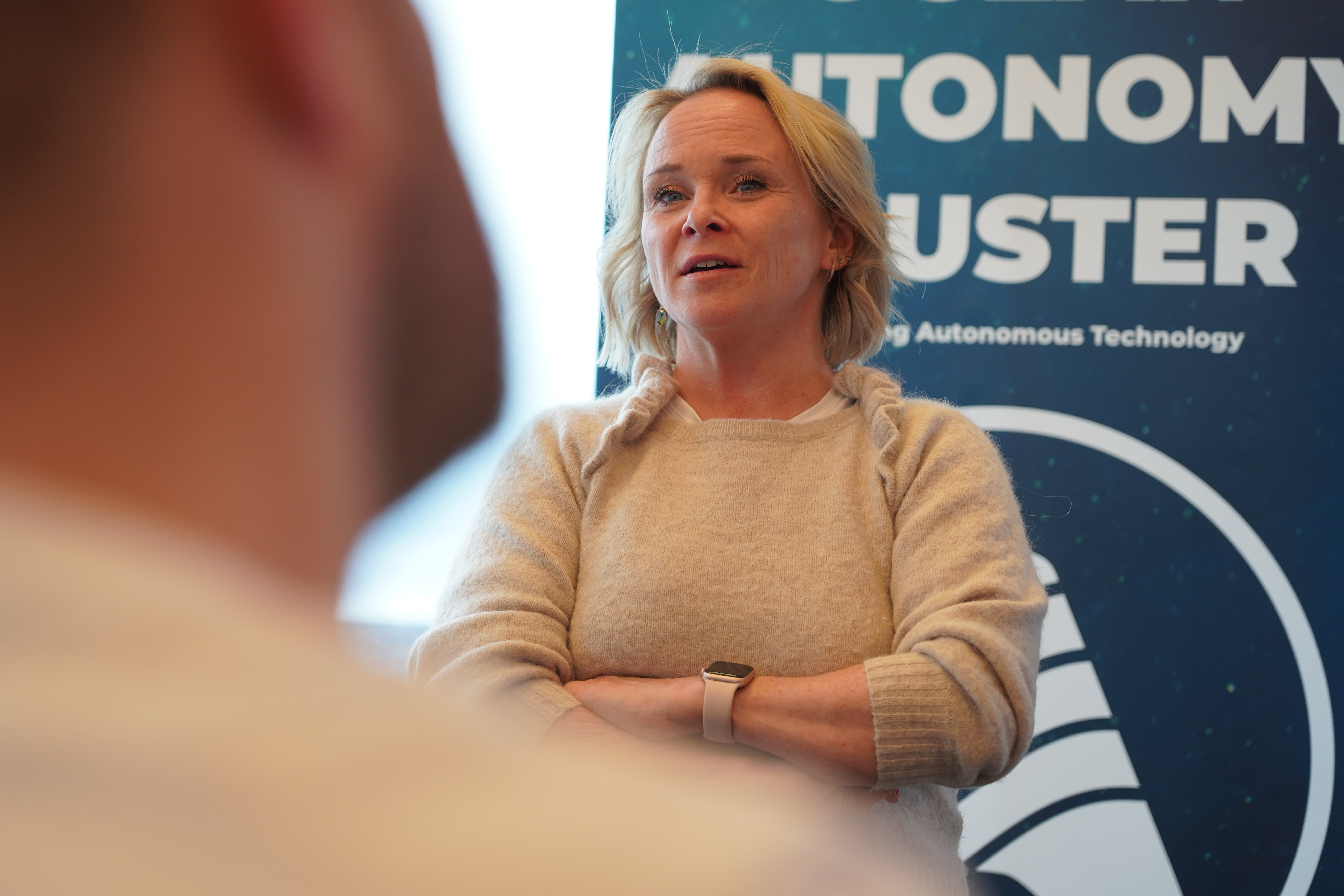 Linda Cathrine Hald, project manager for Frostabåten at FI Ocean Space Incubator. Photo: Lars Bugge Aarset / Fremtidens Industri
Project partners
The Frostabåten test project is carried out in close collaboration with Frosta Brygge, Trondheim Port, Ocean Autonomy Cluster, MIDAS, Crazy Coyote, WTW, Login Group, Norsk Droneindustri, Maritime Robotics and FI Ocean Space Incubator, with NTNU and Shore Control Lab as key partners for testing and research on autonomous systems.
The Municipality of Trondheim and Trøndelag County Council are important partners contributing funding.
Next steps
Frostabåten aims to develop a scalable model for autonomous fast ferries that can be deployed in multiple locations, both in Norway and internationally.
The project will also test the potential for future commuter routes from Frosta, Leksvik, Vanvikan and Munkholmen, as well as tourism concepts based on year-round, emission-free transport.



Related News.
Navigating the Multi-Orbit Era: In Conversation with Intellian’s Jon Harrison at SMM 2026
At SMM 2026 in Hamburg, the rapid evolution of maritime satellite communications took centre stage. Across the exhibition halls, discussions among…
Cyprus ports need joint energy and investment strategy, shipping agents chief says
Cyprus needs a coordinated strategy for shipping, energy and environmental protection to support port investment and modernisation, Cyprus shipping…

MASO Public Affairs introduces MASO Regulatory Intelligence
A new subscription service helping businesses understand what is changing and what it means for them MASO Public Affairs introduces MASO Regulatory…
Anglo-Eastern helps turn CMBTECH’s ammonia ambition into an operational reality
From early feasibility study and risk-based design to newbuilding supervision, crew readiness and technical management, Anglo-Eastern drew on its…

Escalation of attacks threatens to derail recovery in Middle East oil exports
World oil demand is forecast to fall by 2.5 mb/d y-o-y in 4Q26 and 2.6 mb/d on average in 2026. As the Iran war manifests itself through restricted…
New study finds shipping pays twice its share to EU ETS earmarked revenues should triple to help build market for sustainable fuels and technologies
Shipping is responsible for around 10% of EU ETS emissions but pays almost 20% of the ETS bill. Unlike other sectors, it has never received free…
MSARC strengthens maritime mass rescue readiness through training and national live exercise off Dakar, Senegal
Joint MSARC–FHAS programme combines three days of SAR training with a national multi-agency live exercise The Maritime Search and Rescue Council ,…
Sogese report deliveries are still being delayed as container freight rates fluctuate
FOR IMPORTERS Spot rates into the Mediterranean are back at January levels, Far East to Europe reliability sits at pandemic lows, and nearly…

Glencore begins trading on Australian Securities Exchange
Glencore has begun trading on the Australian Securities Exchange under the ASX code GLC. Gary Nagle, Glencore’s CEO, said it was an exciting day for…
BIMCO Shipping Number of the Week
Suez Canal container ship transits exceed 50% of pre-disruption levels "During the first two weeks of October, weekly container ship capacity…
Subscribe to our newsletter!
if you dont want to swim alone in the ocean of news, sign up for the newsletter, and you will receive daily all the important news of world shipping!
