

Shipping has always been a diverse industry – across cultures and ethnicities – and inclusion is crucial in facing the challenges of decarbonisation, writes WISTA International President, Elpi Petraki
For some, division and divisiveness seem to have become a strategic position but, as an industry that brings together people from around the world, shipping has always thrived through collaboration. Inclusivity is invaluable for dealing with challenges we all share.
This year’s WISTA International AGM and Conference takes place in Barcelona just a week after the IMO MEPC’s meeting is scheduled to adopt its Net Zero Framework. Hopefully, by the time we gather, we will have greater clarity on how mechanisms for implementing new regulations that are of profound consequences will work.
The theme of our conference, ‘Powering the future of shipping & trade: Global energy in challenging times’ reflects the way that the world, including shipping, needs to find ways to move toward lower carbon fuels.
Today, it remains difficult to forecast which fuels and technologies will work best, while the cost and availability of each alternative is still hard to predict.
The options include biofuels, ammonia, methanol, hydrogen-fuel cells, electric batteries, wind assistance and, now even nuclear power – once regulated.
Many of these fuels will require the adoption of renewable electricity generation to ensure their production makes them greener than fossil fuels, while other technologies such as carbon capture are also likely to play a part.
Costly retrofitting or building new vessels, further investment in fuel production, and new infrastructure across the bunkering and ports sectors – all of these are still required. Furthermore, the need for training will be paramount, so that the seagoing workforce works safely with fuels that have different characteristics and the marine environment is protected from risk.
But none of the alternatives have been either fully proven or are available at scale, and no single clear winner seems likely: instead, a range of fuels will be required, with various technologies working with each other to serve the market’s decarbonisation needs as a whole.
When asked what they most like about their jobs, one of the most frequently given answers by those working in maritime is that they enjoy the international dimension and collaborating with other cultures from across the world. Working together, those is shipping know, is essential for getting the job done.
And when people from different backgrounds come together – whether what separates them is gender, nationality, culture, technical or creative approach, their pooled abilities tend to be the most fertile source of new and innovative ideas.
We also know that the increasing need to overcome environmental challenges and rising digitalisation will mean shipping has to compete to attract new types of workers – the researchers, developers, analysts, engineers and other experts we need for the sustainable future.
Implementing inclusivity is a powerful way that shipping can attract that broader pool of talent – by pressing home its advantage as the type of culturally diverse, global industry that younger people want to work in.
And if it is a tautology to suggest that more minds thinking differently result in more creative solutions, study after study also shows that more diverse workforces often enjoy better collaboration and a greater willingness to try new approaches.
Moreover, employers that show flexibility in their approach are more likely to anticipate regulatory, social, legal or other potential risks, and so build loyalty and resilience into the organisation.
In turn, organisations can be rewarded with improved reputational capital with regulators, customers and communities and help inspire the next generation of potential joiners: hard to measure, these gains are nonetheless crucial for filling future skill needs.
History teaches us that making progress requires hard work. I would remind you therefore, that no matter what the political weather looks like, now is not the moment for retreat. Whilst shipping is making significant strides towards a greener future, maintaining this trajectory depends on continuously driving the narrative of sustainable progress.
And, while we celebrate our achievements to date, we do so mindful of the fact that – whether the theme is sustainability or inclusivity – they did not happen by chance.
As I said at WISTA International’s Mid-Term Meeting in India in April, it has taken many, many years of collaboration to create today’s global maritime community. By all working together, women can help shipping drive positive changes that will benefit our industry and the global community.



Related News.
ISLAND OIL: Unveiling of the Sculpture “Cyprus’s Journey Through the Ages” in Protaras – A Tribute and Landmark to Cyprus’s Historical Memory and Cultural Heritage
In a modest ceremony marked by a moving atmosphere, the sculpture “Cyprus’s Journey Through the Ages”, created by acclaimed Cypriot sculptor…
World Maritime Day 2026 from Policy to Practice – powering Maritime Excellence
Global regulations will deliver safer, more resilient shipping when they are implemented worldwide. The international maritime community marks…

Diana Shipping announces Time Charter Contract for m/v DSI Polaris with Dai An Ocean Shipping
Diana Shipping , a global shipping company specializing in the ownership and bareboat charter-in of dry bulk vessels, announced that, through a…

Chief Economists Expect Global Economy to Stabilize, but Fiscal Constraints, Rising Living Costs and AI Investment Uncertainty Threaten Growth
The global economy is stabilizing, but the fiscal support that cushioned successive shocks since 2020 is unlikely to play the same role in the year…
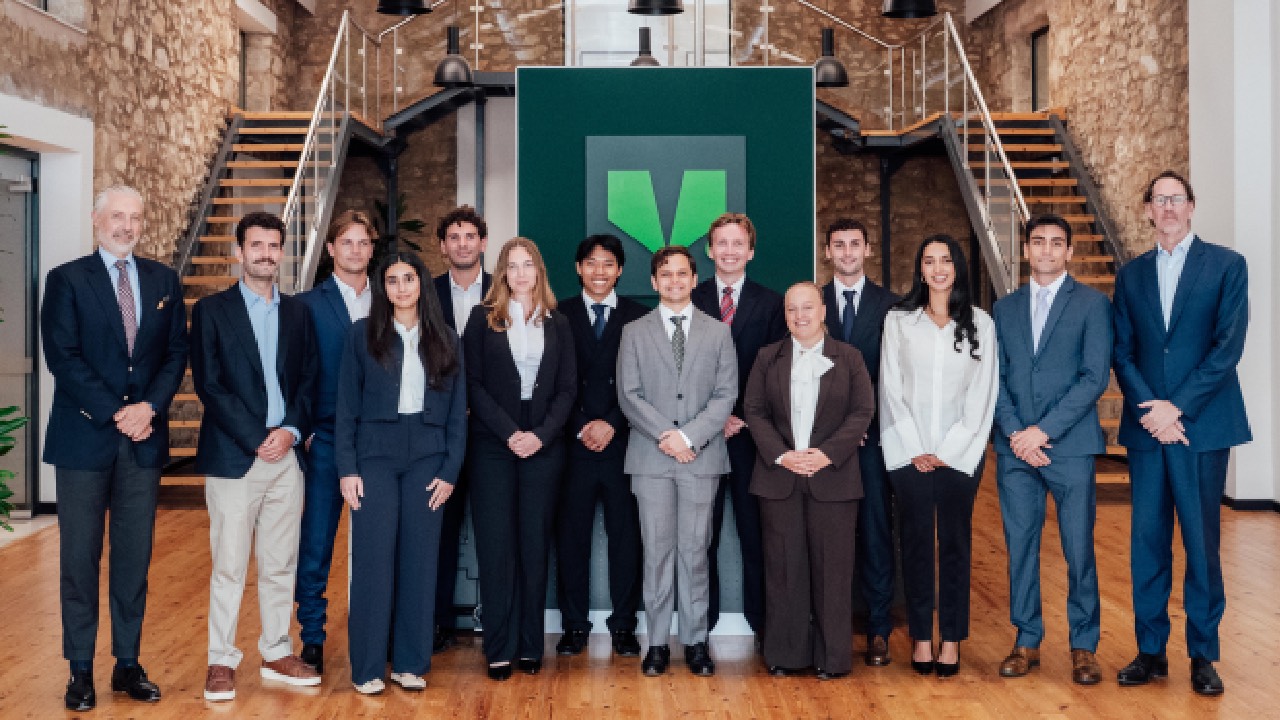
V. welcomes its new graduate cohort as programme expands across the group
Twelve graduates from nine nationalities join 11th year of V.’s expanded international management programme. V., the global ship manager and marine…

From Policy to Practice: Why Seafarers Are the Key to Maritime Excellence
The shipping industry is no stranger to regulation. Seafarers and ship operators work within a vast framework of international conventions, national…

Intermodal Report – Week 38 2026
Please find below the Intermodal market report for week 38 2026. Intermodal Report Week 38 2026 Market Insight By Nikos Tagoulis, Head of…

Allied – Weekly Market Review – Week 38
Please find below the Allied Weekly Report for Week 38 | 2026 ALLIED - Weekly Market Report- Week 38

Record year on the Northeast Passage but Arctic shipping remains very limited
In 2025, a record 103 transit voyages were made via the Northeast Passage. However, this is still equivalent to only around a day and a half of…

[xclusiv] S&P Report 21th September 2026
Please find below the [xclusiv] latest Weekly S&P Report [xclusiv] 2026_09_21 Market Commentary: VLCCs: Freight Boom Reprices the Fleet The VLCC…
Subscribe to our newsletter!
if you dont want to swim alone in the ocean of news, sign up for the newsletter, and you will receive daily all the important news of world shipping!
