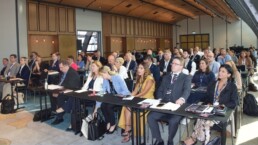

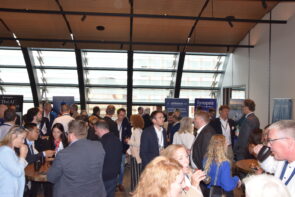
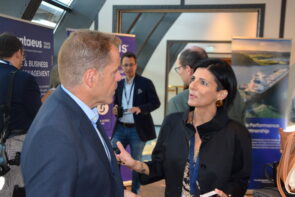
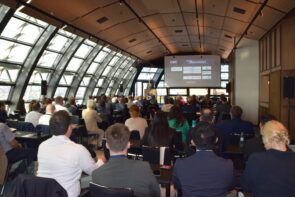
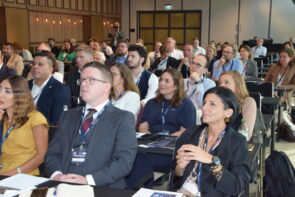
Under the theme “Empowering Seafarers: Innovations in Welfare, Training, and Digital Transformation,” the conference combined keynote presentations, in-depth panel discussions, and an exclusive on-stage interview, all aimed at answering a central question: how do we attract, train, and retain the next generation of seafarers while embracing innovation without losing the human touch?
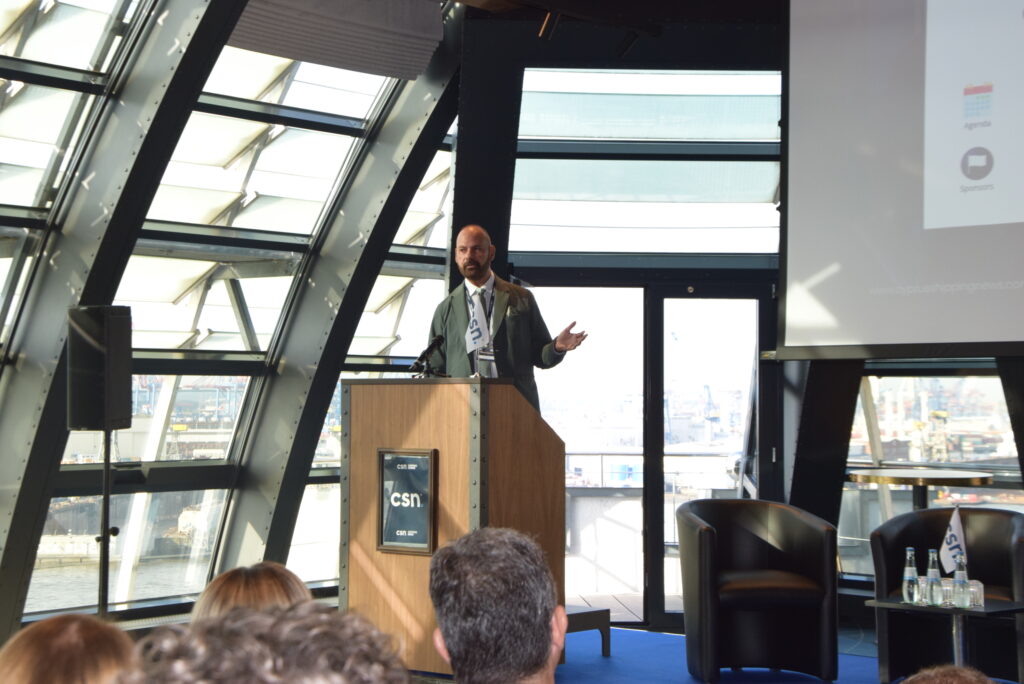
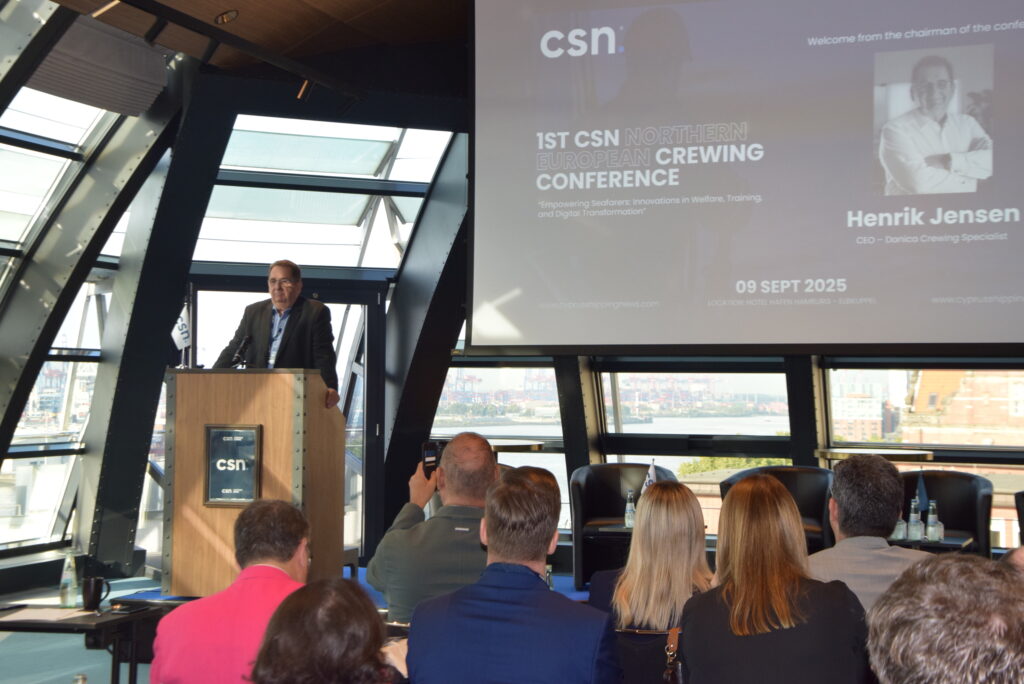
The day began with a warm welcome from Adonis Violaris, Managing Director of CSN, and Henrik Jensen, CEO of Danica Crewing Specialist. Violaris set the tone by reminding the audience that ships do not operate themselves. “Behind every bridge, every engine room, every port call, there are skilled professionals whose welfare, development, and engagement determine the outcome,” he said. “Investing in them is investing in the industry’s future.” Jensen added a practical perspective, noting that the industry faces a shortage of trained officers and qualified crew worldwide. “If we do not rethink recruitment, training, and welfare, we risk operational inefficiency and safety compromises. Today is about sharing solutions that work.”
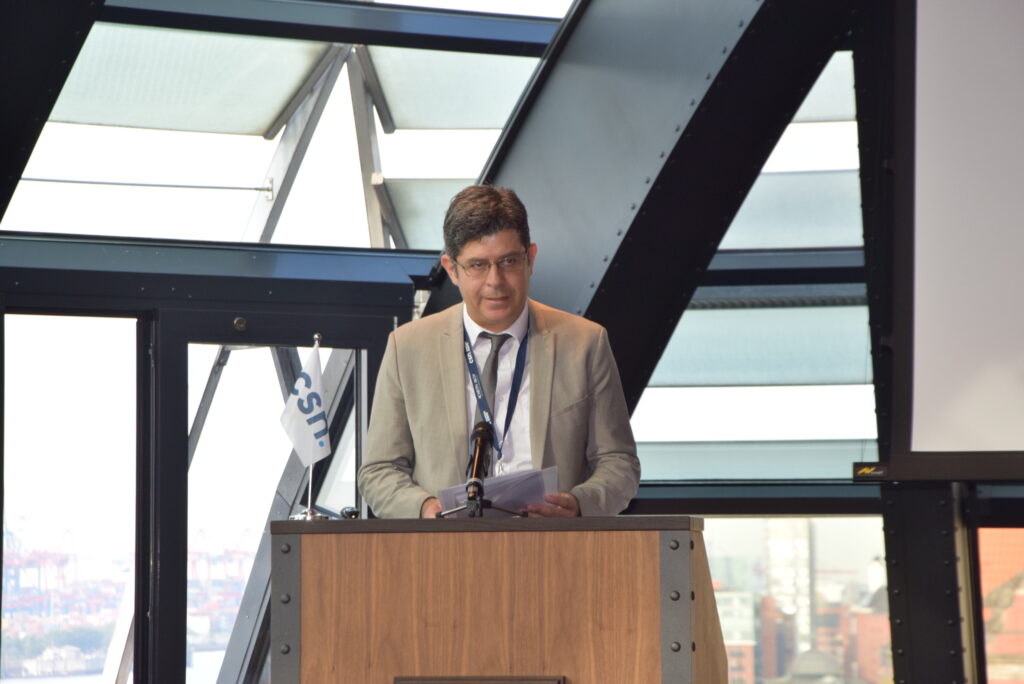
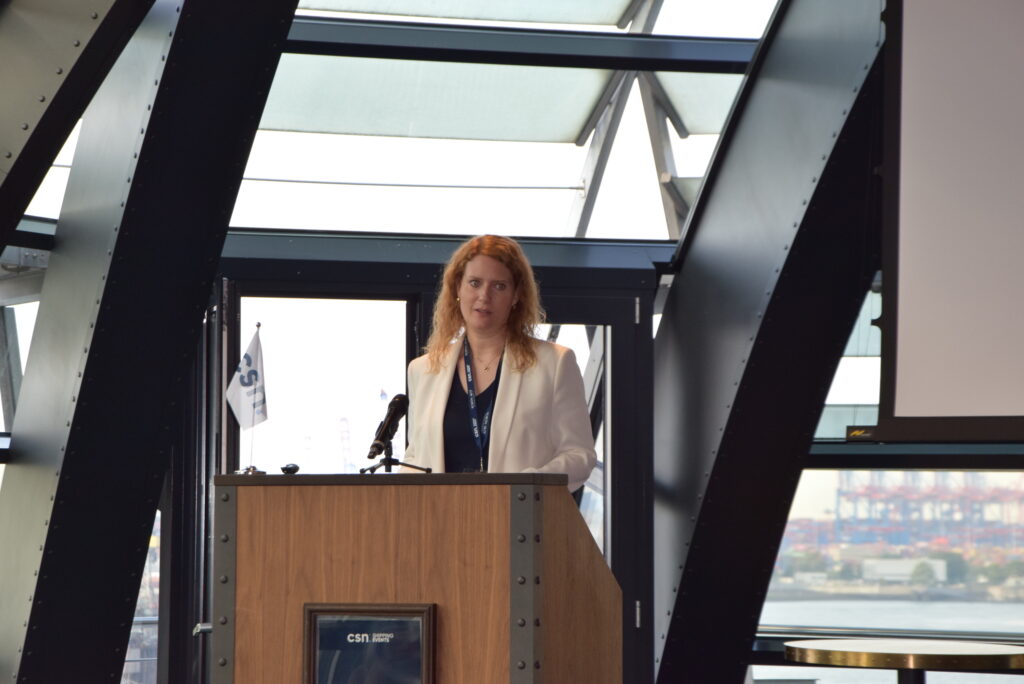
The opening remarks were complemented by insights from Michael Agapiou, Consul General of Cyprus in Hamburg, who emphasized the importance of public-private collaboration in securing the maritime workforce of the future. Silke Lehmköster of Hapag-Lloyd stressed that corporate responsibility must go hand-in-hand with innovation, noting that welfare and digital transformation are two sides of the same coin: while technology can enhance operational efficiency, caring for people remains non-negotiable.
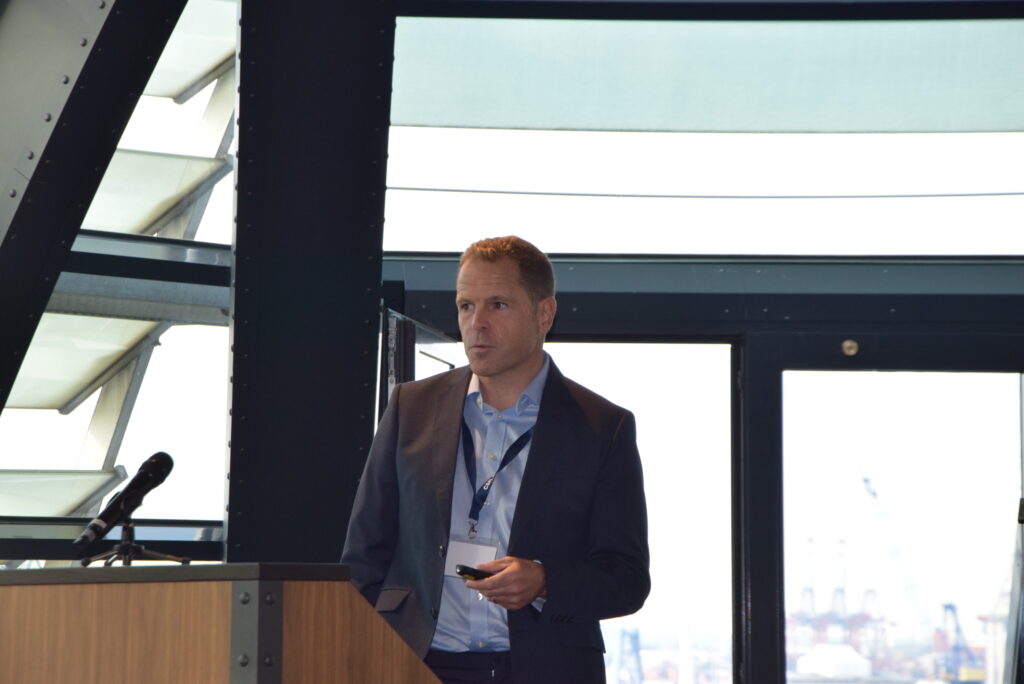
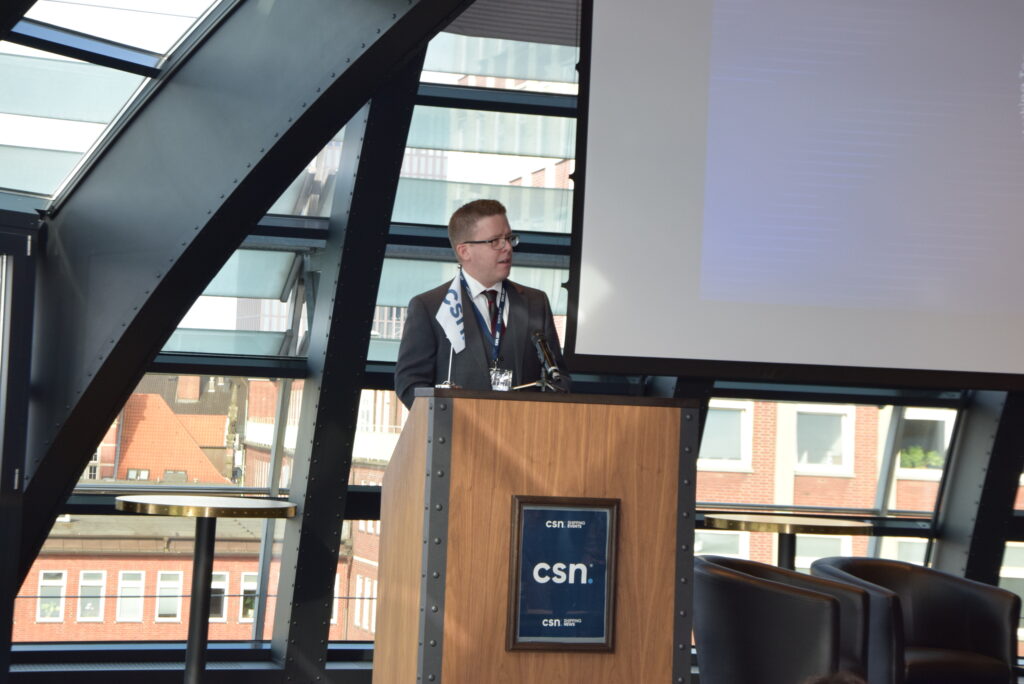
John Beavis, founder of The Captain’s Coach, followed with his keynote, “Dare to Care,” emphasizing that leadership at sea requires caring and kindness. “A well-supported seafarer is not only safer but more productive,” he explained, highlighting the importance of emotional intelligence in maritime leadership to optimise operations, reduce risk, and underpin safety at sea.
“New countries, upcoming sources”
Mike Bradshaw’s presentation examined emerging markets and new crew supply countries that are set to play a critical role in the industry’s future. He highlighted shifting demographics, untapped talent pools, and the importance of diversifying recruitment beyond traditional seafaring nations. His insights underlined that adaptability in sourcing strategies will be key to maintaining a sustainable and skilled workforce in the years ahead.
“Navigating the Future: Welfare, Skill Development and Digitalisation for Seafarers”
Capt. George Papanelopoulos offered a forward-looking perspective on how welfare, skills training, and digitalisation must go hand-in-hand to prepare seafarers for the future. He shared examples of training initiatives blending technical expertise with soft-skill development, stressing that emotional intelligence, teamwork, and adaptability are just as essential as technical competence. His talk reinforced the need for continuous development programmes that empower crews to thrive in an evolving maritime landscape.
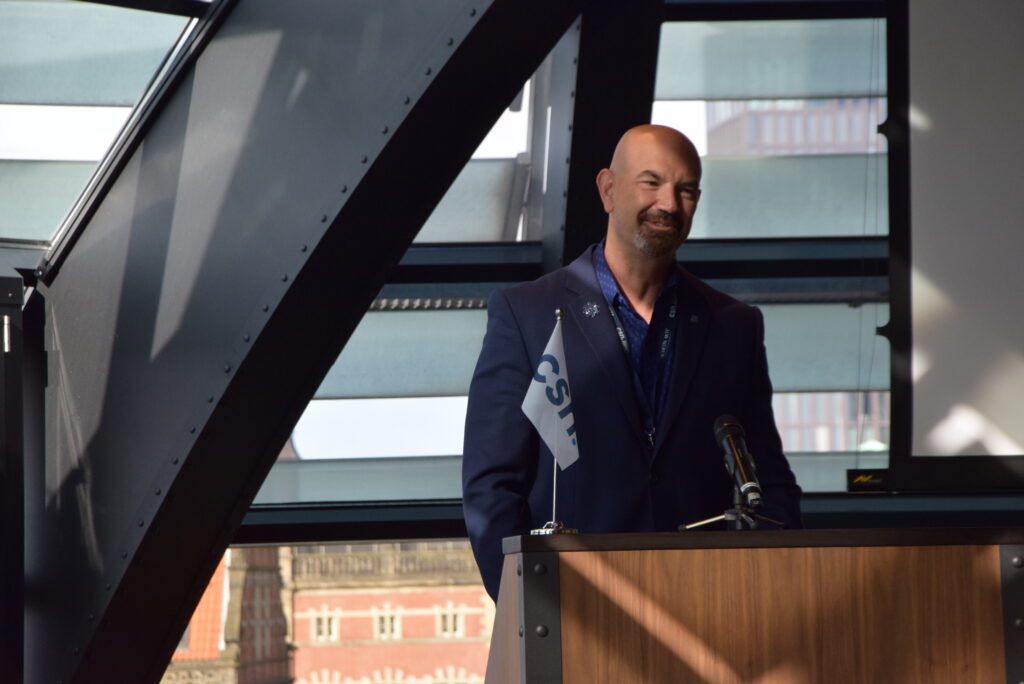
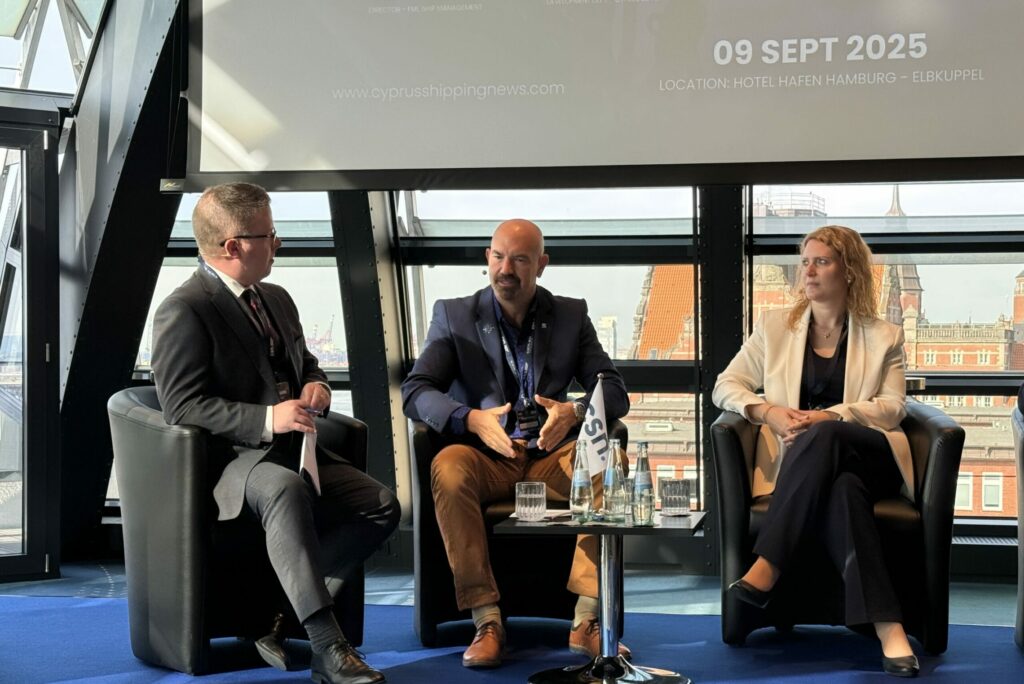
The first panel, moderated by Mike Bradshaw of FML Ship Management, explored what the maritime workforce of the future will look like and how the industry can prepare. Cordula Boy Fernandez highlighted the gap between traditional technical training and essential soft skills. “Students may know how to operate equipment, but managing diverse crews, resolving conflicts, and inspiring teamwork are what make them leaders,” she said. George Papanelopoulos added that programs like Smart Academy are collaborating with universities to integrate leadership, teamwork, and emotional intelligence into maritime curricula, ensuring that technical skills are complemented by human skills.
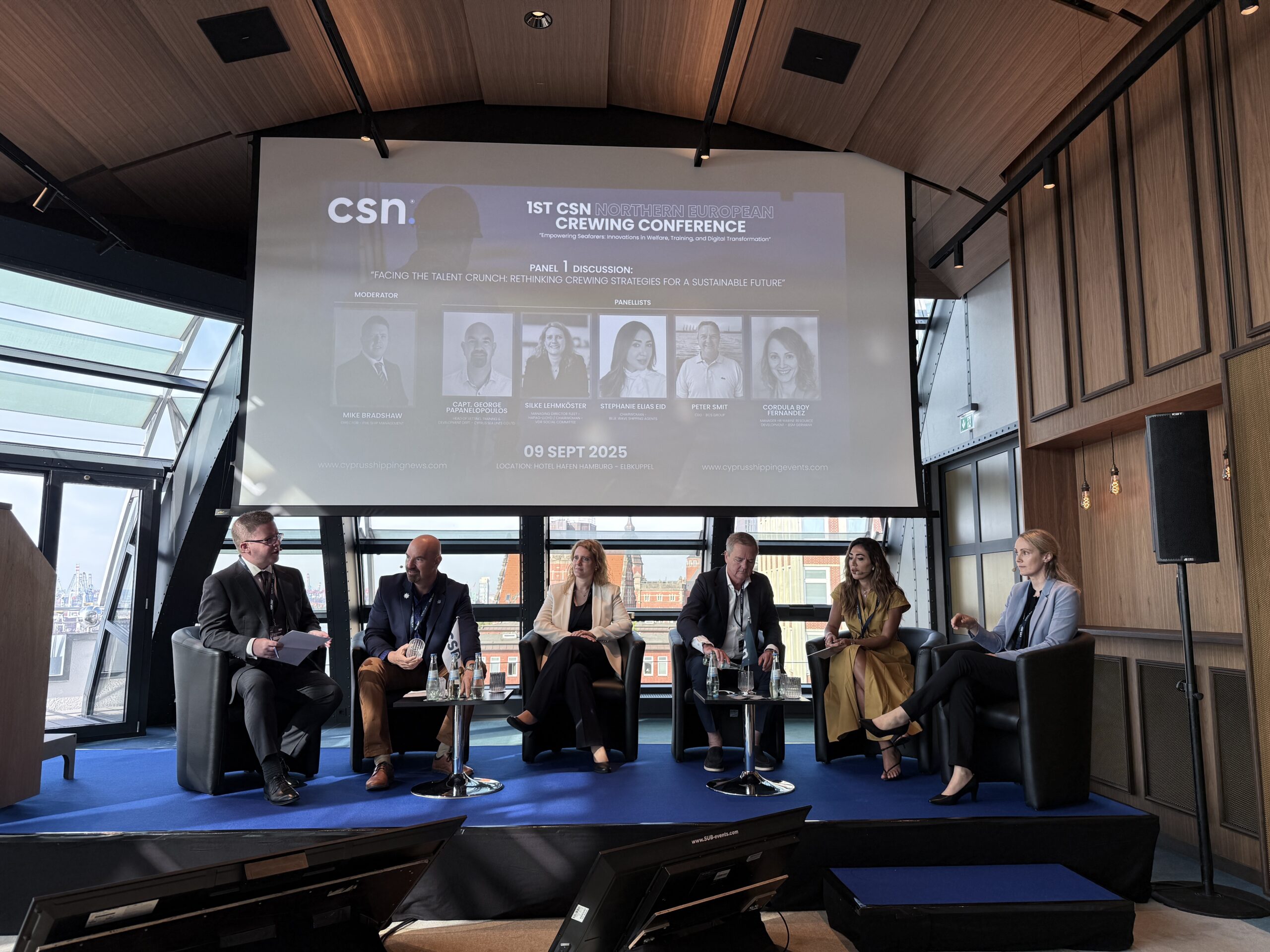
The discussion quickly turned to the challenge of making maritime careers attractive to younger generations. Peter Smit emphasized that purpose-driven careers are essential to capturing the attention of today’s youth. “The old promise of ‘see the world’ is no longer enough,” he noted. “We must show that seafarers are not just sailors; they are running floating cities, managing logistics, power grids, and advanced technologies.” Silke Lehmköster and Cordula underscored the need for shorter contracts, modern recruitment campaigns, competitive pay, and mental health support, framing these as critical tools for reducing attrition.
Diversity and inclusion were another focal point of the discussion. Lehmköster stressed that ignoring women in the industry is no longer an option. “If we only recruit from half the population, we’ll never close the officer shortage,” she said. “Outreach programs must involve families, especially in countries like the Philippines and India, to normalize women’s participation in seafaring.” Travel and visa bottlenecks also emerged as recurring stressors for crews. Peter Smit illustrated the inefficiencies, saying, “If a seafarer already travels for training, visa processing should happen simultaneously. It saves cost, time, and even reduces emissions.” Cordula reflected on lessons from the pandemic and geopolitical disruptions, noting that trust is fragile and that resilience and care are essential to maintaining credibility with the next generation.
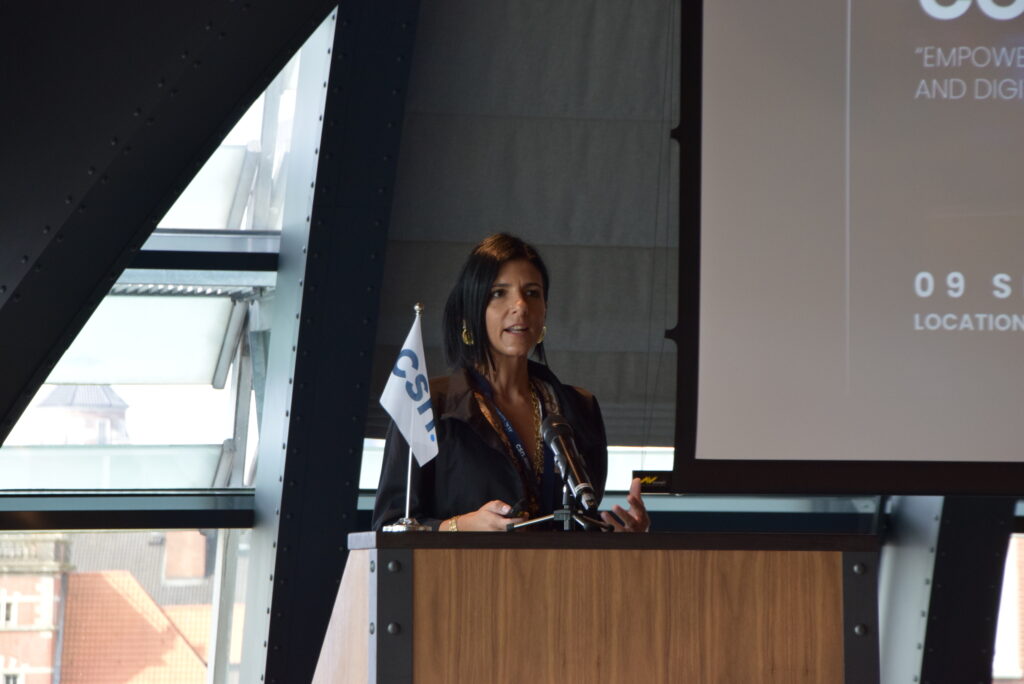
“Safe, Skilled & Empowered: Redefining Crew Performance at Sea”
Chrysoula Vasiliki Patrikiou focused on reshaping crew performance frameworks by aligning safety, skills, and empowerment. She stressed that technical proficiency must be supported by real-time data, continuous training, and performance monitoring, while also recognising seafarers as professionals who need encouragement and respect. Her presentation underscored the link between empowerment and long-term operational excellence.
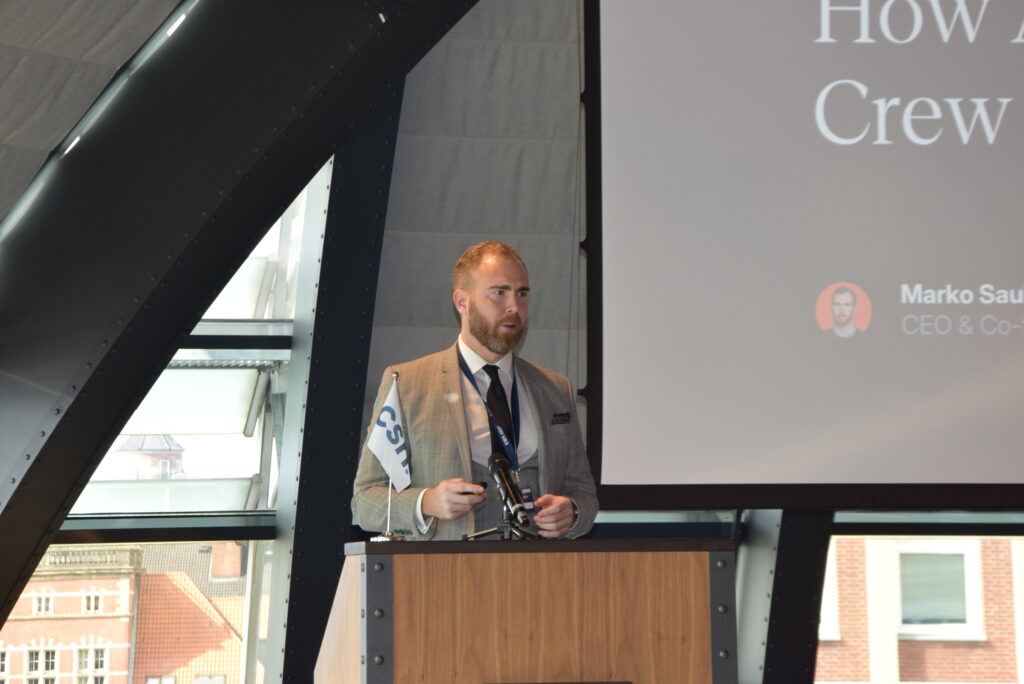
“Smart Moves: How AI is Revolutionising Crew Travel Management”
Marko Saul explored the application of AI in crew travel management, highlighting how predictive systems and smart automation can transform logistics, reduce costs, and improve crew welfare. He demonstrated how digital platforms can anticipate disruptions, streamline scheduling, and provide seafarers with smoother, more reliable travel experiences. His presentation offered a practical vision of how AI can directly enhance daily crewing operations.
The second panel, moderated by Chrysoula Vasiliki Patrikiou of Pyli Net, turned attention to the intersection of technology and human-centric design, examining how AI is reshaping crewing and HR practices. Yuliia Filchukova explained how AI can uncover qualities that traditional CVs often overlook, from problem-solving approaches to cultural adaptability and subtle language nuances. Toomas Koost spoke of predictive scheduling, smart rostering, and blockchain-based certification as transformative tools for daily operations, while Matthias Ristau cautioned that empathy and human judgment cannot be replaced. “Technology should support, not substitute, real human connection,” he said.
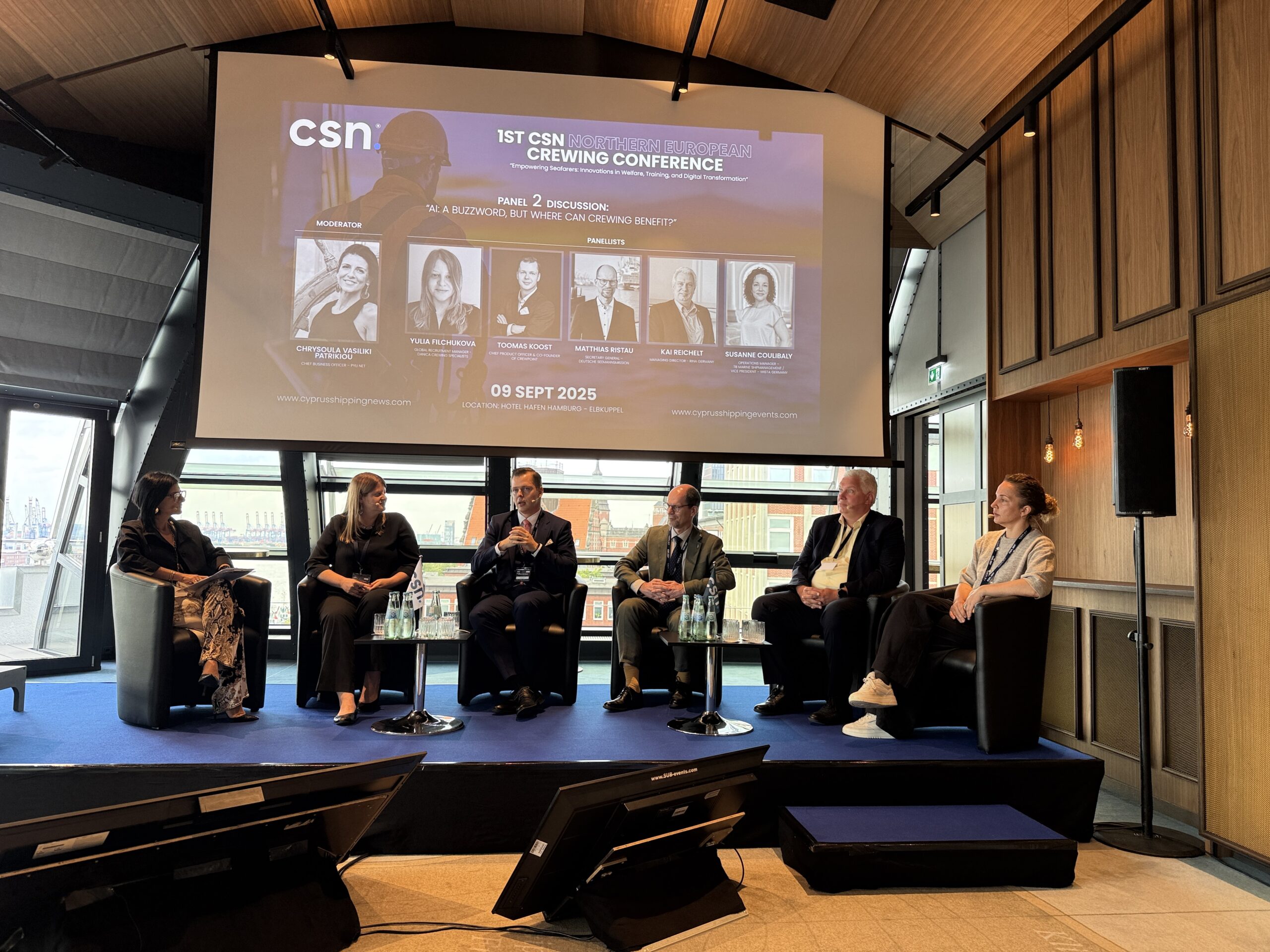
The panel explored the importance of trust and transparency in AI systems. Kai Reichelt noted that compliance tools that feel like surveillance generate resistance, emphasizing that technology must reduce workload rather than create additional stress. Susanne Coulibaly highlighted the need for inclusive design, pointing out that poorly trained AI can unintentionally reinforce bias, but when used thoughtfully, it can uncover hidden talent and promote fairness. The panel reached a consensus that AI must deliver tangible benefits: smoother travel, reduced paperwork, fairer talent matching, and tools that genuinely improve wellbeing. Susanne concluded, “Innovation only works if people actually want to use it. Design must focus on crews, not just management.”
“Optimising Crew Budgets while Safeguarding Standards”
Elias Constantinou tackled one of the industry’s most pressing challenges: cost efficiency without compromising standards. He highlighted the importance of strategic budget allocation, particularly in training, welfare, and retention, noting that short-term savings often lead to long-term losses in competence and safety. His remarks reinforced the principle that responsible budgeting goes hand-in-hand with operational quality.
“Steering Maritime Competence, Wellbeing, and Compliance: Assess, Train & Retain”
Aashish Puri presented a holistic approach to developing and retaining maritime talent through assessment, training, and ongoing support. He emphasised that wellbeing and compliance must be embedded into company culture, supported by structured training programmes and digital tools. By integrating continuous assessment with tailored training, his model ensures that seafarers remain both competent and motivated, ultimately strengthening organisational resilience.
The third panel, moderated by Henrik Jensen, addressed one of the industry’s most sensitive challenges: balancing budget constraints with operational quality. Sofoklis Constantinou drew attention to the underinvestment in training, noting that less than one percent of OPEX is dedicated to crew development. “This is a false economy,” he said. Aashish Puri agreed, emphasizing that training should be considered an investment rather than a cost, particularly when it comes to leadership, decision-making, and communication. Tim Lissow discussed structured career paths that support progressive development, while John Beavis emphasized the importance of mentoring newly promoted officers. Simon Frank illustrated the benefits of in-house training centers, where simulators allow measurable performance improvements.
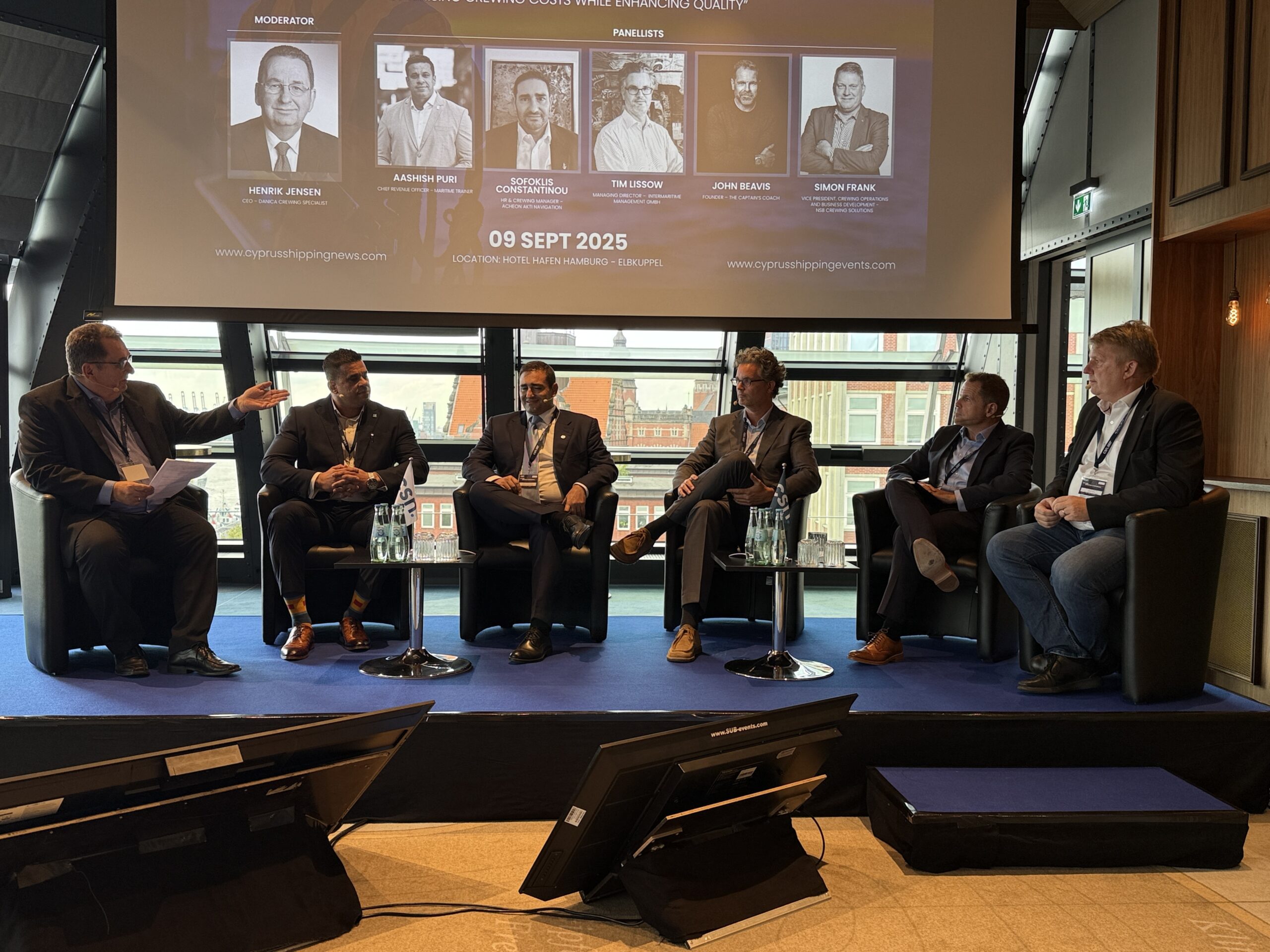
The panel explored the delicate balance between salaries, retention, and overall welfare. While competitive pay is necessary, it is insufficient on its own; shore leave, mental health support, and clear career pathways are equally important. John Beavis noted that it can take 12–18 months for a newly promoted master to become fully effective, underlining the importance of sustained mentoring. The discussion concluded with a shared understanding that short-term cost-cutting undermines long-term competence, and continuous investment in training and retention is critical to building a skilled and reliable workforce.
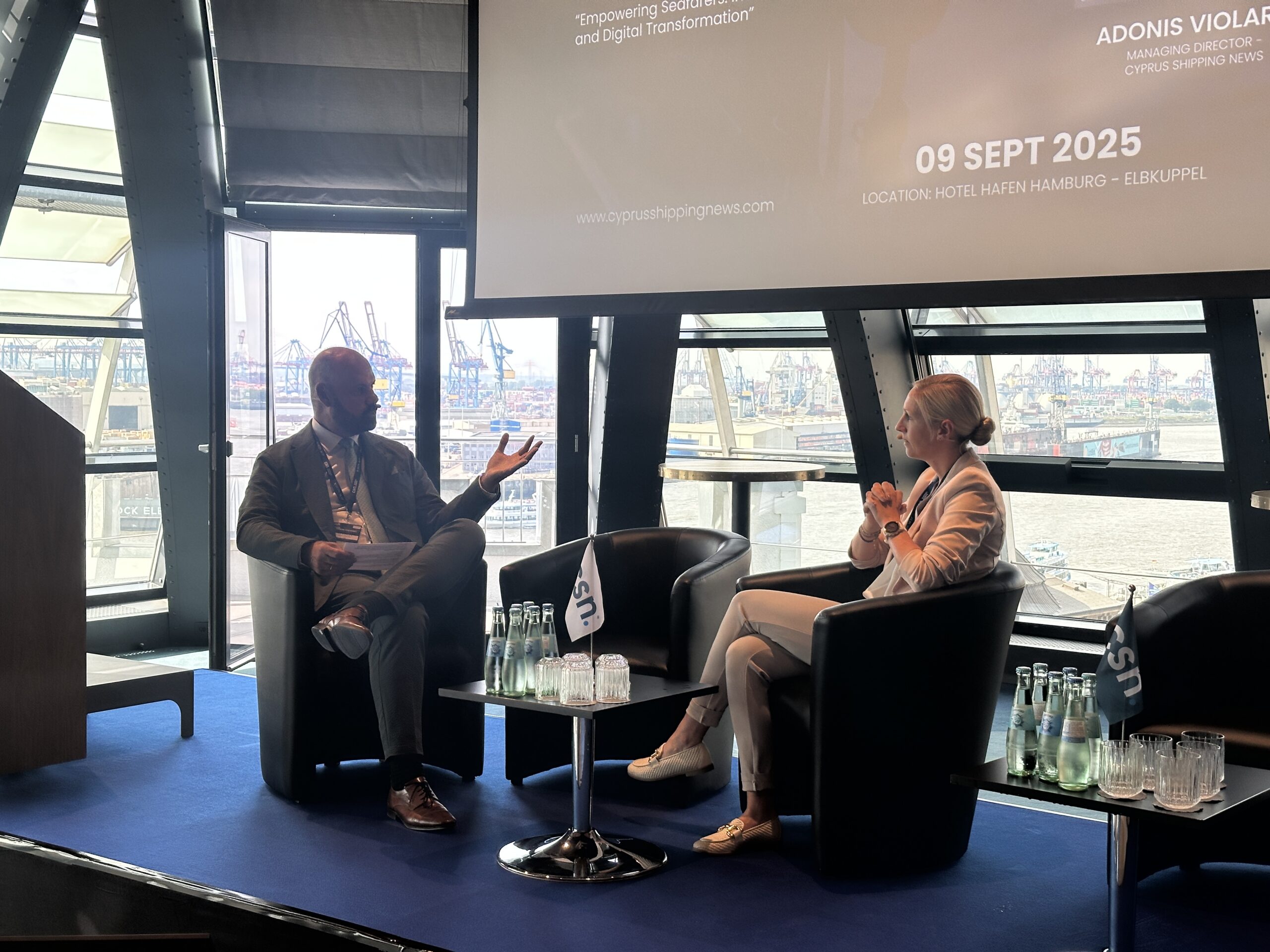
In addition to the panels, CSN conducted an exclusive interview with Julia Siebert, COO of Columbia Blue, who offered a cruise industry perspective on crew management. She described expanded wellness programs, digital crewing platforms, and innovative VR and AR training simulations that combine safety drills with hospitality training. Julia highlighted that recognition, career progression, and work-life balance are key to talent retention, and emphasized cross-department mobility as a way to develop future leaders. She concluded with a forward-looking note: in the next five years, companies that combine digital efficiency with human empathy will win the war for talent.
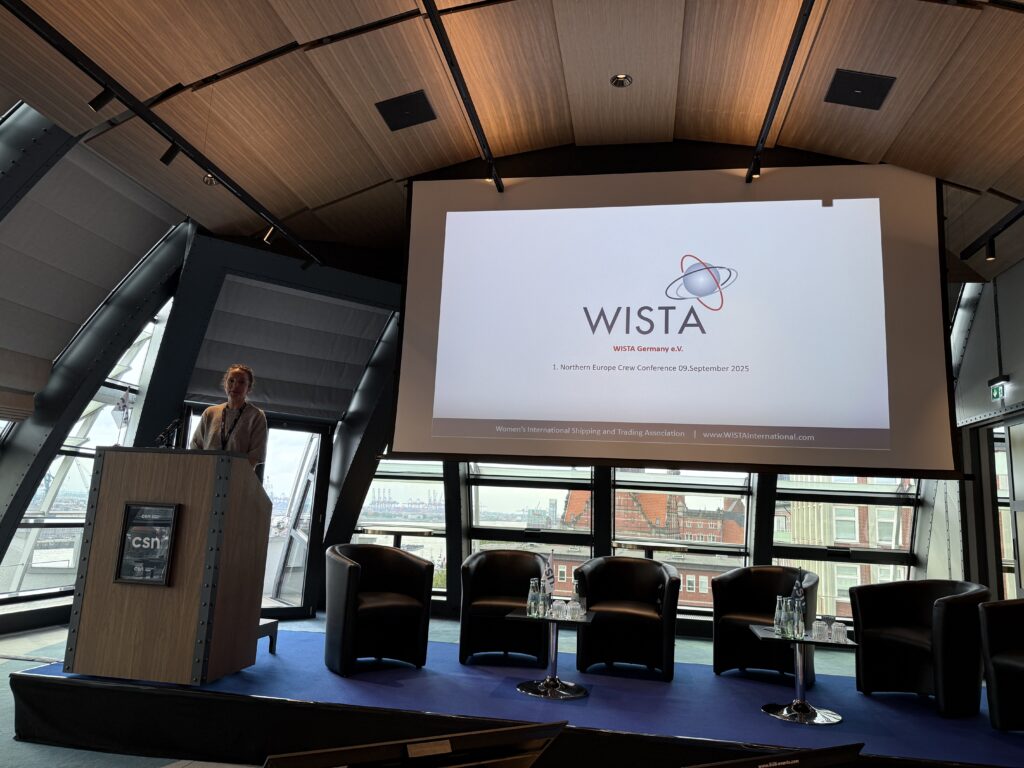
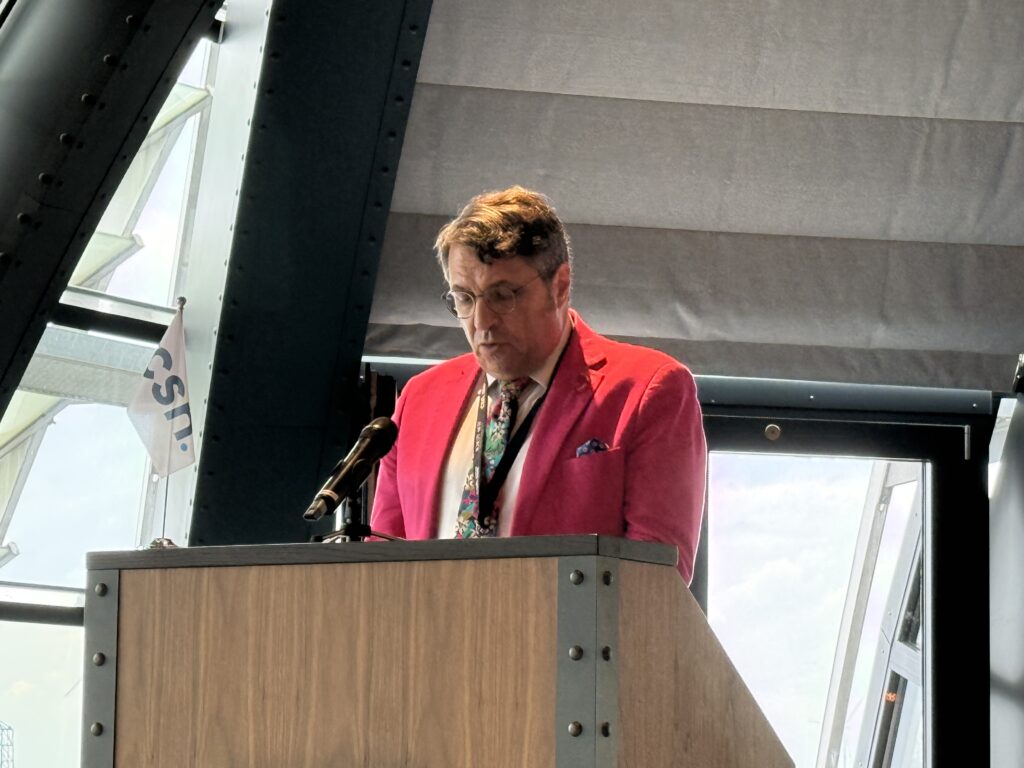
As the conference drew to a close, Henrik Jensen delivered a final reflection on the need for collaboration and innovation, reminding the audience that sustainable crewing requires both technological and human-focused solutions. Adonis Violaris offered final thanks, emphasizing that the future of shipping depends not just on ships or systems, but on the people who operate them.
From workforce skills and diversity to AI and smart budgeting, the 1st CSN North European Crewing Conference made one thing clear: the maritime industry’s future is human-centered. By investing in training, embracing inclusion, and adopting technology thoughtfully, companies can ensure that shipping is seen not merely as a career, but as a profession of purpose, growth, and pride.





Related News.
Navigating the Multi-Orbit Era: In Conversation with Intellian’s Jon Harrison at SMM 2026
At SMM 2026 in Hamburg, the rapid evolution of maritime satellite communications took centre stage. Across the exhibition halls, discussions among…
Cyprus ports need joint energy and investment strategy, shipping agents chief says
Cyprus needs a coordinated strategy for shipping, energy and environmental protection to support port investment and modernisation, Cyprus shipping…

MASO Public Affairs introduces MASO Regulatory Intelligence
A new subscription service helping businesses understand what is changing and what it means for them MASO Public Affairs introduces MASO Regulatory…
Anglo-Eastern helps turn CMBTECH’s ammonia ambition into an operational reality
From early feasibility study and risk-based design to newbuilding supervision, crew readiness and technical management, Anglo-Eastern drew on its…

Escalation of attacks threatens to derail recovery in Middle East oil exports
World oil demand is forecast to fall by 2.5 mb/d y-o-y in 4Q26 and 2.6 mb/d on average in 2026. As the Iran war manifests itself through restricted…
New study finds shipping pays twice its share to EU ETS earmarked revenues should triple to help build market for sustainable fuels and technologies
Shipping is responsible for around 10% of EU ETS emissions but pays almost 20% of the ETS bill. Unlike other sectors, it has never received free…
MSARC strengthens maritime mass rescue readiness through training and national live exercise off Dakar, Senegal
Joint MSARC–FHAS programme combines three days of SAR training with a national multi-agency live exercise The Maritime Search and Rescue Council ,…
Sogese report deliveries are still being delayed as container freight rates fluctuate
FOR IMPORTERS Spot rates into the Mediterranean are back at January levels, Far East to Europe reliability sits at pandemic lows, and nearly…
Glencore begins trading on Australian Securities Exchange
Glencore has begun trading on the Australian Securities Exchange under the ASX code GLC. Gary Nagle, Glencore’s CEO, said it was an exciting day for…
BIMCO Shipping Number of the Week
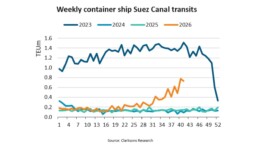
Suez Canal container ship transits exceed 50% of pre-disruption levels "During the first two weeks of October, weekly container ship capacity…
Subscribe to our newsletter!
if you dont want to swim alone in the ocean of news, sign up for the newsletter, and you will receive daily all the important news of world shipping!
