

Purpose
This advice aims to raise awareness about the risks associated with fatigue onboard vessels and outline preventive measures to safeguard crew health, operational safety, and vessel integrity.
Fatigue – A critical safety concern
Fatigue is a physical and mental condition resulting from prolonged exertion, sleep loss, or disruption of circadian rhythms. It significantly affects performance, decision-making, and alertness and increases the likelihood of accidents.
Common causes onboard include
- Long working hours without adequate rest
- Irregular sleep schedules
- High workloads or understaffing
- Stress from isolation or demanding conditions
- Poor sleeping environments
Consequences of fatigue
- Diminished concentration and reaction time
- Impaired judgment and decision-making
- Health problems such as insomnia, anxiety, and chronic fatigue
- Higher likelihood of marine incidents and near-misses
Preventive measures
To promote a safe and healthy working environment, consider implementing the following:
- Ensure adherence to IMO and flag state rest hour requirements. Schedule duties to avoid exceeding regulatory limits and allow compensatory rest when exceptions occur.
- Fatigue awareness training: Educate crew on recognising fatigue symptoms and reporting concerns.
- Encourage open communication: Foster a culture where crew members feel safe to report fatigue without fear of reprisal.
- Improve sleeping conditions: Maintain quiet, well-ventilated cabins with comfortable bedding.
- Workload management: Distribute tasks evenly and avoid excessive overtime.
- Electronic monitoring: Use digital systems to log rest hours and detect non-compliance.
- Fatigue risk management systems (FRMS): Integrate medical, psychological, and operational factors.
Regulatory framework
TCW Convention (2010 Amendments)
- Minimum rest hours: 10 hours in any 24-hour period; 77 hours in any 7-day period.
- Rest periods: Must be divided into no more than two periods, one of which must be at least 6 hours.
- Recordkeeping: Accurate work/rest hours logs must be maintained and available for inspection.
Maritime Labour Convention (MLC, 2006)
- Maximum work hours: 14 hours in any 24-hour period any 24 hours; 72 hours in any 7-day period.
- Rest requirements: Align with STCW but emphasise transparency and documentation.
- Compliance tools: Ships must carry a Maritime Labour Certificate and Declaration of Maritime Labour Compliance (DMLC).
International Safety Management (ISM) Code
- Safety Management Systems (SMS): Must include fatigue risk management procedures.
- Leadership Responsibility: Masters and the company management are accountable for monitoring fatigue and ensuring compliance.
- ISM Audits: Non-compliance with fatigue protocols may result in deficiencies during audits or Port State Control inspections.
Leadership and accountability
Shipowners, operators, and masters must:
- Actively monitor crew wellbeing, respect rest hours, and intervene when fatigue is suspected. Proactive leadership ensures compliance and cultivates a culture of care.
- Ensure compliance with STCW, MLC, and ISM fatigue provisions.
- Maintain transparent records and support crew in reporting violations.
- Foster a safety culture that prioritises rest and wellbeing.



Related News.

ISLAND OIL: Unveiling of the Sculpture “Cyprus’s Journey Through the Ages” in Protaras – A Tribute and Landmark to Cyprus’s Historical Memory and Cultural Heritage
In a modest ceremony marked by a moving atmosphere, the sculpture “Cyprus’s Journey Through the Ages”, created by acclaimed Cypriot sculptor…
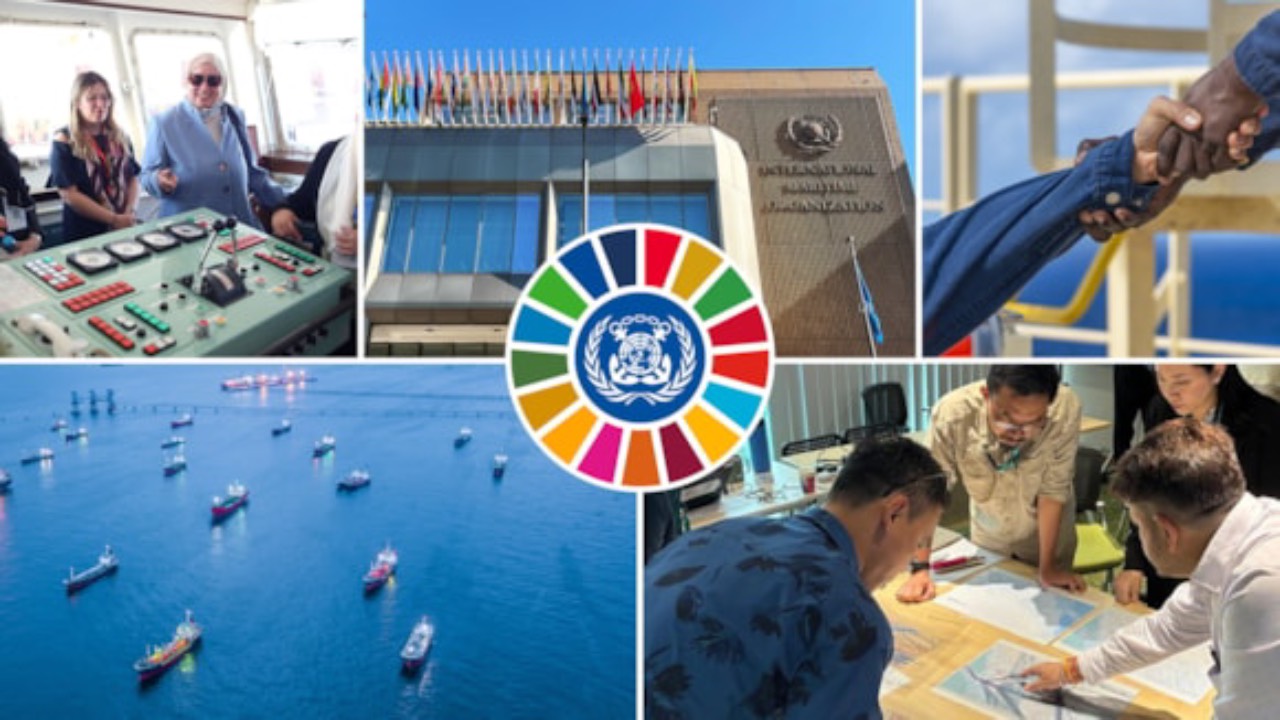
World Maritime Day 2026 from Policy to Practice – powering Maritime Excellence
Global regulations will deliver safer, more resilient shipping when they are implemented worldwide. The international maritime community marks…

Diana Shipping announces Time Charter Contract for m/v DSI Polaris with Dai An Ocean Shipping
Diana Shipping , a global shipping company specializing in the ownership and bareboat charter-in of dry bulk vessels, announced that, through a…

Chief Economists Expect Global Economy to Stabilize, but Fiscal Constraints, Rising Living Costs and AI Investment Uncertainty Threaten Growth
The global economy is stabilizing, but the fiscal support that cushioned successive shocks since 2020 is unlikely to play the same role in the year…

V. welcomes its new graduate cohort as programme expands across the group
Twelve graduates from nine nationalities join 11th year of V.’s expanded international management programme. V., the global ship manager and marine…

From Policy to Practice: Why Seafarers Are the Key to Maritime Excellence
The shipping industry is no stranger to regulation. Seafarers and ship operators work within a vast framework of international conventions, national…

Intermodal Report – Week 38 2026
Please find below the Intermodal market report for week 38 2026. Intermodal Report Week 38 2026 Market Insight By Nikos Tagoulis, Head of…

Allied – Weekly Market Review – Week 38
Please find below the Allied Weekly Report for Week 38 | 2026 ALLIED - Weekly Market Report- Week 38

Record year on the Northeast Passage but Arctic shipping remains very limited
In 2025, a record 103 transit voyages were made via the Northeast Passage. However, this is still equivalent to only around a day and a half of…

[xclusiv] S&P Report 21th September 2026
Please find below the [xclusiv] latest Weekly S&P Report [xclusiv] 2026_09_21 Market Commentary: VLCCs: Freight Boom Reprices the Fleet The VLCC…
Subscribe to our newsletter!
if you dont want to swim alone in the ocean of news, sign up for the newsletter, and you will receive daily all the important news of world shipping!
