
The Panama ports controversy is more than a local political dispute, it’s a global warning for port owners and investors. Recent intervention by the Panama Maritime Authority (AMP) and the high-profile dispute surrounding the BlackRock/CK Hutchison deal reveal just how vulnerable critical infrastructure can be to sudden political shifts.
Ports, by their very nature, sit at the intersection of trade, strategy, and national identity. That makes them prime targets for state interference, whether through contract renegotiations, regulatory overreach, or even outright nationalization. For investors and operators, this moment underscores an urgent truth: without proactive risk management and adequate insurance coverage, even the most established ports are at risk of disruption.
Securing the right Political Risk and Contingency insurance is an important element of ensuring that ports across the world can weather any political storm they may face.
The Panama ports controversy provides three clear warnings to port owners and investors:
- Even long-standing democracies with strong trade reputations are not immune from political interference
- Political leaders may target ports due to their strategic or symbolic importance
- Clear separation of state and port management is vital for long-term resilience.
Essentially, port ownership is deeply intertwined with a country’s political landscape, not to mention economic policies and geopolitical strategies.
State interference may involve attempts to nationalize or force renegotiation of contracts, the political targeting of foreign investors, forced changes in management or leadership, the withdrawal or denial of licenses, and changes in port governance and regulations that undermine ports’ autonomy.
As a global port insurance broker, we at Armada Risk Partners believe the following strategies and actions can help mitigate these potential threats to ownership and operations.
- Understand the Threat with Continuous Monitoring and Risk Assessment:
Ports in politically sensitive regions or with foreign ownership are particularly vulnerable. It is essential to continuously review and evaluate the local, national, and regional political dynamics, election cycles and projected leadership changes. It is also important to keep a close eye on regulatory risks such as port authority changes, and trade policy shifts. Ports could even partner with a political risk consultancy to offer this as a value-added service.
2. Secure Robust Political Risk Insurance (PRI)
PRI has particular importance for ports with foreign capital, debt financing, and large-scale infrastructure concessions. Coverage should include:
- Expropriation or nationalization
- Forced contract changes
- Adverse regulatory changes
- Currency inconvertibility
- Political violence
- Government non-payment.
3. Strengthen Corporate Governance and Legal Structures
It is much harder for governments to interfere without fear of any consequences if ports have in place transparent and internationally aligned governance. Therefore, port owners should create clear governance frameworks separate from government appointments and use international arbitration clauses in key contracts. It is also advisable to base contracts under stable international jurisdictions such as UK and Singapore law, and structure ownership through holding companies in legally robust countries.
4. Diversify Shareholding & Stakeholder Engagement
Diversified share ownership and engagement with multiple stakeholders produces increased scrutiny, which limits the ability of governments to take unilateral action. We recommend:
- Building international investors and partners to create pressure against interference
- Engaging with multilateral organizations such as the World Bank and International Monetary Fund when funding or concessions are involved
- Developing strong local community ties to gain insights, navigate the political landscape, and reduce the political attractiveness of hostile takeovers
- Spreading investments across multiple countries/regions to cut exposure to a single political risk.
5. Crisis Planning & Contingency Insurance
Working with a trusted and effective insurance broker will enable ports to secure the right level of Contingency Insurance to cover threats such as business interruption, strikes, riots, and other civil commotion (SRCC coverage).
Detailed crisis planning will develop scenarios for dealing with asset seizure or government takeover as well as business continuity plans designed to develop sustainable operations in the face of political interference.
6. Proactive Public Relations & Transparency
If a port is well-known with a strong and positive reputation, it is once again much harder for governments to interfere politically without suffering backlash. Proactive PR and a commitment to transparency helps to build local, national, and international goodwill, maintain open lines of communication with national authorities, and ensure a port’s positive economic impact on jobs, trade, and investment is well documented and recognized.
The shockwaves from Panama have left the maritime world on edge, but they also provide a roadmap. By strengthening governance, securing political risk and contingency insurance, diversifying stakeholders, and preparing for crises, port owners can safeguard their investments and maintain resilience.
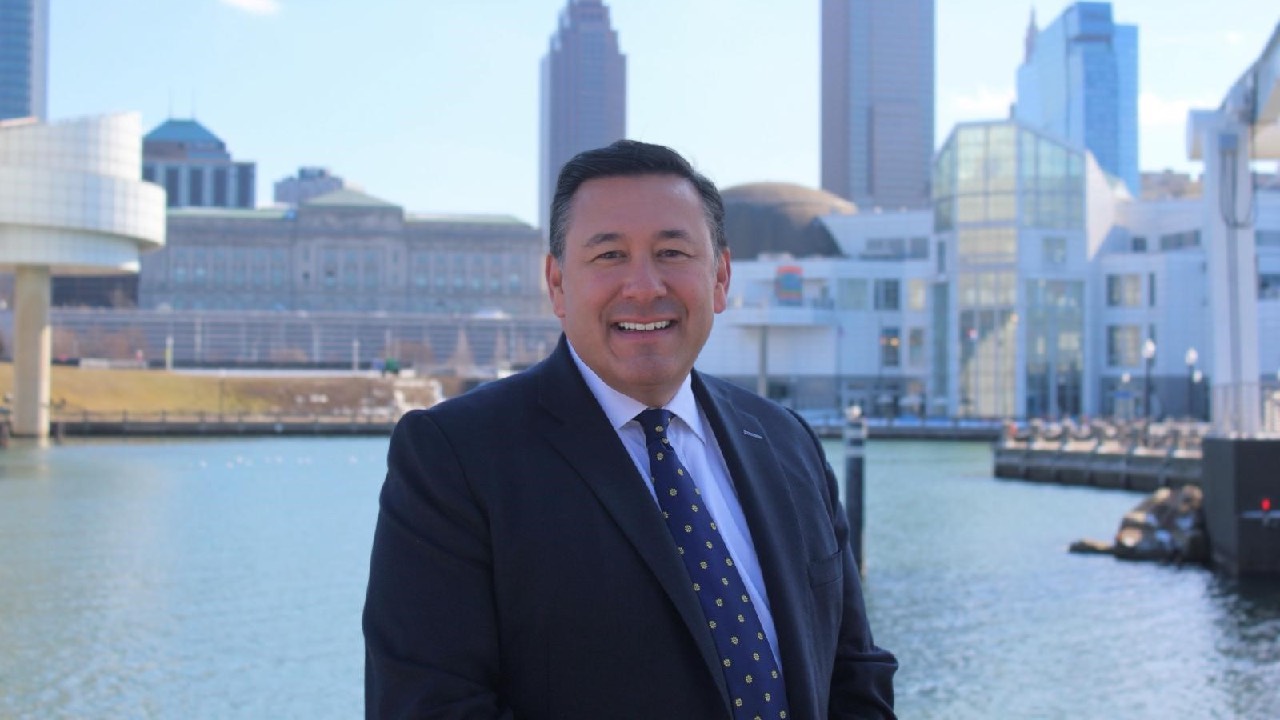
By Ed McNamara, CEO Armada Risk Partners, Cleveland, Ohio



Related News.

ISLAND OIL: Unveiling of the Sculpture “Cyprus’s Journey Through the Ages” in Protaras – A Tribute and Landmark to Cyprus’s Historical Memory and Cultural Heritage
In a modest ceremony marked by a moving atmosphere, the sculpture “Cyprus’s Journey Through the Ages”, created by acclaimed Cypriot sculptor…
World Maritime Day 2026 from Policy to Practice – powering Maritime Excellence
Global regulations will deliver safer, more resilient shipping when they are implemented worldwide. The international maritime community marks…

Diana Shipping announces Time Charter Contract for m/v DSI Polaris with Dai An Ocean Shipping
Diana Shipping , a global shipping company specializing in the ownership and bareboat charter-in of dry bulk vessels, announced that, through a…
Chief Economists Expect Global Economy to Stabilize, but Fiscal Constraints, Rising Living Costs and AI Investment Uncertainty Threaten Growth
The global economy is stabilizing, but the fiscal support that cushioned successive shocks since 2020 is unlikely to play the same role in the year…

V. welcomes its new graduate cohort as programme expands across the group
Twelve graduates from nine nationalities join 11th year of V.’s expanded international management programme. V., the global ship manager and marine…

From Policy to Practice: Why Seafarers Are the Key to Maritime Excellence
The shipping industry is no stranger to regulation. Seafarers and ship operators work within a vast framework of international conventions, national…

Intermodal Report – Week 38 2026
Please find below the Intermodal market report for week 38 2026. Intermodal Report Week 38 2026 Market Insight By Nikos Tagoulis, Head of…

Allied – Weekly Market Review – Week 38
Please find below the Allied Weekly Report for Week 38 | 2026 ALLIED - Weekly Market Report- Week 38

Record year on the Northeast Passage but Arctic shipping remains very limited
In 2025, a record 103 transit voyages were made via the Northeast Passage. However, this is still equivalent to only around a day and a half of…

[xclusiv] S&P Report 21th September 2026
Please find below the [xclusiv] latest Weekly S&P Report [xclusiv] 2026_09_21 Market Commentary: VLCCs: Freight Boom Reprices the Fleet The VLCC…
Subscribe to our newsletter!
if you dont want to swim alone in the ocean of news, sign up for the newsletter, and you will receive daily all the important news of world shipping!
