

Strategic importance of the Strait of Hormuz for breakbulk shipping
The Gulf region’s booming construction and industrial sectors emphasise the importance of this chokepoint in facilitating the transport of project carriers, general cargo and handysize vessels. Moreover, the distribution of critical goods such as grain, chemicals, furniture and machinery in the Middle East partly relies on breakbulk and bulk cargo, given that countries in the Arabian Gulf depend heavily on imports. Consequently, any disruptions to this transportation method could greatly affect the end-to-end supply chain.
Scenario 1: Transit via the Strait of Hormuz and increased freight costs
Currently, vessels transiting through the Strait of Hormuz, the most likely/preferred route, must bear additional war risk premiums. These premiums for vessels operating in the Persian Gulf are estimated about 0.05% to 0.07% of a ship’s hull and machinery value for a typical seven-day stay, according to chartering sources. This rate has remained largely stable over the past 18 months. However, if tensions between Iran and Israel escalate further, a surge in war risk premiums is anticipated, which could inflate freight costs for charterers.
Scenario 2: Transit via alternative routes
If the Strait of Hormuz were to become inaccessible, several alternative routes and strategies could be explored to maintain the movement of vessels. However, each comes with significant operational and economic challenges:
Port of Duqm, Sohar and Khorfakkan route: Vessels could reroute to Omani ports such as Duqm, Sohar or Khorfakkan in the UAE, using rail and road networks to continue inland transport. While this is feasible, it will substantially increase transit times and end-to-end logistics costs.
Gulf of Aqaba with overland transport: Another option is sailing through the Gulf of Aqaba and utilising overland routes to reach final destinations. However, this route also faces constraints, including regional instability and limited infrastructure capacity.
Key challenges with alternative routes
Rising operational costs
Multipurpose vessels—often smaller and more cost-sensitive—operate on narrow profit margins. The longer distances and added complexity of these alternatives could make operations economically unsustainable for many carriers.
Extended transit times
Project cargo, on ships with high charter rates and involving oversized components, is particularly vulnerable to delays. Longer transit routes increase fuel consumption and expose operators to schedule disruptions, penalties and higher overall costs.
Complex logistics and coordination
Switching to alternative routes would require multimodal logistics coordination across maritime, rail and road networks. This adds layers of complexity and potential failure points, threatening the reliability and efficiency of time-sensitive deliveries.
While the closure of the Strait of Hormuz would undoubtedly disrupt global shipping, the complete cessation of its use is highly unlikely due to the significant geopolitical and economic repercussions. The exploration of alternative routes, such as Oman, Khorfakkan or Aqaba, presents viable options; however, they come with inherent challenges that could impact the cost-effectiveness and efficiency of multipurpose shipping operations. Therefore, maintaining the security and openness of the Strait of Hormuz remains paramount for the stability of global trade networks.
Source: Drewry



Related News.

Cyprus Marine Club Welcomes a Full House for Aphentrica’s War Risks Presentation
The Cyprus Marine Club marked its return after the summer break with a full house at Gazebo Mare on Tuesday, 22 September, bringing together members,…
IMO seeks feedback on Maritime Single Window implementation
The International Maritime Organization (IMO) has launched a global survey to assess the implementation and use of Maritime Single Windows (MSWs),…

World Maritime Day industry panel to examine the gap between maritime policy and the reality of life at sea
OneCare Group will bring together crewing, safety, insurance and wellbeing specialists for a World Maritime Day webinar examining how shipping can…

IUMI President – Marine insurers are war insurers
Marine insurers are at the heart of managing war risks to global shipping and must continue to develop the tools needed to support and facilitate…
Seafarer welfare is improving amongst leading companies, but five years of evidence shows this progress is far from the norm
Five years on, the Seafarers’ Rights Code of Conduct is driving more than 1,000 companies to participate in RightShip’s Crew Welfare…
The UK ETS arrives for shipping what it means for charterers
Introduction The UK Emissions Trading Scheme (UK ETS) was extended to domestic maritime activity on 1 July 2026, following the EU ETS, FuelEU…
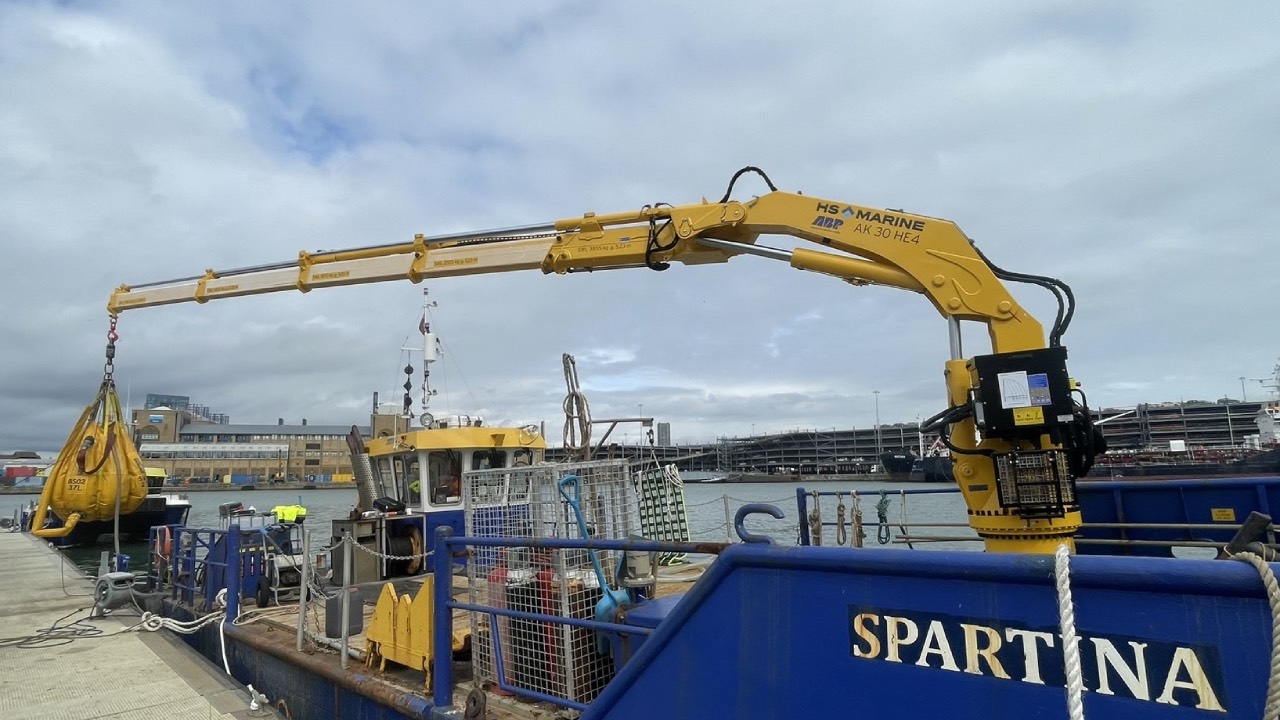
ABP Southampton invests locally with Marine Cranes to boost capability
Associated British Ports , the UK’s largest port operator, has invested a new marine deck crane aboard Spartina, one of the Port of Southampton’s…
BIMCO Shipping Number of the Week
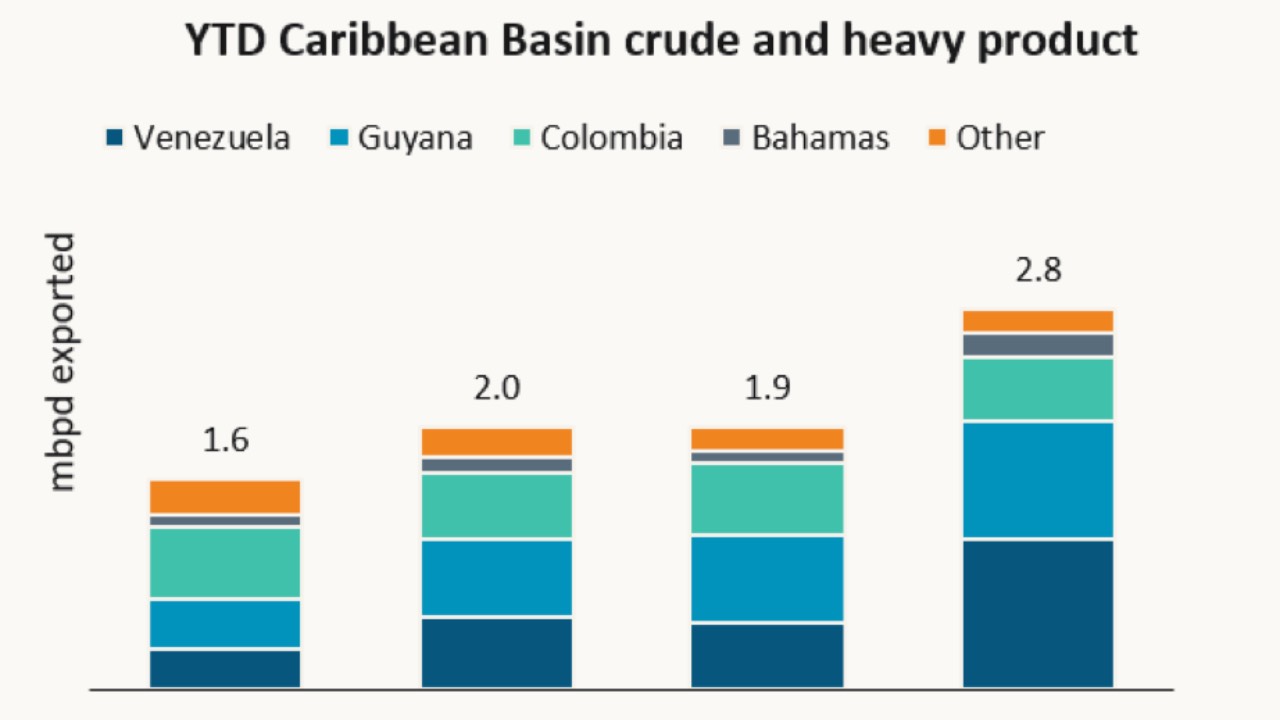
Caribbean Basin crude oil and heavy product exports jump 45% “Seaborne exports of crude oil and heavy products from the Caribbean Basin have…

xclusiv S&P Report 21th September 2026
Pls find below the [xclusiv] S&P Report 21th September 2026 [xclusiv] 2026_09_21
Marine insurance supply remains stable as geopolitical and technical changes reshape the market, says IUMI President
The global marine insurance market remains in a stable position, with premium growth strongly supported by a weak USD in hull and cargo. Meanwhile…
Subscribe to our newsletter!
if you dont want to swim alone in the ocean of news, sign up for the newsletter, and you will receive daily all the important news of world shipping!
