Harnessing the Wind: Cristina Aleixendri on mainstreaming suction sails for a Greener Maritime Future
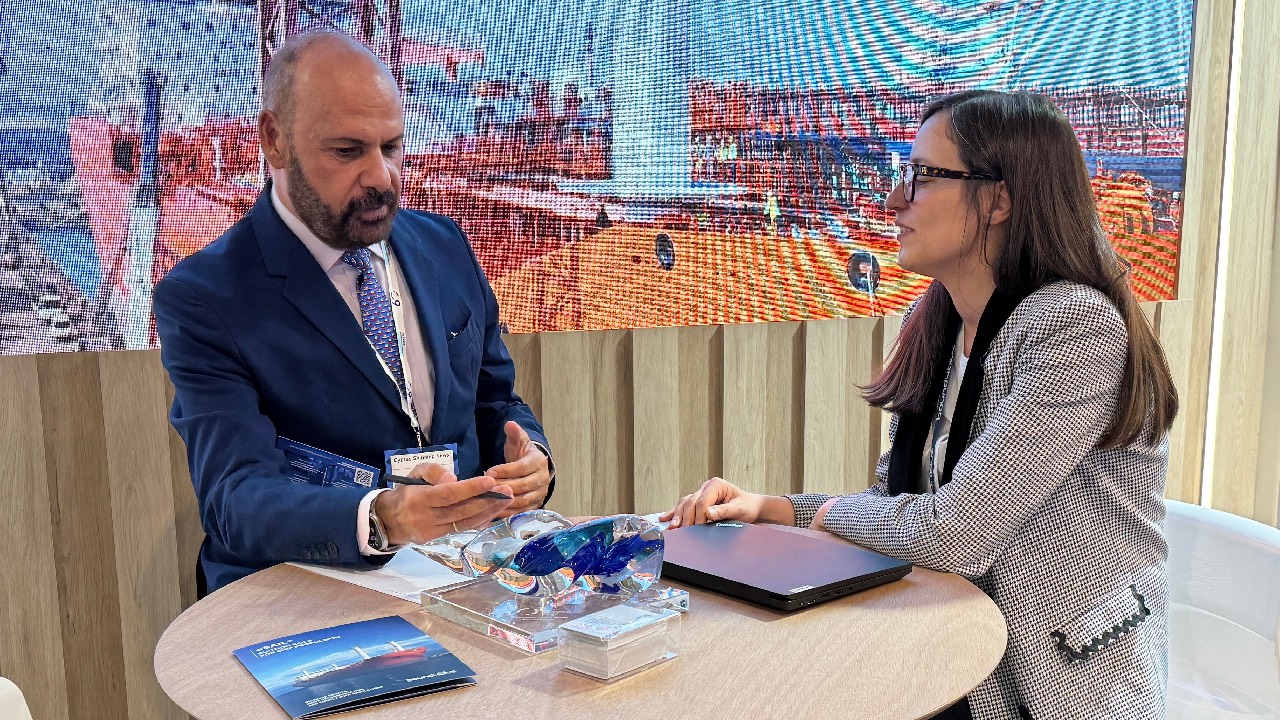

Interview with Cristina Aleixendri, Co-founder of bound4blue
Cristina, you co-founded bound4blue with a bold vision to revive wind propulsion in commercial shipping. What inspired you to take on this mission?
I started out as an aeronautical engineer, and like most engineers, I’ve always been passionate about solving problems – no matter where they come from. It’s in our nature to look at challenges and ask: how can we solve it?
For me, using wind was a natural step. Just like airplanes use it to fly, I saw an opportunity to apply those same aerodynamic principles to ships – to help them move more efficiently, reduce fuel consumption, and cut emissions. It made perfect sense from a technical point of view.
At the time, environmental regulations like the ones we see now (CII, EEXI, ETS, FuelEU Maritime) hadn’t been enforced yet, but we knew they were coming. And we also understood that beyond the environmental urgency, these regulations would have serious financial implications for shipowners. So, from day one, our mission with bound4blue was twofold: create a solution that delivers real environmental impact, while also protecting the economic sustainability of maritime businesses.
That’s what inspired me – to take what I knew as an engineer and apply it where it could make the biggest difference.
How would you describe bound4blue’s core mission and how it has evolved since the company’s founding?
Our mission has always been clear: to make wind propulsion a standard in shipping. It’s about enabling maritime decarbonisation in a way that’s not only environmentally necessary but economically viable. True sustainability has to be something that can be paid for – and that’s the beauty of wind: it’s free.
When we started, it was just an idea – an ambitious vision backed by solid engineering and a lot of conviction. Today, it’s becoming a reality. We’ve successfully implemented our system on several ships – different vessel types, multiple units, operating across different routes – and we’ve proven that the technology works. What was once a bold plan is now delivering measurable results, and that’s driving momentum across the industry.
That said, we’re fully aware that we still have a lot of work ahead to get these sails on every ship – both newbuilds and the existing fleet. But the momentum is building, and every successful installation gets us one step closer to making wind propulsion mainstream.
bound4blue’s suction sail technology has gained strong traction in recent years. Could you briefly explain how it works and what sets it apart from other wind-assisted propulsion systems?
Sure! Suction sails are rigid, wing-shaped structures that use a smart system to pull air through tiny holes on their surface. This airflow boosts lift and avoids stall, so we get much more thrust from a smaller device.
What makes our eSAIL® unique is its efficiency – you get the same performance as traditional wing sails but with up to seven times less surface area. That means easier retrofitting, less space needed, and better performance, even upwind. It’s aerodynamic engineering applied to shipping, and it really pays off.
What types of vessels can benefit most from your eSAIL® technology, and what operational savings have your clients experienced so far?
Our eSAIL® can be installed on almost any vessel type – tankers, bulkers, LNG carriers, Ro-Ros, general cargo ships, ferries… whether it’s a newbuild or a retrofit, the tech adapts easily.
A great example is Odfjell’s Bow Olympus, which crossed the Atlantic twice with four 22-meter suction sails. They saw fuel savings of 15–20% on average – about five tons of fuel and 15 tons of CO₂ saved per day. Under optimal wind conditions, fuel savings peaked at 40%!
What’s really promising is how well it performs even in light or less-than-ideal wind conditions. It provides thrust even with shallow wind angles, and also improves stability by reducing roll – so there’s both environmental and operational value.
What are the biggest technical or regulatory barriers to scaling wind propulsion systems across the global fleet?
At an operational level, the biggest challenge is scaling up – not because there’s no demand, but because demand is growing exponentially and very fast. That puts pressure on the entire supply chain, from manufacturing to installation and long-term service. We’re addressing that by building a multigeographic, scalable solution and working closely with our partners to keep pace.
From a regulatory perspective, uncertainty remains – especially with evolving frameworks and regional differences. But overall, the direction is clear: decarbonisation is no longer optional, and wind propulsion is increasingly seen as a reliable, future-proof part of that strategy.
The maritime sector faces mounting pressure to decarbonise. How does bound4blue support IMO and EU decarbonisation goals, including CII, EEXI, and the ETS?
Our technology directly reduces fuel consumption, which means fewer emissions – and that has a direct impact on compliance with CII, EEXI, and the EU ETS. By lowering engine load through wind-assisted propulsion, we help shipowners improve their CII rating, stay within EEXI limits, and reduce their CO₂ exposure under the ETS.
Also – and though it’s not mentioned in the question – our system helps with FuelEU Maritime compliance by lowering the greenhouse gas intensity of the energy used on board. In fact, wind is currently the only technology recognised in the regulation that benefits from a reward factor, which further improves the vessel’s compliance profile.
What’s important is that it’s not a future solution – it’s something shipowners can deploy now, with immediate results. We’re offering a practical, scalable tool that supports both regulatory compliance and business sustainability at the same time.
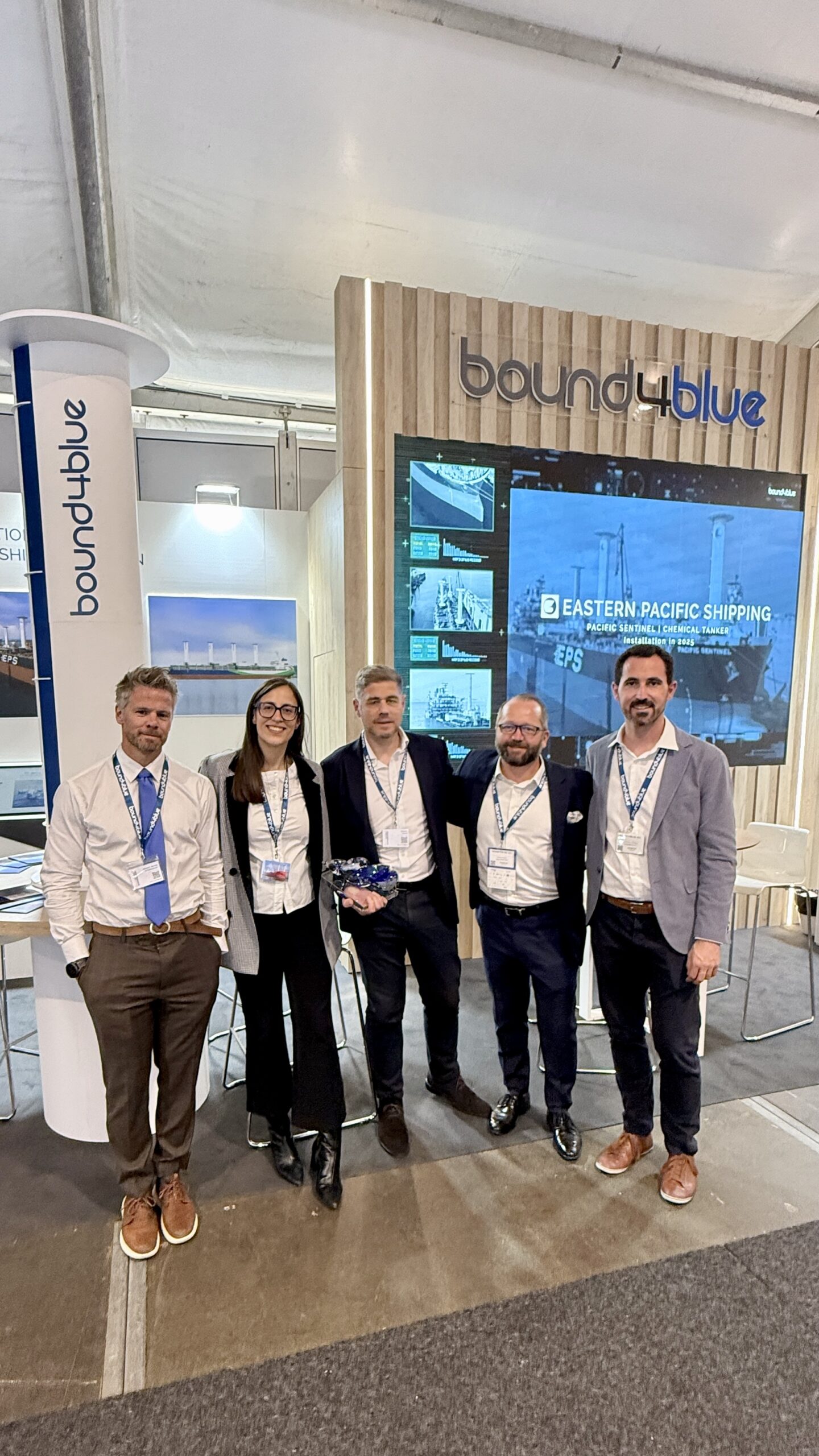
Are you seeing a shift in how shipowners perceive wind propulsion—from a niche technology to a mainstream strategy?
Yes, absolutely. We’ve seen a clear shift over the last few years. What was once seen as a niche or experimental solution is now being recognised as a strategic, scalable tool for decarbonisation and cost reduction.
Shipowners are no longer asking if wind propulsion works – they’re asking how fast they can implement it. And that’s a big change. We’re now moving from single pilot installations to mass installations across fleets, which shows a real shift in mindset. Wind propulsion is stepping into the mainstream, not just as a sustainability choice, but as a smart business decision.
You’ve worked with several key partners across Europe. How important is collaboration with shipowners, regulators, and technology providers in accelerating wind propulsion adoption?
It’s absolutely essential. We wouldn’t be where we are today without close collaboration across the ecosystem. Working with shipowners has helped us tailor our technology to real operational needs. Regulators have played a key role in creating the right framework and incentives. And partnerships with other technology providers allow us to integrate seamlessly into broader efficiency and sustainability strategies onboard.
Wind propulsion isn’t something you scale in isolation—it takes alignment across the value chain. That’s why we’ve focused so much on building strong, trusted relationships. It’s how we accelerate adoption and move the industry forward together.
Has the availability of EU or green financing mechanisms influenced adoption decisions by shipowners?
There isn’t just one main driver – there are three key pillars pushing wind propulsion adoption forward: fuel savings, regulations, and financing.
Fuel savings are a huge motivator. As Harald Fotland from Odfjell nicely put it, using wind on your trades is like “picking money off the street while you walk.” It’s a straightforward way to reduce costs while operating on the same routes.
At the same time, regulations are creating the necessary framework. Without regulatory pressure – especially with the high cost of alternative fuels – this shift wouldn’t be happening at the pace we need.
And then you have green financing, which supports and accelerates the process. These schemes don’t replace the business case, but they make it easier to act on it.
So it’s not one single factor, it’s the combination of all three working together that’s really driving momentum.
As a young entrepreneur and woman in the maritime tech space, what have been your biggest challenges—and sources of motivation?
The real challenges have come from the business itself—developing a complex technology, getting it installed on operational vessels, quantifying the savings achieved, building the right team, and raising the funds needed to grow.
But my biggest motivation has always been the mission. From day one, I’ve believed in what we’re building – not just the technology, but the impact it can have on the industry and the planet. That’s what keeps me going, even when the path isn’t easy.
You’ve received notable recognitions, including being named one of Forbes’ 30 Under 30. How have such accolades influenced your career and your company’s visibility?
It’s always an honor to receive that kind of recognition – but for me, it’s never been about the accolade itself. What really matters is the visibility it brings to the mission and to the team behind it.
These awards have opened doors, sparked new conversations, and attracted attention from people and partners we might not have reached otherwise. They’ve given us a platform to speak more openly about what we’re doing at bound4blue and why it matters – not just from a technology perspective, but from a global impact point of view. So in that sense, they’ve been incredibly valuable – not as personal milestones, but as tools to help accelerate the mission.
Where do you see wind propulsion technology in 5 to 10 years? Do you think we’re approaching a tipping point for its adoption?
We’re just at the very start. What we’re seeing now is only the beginning of a much bigger transition. The technology is proven, and the benefits are clear, but large-scale adoption takes time.
That said, the momentum is building. Regulations, rising fuel costs, and pressure to decarbonise are all aligning – and wind propulsion is positioned to play a central role. In 5 to 10 years, I see wind systems becoming a common feature, especially on newbuilds. But calling this a tipping point? Not yet. We’re still laying the foundation for what’s to come.
Could you see a future where large-scale newbuilds are designed with integrated wind propulsion from day one?
Definitely. That future is already starting – and we’re part of it. One clear example is our collaboration with Klaveness on a newbuild that will be equipped with our eSAIL® system. Owners are now planning for wind propulsion from day one, which allows for better integration, optimized performance, and even greater savings.
It’s a strong signal that the industry is evolving. Designing for wind from the start means we’re moving beyond experimentation and into long-term strategy. And we expect to see a lot more of that in the coming years.
That said, integrating wind into existing vessels will remain just as critical. We can’t demolish the entire global fleet and start from scratch – it’s simply not realistic. Wind propulsion offers a practical way to extend the useful life of existing ships while helping them meet upcoming regulatory and environmental demands. So the role of retrofits will not go away – it’s absolutely essential to the industry’s transition.
Have you identified opportunities for bound4blue in the Cypriot or wider Eastern Mediterranean shipping market?
Yes, we see promising potential in the Eastern Mediterranean, including Cyprus. It’s a region with deep maritime roots and a dynamic shipping sector, which naturally aligns with what we offer. As the focus on sustainability grows, interest in wind propulsion is rising – and we’re already engaged in conversations. We see strong opportunities ahead and are well-positioned to support them.
What message would you send to shipowners in the region who are curious but hesitant about wind-assisted propulsion?
I’d say: don’t wait. It’s a no-brainer. The wind is already available on your routes, and the technology is proven, and delivering real savings. You don’t need to change how you operate, just enhance it. Wind-assisted propulsion isn’t about reinventing your fleet overnight, it’s about making smart, future-proof upgrades that reduce fuel costs, cut emissions, and keep you ahead of regulations.
If you had one piece of advice for young innovators entering the maritime space, what would it be?
Have your mission crystal clear. When things get tough – and they will – it’s your why that will keep you going. Also, stay curious, stay persistent – and don’t be afraid to question how things have always been done. And one more thing I’ve learned the hard way: don’t waste energy trying to convince people who will never believe in it – even when they see the results. You don’t get extra points for that. Focus on the ones who are open, curious, and ready to move. That’s where change starts.
And finally, in a few words—how would you define the future of sustainable shipping?
Efficient, collaborative, and wind-powered.



Related News.
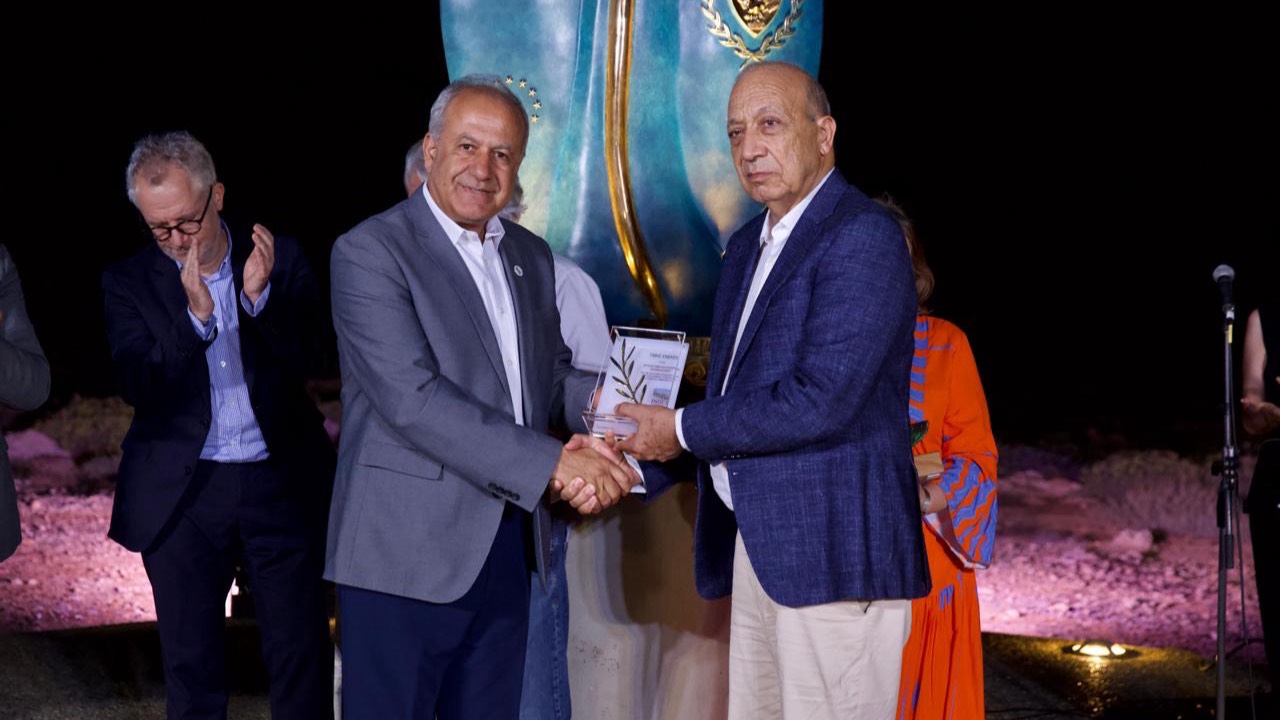
ISLAND OIL: Unveiling of the Sculpture “Cyprus’s Journey Through the Ages” in Protaras – A Tribute and Landmark to Cyprus’s Historical Memory and Cultural Heritage
In a modest ceremony marked by a moving atmosphere, the sculpture “Cyprus’s Journey Through the Ages”, created by acclaimed Cypriot sculptor…
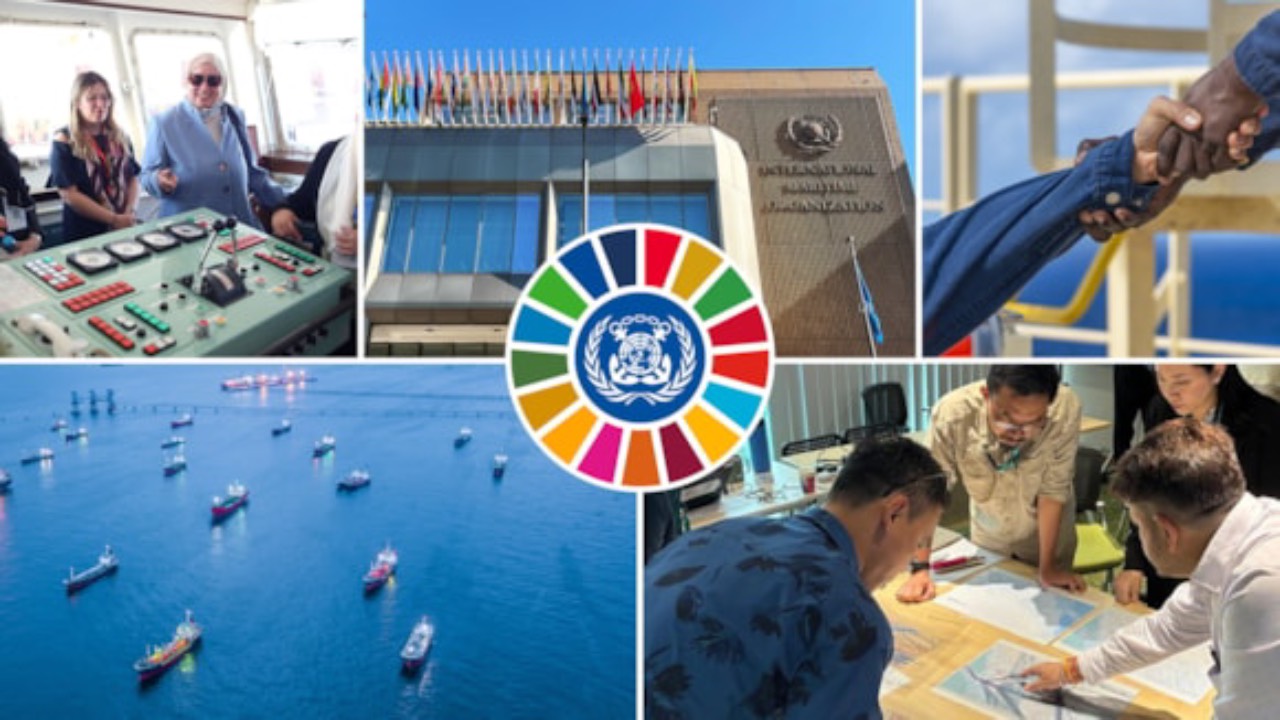
World Maritime Day 2026 from Policy to Practice – powering Maritime Excellence
Global regulations will deliver safer, more resilient shipping when they are implemented worldwide. The international maritime community marks…

Diana Shipping announces Time Charter Contract for m/v DSI Polaris with Dai An Ocean Shipping
Diana Shipping , a global shipping company specializing in the ownership and bareboat charter-in of dry bulk vessels, announced that, through a…

Chief Economists Expect Global Economy to Stabilize, but Fiscal Constraints, Rising Living Costs and AI Investment Uncertainty Threaten Growth
The global economy is stabilizing, but the fiscal support that cushioned successive shocks since 2020 is unlikely to play the same role in the year…
V. welcomes its new graduate cohort as programme expands across the group
Twelve graduates from nine nationalities join 11th year of V.’s expanded international management programme. V., the global ship manager and marine…

From Policy to Practice: Why Seafarers Are the Key to Maritime Excellence
The shipping industry is no stranger to regulation. Seafarers and ship operators work within a vast framework of international conventions, national…

Intermodal Report – Week 38 2026
Please find below the Intermodal market report for week 38 2026. Intermodal Report Week 38 2026 Market Insight By Nikos Tagoulis, Head of…

Allied – Weekly Market Review – Week 38
Please find below the Allied Weekly Report for Week 38 | 2026 ALLIED - Weekly Market Report- Week 38

Record year on the Northeast Passage but Arctic shipping remains very limited
In 2025, a record 103 transit voyages were made via the Northeast Passage. However, this is still equivalent to only around a day and a half of…

[xclusiv] S&P Report 21th September 2026
Please find below the [xclusiv] latest Weekly S&P Report [xclusiv] 2026_09_21 Market Commentary: VLCCs: Freight Boom Reprices the Fleet The VLCC…
Subscribe to our newsletter!
if you dont want to swim alone in the ocean of news, sign up for the newsletter, and you will receive daily all the important news of world shipping!
