Sierra Space advances space station technology with Hypervelocity Impact Testing at NASA White Sands
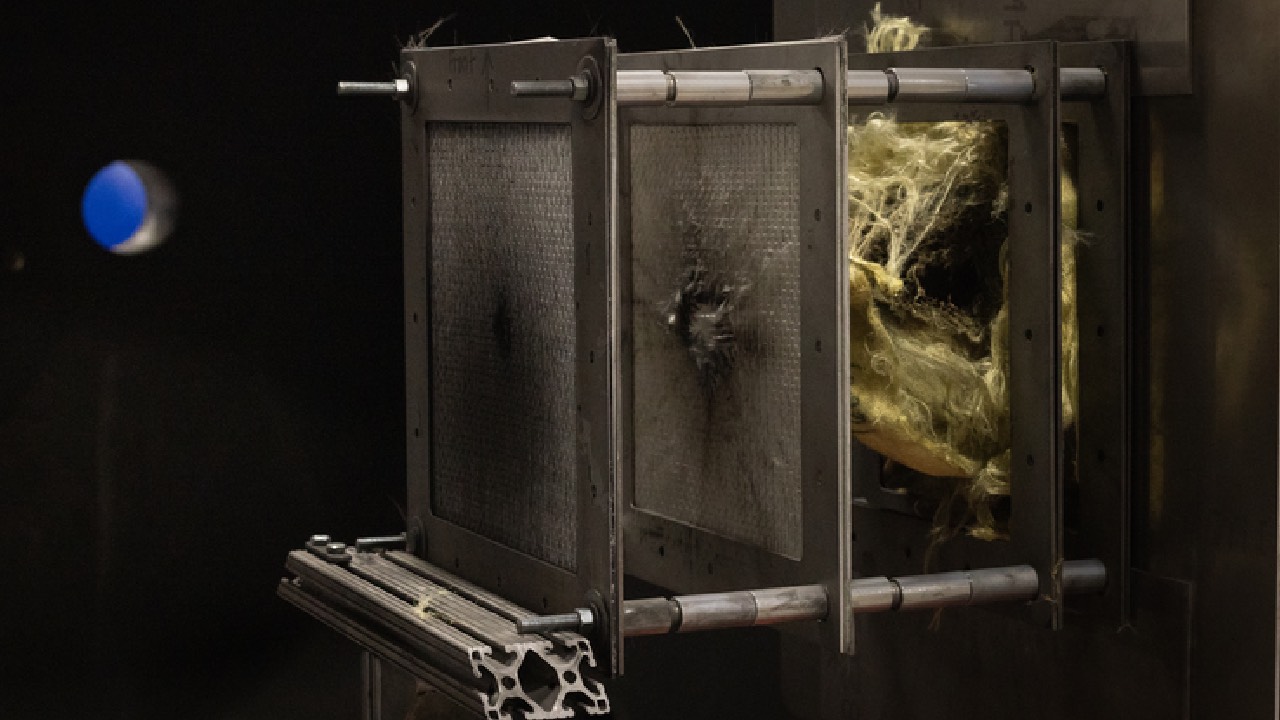

High-Speed Ballistic Tests Replicated Micrometeoroid and Orbital Debris Impacts to Help Refine the Shielding of the Company’s Expandable LIFE® Habitat
Sierra Space, a leading commercial space company and defense tech prime that is building a platform in space to benefit and protect life on Earth, announced today that it recently conducted successful hypervelocity impact trials at NASA’s White Sands Test Facility in Las Cruces, New Mexico, to optimize the structural integrity of Sierra Space’s Large Integrated Flexible Environment (LIFE®) habitat. The goal of this NASA-supported testing was to refine a shield for the company’s expandable, flexible space station structure to make it capable of withstanding impacts from hazards on orbit.
The LIFE habitat’s shield, constructed from innovative, high-strength, flexible “softgoods” – a chemically-woven fabric material called Vectran® – provides a lightweight yet durable alternative to traditional rigid structures. The Sierra Space and NASA test teams used a two-stage light gas gun to simulate micrometeoroid and orbital debris (MMOD) impacts to LIFE’s outer shield. The testing aimed to select materials and configurations that enhance the habitat’s shielding performance while achieving significant mass savings – critical for space missions. You can view and download video of the test campaign here and photos here.
“Our innovative space station technology drives scientific discovery and fuels a low-Earth orbit economy,” said Shawn Buckley, Vice President, Space Destinations Systems at Sierra Space. “This collaboration with NASA advances our efforts to development a shield that protects against micrometeoroids and space debris, bringing us closer to launching the LIFE habitat into orbit and readying our technology for repeat and long-duration space missions.”
The impact testing, conducted under an unfunded Space Act Agreement called Collaborations for Commercial Space Capabilities (CCSC-2), used NASA’s .50 caliber two-stage light gas gun to replicate MMOD traveling at speeds around seven kilometers per second. Housed in the Remote Hypervelocity Test Laboratory, the gun uses gunpowder (the first stage) and highly compressed hydrogen (the second stage) to accelerate projectiles at high velocities to simulate orbital debris impacts on spacecraft and satellite materials and components. Testing is conducted in a near vacuum chamber to simulate space conditions.
Material Selection and Testing Process
The impact trials were conducted in two phases. The first grouping of shots varied the softgoods materials while keeping gun parameters constant, simulating MMOD impacts to directly compare how each material performed. After identifying the most promising materials, the team adjusted gun parameters to develop an equation characterizing the efficacy and performance of the selected shield stack. During the tests, 40 experimental shots were fired toward the materials to confirm the configuration selection. Once the team had established a strong but mass-efficient shield configuration, 19 additional shots were discharged at the material. These efforts were critical to mitigate future risks posed by MMOD—tiny, high-speed particles that can cause significant damage to spacecraft and habitats in orbit.
Sierra Space team members traveled to White Sands to observe the shots firsthand and collaborate on real-time adjustments to the follow-on tests based on immediate results. This hands-on approach allowed for rapid, data-driven decisions to refine the shield design.
Collaboration with NASA Drives Innovation
Throughout the process, Sierra Space collaborated closely with NASA, leveraging its expertise to analyze the data and determine the best path forward. This collaboration underscores the shared commitment to advancing space habitat technology capable of withstanding the harsh conditions of space, including MMOD threats.
Sierra Space remains dedicated to pioneering space technology and exploration. The successful testing marks a key milestone in developing the LIFE habitat as a reliable, MMOD-resistant solution for long-duration space missions. Additional testing will further refine LIFE habitat for first launch to low-Earth orbit.
Source: BUSINESS WIRE



Related News.
Cyprus Marine Club Welcomes a Full House for Aphentrica’s War Risks Presentation
The Cyprus Marine Club marked its return after the summer break with a full house at Gazebo Mare on Tuesday, 22 September, bringing together members,…

IMO seeks feedback on Maritime Single Window implementation
The International Maritime Organization (IMO) has launched a global survey to assess the implementation and use of Maritime Single Windows (MSWs),…

World Maritime Day industry panel to examine the gap between maritime policy and the reality of life at sea
OneCare Group will bring together crewing, safety, insurance and wellbeing specialists for a World Maritime Day webinar examining how shipping can…

IUMI President – Marine insurers are war insurers
Marine insurers are at the heart of managing war risks to global shipping and must continue to develop the tools needed to support and facilitate…
Seafarer welfare is improving amongst leading companies, but five years of evidence shows this progress is far from the norm
Five years on, the Seafarers’ Rights Code of Conduct is driving more than 1,000 companies to participate in RightShip’s Crew Welfare…
The UK ETS arrives for shipping what it means for charterers
Introduction The UK Emissions Trading Scheme (UK ETS) was extended to domestic maritime activity on 1 July 2026, following the EU ETS, FuelEU…
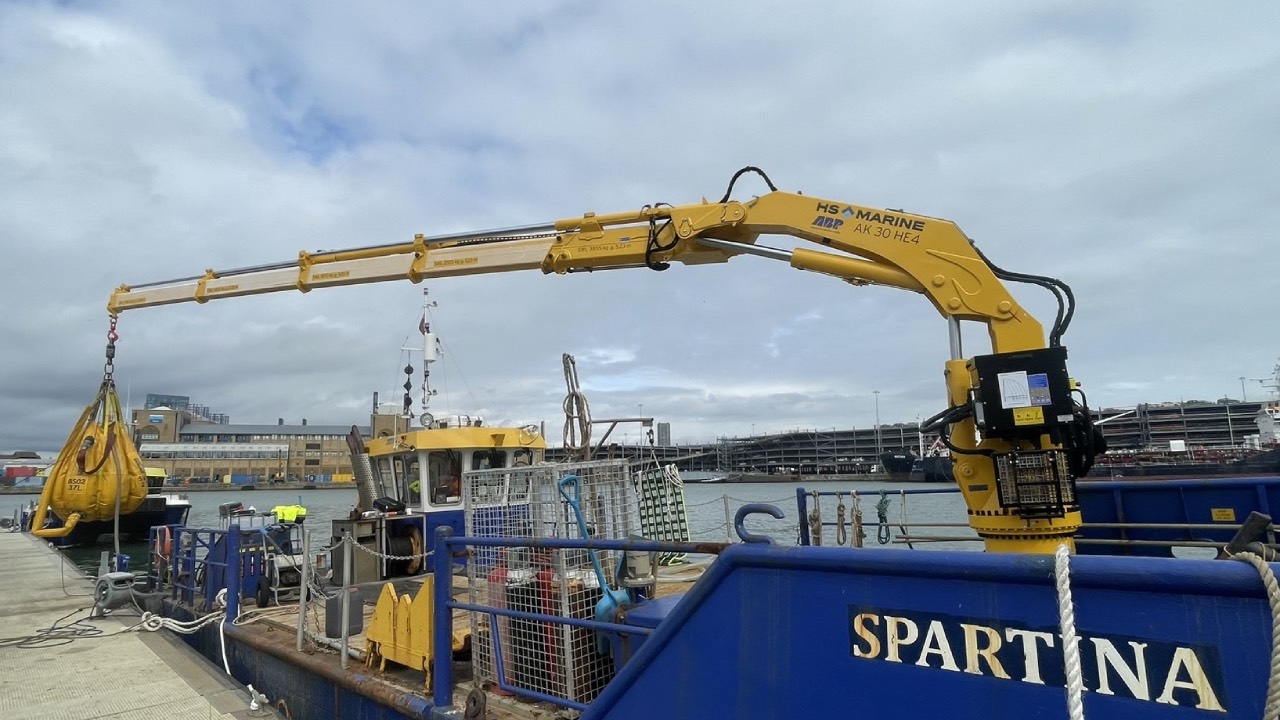
ABP Southampton invests locally with Marine Cranes to boost capability
Associated British Ports , the UK’s largest port operator, has invested a new marine deck crane aboard Spartina, one of the Port of Southampton’s…
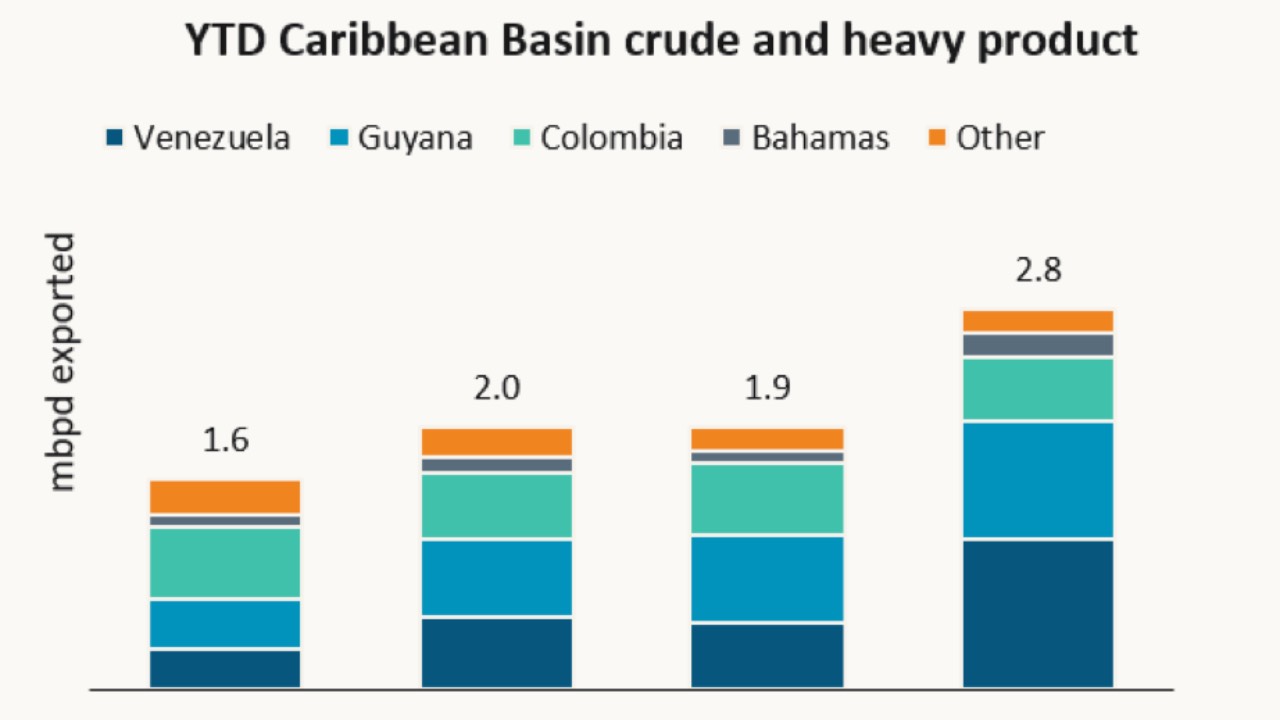
BIMCO Shipping Number of the Week
Caribbean Basin crude oil and heavy product exports jump 45% “Seaborne exports of crude oil and heavy products from the Caribbean Basin have…

xclusiv S&P Report 21th September 2026
Pls find below the [xclusiv] S&P Report 21th September 2026 [xclusiv] 2026_09_21
Marine insurance supply remains stable as geopolitical and technical changes reshape the market, says IUMI President
The global marine insurance market remains in a stable position, with premium growth strongly supported by a weak USD in hull and cargo. Meanwhile…
Subscribe to our newsletter!
if you dont want to swim alone in the ocean of news, sign up for the newsletter, and you will receive daily all the important news of world shipping!
