How to prevent seasickness on a cruise


Dreaming of an expedition cruise, but worrying about whether or not you might get seasick? You’re not on your own!
A lot of people worry about cruises and seasickness when they plan a voyage, but the following information is sure to put your mind at ease. With the right knowledge and preparation, you can prevent, recognize and treat seasickness and enjoy your unforgettable adventure.
Understanding seasickness
So, what is seasickness?
Well, it’s a type of motion sickness, which can happen when what you’re seeing is out of balance with what your inner ear is sensing. If your body feels motion (ie your ship moving in the water) but your eyes don’t see it, your senses can become confused.
When this happens it can cause symptoms like dizziness, nausea, headaches, and drowsiness. Motion sickness can happen in cars, trains, planes, and even on fairground rides, but fortunately, most people aren’t highly susceptible to it.
Seasickness is more common in children than in adults, with the effects wearing off for most people when they’re in their 20s. If you don’t usually get motion sickness when you travel, you’re less likely to feel unwell on the ocean.
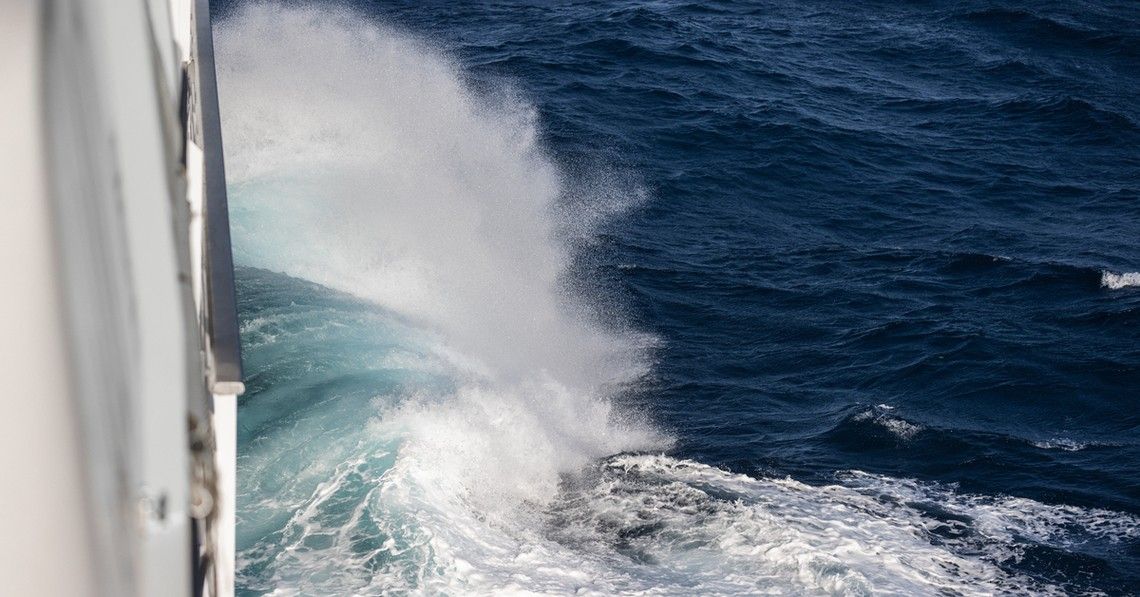
Managing seasickness
Swan Hellenic have been sailing for many years now, so we’re used to guests having the occasional bout of seasickness. So, what’s the best way of avoiding seasickness on a cruise? Here are some ways you can manage cruise ship motion sickness…
- Eat light, regular meals and be sure to stay hydrated. Staying active and getting fresh air can help as well. Making sure you’re well-rested is a great idea too, as lack of sleep can make you more susceptible to seasickness.
- Our modern fleet of 5-star expedition ships have hi-tech stabilizers, ensuring a smooth journey for all passengers, but if you’re concerned about seasickness, choose a cabin near the middle of your ship. This is the best place on cruise ship to avoid seasickness as it will ensure any motion you detect is lessened. Also, avoid visiting the stern or bow if you’re feeling unwell.
- Another good way to tackle seasickness is to head to the deck and gaze at the horizon, facing in the direction you’re sailing. This will allow your brain to calibrate with your inner ear and your visual senses to account for the motion you’re experiencing.
- There’s also old seafaring trick that can help with seasickness, which deals with the conflicting signals your brain may receive about movement on a cruise. Just insert an earplug into one ear – this fools the brain into ignoring information from your ears, and forces it to focus on what you’re seeing. This is said to work best if you plug the ear that’s opposite to your dominant hand (ie your left ear if you are right-handed).
- If you do feel unwell, avoid reading, watching TV, and using electronic devices. It’s also best to avoid alcohol, and fatty or spicy foods. You’ll be better of sticking to plain food, such as dry toast, biscuits or crackers.
- Taking a nap or sleeping can help with seasickness too. Having a snooze in your comfy cabin can help you experience less motion, and shutting your eyes helps prevent your brain being sent conflicting signals. If your motion sickness symptoms persist, the ship’s doctor is always on hand to help.
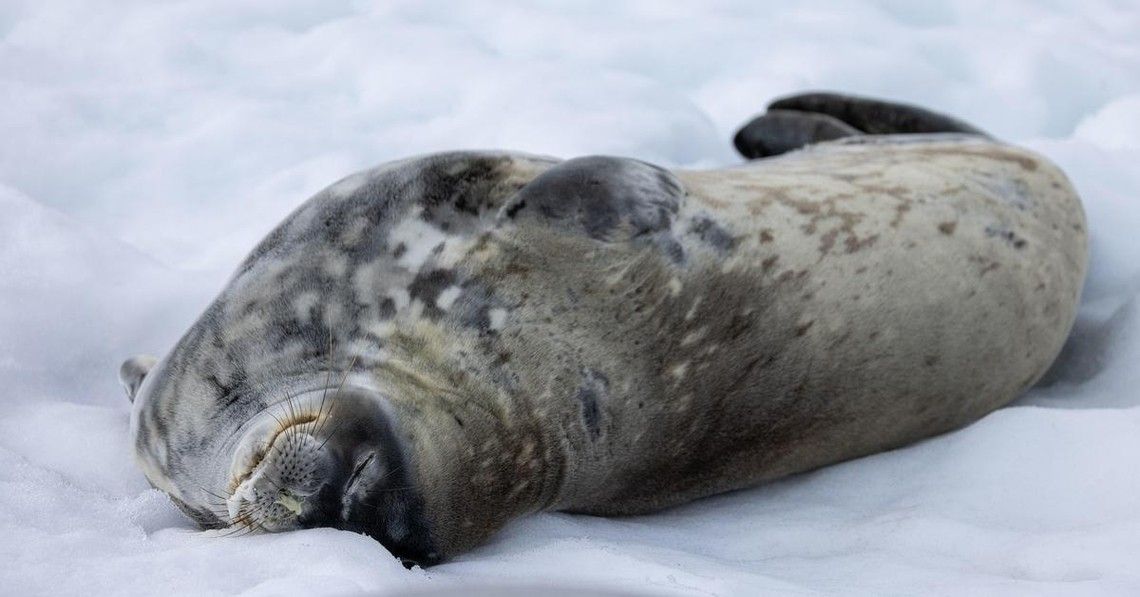
Seasickness remedies
So what’s the best way to prevent seasickness on a cruise? Well, as we mentioned before, not everyone experiences motion sickness, but if you know you are prone to it or are unsure, we recommend visiting your doctor for advice on the best preventative medicine for you before your cruise. That way you’ll be in the best position to avoid seasickness on your voyage.
Your pharmacist can also offer guidance over the counter but check for any conflicts with existing medication. When it comes to the best remedy for seasickness on a cruise, our guests have success with various methods, including seasick patches (you’ll need to consult your doctor about a prescription for these), tablets, and PSI/acupressure bands, but how effective these are varies from person to person. Make sure you pack your seasickness remedies in your carry-on bag, and take as directed (which may mean before boarding your ship). If you forget to pack motion sickness medication, we’ve got you covered. Just head to the guest relations desk on board for seasickness medication.
Many people swear by seasickness bands, so they may be a worthwhile investment. There are two types of band, which work by applying either acupressure or a magnetic force to a pressure point found a few centimeters above your inner wrist to help reduce nausea.
There are also a few natural remedies that are thought to help in alleviating the symptoms of seasickness. Some guests say consuming ginger or peppermint (in various forms, such as pills, teas or candies) can really help.
Frequently Asked Questions
Is it possible to prevent seasickness on a cruise?
Yes! You can use over-the-counter medications, ginger, acupressure bands, and the other remedies mentioned above to help alleviate seasickness. The effectiveness of the remedies varies from person to person.
How long does seasickness last?
Seasickness can last from a few hours up to a few days. If you feel seasick at the start of your cruise, taking over-the-counter remedies and following the tips in this post will help you feel better in a few hours or maybe a day or two. Seasickness may last longer, especially on rough seas, but most people find that seasickness usually subsides once they get their “sea legs,” which means your equilibrium returns as your senses adjust to life at sea.
Do you feel the waves on a cruise ship?
You may feel some motion, especially in rough seas. However, our modern ships are designed to minimize the impact of waves, so you probably won’t feel the ship moving. Our ships are equipped with stabilizers to ensure a smooth and steady journey, giving you the calmest ride possible
Are cruises OK for people with motion sickness?
With proper preparation and preventive measures, Swan Hellenic voyages can be enjoyable for people with motion sickness.
How do you calm seasickness?
Staying hydrated, eating light meals, getting fresh air, and using the remedies mentioned in this post can help calm seasickness.
Source: Swan Hellenic



Related News.

Hong Kong Global Maritime Trade Summit to return for third edition
The International Chamber of Shipping, in collaboration with the Transport and Logistics Bureau of the Government of Hong Kong and the Hong Kong…

Appetite for US crude oil exports climbs despite high freight
South Korea tops US crude destinations at 568,600 b/d VLCC rates to Asia double, closing arbitrage window European refining margins…

Shipping stocks Rally as Hormuz Traffic plunges 75%
Ship traffic through the Strait of Hormuz — a critical chokepoint handling about 20% of global crude oil and liquefied natural gas shipments — has…
Diana Shipping announces Time Charter Contract for m/v G P Zafirakis with Classic Maritime
Diana Shipping, a global shipping company specializing in the ownership and bareboat charter-in of dry bulk vessels, announced that, through a…
New IMO ESP Code framework for Remote Inspection Techniques
The International Maritime Organisation, through Resolution MSC.584(111) , has adopted amendments to the International Code on the Enhanced…

ABS opens Offshore & Marine Support Center in Bergen
ABS has expanded its capabilities in the Norwegian maritime market with the opening of a cutting-edge support center in Bergen, bringing advanced…

MOL holds giant step memorial ceremony and beach cleanup at Kashima Coast
Memorial and Reflection 20 Years After the Accident: Learning from the Past to Foster an Even Stronger Safety Culture Mitsui O.S.K. Lines, announced…

KEZAD-based Arabian Gulf Steel Industries achieves lowest verified Carbon Footprint for Rebar
CARES UK verified Environmental Product Declaration confirms 139 kg CO₂e per tonne for rebar produced at AGSI’s KEZAD Abu Dhabi facility Arabian…

Indian Register of Shipping announces launch of first fleet support ship INS Surya
Indian Register of Shipping continues to strengthen its role in supporting the Indian Navy and India’s naval shipbuilding capabilities through the…

VLCCs Climbing the Record Charts
LR2 The TC1 75kt MEG/Japan index decreased by only a single point this week to WS928. The corresponding Baltic round-trip TCE fell by $2,000 to…
Subscribe to our newsletter!
if you dont want to swim alone in the ocean of news, sign up for the newsletter, and you will receive daily all the important news of world shipping!
