
Continued investment in wind assisted propulsion, next-generation fuels and digital solutions key to moving the world’s goods more sustainably
Cargill is advancing a new era in sustainable shipping, putting innovation and collaboration at the core of its mission to move goods responsibly across the globe. Through wind-assisted propulsion technologies, dual-fuel methanol-powered vessels, and digital solutions, Cargill is setting the standard for helping the industry advance progress toward the International Maritime Organization’s (IMO) 2050 net-zero target. Combining technical expertise with a commitment to industry-wide partnerships, Cargill is helping to future-proof the maritime sector while enabling customers to meet their sustainability goals.
“Decarbonizing shipping is a monumental task that requires courage, innovation, and collaboration,” said Jan Dieleman, president of Cargill’s Ocean Transportation business. “Our role extends beyond freight-shipping services; we aim to catalyze a shift across the industry toward sustainable practices. Through strategic investments in cutting-edge technology and robust partnerships, we are accelerating the journey to net-zero emissions in shipping.”
Innovating with Wind-Assisted Propulsion: The Pyxis Ocean and Beyond
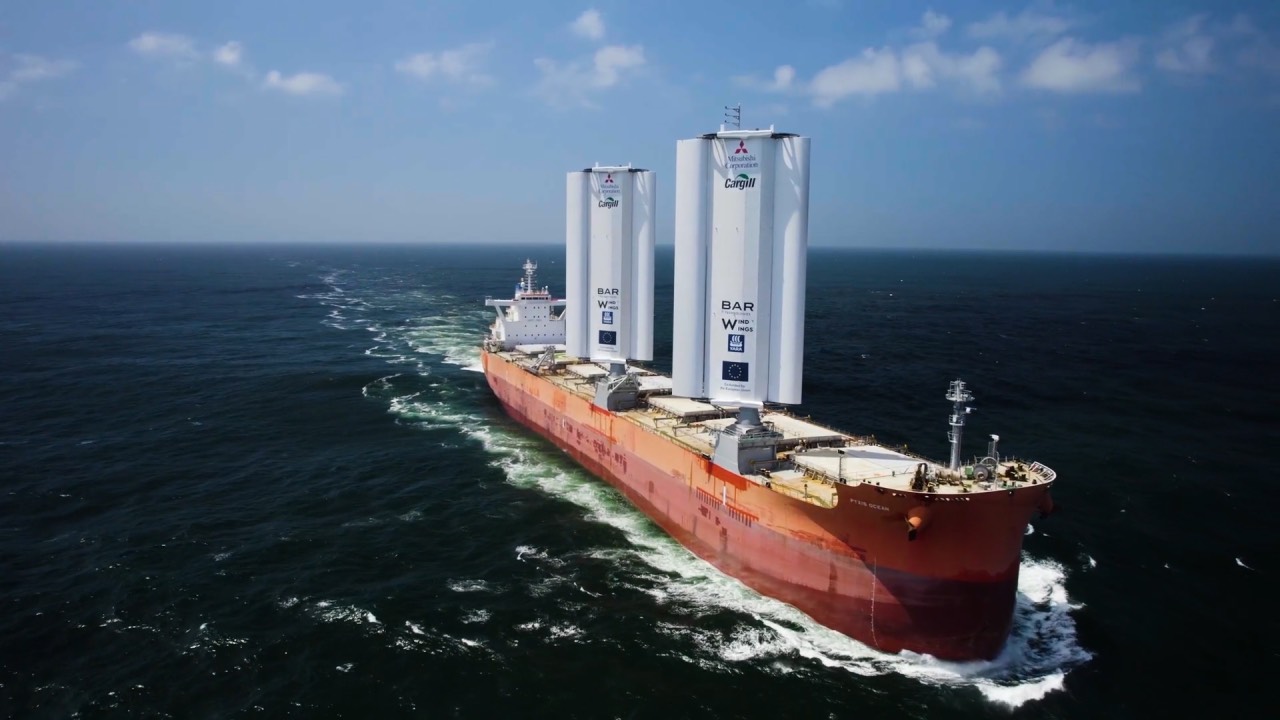
Leading the charge in wind-assisted propulsion, the Pyxis Ocean—the first dry bulk vessel equipped with BAR Technologies’ WindWings®—completed its maiden voyage in 2023. WindWings are large, rigid sails that harness wind power to reduce fuel use and emissions.
In addition to WindWings, Cargill has expanded its wind-assisted technology program to include VentoFoil vertical suction sails on the NBA Magritte and rotor sails on the TR Lady. With these three vessels the company is experimenting and learning before scaling up technical, operational and commercial aspects. These technologies further utilize wind power to decrease fuel dependency and emissions, aligning with the IMO’s target to have 5-10% of maritime energy from renewable sources by 2030.
Cargill believes that wind could make an important contribution to achieving decarbonization goals in the short, medium, and long term. Dieleman says that while the cost of fuels that could contribute to a zero-carbon future may remain high, developing, testing, and improving wind assisted propulsion technologies before these fuels are available could reduce reliance on them.
Transforming Fuels: Biofuels and Methanol-Powered Vessels
Alongside wind propulsion, Cargill is transforming fuel usage across its fleet. The company is pioneering biofuels made from renewable sources, such as fatty acid methyl esters (FAME), providing a drop-in fuel option to lower emissions without extensive engine modifications. In 2023, the company moved from trialing these fuels to frequent execution as it prepares to scale up. Nearly 172,000 metric tons of biofuel blends containing 63,000 metric tons of FAME was lifted in 2023. Cargill is also the first dry-bulk charterer to sign commercial agreements for dual-fuel methanol-powered ships, which are expected to be operational within the next two years. Methanol, a low-carbon alternative fuel, offers a scalable pathway to zero emissions. These methanol-powered vessels—the first of their kind in commercial service—highlight Cargill’s proactive approach in adopting sustainable fuel solutions to support both its own and its customers’ ambitious Scope 3 emissions reduction goals.
Harnessing Digital Solutions for Efficiency and Sustainability
Digital innovation is also central to Cargill ’s decarbonization efforts. Cargill is using advanced digital tools, including voyage optimization technologies, to create digital twins of its vessels. This enables optimal speed and route planning to reduce fuel consumption and emissions. Partnering with ZeroNorth, Cargill leverages these digital solutions to enhance operational efficiency and sustainability, reinforcing its commitment to data-driven progress toward net-zero.
Building a Sustainable Future Through Collaboration
Recognizing that decarbonizing the maritime industry requires a collaborative approach, Cargill partners across the sector to drive meaningful progress. As a founding member of the Maersk Mc-Kinney Moller Center for Zero Carbon Shipping, Cargill works with industry leaders to test and promote alternative fuels, including ammonia and methanol. Cargill is also a key player in the Sea Cargo Charter, a coalition dedicated to reducing shipping’s climate impact through transparency and shared decarbonization frameworks.
“As we continue this journey, we’re focused on solutions that don’t just improve our own operations but drive change across the industry,” added Dieleman. “Our vision is a shipping sector that delivers the goods the world needs while protecting our planet’s future. We’re proud to be part of this transformation and are committed to building a more sustainable future for global shipping.”
For additional information about Cargill’s efforts to decarbonize shipping, visit https://www.cargill.com/transportation/ocean-transportation-sustainability.
Source: BUSINESS WIRE



Related News.
Cyprus Marine Club Welcomes a Full House for Aphentrica’s War Risks Presentation
The Cyprus Marine Club marked its return after the summer break with a full house at Gazebo Mare on Tuesday, 22 September, bringing together members,…

IMO seeks feedback on Maritime Single Window implementation
The International Maritime Organization (IMO) has launched a global survey to assess the implementation and use of Maritime Single Windows (MSWs),…
World Maritime Day industry panel to examine the gap between maritime policy and the reality of life at sea
OneCare Group will bring together crewing, safety, insurance and wellbeing specialists for a World Maritime Day webinar examining how shipping can…

IUMI President – Marine insurers are war insurers
Marine insurers are at the heart of managing war risks to global shipping and must continue to develop the tools needed to support and facilitate…
Seafarer welfare is improving amongst leading companies, but five years of evidence shows this progress is far from the norm
Five years on, the Seafarers’ Rights Code of Conduct is driving more than 1,000 companies to participate in RightShip’s Crew Welfare…
The UK ETS arrives for shipping what it means for charterers
Introduction The UK Emissions Trading Scheme (UK ETS) was extended to domestic maritime activity on 1 July 2026, following the EU ETS, FuelEU…
ABP Southampton invests locally with Marine Cranes to boost capability
Associated British Ports , the UK’s largest port operator, has invested a new marine deck crane aboard Spartina, one of the Port of Southampton’s…
BIMCO Shipping Number of the Week
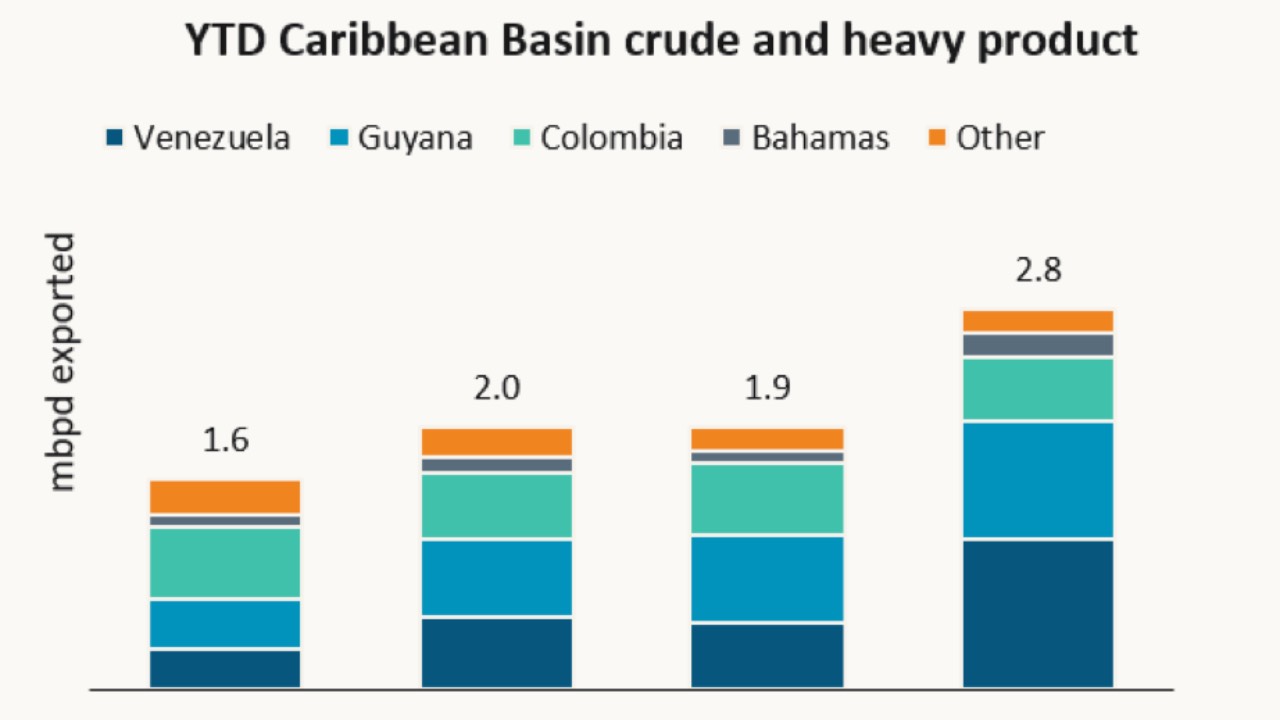
Caribbean Basin crude oil and heavy product exports jump 45% “Seaborne exports of crude oil and heavy products from the Caribbean Basin have…

xclusiv S&P Report 21th September 2026
Pls find below the [xclusiv] S&P Report 21th September 2026 [xclusiv] 2026_09_21
Marine insurance supply remains stable as geopolitical and technical changes reshape the market, says IUMI President
The global marine insurance market remains in a stable position, with premium growth strongly supported by a weak USD in hull and cargo. Meanwhile…
Subscribe to our newsletter!
if you dont want to swim alone in the ocean of news, sign up for the newsletter, and you will receive daily all the important news of world shipping!
