HD Hyundai Oilbank advances in Biofuel and Circular Economy Sectors
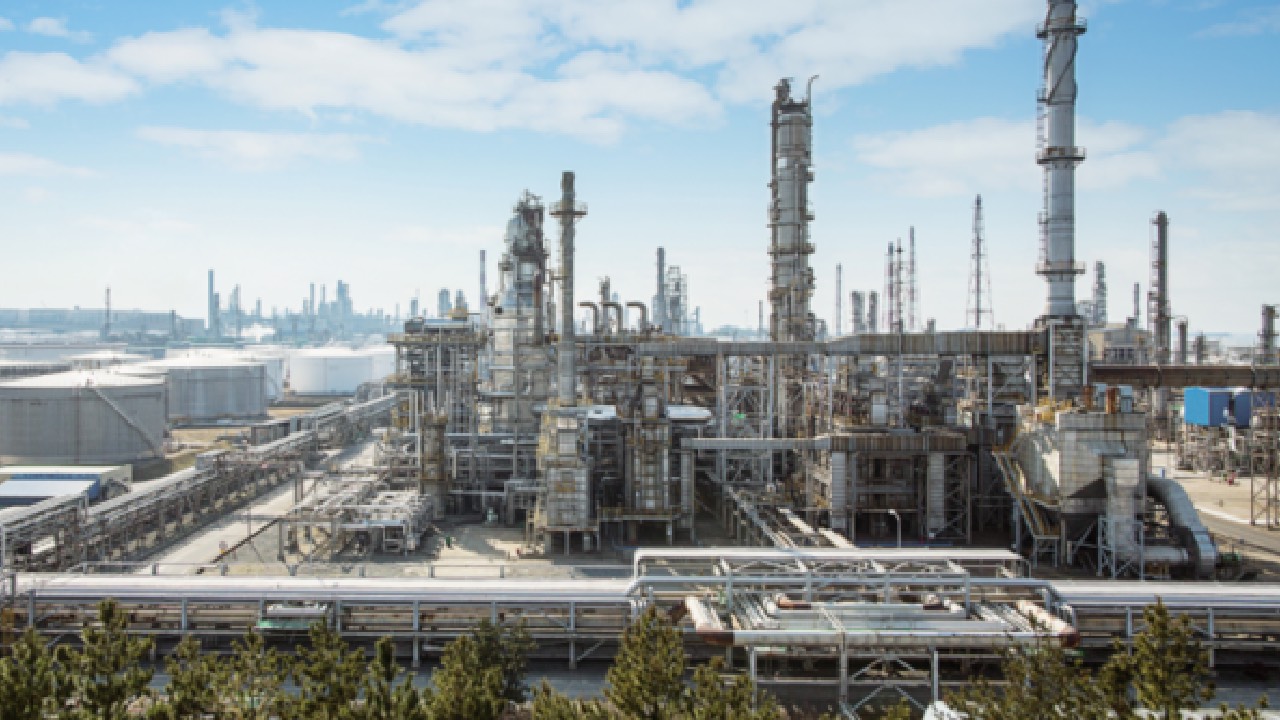

Company Pioneers Circular Naphtha from Pyrolysis Oil and Bio Naphtha from Waste Cooking Oil
In a series of groundbreaking developments, HD Hyundai Oilbank has made significant strides in the biofuel and circular economy sectors, positioning itself as a leader in sustainable energy solutions. These advancements come amid a global push for renewable energy and environmental sustainability, reflecting the company’s commitment to innovation and resource circularity.
In 2021, HD Hyundai Oilbank took a pioneering step by producing circular naphtha through the introduction of pyrolysis oil from waste plastics into its crude oil refining process. This circular naphtha was then supplied to nearby petrochemical companies, where it was transformed into new plastic products, marking a significant achievement in the circular economy.
March of this year saw another milestone when HD Hyundai Chemical, an affiliate of HD Hyundai Oilbank, became the first in South Korea to produce ISCC-certified bio naphtha using bio raw materials. This bio naphtha was derived from waste cooking oil supplied by CJ CheilJedang, showcasing the company’s ability to achieve resource circularity and reduce waste.
In April, HD Hyundai Oilbank completed the construction of South Korea’s first biodiesel plant utilizing the supercritical process. This advanced method enhances reaction rates and efficiency, allowing the company to commence the production of 130,000 tons of biodiesel annually.
June marked another first for HD Hyundai Oilbank as it became the first domestic refinery to export sustainable aviation fuel (SAF) produced through coprocessing to Japan. SAF, a biofuel designed for aircraft, is seen as a viable alternative to conventional jet fuel, significantly reducing the carbon footprint of aviation.
In July, the company continued its trailblazing efforts by exporting blended bio marine fuel using a comprehensive bonded area, demonstrating proactive engagement in the emerging transportation alternative energy industry.
The momentum continued in August when the South Korean government announced the “SAF Expansion Strategy,” laying the groundwork for a major expansion of the SAF business. HD Hyundai Oilbank is now considering the construction of a plant to produce SAF using hydrogenated vegetable oil, with a target completion date set for after 2027.
Last month, HD Hyundai OCI, another affiliate, supplied circular carbon black, produced by recycling waste tires, to Hankook Tire & Technology. This move further underscores the company’s commitment to the circular economy, which involves collecting and reprocessing waste plastics, waste lubricants, and waste tires to produce naphtha and base oil.
HD Hyundai Oilbank’s efforts are part of a broader strategy to diversify from traditional fossil fuel-based operations to include bioenergy and circular economy ventures. As a subsidiary of HD Hyundai’s energy sector, the company operates alongside four other affiliates, including HD Hyundai Chemical and HD Hyundai OCI. Through collaboration with its affiliates, HD Hyundai Oilbank has achieved significant business expansion over the past decade, overcoming challenges and setting new standards in sustainability.
“HD Hyundai Oilbank is set to significantly expand its new biofuel business,” a company representative stated, highlighting the company’s forward-looking approach and dedication to environmental stewardship.
Source: Businesskorea



Related News.
ISLAND OIL: Unveiling of the Sculpture “Cyprus’s Journey Through the Ages” in Protaras – A Tribute and Landmark to Cyprus’s Historical Memory and Cultural Heritage
In a modest ceremony marked by a moving atmosphere, the sculpture “Cyprus’s Journey Through the Ages”, created by acclaimed Cypriot sculptor…
World Maritime Day 2026 from Policy to Practice – powering Maritime Excellence
Global regulations will deliver safer, more resilient shipping when they are implemented worldwide. The international maritime community marks…

Diana Shipping announces Time Charter Contract for m/v DSI Polaris with Dai An Ocean Shipping
Diana Shipping , a global shipping company specializing in the ownership and bareboat charter-in of dry bulk vessels, announced that, through a…
Chief Economists Expect Global Economy to Stabilize, but Fiscal Constraints, Rising Living Costs and AI Investment Uncertainty Threaten Growth
The global economy is stabilizing, but the fiscal support that cushioned successive shocks since 2020 is unlikely to play the same role in the year…
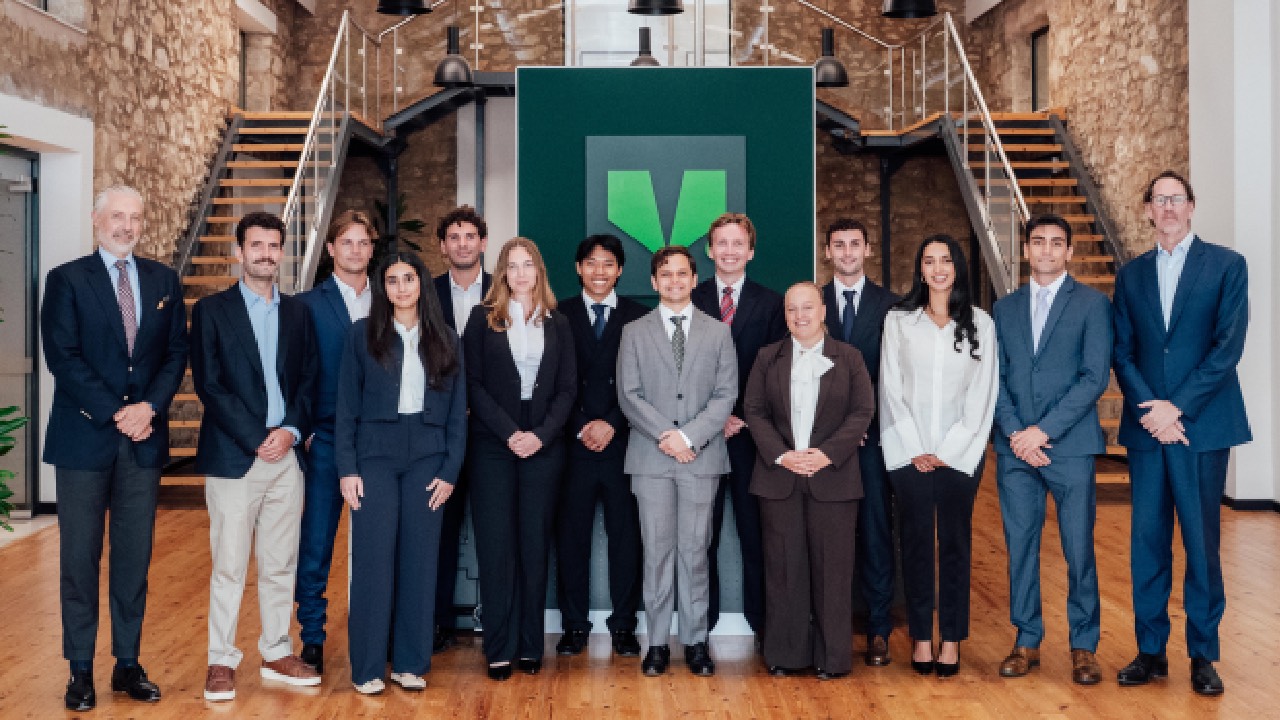
V. welcomes its new graduate cohort as programme expands across the group
Twelve graduates from nine nationalities join 11th year of V.’s expanded international management programme. V., the global ship manager and marine…

From Policy to Practice: Why Seafarers Are the Key to Maritime Excellence
The shipping industry is no stranger to regulation. Seafarers and ship operators work within a vast framework of international conventions, national…

Intermodal Report – Week 38 2026
Please find below the Intermodal market report for week 38 2026. Intermodal Report Week 38 2026 Market Insight By Nikos Tagoulis, Head of…

Allied – Weekly Market Review – Week 38
Please find below the Allied Weekly Report for Week 38 | 2026 ALLIED - Weekly Market Report- Week 38

Record year on the Northeast Passage but Arctic shipping remains very limited
In 2025, a record 103 transit voyages were made via the Northeast Passage. However, this is still equivalent to only around a day and a half of…

[xclusiv] S&P Report 21th September 2026
Please find below the [xclusiv] latest Weekly S&P Report [xclusiv] 2026_09_21 Market Commentary: VLCCs: Freight Boom Reprices the Fleet The VLCC…
Subscribe to our newsletter!
if you dont want to swim alone in the ocean of news, sign up for the newsletter, and you will receive daily all the important news of world shipping!
