The Panama Canal Celebrates 110 Years of Trust and Progress
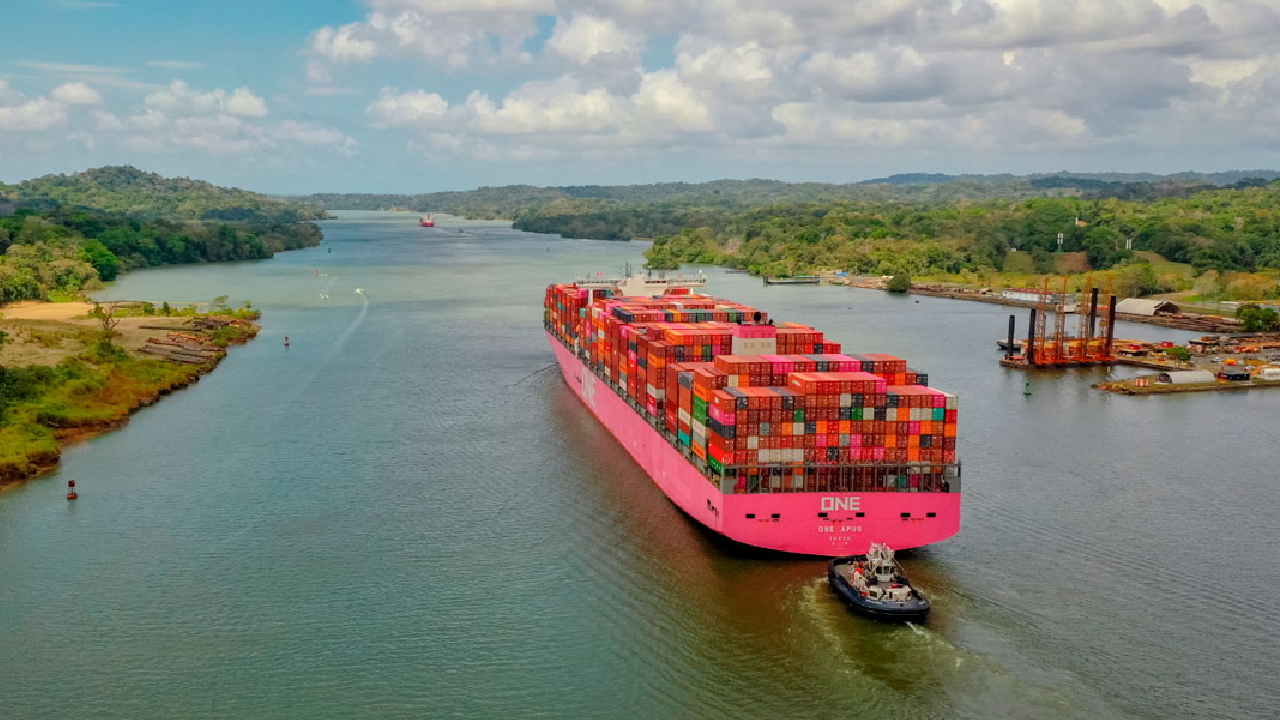

The interoceanic route celebrates its anniversary, reaffirming its commitment to Panamanians and offering its clients 50 feet of draft and 36 daily transits.
The Panama Canal commemorates 110 years of operations and reaffirms its commitment to the country by guaranteeing the availability of water to supply the population, while at the same time offering its clients 50 feet of draft for vessels and the capacity for 36 daily transits.
This year’s anniversary of the Panama Canal coincides with the historic challenge posed by the prolonged drought that the country faced earlier this year, which was the most severe since the expansion of 2016 and which affected the Gatún and Alhajuela reservoirs with levels rarely seen during the past 110 years.
Despite this challenge, the Canal, thanks to the work and dedication of its workforce, promptly implemented a hydro-operational strategy aimed at optimizing water resource savings, prioritizing, above all, water to supply more than half of the Panamanian population.
Currently, the rainy season is gradually helping the reservoirs recover to water levels more commonly expected for this time of year, while the canal remains focused on improving reliability, efficiency, and responsiveness to the changing needs of the maritime industry.
This has allowed us to announce today through an Advisory to Shipping that, starting August 15 the maximum authorized draft allowed for vessels transiting through the neopanamax locks is 50 feet (15.24 meters), based on the current and projected level of Gatun Lake for the coming weeks. Additionally, it was announced that an additional transit slot will be available for the panamax locks starting September 1, bringing the total number of daily reserved slots to 36, with a distribution of 10 slots for neopanamax vessels and 26 for panamax vessels.
Since its inauguration in 1914, the Panama Canal has taken advantage of its geographical position to serve global trade, which has been optimized by having a route that saves time, distance, and costs for maritime transport of products between different countries, especially after the expansion of its capacity in 2016.
Thus, the interoceanic route currently connects 180 maritime routes that reach 1,920 ports in 170 countries around the world, through which nearly 3% of global maritime trade passes.
Focused on Water Resource Management
The Panama Canal prioritizes guaranteeing the necessary water to supply the population and has implemented measures to confront climate change and population growth.
The recent decision of the Panama Supreme Court reinstates the validity of Law 44 of August 31, 1999, “…which approves the boundaries of the Panama Canal Watershed….,” reinforces the canal’s commitment to the care of water sources, sustainable development, and the improvement of living conditions of the communities. It is important to note that this territory has always been, and will continue to be, the property of those who occupy it, whether they have property titles or possession rights, as is the case in the rest of the watershed.
The Canal is aware that the most important task is to ensure that Panamanians have drinking water, and to this end, we are considering the construction of a multipurpose reservoir to compensate for the amount of water extracted from the canal’s reservoir system to supply the population.
According to the Panama Canal Administrator, Ricaurte Vásquez Morales, “In Panama, we have a high dependence on rainfall, and it is necessary to increase storage capacity to ensure drinking water and transit water. In the operation of the canal, including the third set of locks, we use the volume of water that was forecast for that purpose, whereas the consumption of the population increases permanently.”
The construction of a reservoir in the Indio River basin has been confirmed as the most viable option for the development of a technically endorsed project that will meet future water demands for human consumption. However, before undertaking any initiative, the needs and concerns of those living in that region must be addressed.
The Indio River reservoir is a man-made project that aims to improve the living conditions of communities while allowing us to ensure water for Panama for the next 50 years.
Maintenance is Key
One of the keys to the canal’s sustainability lies in its maintenance. The centenary locks, which saw the SS Ancon on its inaugural transit, continue to function thanks to a robust multi-year maintenance program on all its structures.
The Panama Canal fulfills its commitment to the country and its clients by carrying out rigorous preventive maintenance programs on both the locks and the Gatún, Madden, and Miraflores dams, as well as on floating and land-based equipment, and along the navigation channel. In the last five years alone, it has invested more than B/.2,000 million in maintenance.
For the fiscal year 2024 budget, more than B/.500 million have been allocated to attend to the centenary panamax locks, as well as the modern neopanamax locks.
Moreover, it conducts exhaustive evaluations of the conditions of its infrastructure, especially the oldest, to define the short, medium, and long-term maintenance needs.
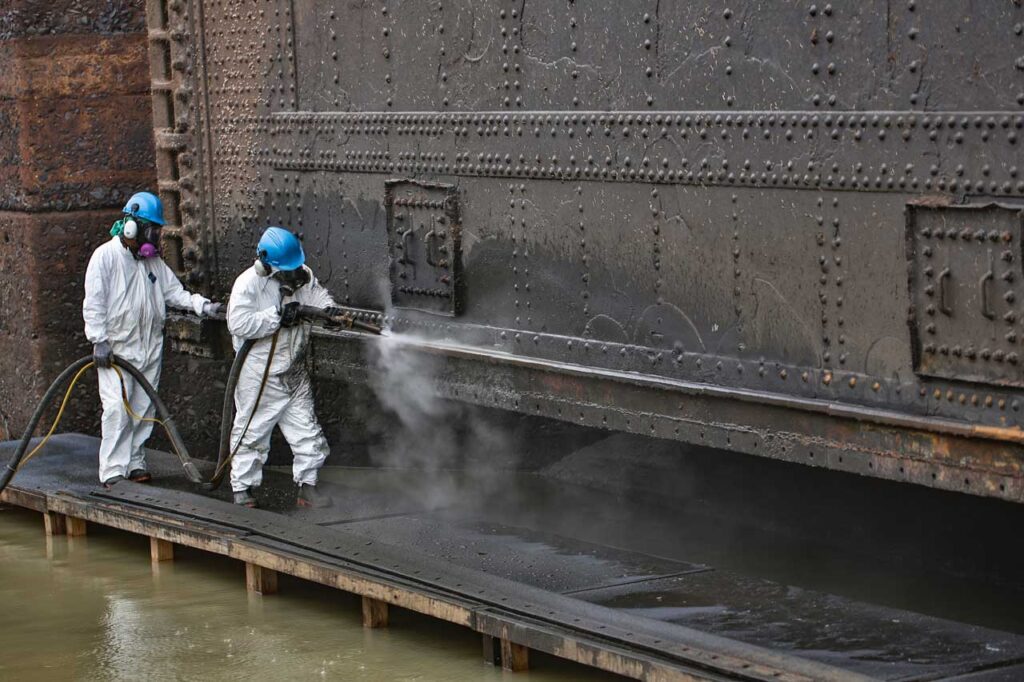
It is worth noting that the most important asset of the canal is its workforce, which, with its knowledge and experience in the administration, operation, and maintenance of the waterway, contributes daily to ensuring the canal’s sustainability and competitiveness.
Committed to the Environment and Sustainability
The Panama Canal also has an environmental responsibility to the country: the protection of the watershed to ensure the availability in volume and quality of water for human consumption and its operation.
The recent ruling of the Supreme Court of Justice of Panama (la Corte Suprema de Justicia de Panamá) reinstated the validity of Law 44 of 1999, which expands the boundaries of the Watershed to include 552,000 additional hectares, compared to the 300,000 that were managed before the ruling.
Additionally, over the past 25 years, while in Panamanian hands, the canal has developed a responsible model for the management, maintenance, and human administration of the watershed under its responsibility.
A crucial aspect of this management is the human development that the watershed communities have experienced. The canal’s model allows for the management of this territory by integrating the various factors present in the watershed, with the support of producers and community organizations.
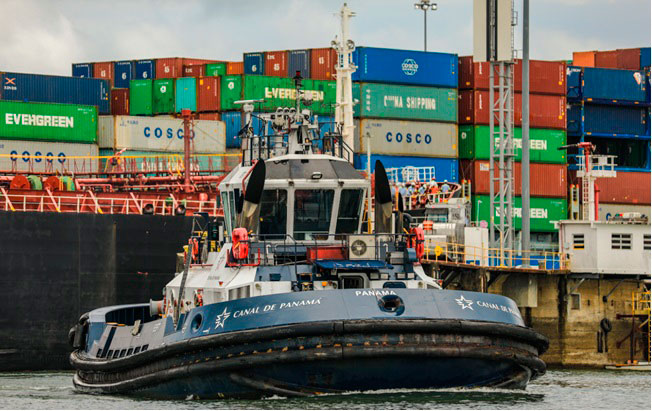
Thus, the Panama Canal celebrates 110 years of operation, and the date allows for reflection on its future, the challenges ahead, and the need for us, as a country, to work together on continuous improvements that will enable us to ensure the sustainability of the route for the benefit of global trade and all Panamanians.
Source: Pamana Canal Authority



Related News.
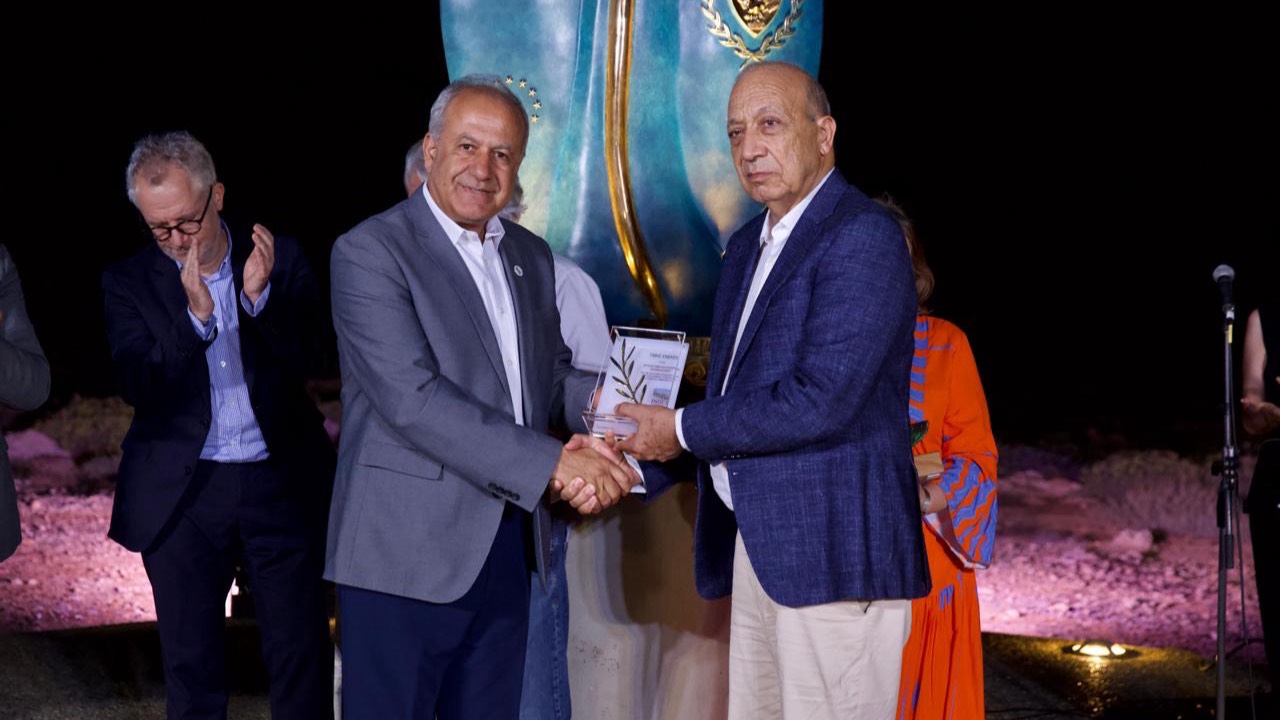
ISLAND OIL: Unveiling of the Sculpture “Cyprus’s Journey Through the Ages” in Protaras – A Tribute and Landmark to Cyprus’s Historical Memory and Cultural Heritage
In a modest ceremony marked by a moving atmosphere, the sculpture “Cyprus’s Journey Through the Ages”, created by acclaimed Cypriot sculptor…
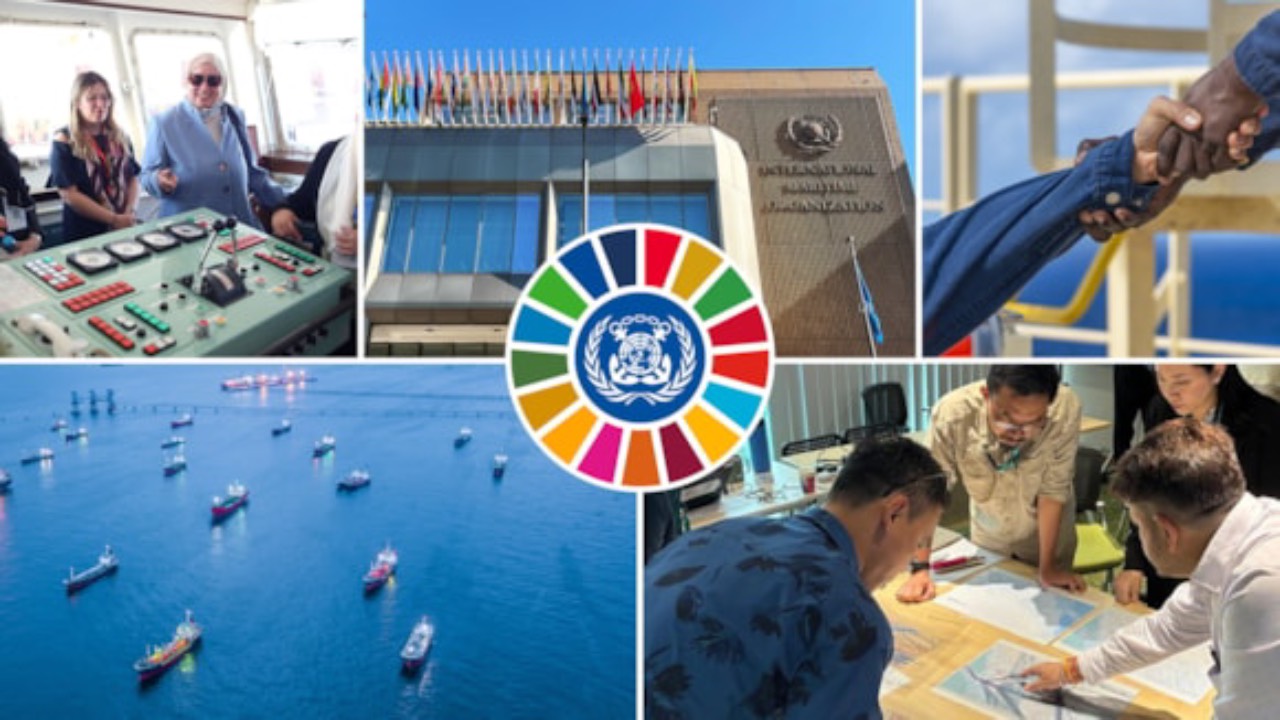
World Maritime Day 2026 from Policy to Practice – powering Maritime Excellence
Global regulations will deliver safer, more resilient shipping when they are implemented worldwide. The international maritime community marks…

Diana Shipping announces Time Charter Contract for m/v DSI Polaris with Dai An Ocean Shipping
Diana Shipping , a global shipping company specializing in the ownership and bareboat charter-in of dry bulk vessels, announced that, through a…
Chief Economists Expect Global Economy to Stabilize, but Fiscal Constraints, Rising Living Costs and AI Investment Uncertainty Threaten Growth
The global economy is stabilizing, but the fiscal support that cushioned successive shocks since 2020 is unlikely to play the same role in the year…
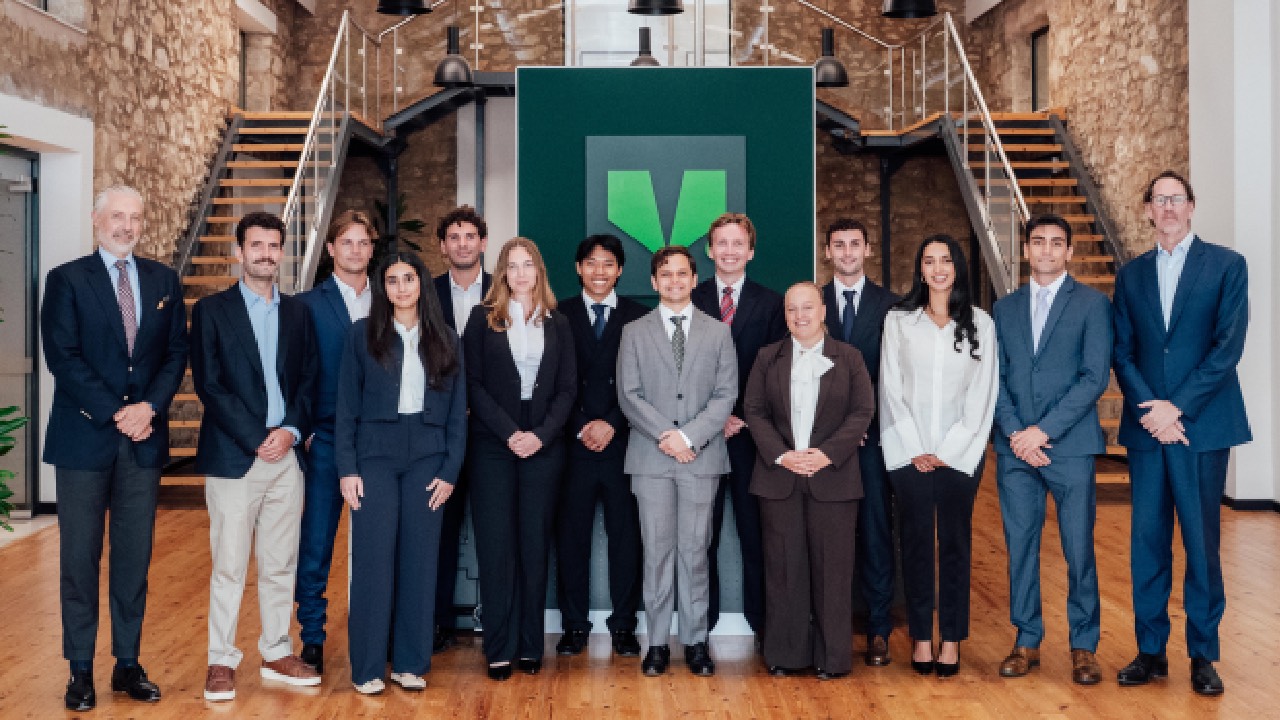
V. welcomes its new graduate cohort as programme expands across the group
Twelve graduates from nine nationalities join 11th year of V.’s expanded international management programme. V., the global ship manager and marine…
From Policy to Practice: Why Seafarers Are the Key to Maritime Excellence
The shipping industry is no stranger to regulation. Seafarers and ship operators work within a vast framework of international conventions, national…

Intermodal Report – Week 38 2026
Please find below the Intermodal market report for week 38 2026. Intermodal Report Week 38 2026 Market Insight By Nikos Tagoulis, Head of…

Allied – Weekly Market Review – Week 38
Please find below the Allied Weekly Report for Week 38 | 2026 ALLIED - Weekly Market Report- Week 38

Record year on the Northeast Passage but Arctic shipping remains very limited
In 2025, a record 103 transit voyages were made via the Northeast Passage. However, this is still equivalent to only around a day and a half of…

[xclusiv] S&P Report 21th September 2026
Please find below the [xclusiv] latest Weekly S&P Report [xclusiv] 2026_09_21 Market Commentary: VLCCs: Freight Boom Reprices the Fleet The VLCC…
Subscribe to our newsletter!
if you dont want to swim alone in the ocean of news, sign up for the newsletter, and you will receive daily all the important news of world shipping!
