

Interview between Adonis Violaris – CSN and Anne-Marie Neocleous, Executive Secretary – Schoeller Holdings
You entered the Cyprus shipping sector, specifically in Shipmanagement, back in 1972 – working alongside one of the innovators of and strongest advocates for the Cyprus Shipping Flag, Heinrich Schoeller. You were also the very first woman employed in ship management. What does this incredible achievement mean for you?
Of course, there is a huge element of personal pride to having been part of this incredible organisation from day one and to see just what Mr. Schoeller has accomplished – not just for the Cypriot shipping sector but also the wider society in which we have worked all these years.
Even back then, being registered and located in Cyprus provided a young company like ours with huge benefits, like its perfect location for international trade, favourable tax rates, a solid banking and legal system and highly skilled people to work with – which is still very much the case today.
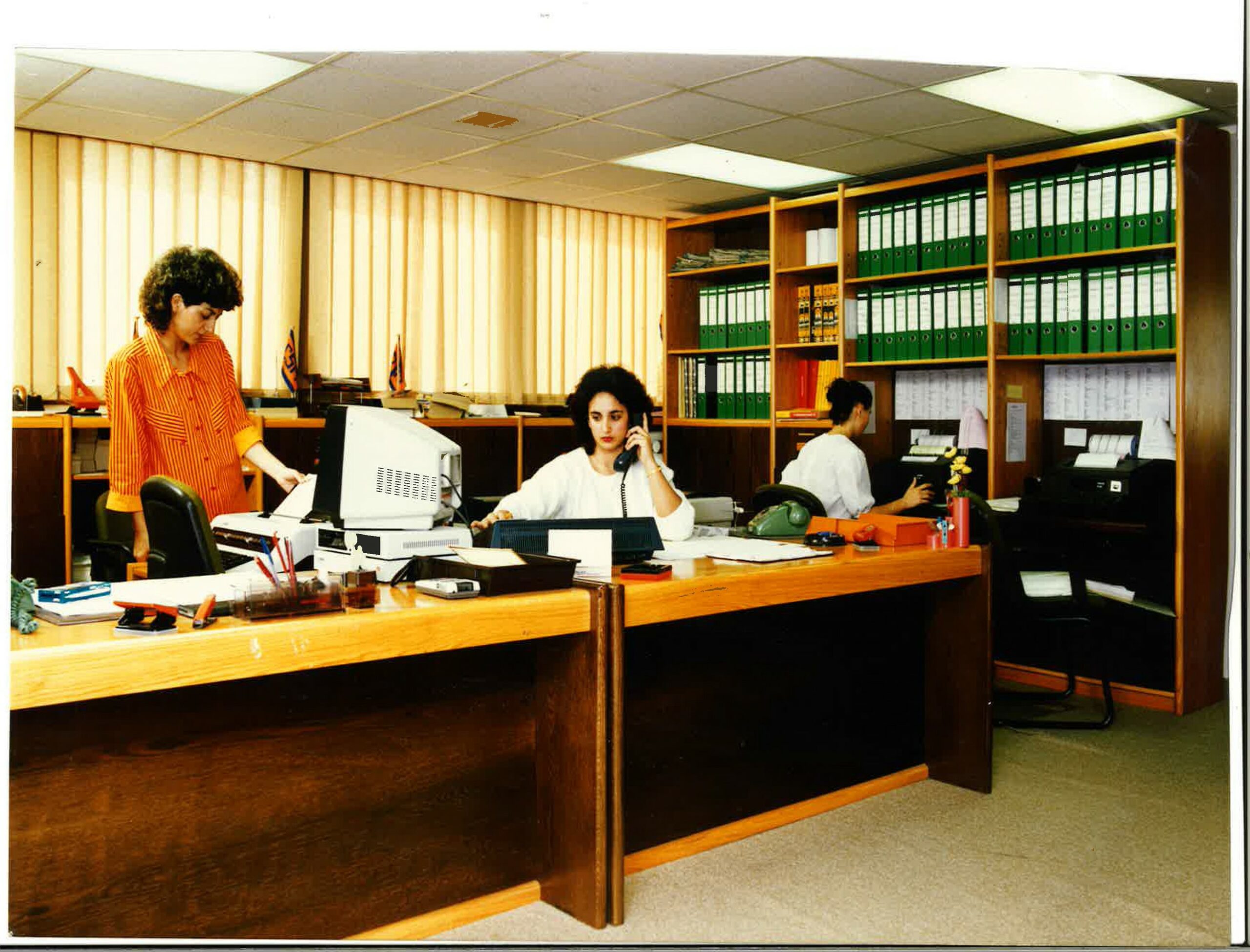
Thinking back to the very start, when Hanseatic Shipmanagement comprised of just a few employees in rented office space overlooking Limassol’s old port – a mixture of Cypriot and German nationals working through language, cultural and administrative barriers – brings back vivid and very enjoyable memories. It sounds like a cliche, but every day was an adventure, and there was never a dull moment. I feel extremely privileged to have been at the forefront of the industry’s evolution in Cyprus.
Back in 1972, 876 ships sailed under the Cyprus Flag and the industry was still in its infancy. What did your Company do back then, how many people did you work with and what were your duties?
In 1972, I was still a teenager, having moved with my parents to Cyprus from Dublin, Ireland, after 7 years in the UK, where I completed my studies in Business Administration. So, when I was offered the chance of a secretarial job for Mr. Schoeller – one that would embrace my English language and business administration skills – I jumped at the chance.
Earlier that year, Mr. Schoeller had been dispatched to Cyprus by a consortium of German ship owners facing a global shipping crisis. They planned to address international crewing challenges by establishing the island’s first ship management company. This venture marked the genesis of a transformative journey for Cyprus’ maritime sector.
At the time, we mostly provided crew management services to international shipowners, as opposed to full management, which would come later. Being such a small office, we did whatever we could to support each other and so aside from my administrational work, I happily took on whatever additional duties I was called upon to handle.
One of the biggest obstacles in Cyprus in the early seventies was dealing with extremely slow and protracted governmental bureaucracy and lack of awareness and appreciation of what ship management even was, let alone its potential. Late nights and working weekends were the norm, and we spent more time in the office than in our own homes.
There was also a lack of established local laws governing foreign investment. Collaborating with experts such as Chrysses Demetriades and Thiseas Metaxas, numerous meetings were held with the Cyprus Ministry of Transport to advocate for the establishment of foreign investment law, a process that proved lengthy and challenging.
Back then, ship management and shipping in Cyprus were also not taken so seriously by other countries and for many of those early years we had issues with the International Transport Workers’ Federation (ITF) who considered the Cyprus flag as a flag of convenience. This all changed gradually due to the excellent work and commitment of shipping and ship management companies here on the island.

The Turkish invasion of 1974 impacted the lives of everyone on the island, and of course hard-hit its industries including the local merchant shipping sector. What do you remember of working during this time and how did you and the company pull yourselves through?
In July 1974, the local Cypriot coup d’état was quickly followed by the Turkish invasion of northern Cyprus, and this sent the whole country spiralling. With bombs and mortars falling around Limassol’s commercial districts, many employees fled to the hills for safety, whilst others were drafted into the army. My family remained in Limassol, and so I continued to work as normal in a practically empty office, helping to keep the company’s operations going.
Most people are aware of Mr. Schoeller’s strategic acumen and visionary leadership that have helped to position Cyprus as a hub for maritime excellence. In 1974, during the invasion, he was so much more. I remember two particular stories amongst many that highlight his perseverance and courage.
There were many times during the early period of the invasion when the office had absolutely no electricity, with power-cuts a frequent occurrence. However, that did not stop Mr. Schoeller, who somehow managed to find a small diesel-powered generator that he then arranged to be installed on the roof of our office – making us one of the few buildings that could operate during extended power cuts across the town. Our neighbours were so impressed, and extremely thankful when Mr. Schoeller assisted those who had urgent need of power during electricity blackouts.
In August 1974, Famagusta was also firmly in Turkish military hands, with borders and heavily armed checkpoints surrounding it. Prior to the invasion, it was also the island’s most important commercial port and home to the ‘Cyprus Ship Registry’ – a comprehensive catalogue of the 1,000+ ships registered under the Cyprus flag, crucial to not only the operations of the Cyprus flag, but its international credibility. Mr. Schoeller did not want the registry either destroyed, or to fall into the wrong hands.
Armed with only a tank full of fuel and multiple packs of cigarettes to be used to aid transition through Turkish checkpoints, he decided to personally find the Registry and return it to the Republic. He drove from Limassol to Famagusta under the threat of capture and prosecution and managed to not only locate the registry hidden in the old shipping administration building but bring it home safely. This selfless act was critical in preserving vital records at the time, without which Cyprus would have lacked any documentation of its flag fleet.
We collectively powered through this incredibly hard period and the rest is history. When people ask me why Schoeller Holdings’ companies have been so successful over the years, I think back to these moments of passion, courage and determination and see those same characteristics in every company we have set-up since and every team that is in place to manage and operate those entities.
Working alongside Heinrich Schoeller over five decades, how has this relationship influenced your professional journey?
Working with someone for 52 years, you gain a unique insight into their character and what they are capable of. Mr. Schoeller’s passion for his work, the businesses he has established, and his people is unerring, and he is still involved in every facet of the Organisation. Schoeller Holdings (which is majority shareholder of such important global companies as Columbia Shipmanagement and AAL Shipping amongst others) is stronger than ever.
Today, Schoeller Holdings’ diverse companies are involved in ship management, commercial ship owning and operating, liner and project services, aircraft and yacht chartering, digital solutions development, hospitality and horticulture, and employs 17,000 people worldwide. The work of these companies has not only benefitted the industries they serve, but their local communities too – something we are all very proud of.
Can you tell us a little about the very first office Columbia started in?
In 1978, Columbia Shipmanagement Ltd. was being formally registered in Cyprus along with Schoeller Holdings Ltd. Governmental bureaucracy relating to Company registrations and formalities involved with building of our first office was a slow and painful process, so we used my house as a temporary office from May to September of that year. All administration for the company was carried out there, as well as the organisation and preparation of our first premises in Themis Court, Limassol.
We arranged crew rotations and often spoke to Captains and Officers using my home phone at all hours of the day or night, arranging travel and signing on/off our ships. Our very first office employees were interviewed at the house and office equipment comprised an electric typewriter and a telephone.
When we finally received our official registration certificate, Columbia Shipmanagement was ‘born’ and we moved into our newly built premises at Themis Court, Evagoras Papachristoforou Street, Limassol, September of that year.
In the following years, seeing the success of Columbia Shipmanagement, many other international shipping and ship management companies established their own operations in Cyprus, which greatly increased the fledgling shipping industry and the use of the Cyprus Registry.
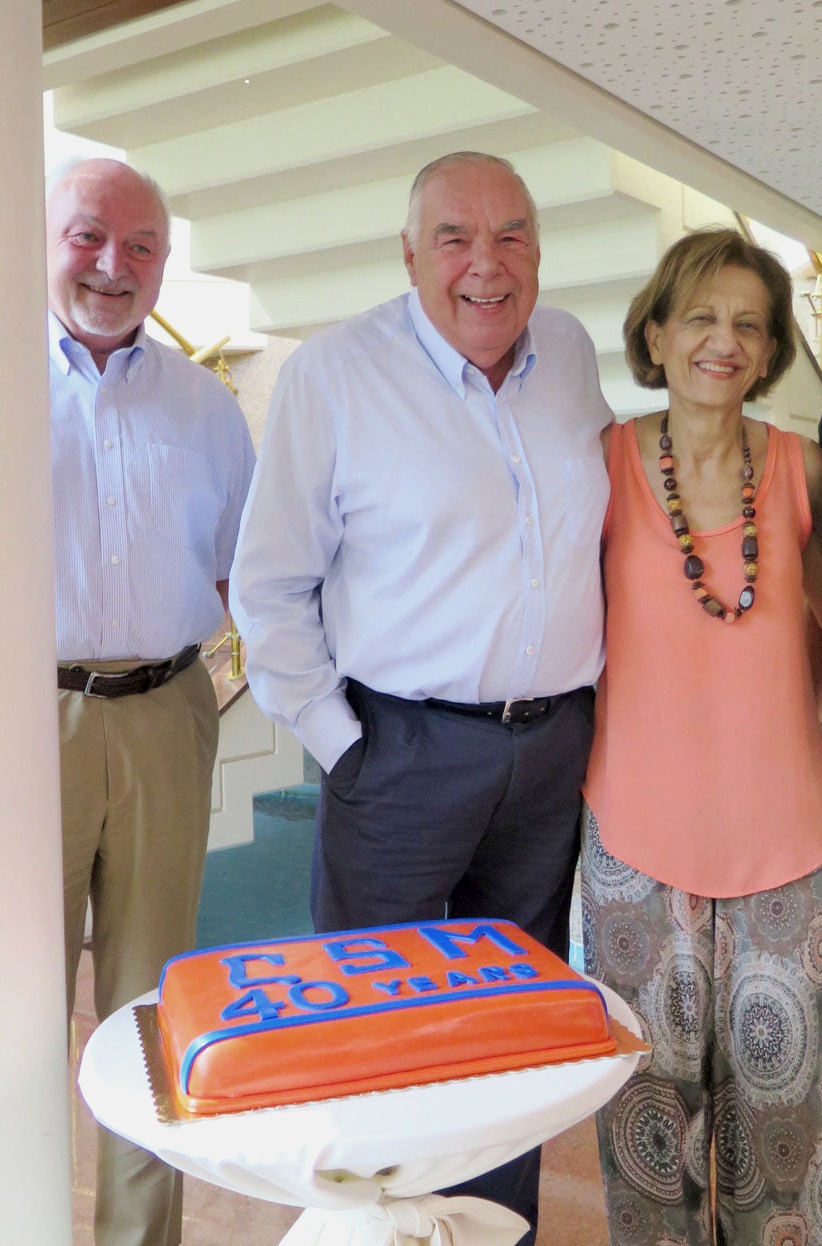
As Mr Schoeller was travelling extensively to and from Hamburg, Dirk Fry was employed in 1980 as Managing Director to direct the day-to-day business of the Limassol office and its workforce of over 35 people. I also became Mr Fry’s Executive Secretary and was additionally involved in Marketing, HR for our foreign employees and the management of the company’s events and other projects.
What have been the most significant milestones and challenges that you’ve experienced during your career?
There have been so many memorable moments over the years, but several are extremely vivid. By 1978, we only had 3 vessels under management. We therefore spent many days and nights preparing detailed tenders for new clients around the world, encouraging them to consider an up-and-coming ship management company in Cyprus over other more well-established service providers. Every time we won one of those tenders it gave us an incredible feeling of accomplishment and, with each ship we signed-up, our confidence grew. It was a very special time and little did we know that one day we would have a total of 400 vessels under management, eight ship management offices, 14 crewing agencies and 17,000 employees worldwide.
Another particularly memorable time was moving into Columbia’s newly built premises in 1987, the very same offices that we are headquartered in today. It was such an important milestone for the group, finally laying down our roots and having a place to call home in the heart of Limassol. We had so many phone calls at the time, from random people either congratulating us on the design of the building itself – which was very modern and sleek for the standards of the day – but also recognising the commitment it represented to Cyprus and contribution to the local economy. When we moved in, we had grown to 350 employees which in those days was huge for a private company.
I will also not forget flying to Shanghai in April 1990 to attend the naming ceremony of Columbia’s first-ever newbuilding project, the ‘M/V Cape Finisterre’. Up to that point I had not really travelled that much with the Company, so to be part of this historic moment for Columbia and in such a wonderful and exciting city as Shanghai is something I will always cherish. What we could not have known at the time, was that the building of the ‘Cape Finisterre’ would inspire another 180 newbuilding projects for the company in the future – an incredible achievement.
As far as challenges are concerned, there were of course many – those we all typically face and deal with, in our daily working lives – but nothing so significant that I ever felt held back or hampered. However, I will admit that many times, when Mr. Schoeller was out of the office, I’d pull out a small radio from my desk drawer and listen to tunes on BFBS. I don’t think he ever knew about that – but obviously will now after reading this article!
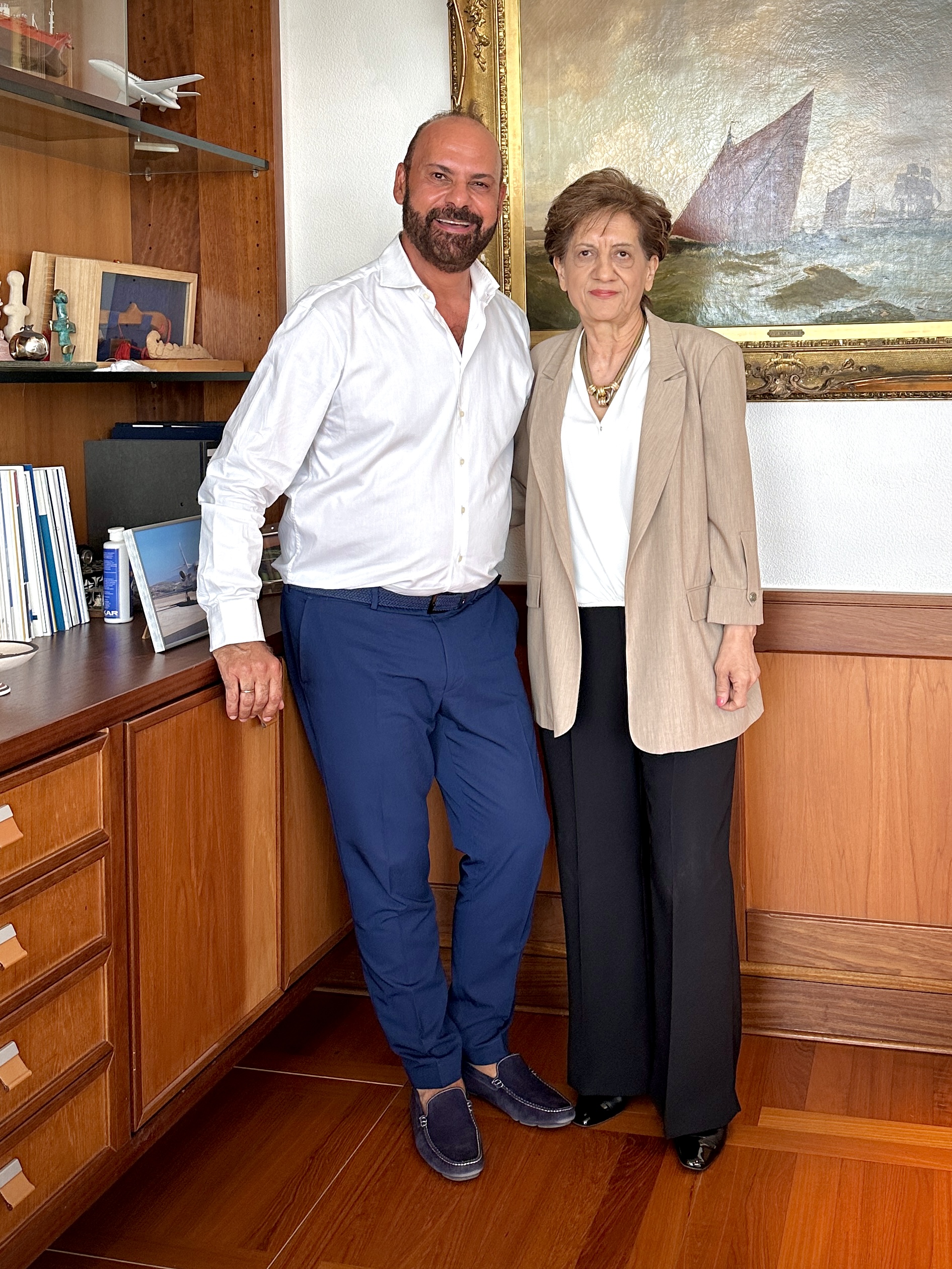
The representation of women in shipping has grown significantly – across the whole fabric of the industry. How does this make you feel?
When I started in ship management, gender diversity was not a word that was frequently used in the global shipping sector. Today, just over 40 percent of the workforce within our shipping-related businesses comprises of women and the Group provides good opportunities for them at every level which is something we take extremely seriously. It gives me huge pride to witness this change in our industry, and I encourage women no matter what their educational backgrounds to consider a possible career in shipping.
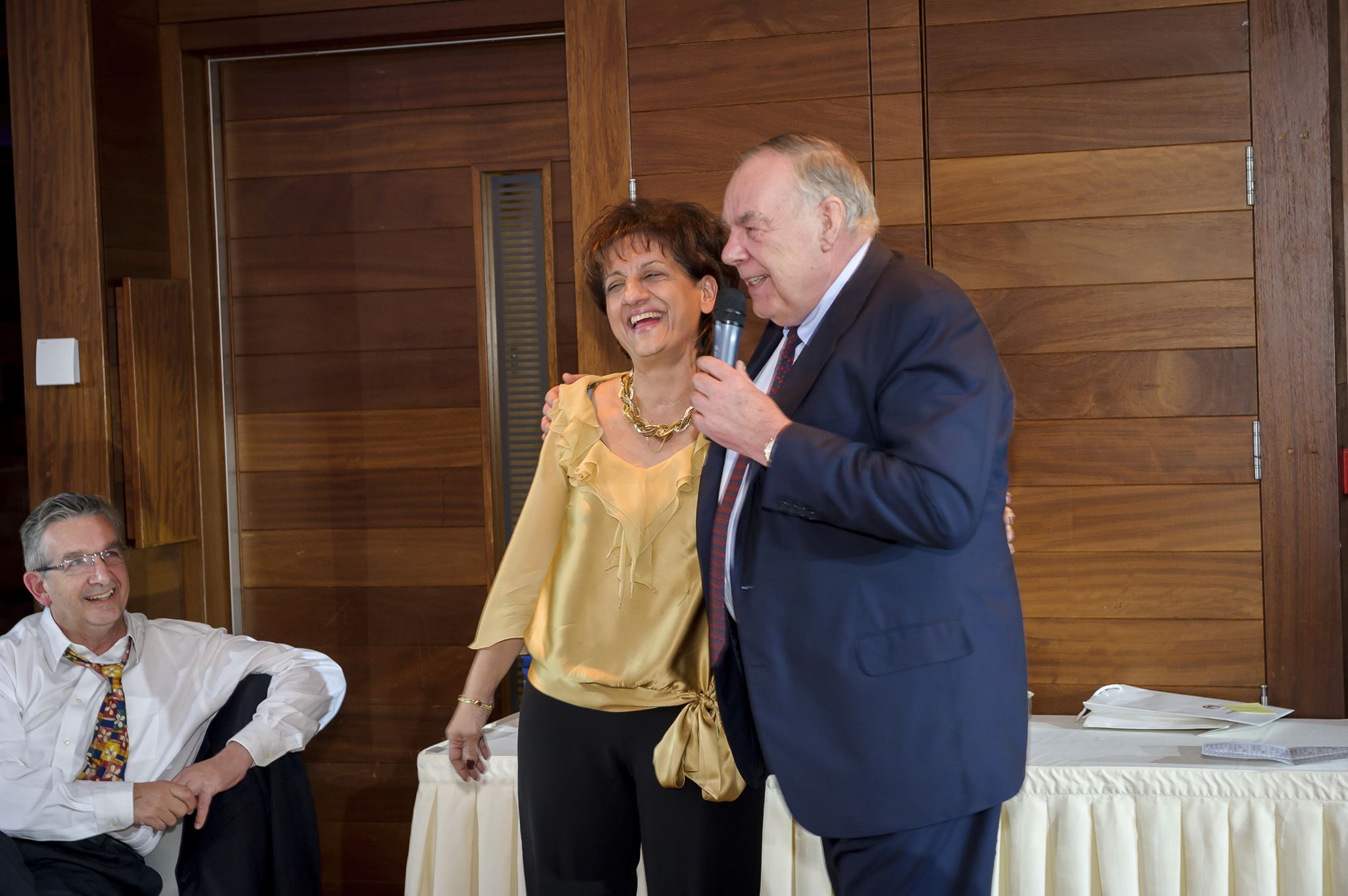
With a career that spans over five decades already under your belt, what are your plans for the future?
I am still working part-time at Schoeller Holdings and enjoy it immensely – the interaction I have with my colleagues and the ability to add value to projects I work on. As long as I can be of service, that suits me just fine. My spare time is filled by my granddaughter and the rest of the family and, of course, still listening to music.











Related News.
Register Now for the CSN London Maritime Forum “Shipping: Predicting an Unpredictable Future”, 13 October – Two Weeks Left
“Shipping: Predicting an Unpredictable Future” REGISTER HERE Date: 13 September 2026 Time: 09:00-16:00 Venue: Marriott Hotel Regent's Park Following…
Working visit of the Shipping Deputy Minister of Cyprus to Brussels
The Shipping Deputy Minister to the President, Ms. Marina Hadjimanolis, departed on Monday, 28 September 2026, for Brussels, following an official…
Navigating the S-100 Transition: Real-World Trials and the Future of Digital Navigation
As the maritime industry prepares for the implementation of the S-100 data standard, the shift from traditional Electronic Navigational Charts (S-57)…

Electronic evidence is transforming maritime casualty investigations, says The Nautical Institute
New edition of Guidelines for Collecting Maritime Evidence Volume 2 addresses electronic records, AI, digital reconstruction and the changing…

Xeneta freight rates set to climb in early October
“For the high-flying spot rates from Far East to US East and West Coasts, we may just begin to see the end of that rising trend as we get into the…
A new gateway to Turkey – Stolthaven Terminals and Rönesans Holding on the DAPEK Ceyhan Terminal
Stolthaven Terminals and Rönesans Holding are building a new chemical and industrial terminal at Ceyhan, on Turkey’s Mediterranean coast. The…
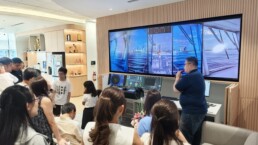
KME & KMSM Family Day 2026 held in Singapore
Promoting Business Understanding and Employee Engagement Through Interaction Between Employees and Their Families K LINE MARINE & ENERGY a…
Maritime Coastguard Agency celebrates World Maritime Day 2026
Transport Secretary Heidi Alexander has written to the International Maritime Organization on World Maritime Day. On Thursday 24 September,…
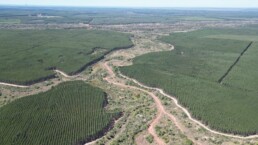
Paracel Carbon Forestry Project verifies first carbon removal credits
Paracel, a large-scale carbon removals project in Paraguay backed by Trafigura, has verified its first carbon removal credits, totalling over 190,000…

When the Levee Breaks
The weakest June for Chinese crude imports in a decade did not cost a single barrel of throughput. Imports fell 41.3% on the year, runs held above…
Subscribe to our newsletter!
if you dont want to swim alone in the ocean of news, sign up for the newsletter, and you will receive daily all the important news of world shipping!
