New fuel restrictions for ships in Arctic fall short, green groups say
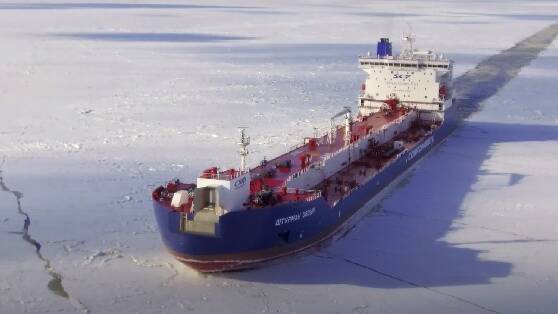

Ships sailing through Arctic waters will no longer be able to use or carry heavy bunker fuel oil under a United Nations shipping agency regulation which took effect on Monday.
Yet environmental groups say the ban does not go far enough in geographic scope or addressing dirty black carbon emissions from ships, which can darken white ice and speed up the melting wrought by climate change.
The ban, adopted in 2021 by the UN’s International Maritime Organization (IMO), aims to prevent heavy fuel oil (HFO) spills which could have a devastating impact on the Arctic’s sensitive environment and species, including walrus, polar bears, and beluga whales.
“Shipping in the Arctic continues to increase – both in terms of numbers of ships and also the length of time ships are sailing in the Arctic,” said Sian Prior, lead advisor of the Clean Arctic Alliance which comprises 20 environmental groups.
As climate change opens up the region, the Arctic is at heightened risk of a spill.
Although the ban begins on July 1, it will only come into full force in 2029 after a number of exemptions expire. But some Arctic coastal countries told Reuters they intend to take more immediate action.
Heavy fuel oil is a tar-like residual waste from the oil refining process that is about 30% cheaper than alternatives.
It is thicker than other fuels, making it difficult to clean up in the event of a spill.
WAIVERS AND ADOPTION
The regulation will result in the prohibition of nearly a third of HFO carried and 16 percent of HFO used in Arctic waters as of July 1, 2024, compared with the 2019 Arctic fleet, according to a 2020 analysis by the non-profit International Council on Clean Transportation.
That is because it grants a temporary exemption to ships built since 2017 that have protected fuel tanks which lessen the likelihood of a spill.
LNG tankers, bulk carriers and cargo vessels generally use the most HFO in operations.
The regulation also allows Arctic coastal nations to grant waivers to ships flying the flag of the nation while operating in sovereign waters, until 2029.
More than half of the 2019 Arctic fleet would meet the standards to receive a waiver, the analysis found.
Five Arctic coastal nations are able to issue waivers due to their geography.
Canada’s transportation ministry told Reuters it would issue waivers to domestically flagged vessels involved in providing food and fuel supplies to Arctic communities until July 1, 2026.
Any waiver decision would be made public, a government spokesperson said, noting Canada had not yet received any applications.
Norway already has the Svalbard Environmental Protection Act which bans HFO.
Earlier this month, an Irish shipping company was fined 1 million NOK ($94,000) for sailing through Svalbard’s waters with HFO on board.
Denmark’s Ministry of the Environment did not respond to a request for comment on whether it would issue waivers for the waters around Greenland.
The United States did not immediately respond to a request for comment.
Finland has also not yet adopted the regulation, but a government spokesperson told Reuters it aimed to do so later this year.
RUSSIA’S POSITION UNCLEAR
It remains unclear when Russia, responsible for more than half of the Arctic coastline, will implement the ban.
Russia would need to approve amendments to a maritime convention on pollution before the regulations could enter into force, Russia’s mission to the IMO said in an October 2022 submission.
The country’s transport ministry did not respond to a request for comment.
Russia’s state-owned shipping group Sovcomflot “will be guided by the decisions of both international and national maritime authorities and comply with them”, the company said.
The impact of Western sanctions is also likely to weigh on compliance with the new HFO regulations, shipping industry sources said.
Enforcement of the IMO’s stringent use of high sulphur fuel oil globally, introduced in 2020, has been impacted by delayed implementation of the same regulations in Russia, as well as increasing non-compliance by the so-called shadow fleet of tankers transporting oil from countries hit by sanctions including Russia, Iran and Venezuela.
Source: Reuters reported by Gloria Dickie and Jonathan Saul in London additional reporting by Ali Withers, Stine Jacobsen in Copenhagen and Gleb Stolyarov in Russia and edited by Christina Fincher



Related News.
Global Flag State Ranking 2026 who is up, who is down
Lorrendraaier publishes Global Flag State Ranking 2026: 148 flags measured on objective data, Singapore leads, Pakistan falls 35 places, the Dutch…
Will Germany have enough gas this winter?
As of mid-September 2026, Germany had stored just about 141 terawatt-hours of gas, accounting for around 57% of the country’s total storage…

Record diesel prices put US policy options in focus
Record-high diesel prices and tight inventories have put US exports under scrutiny, but keeping more barrels at home may offer only temporary…

IUMI elects Sean M. Dalton as President and says farewell to Frédéric Denèfle
The International Union of Marine Insurance (IUMI) has elected Sean M. Dalton as its new President. The election took place today at a meeting of the…
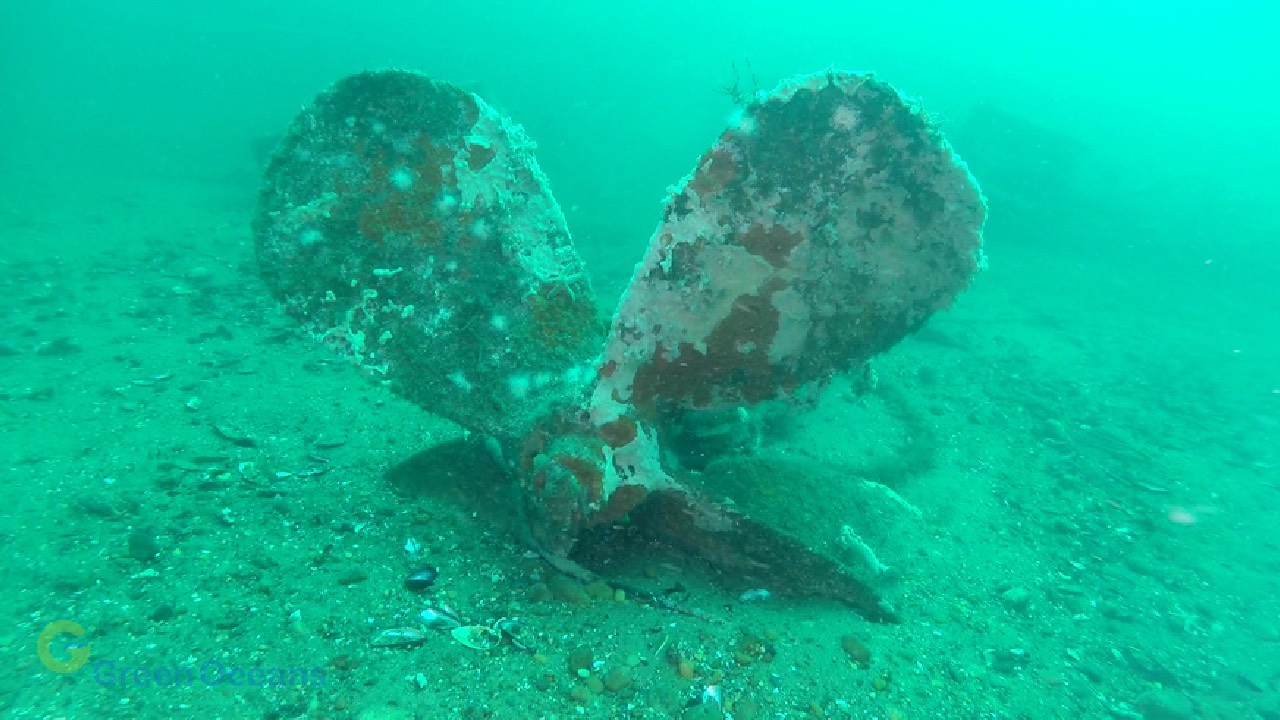
F/V MISTRESS Shipwreck ‘Lost’ Near Block Island Located After Seven Years
Green Oceans’ Underwater Investigation Reveals a Shipwreck Presumed to be the F/V Mistress found at the Base of Block Island Turbine #1 - Asks…
OCEAN at 50 celebrating a proud past and Maritime Future
OCEAN, the European sub-committee of ISSA, celebrated half a century of service to Europe’s ship supply sector with a landmark anniversary conference…

DORIC MONTHLY BRAZIL BAROMETER SEPTEMBER 2026
Pls find below the DORIC MONTHLY - BRAZIL BAROMETER SEPTEMBER 2026 BRAZIL_BAROMETER_SEPTEMBER_2026

Steel flows face fresh challenges in the final quarter of 2026
Steel flows slip into negative growth in July 2026 Global steel flows fall 1% y/y in July 2026 to reach 22.2 Mt. China’s share of global steel…

Insurance must shift “from repair to prevention”, says IUMI
Marine insurers will need to place greater emphasis on loss prevention as risks become more complex and costly to insure, according to Pascal Dubois,…

BIMCO’s Container Shipping Market Overview & Outlook September 2026 is out
Container Shipping Market Overview & Outlook Supply pressure is mounting "Disruptions and strong growth in head-haul trades continue to support…
Subscribe to our newsletter!
if you dont want to swim alone in the ocean of news, sign up for the newsletter, and you will receive daily all the important news of world shipping!
