

On 1 June 2024, Lloyd’s Salvage Branch published a rebranded Lloyds Open Form (LOF) 2024. In summary, the changes provide for a “fast track” resolution process, greater transparency with the publication of awards and a requirement for reporting on Environmental, Social and Governance (ESG) data. There is renewed optimism that this will generate support for LOF to refresh a well-known salvage system and encourage further investment in the salvage sector to ensure the safety, efficiency, and sustainability of maritime trade.
The revised LOF comes after a 3-year consultation period, designed to rectify some of the perceived grounds for concern the industry has had about the use of LOF. There should be no delay in mobilising response to any maritime casualty, but decisions on how to respond can vary, and a ‘one size fits all’ approach may be misconceived. Gard as a Lead H&M insurer and P&I Club endorses the use of LOF 2024 in the right circumstances by our members and clients. The new LOF is further supported by the International Union of Marine Insurers (IUMI), the Admiralty Solicitors Group (ASG), the International Chamber of Shipping (ICS) and the International Group of P&I Clubs (IG).
An opinion piece in Lloyd’s List on 31 May 2024 described LOF as being ‘on life support’. It suggested the changes were inadequate and implicitly criticised the insurance market for occasioning such decline, presumably by bearing down on costs or in failing to reward salvors who maintain assets available for emergency response. This reaction is disappointing as it fails to recognise the organic decline in the number of major casualties and the necessity for transparency in all casualty response. It also makes no attempt to seek to rebuild the trust necessary for LOF to prosper. A code of practice on salvage contracts was also proposed by IUMI in 2023, but other stakeholders resisted, even though the aim of the code was to foster transparency and foreseeability, and ultimately, trust.
The reduction in use of LOF has been the subject of longstanding concern within the International Salvage Union (ISU), who incidentally only picked up 50% of all LOFs last year. This is a natural response to the gradual erosion of a market that consists primarily of large and complex casualties at sea. For society at large, the reduction in casualties can only be seen as positive, but the flip side is that with less money being invested in salvage resources, there has been a steady decline in the scope and availability of such resources over the past three decades. We then have to ask ourselves whether this is acceptable or whether national legislatures need to step in and ensure adequate protection of their seafarers and coastlines. LOF awards cannot and should not finance the entire salvage response industry on their own. Insurers both can and should play a role in this, but it should also be in the national authorities’ interest to maintain a certain level of protection.
The Lloyd’s Market Association has recently published a proposed clause to encourage consultation between owners and hull insurers. Such a collaborative process already exists as part of the Scandinavian claims lead philosophy and has not proved to be a ground for delays in mobilisation. Incidentally, in jurisdictions where emergency response is pre-agreed or prescribed, such as the US, this clause will have limited effect. The Scandinavian market retains excellent relationships with a number of salvors and tug operators they trust. They fully appreciate those tug owners and operators that are willing to extricate themselves from existing contractual commitments to come to the aid of a casualty. We are not averse to LOF and appreciate that it is often the best contractual option for fires, serious groundings and other scenarios where a substantial emergency response is required. What we have been more sceptical about has been the level of awards directed at purported salvors who maintain only limited or zero assets and who make only very limited long-term investments in the industry.
As a proactive claims handling organisation, with 24/7 emergency response lines and offices worldwide, Gard prides itself on prudent overreaction and support. Maritime emergency response has evolved since the time of the 1989 Salvage Convention, as vessel tracking data, weather monitoring, and AIS access to towage options are widely available. Gard has also evolved accordingly, learning by experience and applying that knowledge to our client and member base. From a P&I perspective, speed of emergency response improves crew safety and lessens the risk of pollution and wreck removal. SCOPIC can still be invoked to ensure the salvor receives a reward should the salved vessel and cargo values be too low to provide a salvor with an incentive. From a Hull and Machinery insurer’s perspective, a proactive and rapid response from owners, insurers and salvors will almost always result in economically favourable outcomes, whether on LOF terms or the other commercial contracts available in the market.
Source: Gard



Related News.
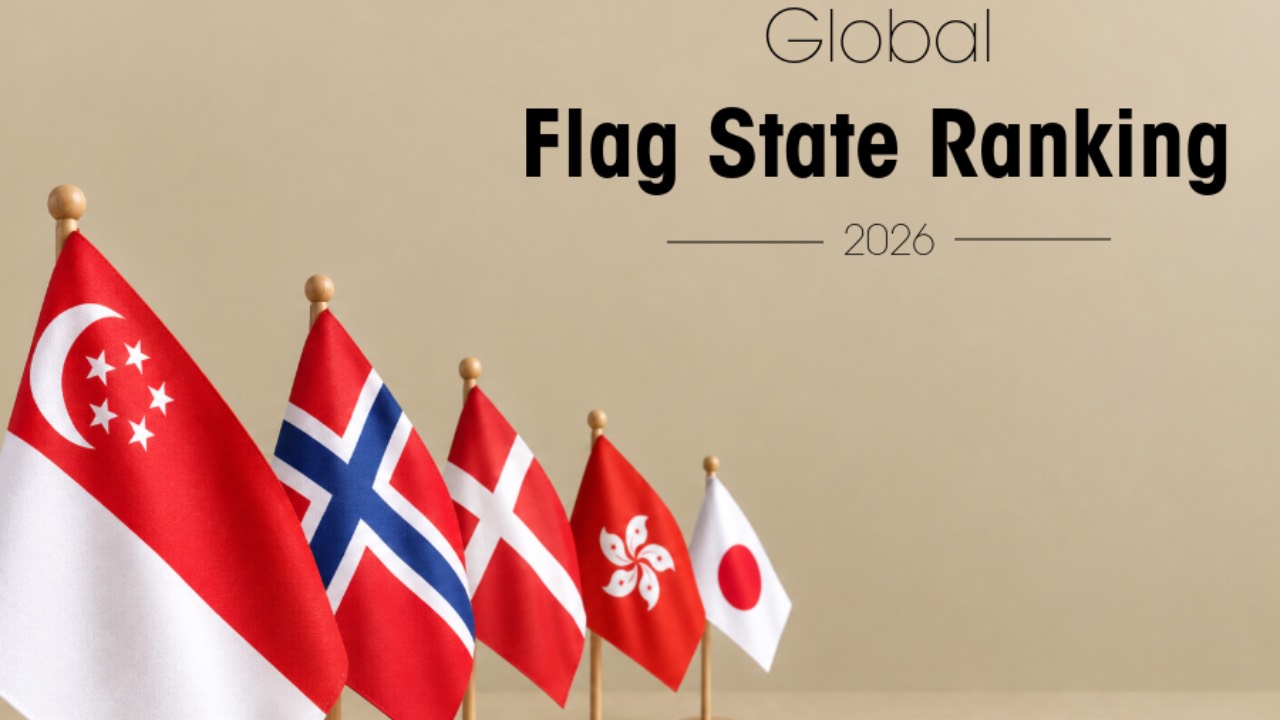
Global Flag State Ranking 2026 who is up, who is down
Lorrendraaier publishes Global Flag State Ranking 2026: 148 flags measured on objective data, Singapore leads, Pakistan falls 35 places, the Dutch…
Will Germany have enough gas this winter?
As of mid-September 2026, Germany had stored just about 141 terawatt-hours of gas, accounting for around 57% of the country’s total storage…

Record diesel prices put US policy options in focus
Record-high diesel prices and tight inventories have put US exports under scrutiny, but keeping more barrels at home may offer only temporary…
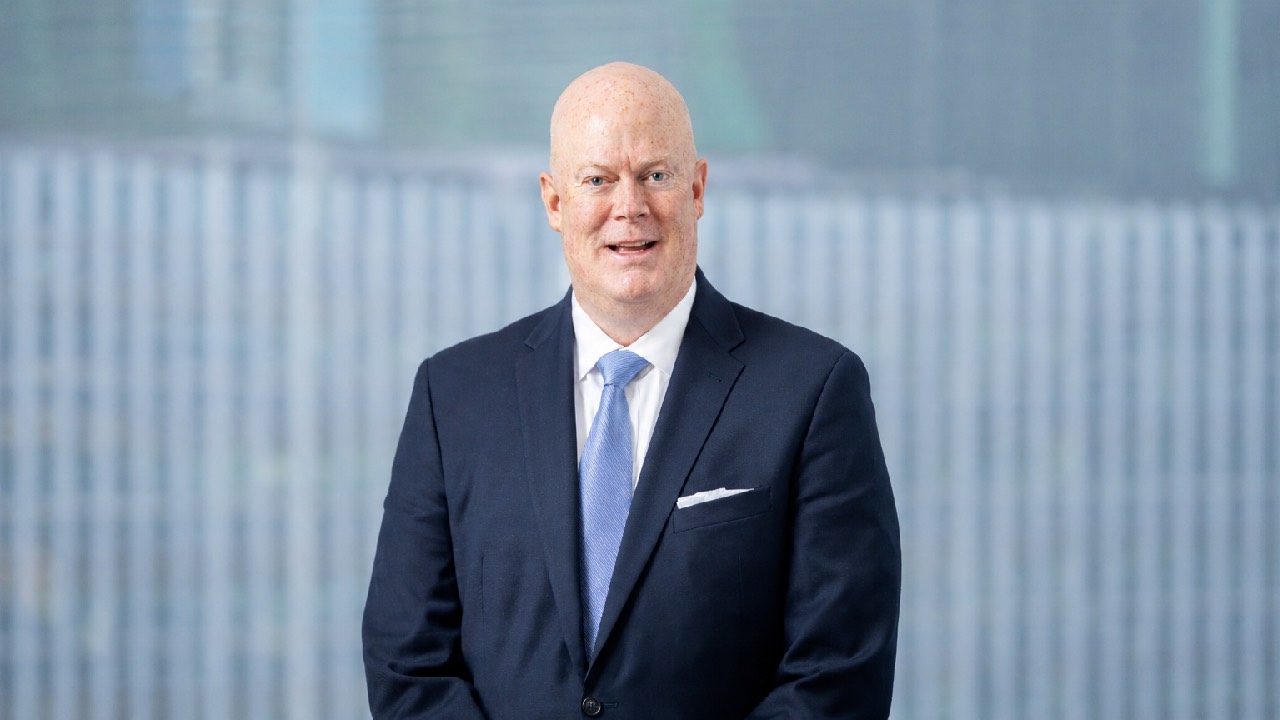
IUMI elects Sean M. Dalton as President and says farewell to Frédéric Denèfle
The International Union of Marine Insurance (IUMI) has elected Sean M. Dalton as its new President. The election took place today at a meeting of the…
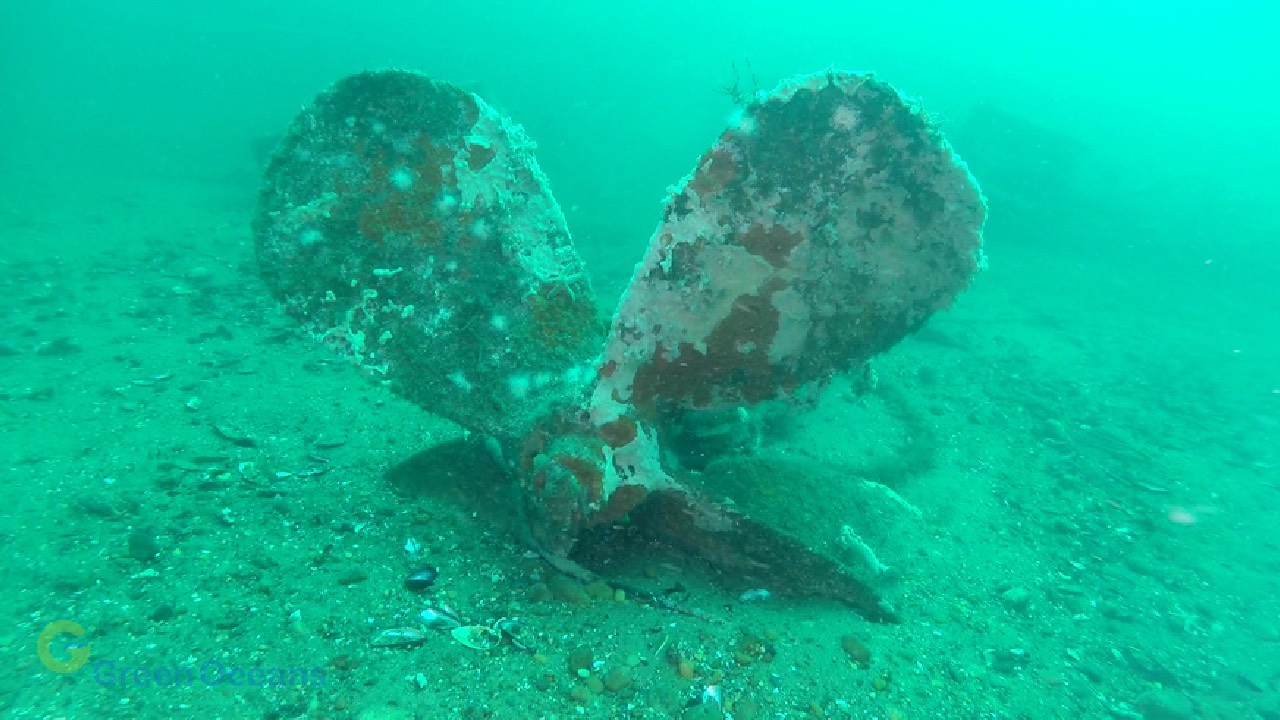
F/V MISTRESS Shipwreck ‘Lost’ Near Block Island Located After Seven Years
Green Oceans’ Underwater Investigation Reveals a Shipwreck Presumed to be the F/V Mistress found at the Base of Block Island Turbine #1 - Asks…
OCEAN at 50 celebrating a proud past and Maritime Future
OCEAN, the European sub-committee of ISSA, celebrated half a century of service to Europe’s ship supply sector with a landmark anniversary conference…

DORIC MONTHLY BRAZIL BAROMETER SEPTEMBER 2026
Pls find below the DORIC MONTHLY - BRAZIL BAROMETER SEPTEMBER 2026 BRAZIL_BAROMETER_SEPTEMBER_2026

Steel flows face fresh challenges in the final quarter of 2026
Steel flows slip into negative growth in July 2026 Global steel flows fall 1% y/y in July 2026 to reach 22.2 Mt. China’s share of global steel…

Insurance must shift “from repair to prevention”, says IUMI
Marine insurers will need to place greater emphasis on loss prevention as risks become more complex and costly to insure, according to Pascal Dubois,…

BIMCO’s Container Shipping Market Overview & Outlook September 2026 is out
Container Shipping Market Overview & Outlook Supply pressure is mounting "Disruptions and strong growth in head-haul trades continue to support…
Subscribe to our newsletter!
if you dont want to swim alone in the ocean of news, sign up for the newsletter, and you will receive daily all the important news of world shipping!
