How technology unlocked the permian basin’s potential
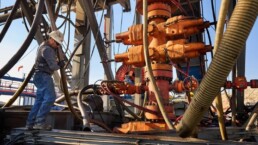

Nicole Champenoy recalls assessing the Permian Basin’s potential about a decade ago, when the oil and gas industry was facing a years-long challenge.
Vast amounts of oil remained beneath the surface, but figuring out a way to release it was proving difficult. The oil was trapped in dense rock, and technologies at the time weren’t sophisticated enough to recover it economically.
“It was a bit of a tease,” said Champenoy, shale and tight asset class director at Chevron. “We knew the oil was there, but the industry didn’t know how to get it out of the ground.”

The use of hydraulic fracturing and horizontal drilling have helped the Permian Basin become one of the world’s leading oil production sites.
innovation to the rescue
Advancements in technology helped teams like Champenoy’s overcome obstacles and transform production in the Permian Basin. These innovative techniques included:
- Horizontal drilling, which involves drilling down through thousands of feet of ground, before switching directions and moving sideways to reach the targeted oil reserve.
- Hydraulic fracturing, which involves injecting fluids into the underground rock at pressures high enough to create fractures. This opens pathways in the rock that allow oil and gas to flow.
The combination of these techniques turned the Permian Basin, which had been declining for more than 30 years, into one of the world’s most prolific sites.
Nicole champenoy shale and tight asset class director

Nicole Champenoy, shale and tight asset class director, said Chevron’s factory model for shale and tight development is important due to the sheer volume of wells it must process.
the modern way
Today, Chevron embraces a factory approach to drilling wells in the Permian Basin. This approach has proven to be consistent, repeatable and fast.
Chevron drills a series of horizontal wells in a single well pad and completes them using hydraulic fracturing. This model:
- Helps prioritize the most promising opportunities.
- Lowers drilling costs, cuts the time from start of drilling to first production and increases the number of wells that each rig drills.
- Has tripled the pace of Chevron’s drilling program.
On the safety front, Chevron aims to prevent fatalities, serious injuries and illnesses across our operations.



Related News.

Crewing After 2026: How AI Will Take Over the Routine in 2027
The crewing market of late 2026 is not the market of 2025. Artificial intelligence has moved from presentations into daily crewing work, while the…

Dualog launches secure maritime AI service amid surge in seafarer AI use
The new service, Sparks lets crew and shore teams search company emails, documents and conversations without exposing sensitive fleet information to…

Time Ticking: Two weeks for Governments to Green-Light Framework for Cutting Shipping Emissions
As a crucial fortnight of meetings opens at the International Maritime Organization opens in London, the Clean Shipping Coalition calls on member…

“K” LINE signs contract for construction of two LPG dual-fuel VLGCs
Kawasaki Kisen Kaisha, announces today that it has signed agreements with South Korea-based HD Hyundai Samho regarding the construction of two LPG…

Equinor and VNG sign 18-year gas sales agreement for supplies to Germany
Equinor will supply natural gas to the German energy company VNG until the end of 2044. The 18-year agreement is the longest gas sales agreement…

Open letter to MEPs to reject the motion for a resolution and support the inclusion of Indian ship recycling yards on the European List
Dear Members of the European Parliament, Ahead of this week’s plenary vote, European Shipowners | ECSA, BIMCO, the Cruise Lines International…

ShipVet appoints James Stairmand as Chief Executive Officer
Founder Captain Fintan Cullen moves to a non-executive role as the company builds on investment in its vetting team and technology. ShipVet, the…

USD ≈7bn lost per year the hidden cost of how shipping trades
New Torvald Klaveness study quantifies around USD 7bn a year in potentially avoidable costs in dry bulk and product tanker shipping, with a possible…

APM Terminals Maasvlakte II and Port of Rotterdam Authority take next step in terminal development
APM Terminals Maasvlakte II and the Port of Rotterdam Authority are moving forward in terminal’s development with preparations for a new phase of…

ABP inspiring the next generation
ABP host 500 young people to explore maritime and transport careers More than 500 young people from across Hampshire and the Solent explored career…
Subscribe to our newsletter!
if you dont want to swim alone in the ocean of news, sign up for the newsletter, and you will receive daily all the important news of world shipping!
