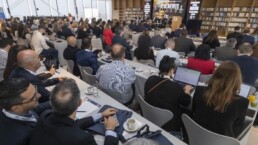

ABOUT THE CONFERENCES
The primary objective of the conferences was to acquire practical insights from prominent authorities, explore the latest industry innovations, and establish connections within the global crewing community—all within a singular event. The fundamental component of the conferences involved an in-depth examination of a rigorously researched program comprising interactive industry presentations and panel discussions.
At the conferences, attendees were afforded a distinctive opportunity to glean insights from distinguished speakers on a diverse array of topics. This experience provided them with invaluable perspectives on the current market landscape and forthcoming developments.
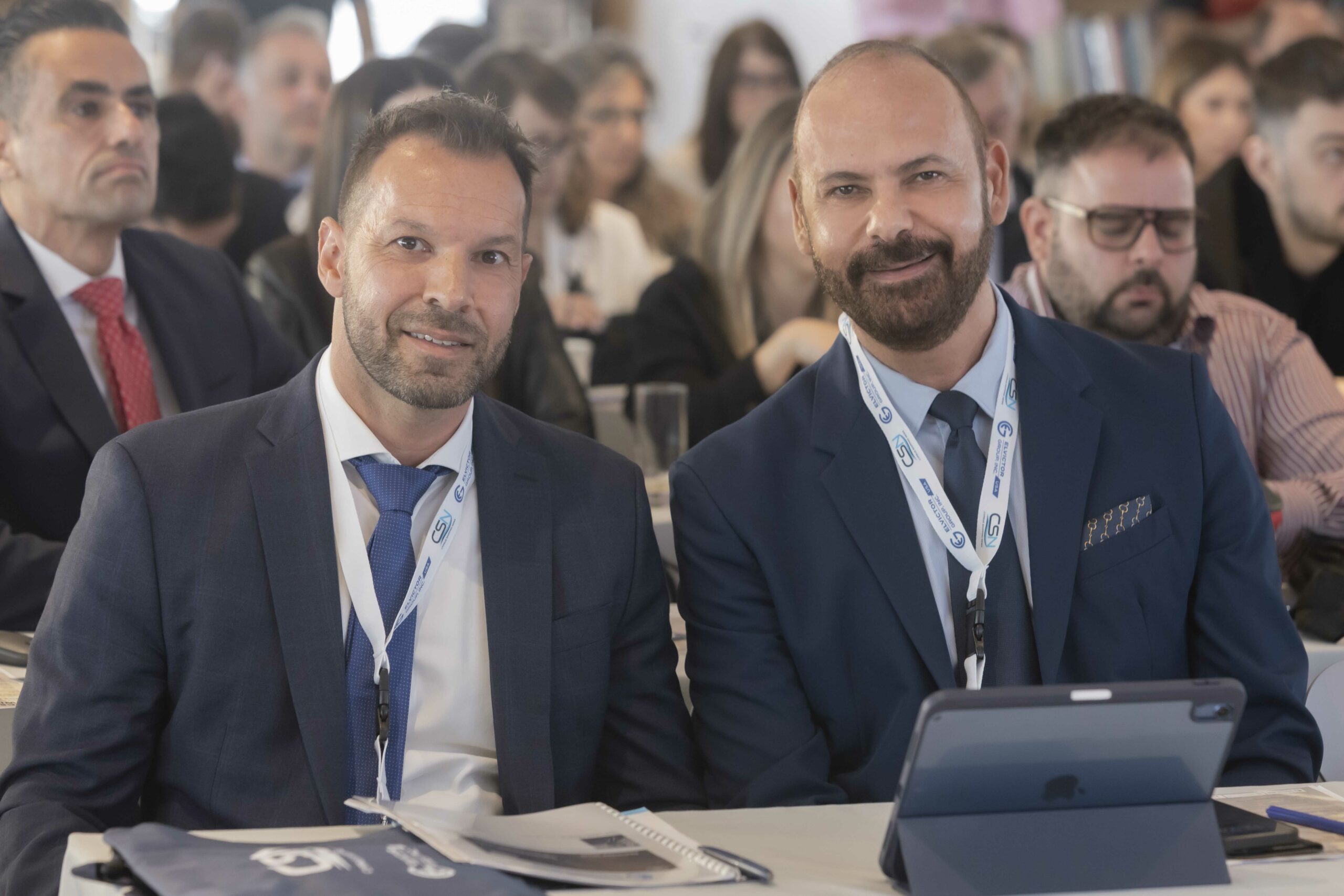
The Differentiation
The primary objective of the CSN conferences is to facilitate the transfer of knowledge and expertise from the panellists to the broader public. This involves the assimilation of a wide range of directly and indirectly connected concepts and best practices. The overarching aim is to cultivate enhanced cognitive processes, recalibrate priorities, and foster proactive behaviours among the participants who are committed to advancing their daily routines.
The Chairman brought a “wind of change.”
The selection of the Chairman for a conference is a crucial task, as this individual, possessing distinct skills and attributes, plays a significant role alongside the conference owners and organizers. It was imperative to identify the most suitable candidate for this position.

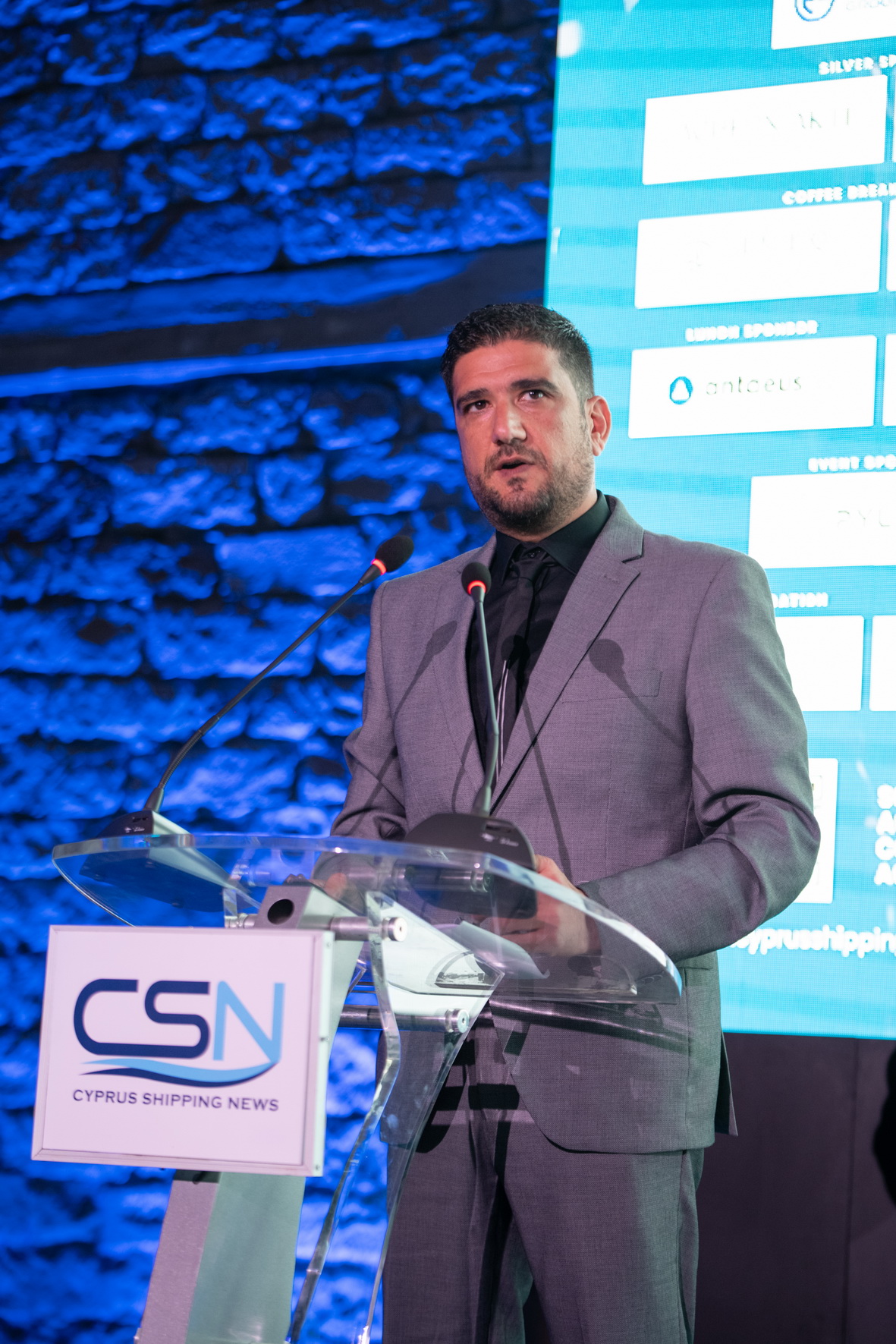
Konstantinos S Galanakis of ELVICTOR GROUP INC. Crew Managers held the position of Chairman for both conferences and garnered high praise from attendees on the CSN App review. This level of commendation surpassed that of any past conferences of any kind and theme.
Selection
He was selected based on his extensive expertise in crewing and crew management. He is the only individual to have cultivated and shared knowledge through his blog on LinkedIn, effectively integrating timeless and contemporary management models and procedures and applying them to crewing and crew management. This unique approach fills a void in the existing literature and offers a comprehensive analysis of the crew sector, addressing pragmatism, genuine facts, and the paradoxes within the industry in a distinct manner.
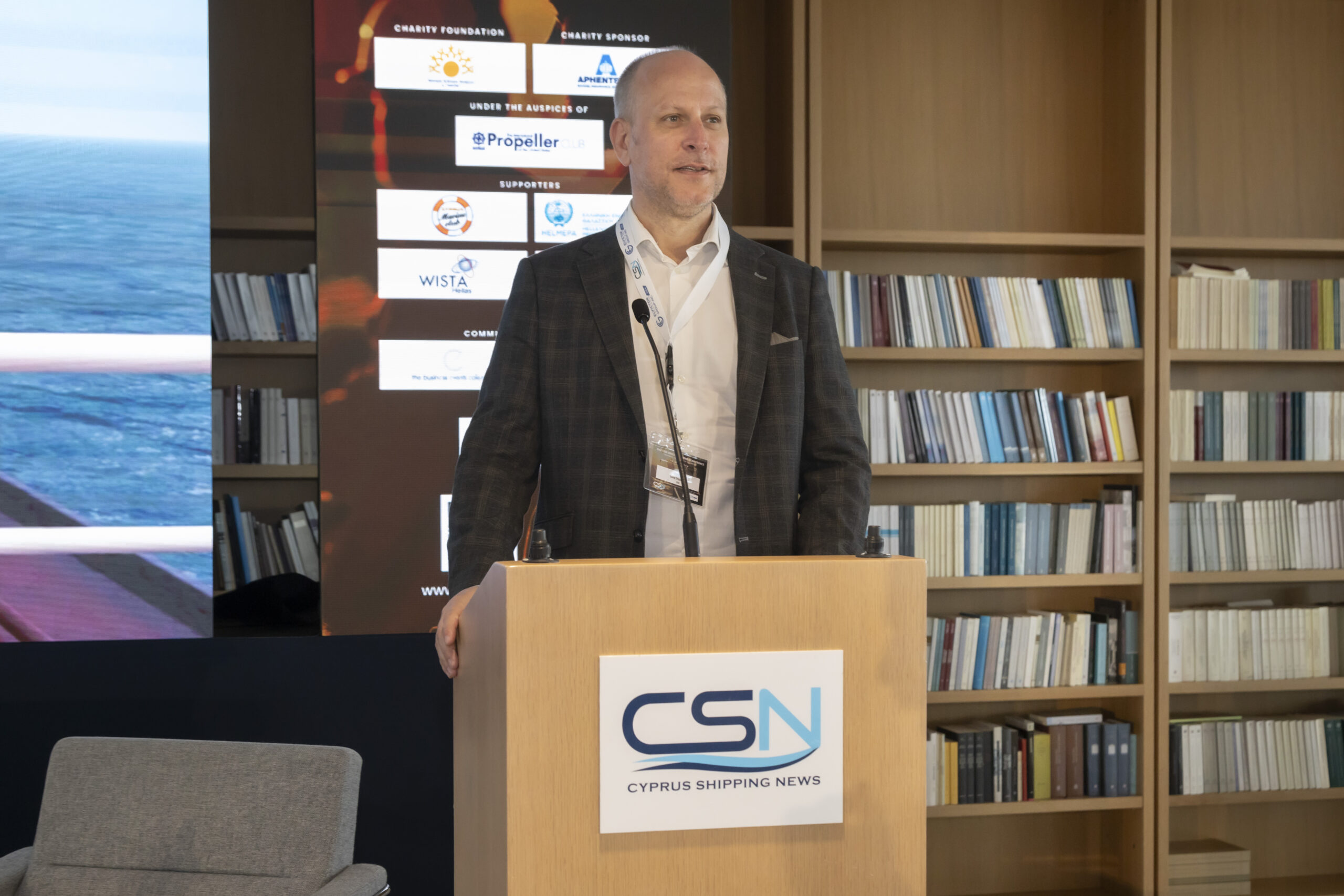
Wind of Change
One of the primary responsibilities within his role entailed the proficient introduction of the speakers. His notable contribution to this particular function involved delivering a comprehensive summary of each preceding speaker’s presentation and seamlessly integrating it into the subsequent speech, thereby ensuring a coherent and compelling narrative. In his capacity as the panel’s moderator, he adeptly facilitated the transition from individual presentations to a dynamic debate format, impromptu formulating questions to elicit more insightful responses from the panellists. Furthermore, his extensive and diverse knowledge enabled him to expertly address specialized inquiries from the audience on behalf of the panel.
Chairman Statement
As part of CSN, we have formally requested his statement and feedback, both of which are provided below:
“As the Chairman of a conference centred on crew management and crewing, I assumed the pivotal role of leading discussions within the intricate and dynamic shipping industry. In my capacity as the moderator, I meticulously formulated specific questions to elicit insights, expertise, and innovative principles from distinguished panellists for the benefit of our discerning audience.
The overarching objective of the forum was to disseminate nuanced knowledge, eschewing the reiteration of commonplace information.
The questions posed during the panel discussion were bespoke and not readily accessible through online sources or published literature.
I extend my sincere appreciation to all attendees for their invaluable contributions, which unequivocally contributed to the event’s resounding success.
I trust that I discharged my duties as Chairman and Moderator with unwavering fidelity to CSN’s vision and ethos.”
Do peruse Konstantinos Galanakis’s blog, which encapsulates his relentless pursuit of continual enhancement and advancement. It elucidates the vast knowledge and know-how uniquely offered on the web. The principles that underpin his ideology are articulated within these articles.
https://www.linkedin.com/in/konstantinos-galanakis-b686623/recent-activity/newsletter/
The Conferences
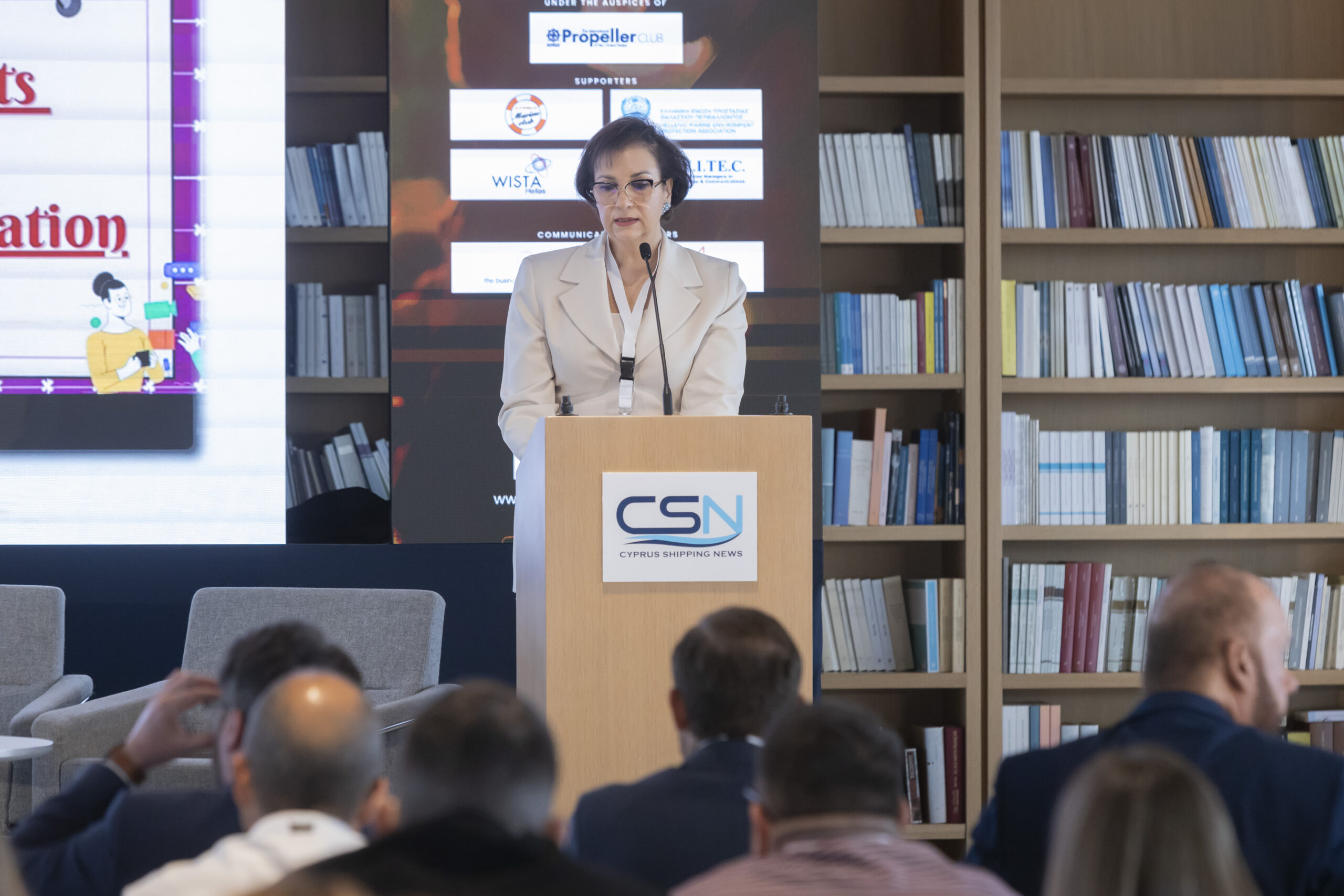
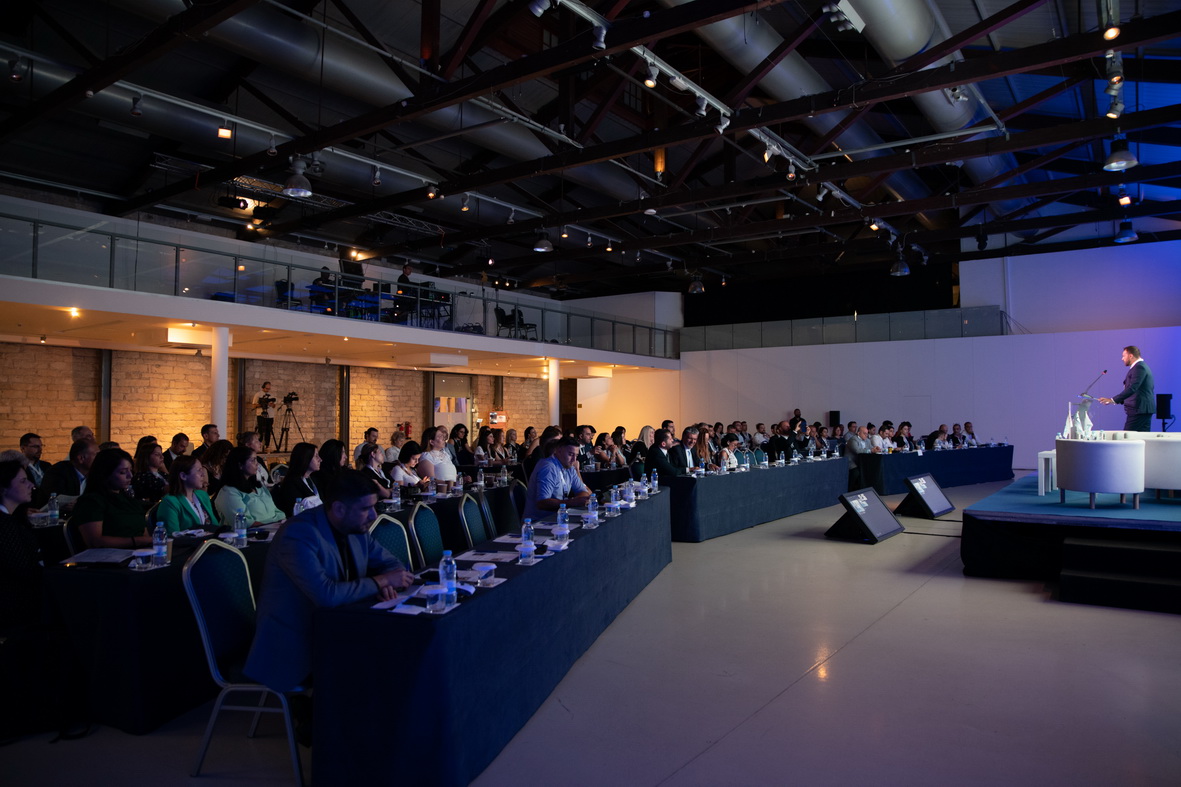
The inaugural conference occurred in Greece, titled the “2nd CSN Greece Crewing Conference: Delivering the Seafarer of Tomorrow,” while the subsequent conference took place in Cyprus, titled the “2nd CSN Cyprus Crewing Conference: Delivering the Seafarer of Tomorrow.” The Greek conference was convened on May 16th in Athens at the Stavros Niarchos Foundation Cultural Centre, and the Cyprus conference convened on May 22nd in Limassol at the Carob Mill Conference Centre.
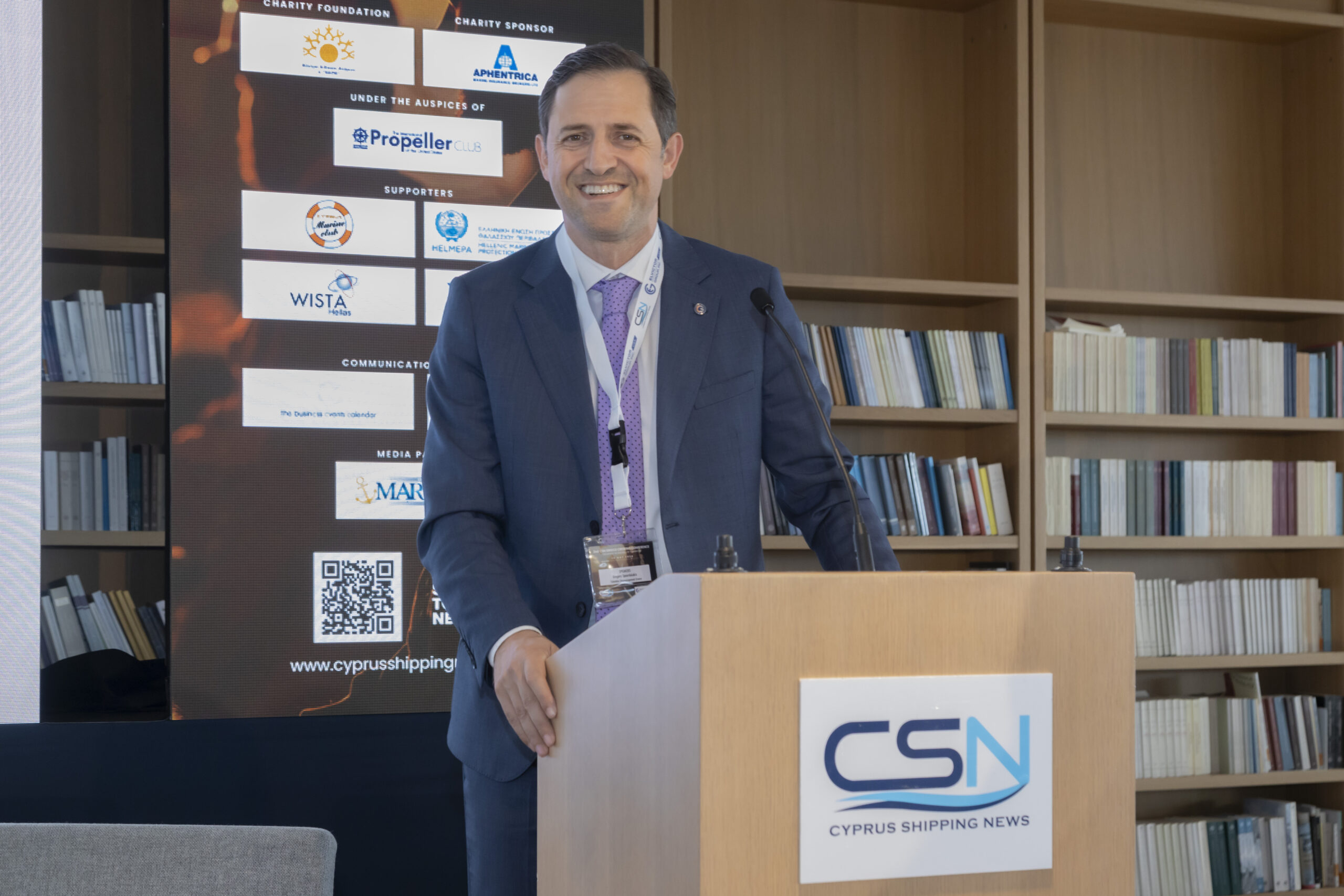
Auspices Of
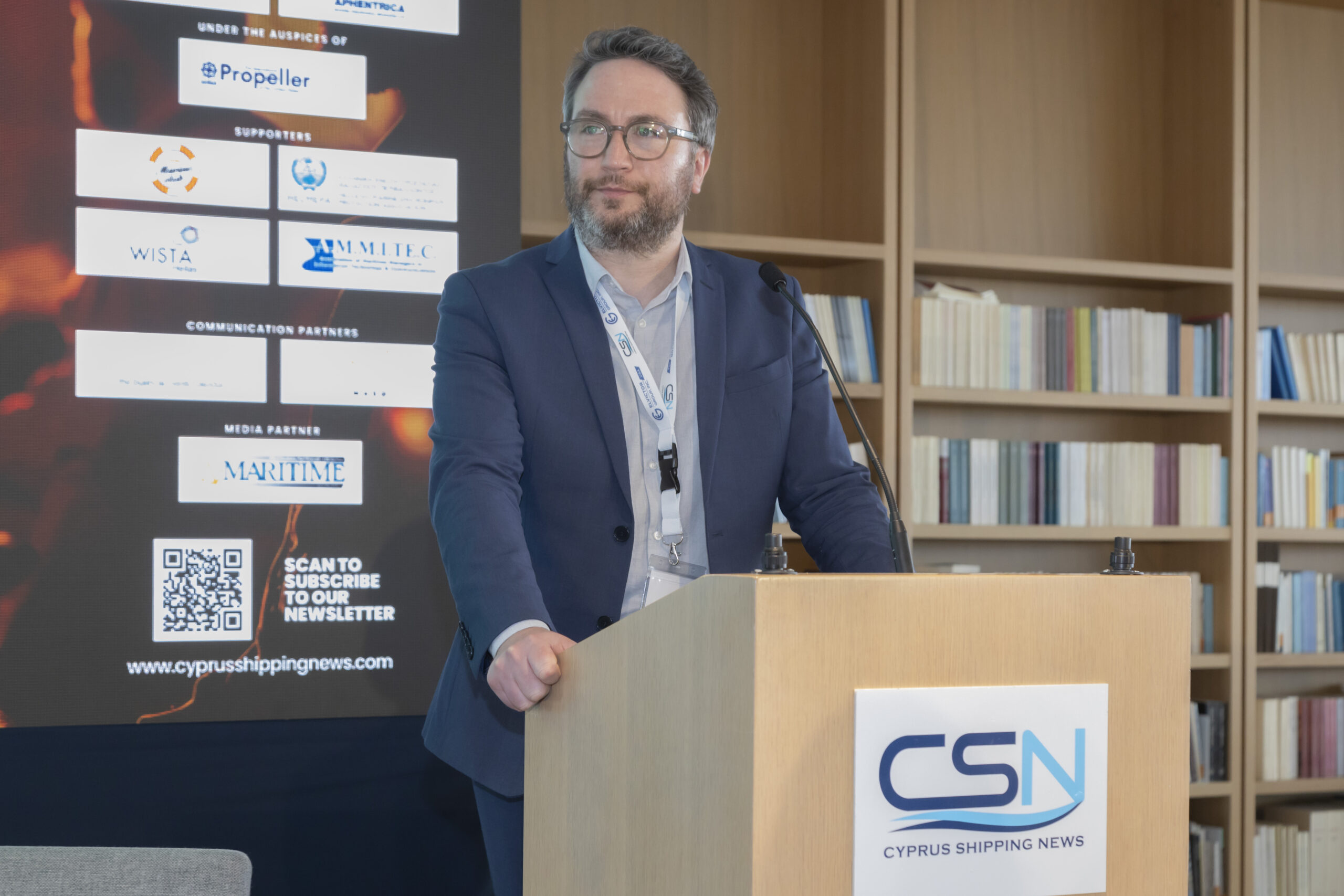
The Greece event was under the auspices of the Propeller Club and supported by HELMEPA, WISTA Hellas, AMMITEC, and Cyprus Marine Club.
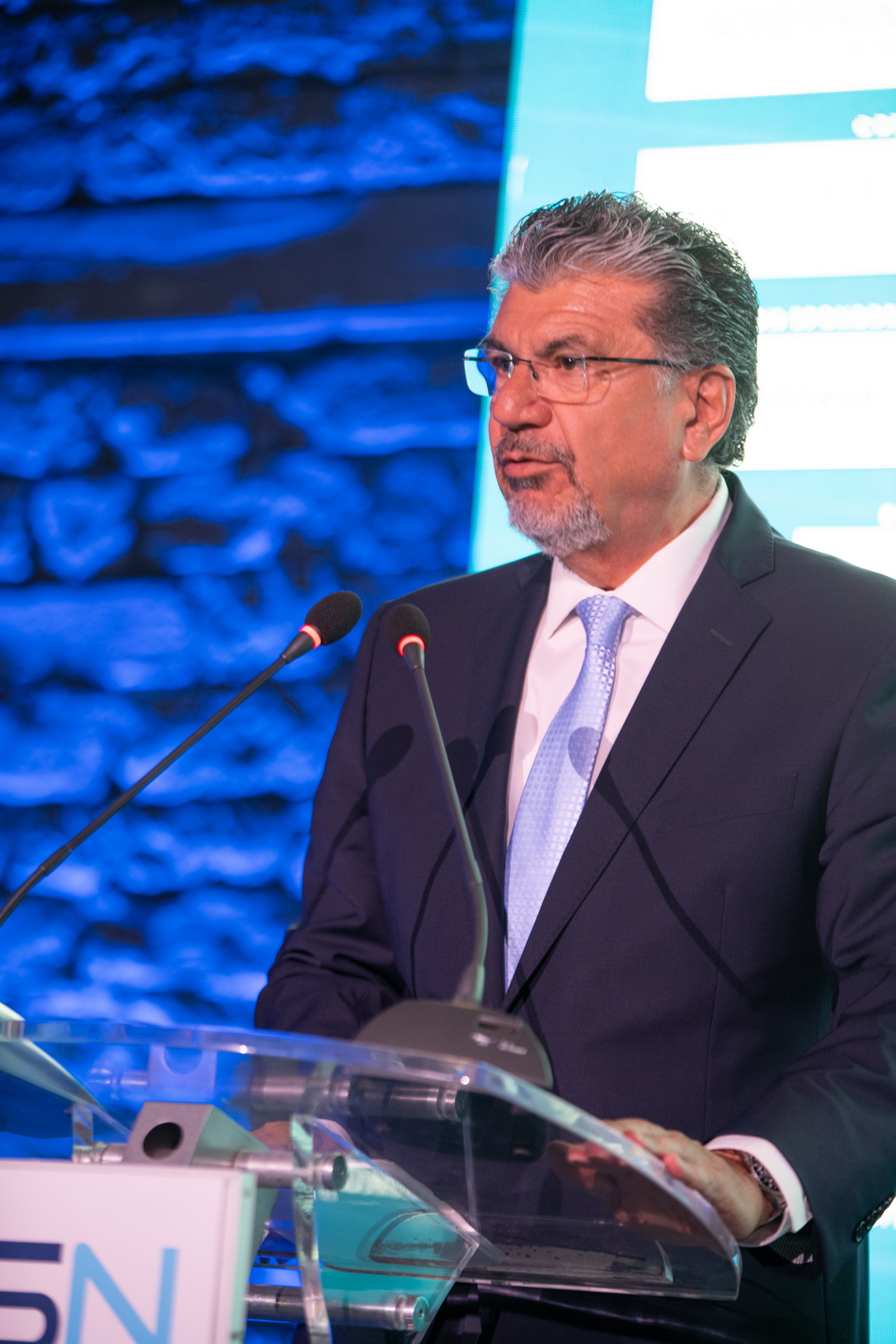
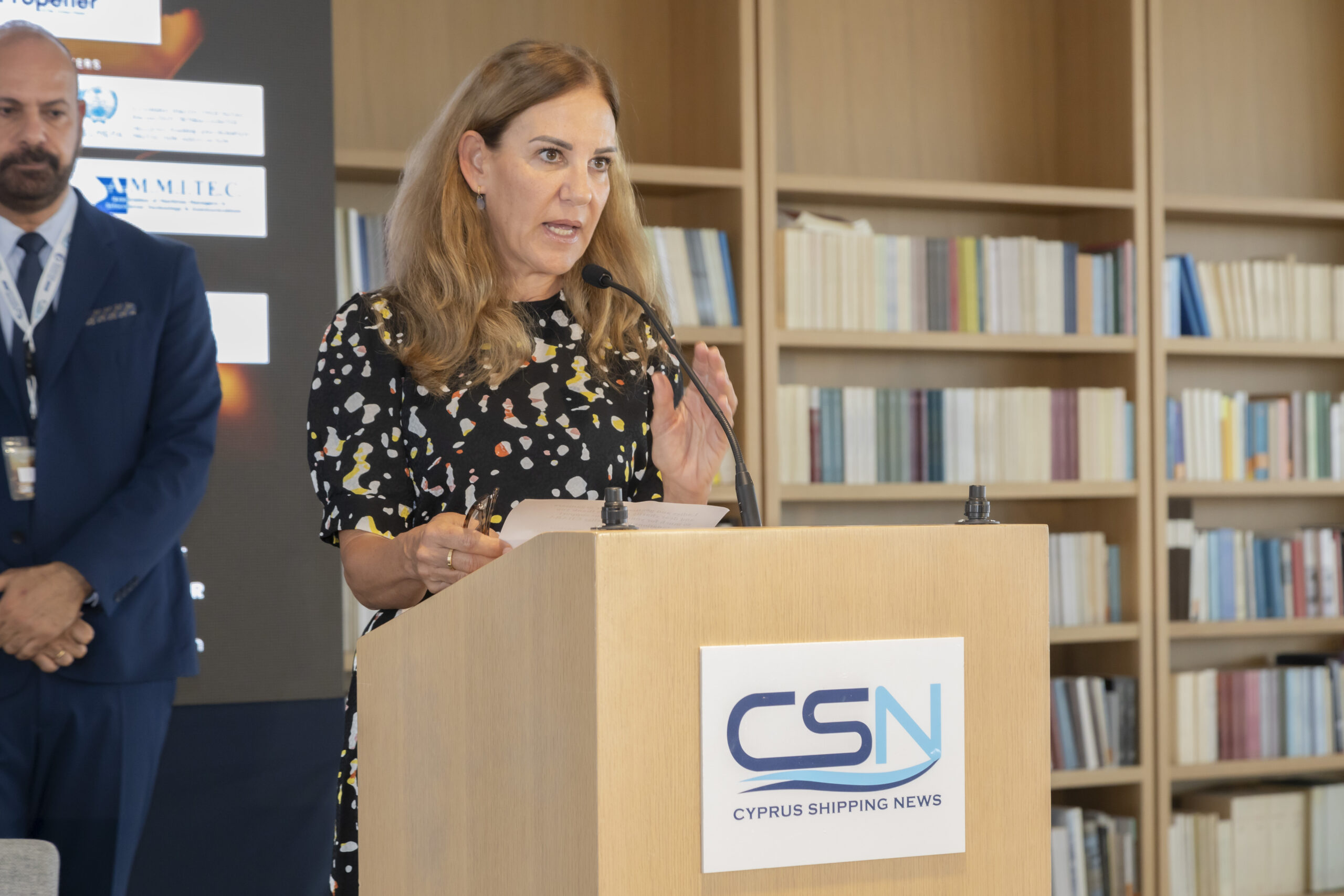
The Cyprus event was under the auspices of the Cyprus Shipping Deputy Ministry and was supported by the Cyprus Shipping Chamber, Cyprus Marine Club, CYMEPA, WISTA Cyprus, YoungShip Cyprus, ICS Cyprus branch, and Clean Shipping Alliance.
Think with your heart
Attendance at the conferences was complimentary for all levels of shipping and shipping-related organizations in Greece and Cyprus. It was open to any individuals wishing to support the charitable foundations associated with the conference by indicating their willingness during registration. In addition to the exchange of knowledge, networking opportunities, and insightful discussions, the conferences have prioritized and will continue to emphasize social responsibility. This serves as a reminder to consider our shared humanity and to engage our empathy alongside our intellect, particularly in offering assistance to those in need, especially individuals with disabilities. These individuals may lack certain attributes that we possess and are deserving of our attention and support.
Outcome
The conferences concluded successfully despite the allocated capacity being reached by registered attendees. An unanticipated 18% surge in last-minute attendees resulted in a historically unprecedented level of participation. This development underscores the significance of the conference’s mission and establishes it as an imperative long-term contributor to the pivotal field of crew matters.
Guidelines for Panellists
Guidelines for each panel discussion:
- a) Each panellist is allotted a maximum of 3 minutes per answer (2 questions for person-to-person answers and two common questions at the end).
- b) While the use of notes is permissible, reading extensively from a notebook or any electronic means is discouraged, as it has been identified as poor practice.
- c) Maintain eye contact with fellow panellists to foster a sense of collaboration.
- d) Foster debate by posing follow-up questions to expedite discussion.
The above guidelines and approach garnered positive feedback at both Greek and Cyprus “2nd Crewing CSN Events”.
At the conclusion, the audience will have 3 to 5 questions.
The moderator is available to assist in answering if necessary.
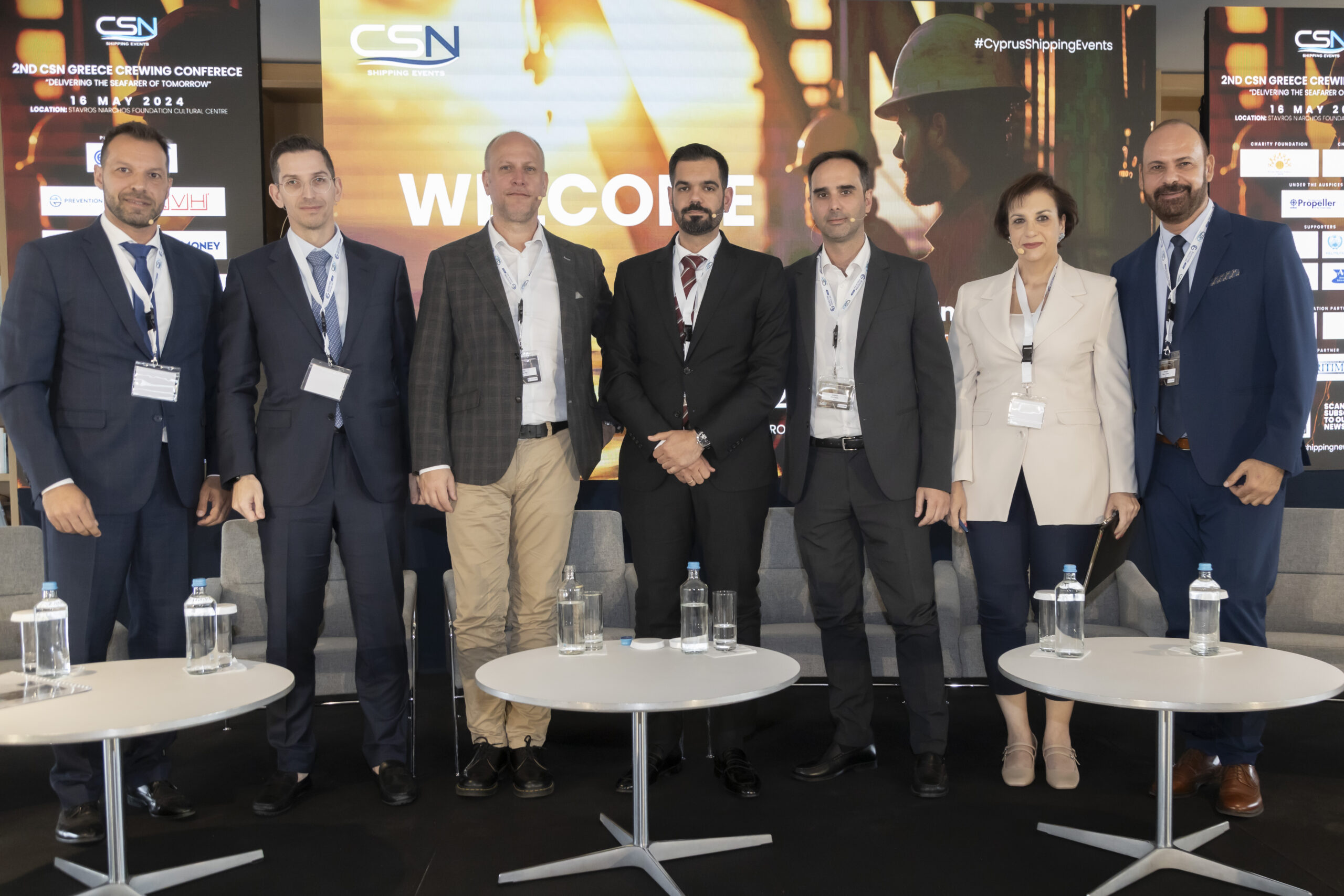
2nd CSN Greece Crewing Conference Athens
The conferences provided a superb platform for presenting the intricacies inherent in managing seafarers. Esteemed speakers offered valuable insights and the latest industry developments.
The presentations and discussions were anticipated to be informative, thought-provoking, and beneficial. The overarching objective was to equip all participants with a comprehensive understanding of the maritime industry and its contemporary challenges.
Collaboration and the exchange of knowledge, ideas, and principles were underscored as essential for the success and sustainability of the maritime industry. By leveraging our collective resources and expertise, we can optimize industry operations, enhance efficiency, and develop innovative solutions for future challenges. These conferences aimed to foster collaborative efforts in building a more resilient and prosperous maritime industry, benefiting all stakeholders.
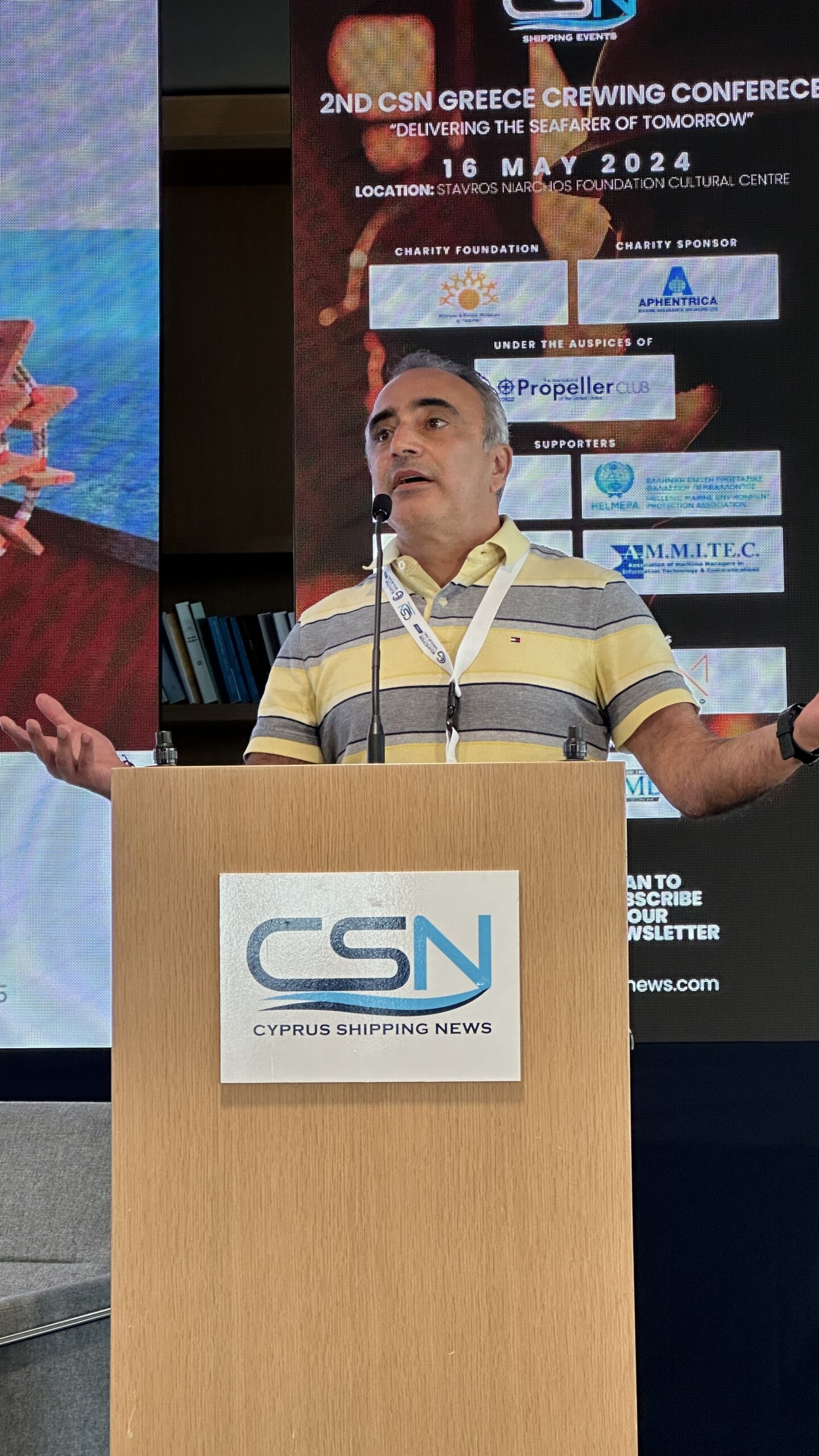
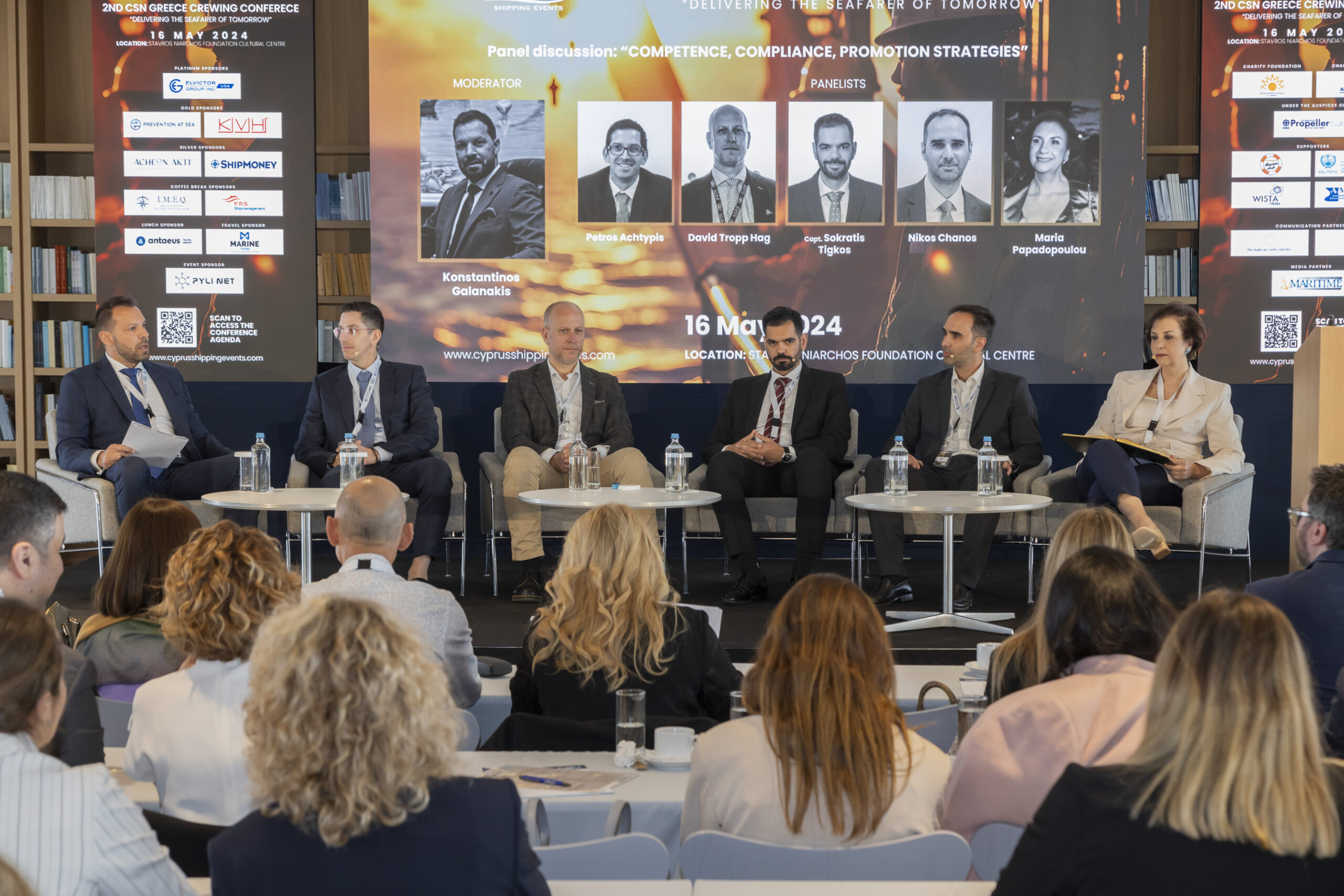
2nd Greece Crewing Conference – Panel 1 – Questions
Moderator
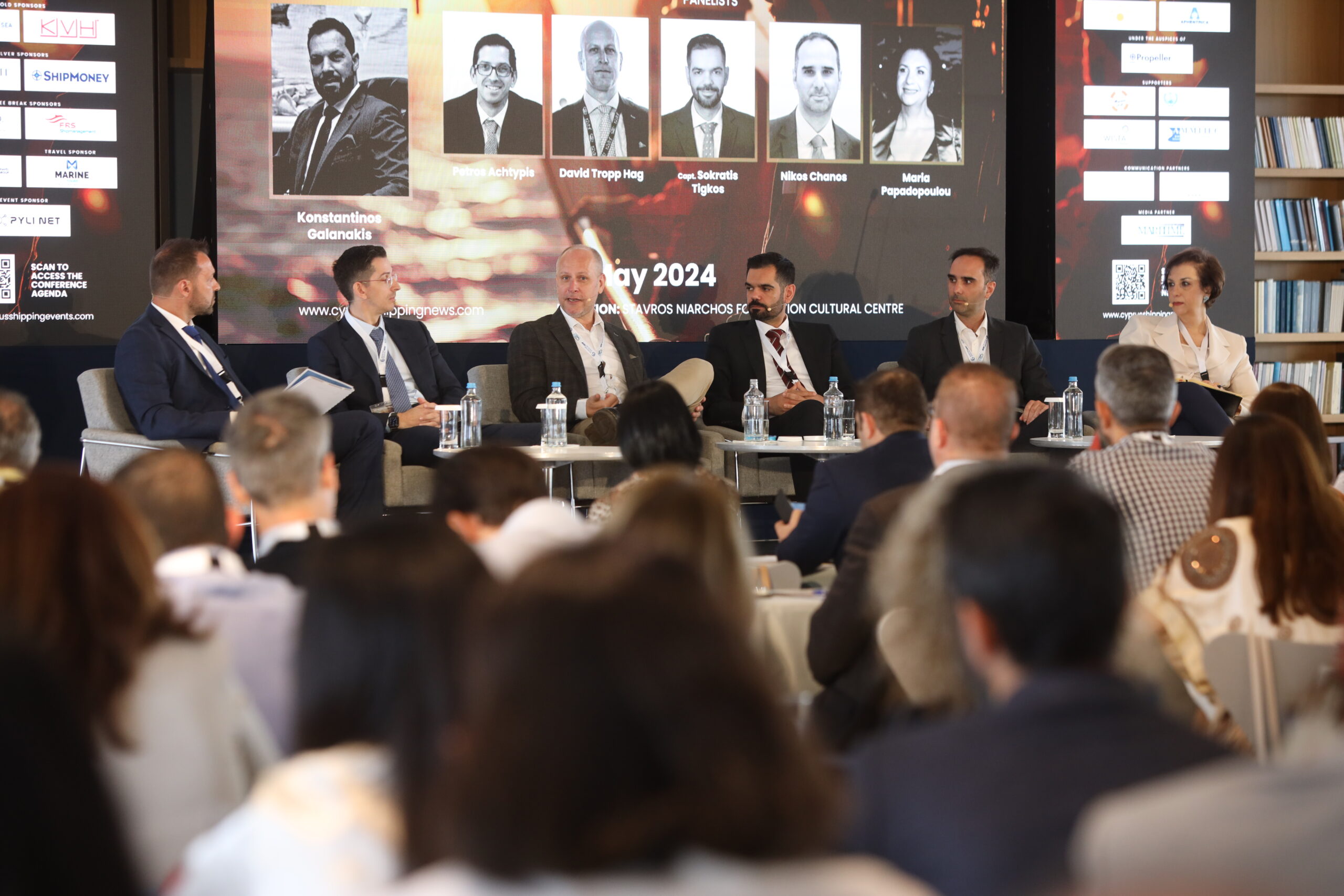
Konstantinos Galanakis, CEO – Elvictor Group, Inc. Crew Managers
Person-to-Person Questions
Petros Achtypis, Founder & CEO, Prevention at Sea
Question 1: “Don’t Cure—prevent” is a pragmatistic motto that I admire, believe in and use in my business practice. Based on the software and services you provide as a company, can you enlighten us on how to use and which tools to monitor seafarers’ happiness index and measure pool coherence?
Question 2: If a ship operator “aims to go digital” to monitor the reflection of the crew matters, especially for Compliance and Safety, how would your good management consult and propose such a change in their management concept and structure, which adheres to today’s difficulty of the well-known “resistance to change”?
David Tropp Hag, Vice President, EMEA Sales – KVH
Question 1: “Designed to enable a mobile world and keep mariners always connected” is a partial description of your organization’s description of services.
Providing mobility and connectivity also creates risks, such as the spread of information and global news, which may be bad news. How do you secure and guide your clients, meaning ship operators, to periods and phases of global turmoil, geopolitical tensions, wars and high-risk areas to “filter” the information that may be exchanged with the onboard seafarers, which may cause risks in ship operations and risks in the temperament and psychology of the crew?
Question 2: What are the challenges that arise from providing connectivity and mobility services to seafarers, and what are the advantages and the best practices?
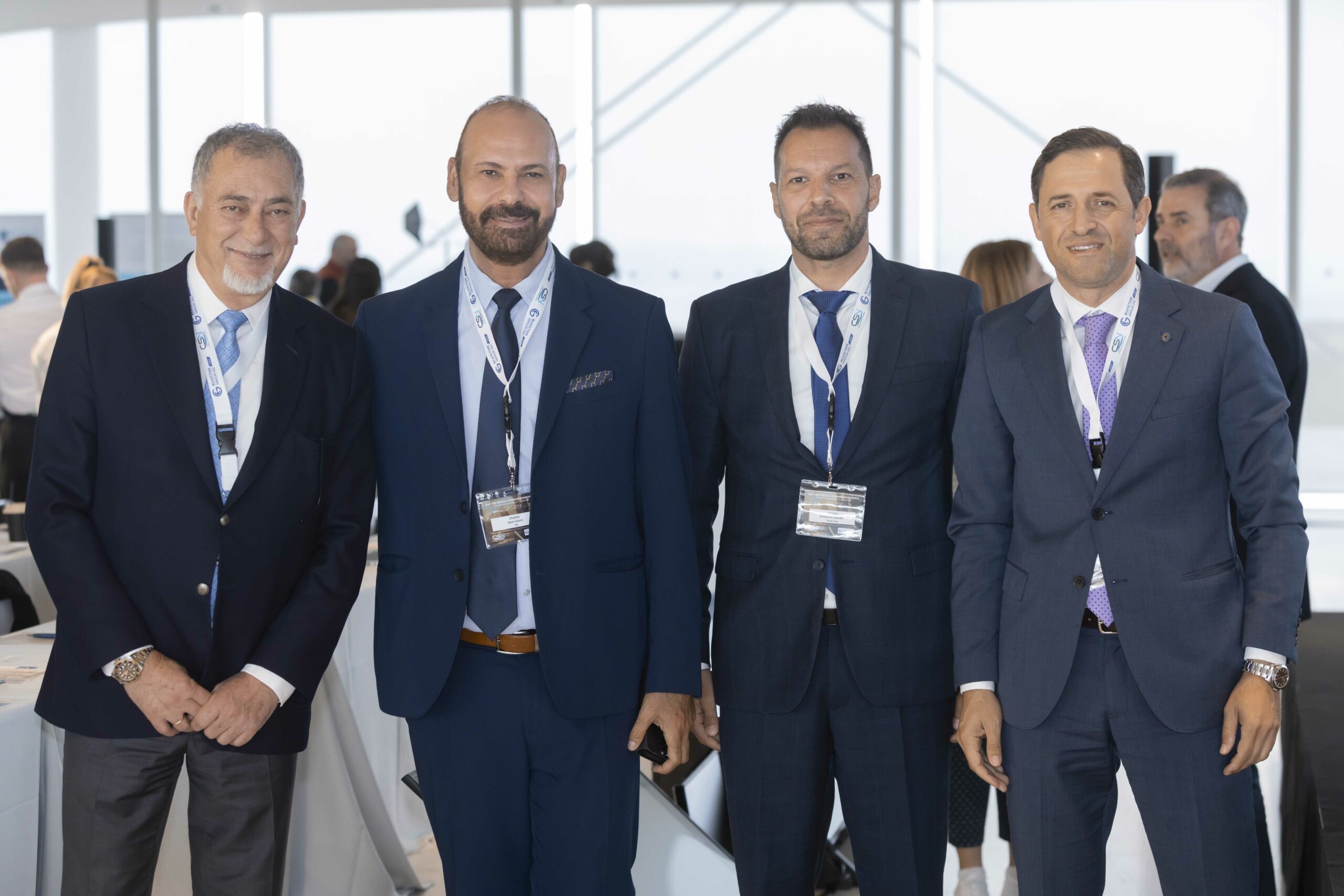
Capt. Sokratis Tigkos, DPA/CSO/Crew & Marine Manager – Omicron Shipmanagement
Question 1: What are the oxymoron cases you may highlight that may deteriorate crew retention with continuous upskilling and reskilling? How do upskilling and reskilling work in turbulent times of geopolitical tensions and under management’s budgetary constraints?
Question 2: What challenges should a ship operator tackle to strike a balance between quality and ship operations pragmatism?
Nikos Chanos, Crew Manager – Seaven
Question 1: How can a ship operator manage different nationalities and their retention if their fleet is scattered in different trading areas and especially continents? What are the challenges, risks, and best practices?
Question 2: What are the best practices for understanding the psychology of crew members and handling unexpected challenges?
Maria Papadopoulou, Crew Manager – Aerio Shipmanagement
Question 1: Sophisticated crew management could enhance “crew quality”, “retention”, and “coherence”. Based on your experience, what are the basic pillars that a digitalized system provides for optimum crew management to attain the optimum allocation of human resources?
Question 2: What are the basic values that a ship management company should possess to attract talent and loyal seafarers? Is proactiveness in predetermined processes more valuable than finding the best cure?
Common Questions
Question 1: Should we find an AI application soon for crew management practice? If yes, where? If not, please state the reasons for the resistance.
Question 2: New rules, processes, regulations, amended ISM-controlled documents, new prerequisites by the flag states and charterers, stricter inspections, etc., are imposed. All these end up requiring the seafarer to tackle the rising liabilities and obligations, amending and adding further processes to each seafarer’s job description. What recommendations could you provide to various ship managers in order to tackle the suffocating business environment that is constantly approaching and elevating?
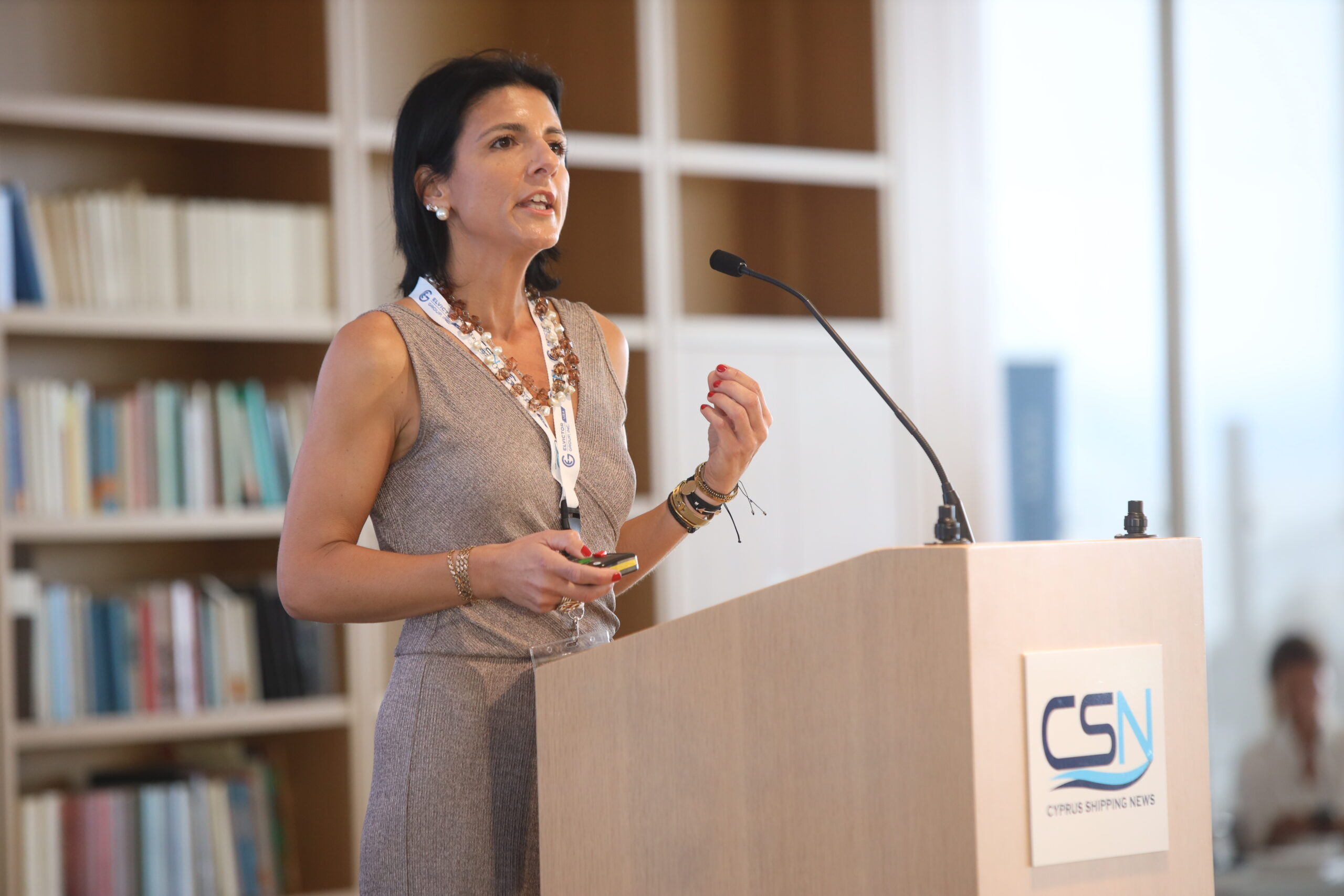
2nd Greece Crewing Conference – Panel 1 – Analysis
In the fast-paced world of the maritime industry, it’s crucial to focus on preventing problems rather than just fixing them when they occur. This is especially true when it comes to taking care of the people who work at sea, known as seafarers. Companies that operate ships are now using digital tools to keep an eye on how happy their crews are and how well they get along with each other. They’re also looking for ways to improve the working and living conditions for seafarers, as mentioned by Mr Petros Achtypis, Founder & CEO of Prevention at Sea.
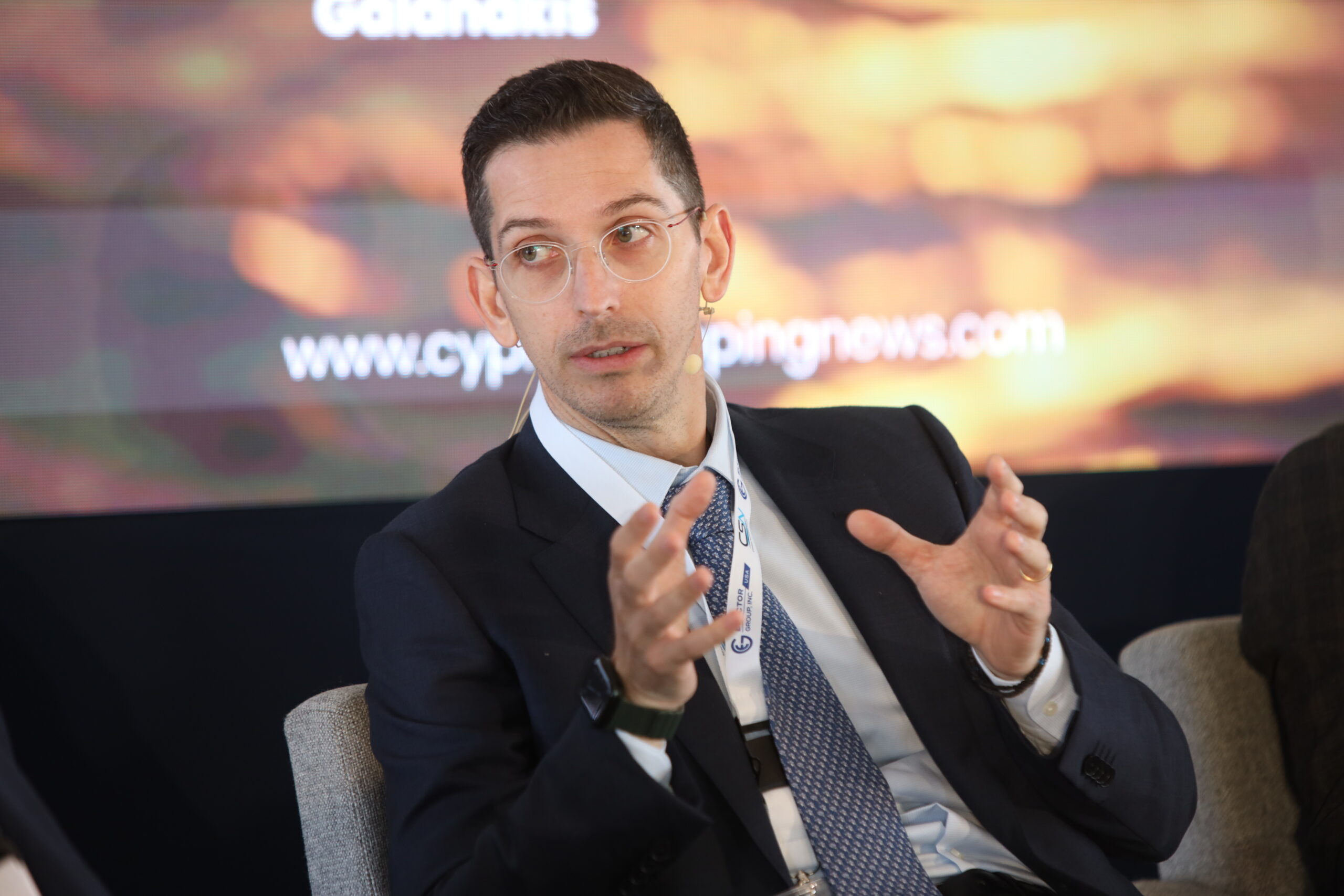
One idea being discussed is a “happiness index” for seafarers. This would measure how satisfied and happy the crew members are while they’re at sea. Another important concept is “pool coherence,” which is all about how well the crew works together as a team. It’s clear that ship operators need better ways to keep track of how their seafarers are doing and find ways to improve their lives.
One helpful tool could be a digital survey system. This would involve asking the crew members questions about their work and living conditions. Special technology could analyze the answers to find out how the crew members are feeling and what might be making them stressed. Another idea is to use wearable devices that can track the physical signs of stress and tiredness in the crew members. By combining the information from surveys and wearables, the ship operators could get a good understanding of how the seafarers are feeling.
But it’s not just about collecting data – it’s also about knowing what to do with it. That’s where a company that specializes in this kind of work can help. They can work with the ship operators to help them change the way they do things so that they’re not just reacting to problems but actively working to prevent them. This might involve using new technology and looking at the data in a different way. It’s important to help the ship operators see the benefits of making these changes, like being more efficient and keeping the crew members safer and happier.
When it comes to making these changes, it’s important to understand that people often resist change, especially when it feels like they’re losing control or disrupting their routines. A good company can help the ship operators address these concerns and make the changes feel like improvements rather than disruptions. They can also help the ship operators understand how these changes can help them follow the rules and standards that are important in the maritime industry.
In addition to helping with the technical side of things, a good company can also help the ship operators create a culture of always trying to do better. This might involve getting feedback from the crew members and making sure that everyone is committed to making things better for everyone on board.
In an era of rapid globalization and interconnectedness, the maritime industry plays a pivotal role in facilitating global mobility. KVH occupies a central position in this landscape, offering services designed to enable constant connectivity for mariners in today’s mobile world. However, the provision of extensive connectivity poses unique challenges, particularly during periods of global instability and geopolitical tensions and in high-risk areas. Managing the influx of potentially disruptive information to onboard seafarers requires careful consideration of how KVH secures and guides ship operators in navigating these complexities. This examination also encompasses an exploration of the benefits of connectivity and the best practices implemented by KVH to maintain a harmonious balance between an informed maritime environment and operational readiness.
The evolution of connectivity at sea has transformed it from a simple navigational tool into a sophisticated system that underpins operational efficiency, safety, and crew welfare. Today, seamless internet access and satellite communications are no longer mere conveniences but rather essential expectations. Mariners rely on these services for navigation, weather updates, and to maintain connections with their families and the outside world. Nonetheless, the same channels that provide comfort and efficiency can also serve as conduits for an overwhelming influx of information, the nature of which may have unintended repercussions on vessel operations and crew morale.
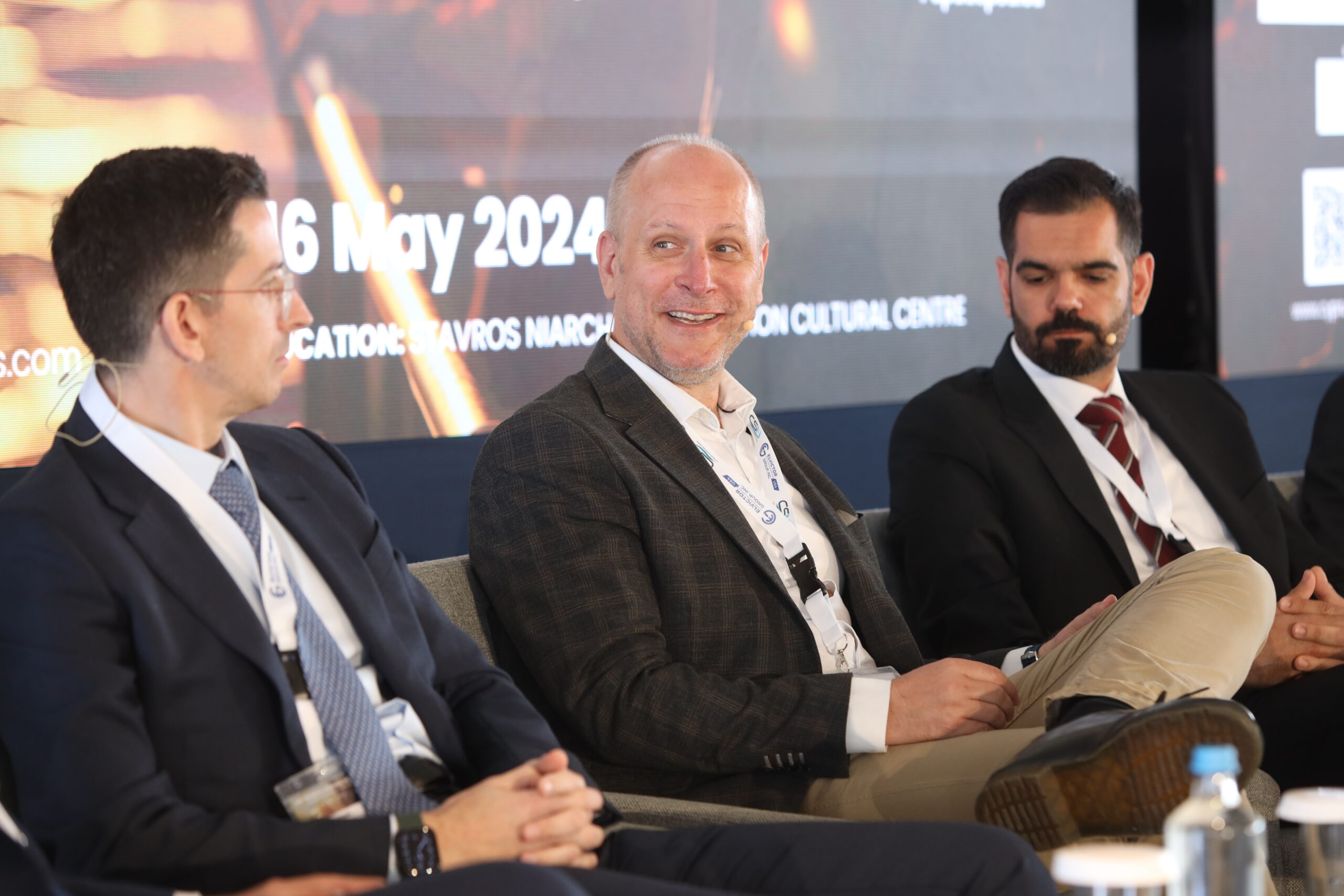
The maritime industry faces a significant challenge in managing information dissemination in the Information Age, as Mr. David Tropp Hag, Vice President, EMEA Sales – KVH, mentioned. During periods of global unrest or in high-risk zones, the deluge of distressing news can have adverse effects on crew members, leading to anxiety and unrest that may compromise safety and decision-making. Furthermore, depending on the geopolitical climate, the mishandling or leakage of certain information can exacerbate existing tensions, potentially rendering the vessel and its crew targets for political aggression or piracy.
Additionally, cybersecurity is a critical concern. As ships become increasingly interconnected, the proliferation of cybersecurity risks, such as malicious attacks, data breaches, and technological manipulation, poses a direct threat to the safe and secure operation of marine vessels. Therefore, the task of securing information assumes multifaceted significance, encompassing not only psychological impacts but also the physical safety of the crew.
Despite these challenges, there are numerous advantages to providing connectivity to seafarers. Foremost among them is the enhancement of maritime safety. Real-time communication capabilities facilitate rapid response to emergencies, ensure constant navigation updates, and guarantee that critical alerts are received without delay. Additionally, for crews on extended voyages, connectivity serves as an essential lifeline to shore-based support structures, fostering mental well-being by maintaining social and familial bonds.
From an operational perspective, connectivity empowers ship operators to conduct remote diagnostics, streamline logistical planning, and remain abreast of international shipping regulations and compliance requirements. The benefits of enhanced efficiency, predictive maintenance, and compliance adherence are invaluable in an industry perpetually seeking cost reduction and operational improvements.
In addressing the pivotal question of how KVH supports its clients during volatile periods, the concept of ‘filtering’ is paramount. This practice is not oriented towards censorship but rather towards ensuring that relevant information is intelligently curated and disseminated without inducing panic or misinformation. KVH adopts a multi-layered approach to manage the risks associated with global connectivity. This encompassing strategy includes the deployment of advanced cybersecurity measures, the provision of tailored news services, and the implementation of psychological support mechanisms for crews.
Best practices in the realm of maritime connectivity revolve around striking the optimal balance between providing information and safeguarding the well-being of seafarers.
Tailored news feeds are developed to furnish seafarers with updates pertinent to their routes and personal well-being while eschewing sensationalist or distressing content that may not directly affect their operational duties.
In the complex world of maritime shipping, the people who work on ships are really important for making sure everything runs smoothly and safely. As technology changes and there are tensions between different countries, it’s really important for the people working on the ships to keep learning new things and getting better at their jobs. But sometimes, the companies that own the ships want the workers to learn so much that it makes them want to leave their jobs. This can be a problem because the companies need to keep good workers so that the ships can keep running well and making money.
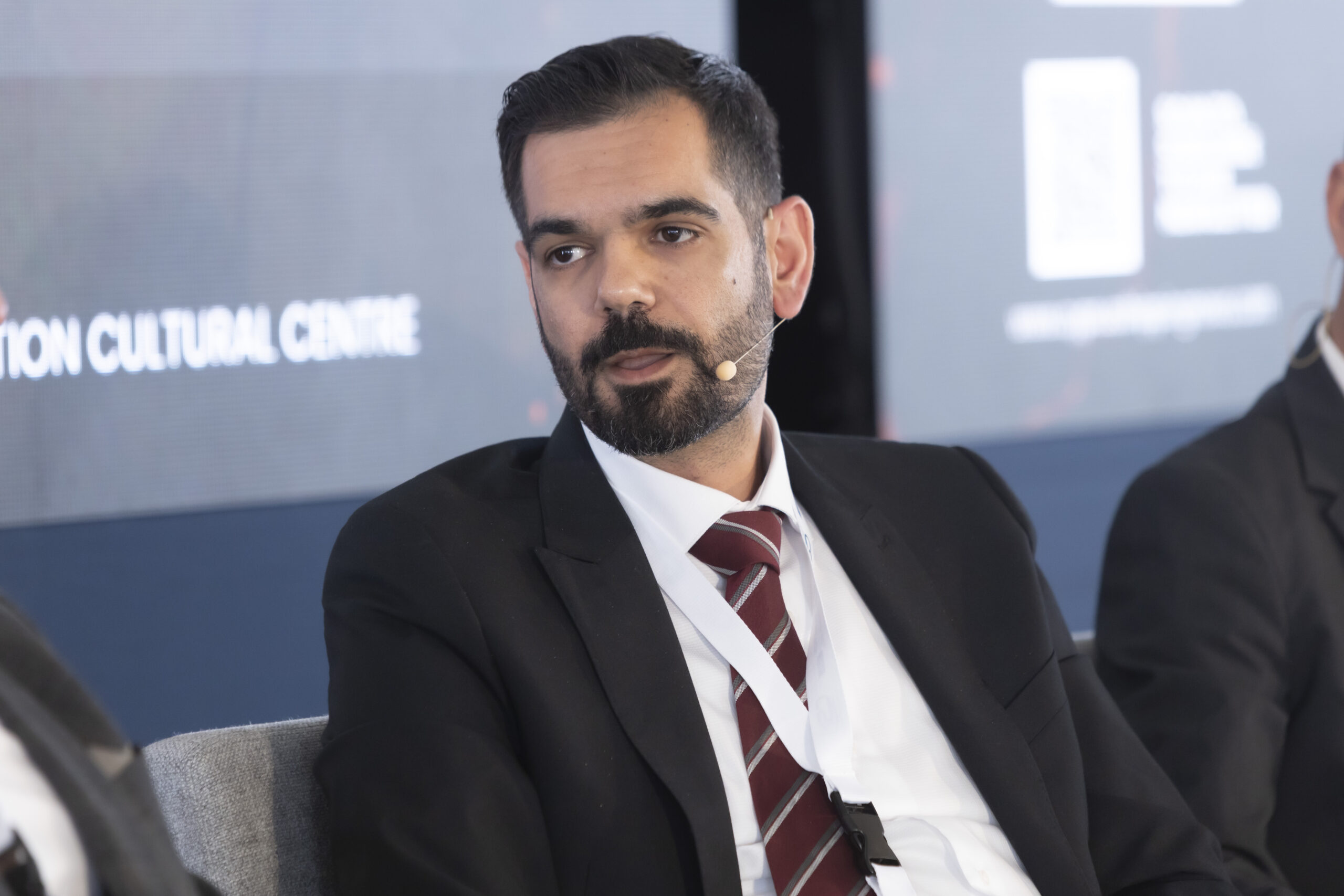
One problem is that when the workers keep learning new things, they might feel like they need to be better at their jobs, which can make them want to look for other jobs. Also, if they learn a lot of new things, they might find other companies that will pay them more money, which can make it hard for the shipping companies to keep them as Mr Capt. Sokratis Tigkos, DPA/CSO/Crew & Marine Manager – Omicron Shipmanagement concluded.
Another challenge is that when there are problems between different countries, the people working on the ships have to learn how to deal with these problems and keep the ships safe. This can be stressful and scary for the workers, and they might need to learn things that they’ve never had to learn before.
In addition, the companies that own the ships might only sometimes have enough money to give their workers the training they need. This means that the seafarers might need to improve their jobs, which can make the ships less safe and efficient.
So, the ship companies need to find a balance between making sure their workers are really good at their jobs and not making them want to leave, even when there are many challenges and not much money to spend. This might mean finding new ways to train the workers that don’t cost as much and giving them opportunities to grow in their careers.
The shipping industry presents a unique set of challenges stemming from its multicultural workforce. Ship operators are tasked with managing crews comprising individuals from diverse nationalities, each bringing their distinct cultural backgrounds, languages, and customs. This diversity, while enriching, also gives rise to specific challenges and risks that necessitate the implementation of precise best practices for effective management, especially when fleets operate across continents and engage in diverse trade areas. It is imperative to comprehend crew psychology and devise strategies to address unforeseen challenges arising from such a cultural amalgamation, as Mr Nikos Chanos, Crew Manager – Seaven, pointed out.
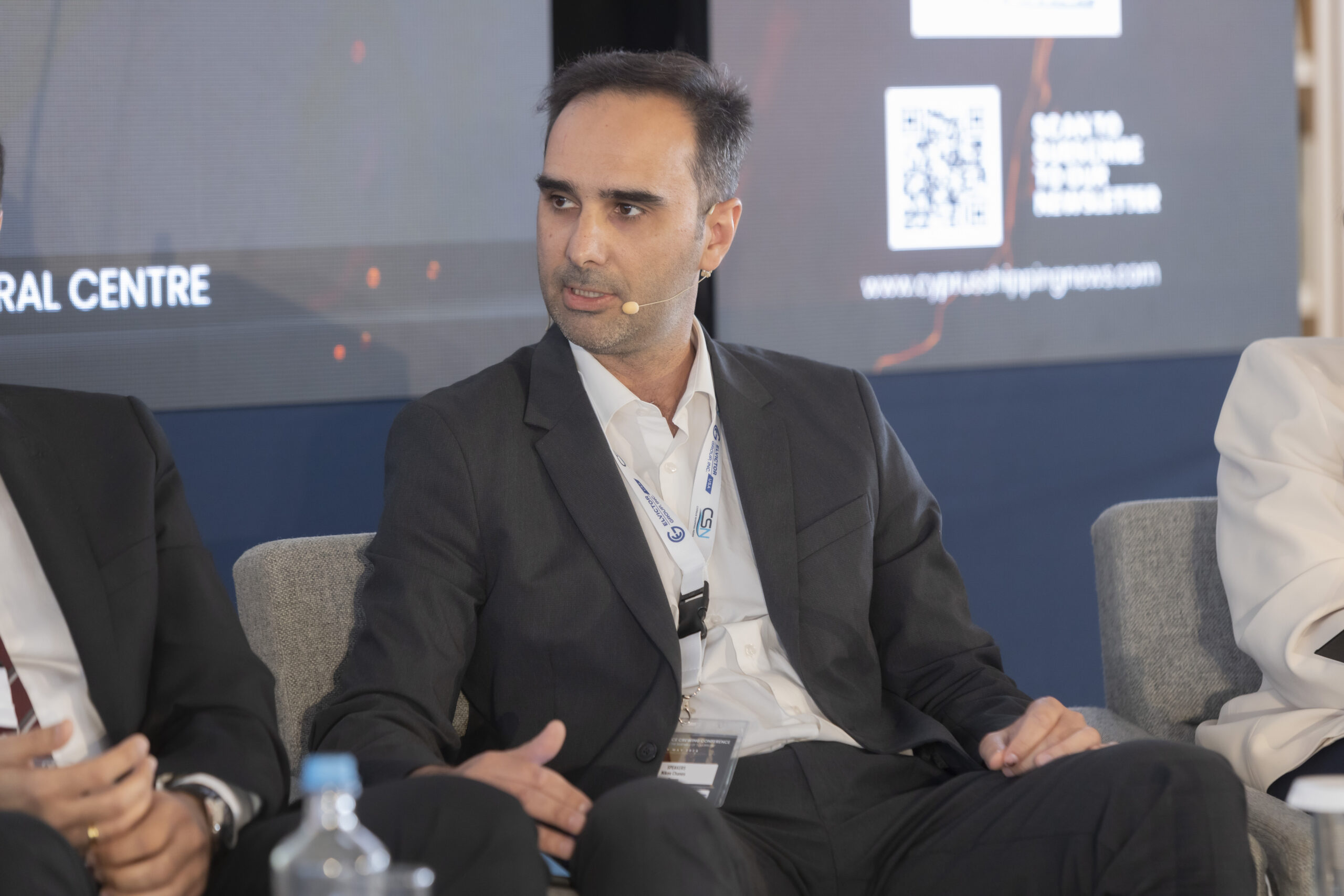
Effective communication stands as the primary challenge in managing a multinational crew. Language barriers can lead to misunderstandings, reduced efficiency, and potential safety hazards if instructions are not comprehended accurately. Furthermore, differences in cultural norms can result in varying interpretations of authority, teamwork, and work ethic. For instance, certain cultures may emphasize individual initiative, while others prioritize collective harmony.
Another significant challenge entails ensuring compliance with international labour standards, such as those stipulated by the Maritime Labour Convention (MLC) of the International Labour Organization. These standards are designed to guarantee equitable treatment and suitable living conditions for seafarers, irrespective of their nationality. However, adhering to these regulations across multiple jurisdictions can be formidable.
A major risk associated with multinational crewing is the potential for social segregation and conflict. Crew members may form cliques along national lines, disrupting unity and collaboration on board. Due to a lack of cooperation and potential conflict, such divisions may impede operations and pose a safety threat.
Another risk arises from differing levels of training and experience among seafarers from various countries. Divergent operating practices can result in consistency, potentially leading to errors and accidents. Moreover, uneven enforcement of international regulations can subject crew members to exploitation or unsafe working conditions.
To address the challenges above and mitigate associated risks, the industry has developed several best practices. First and foremost is comprehensive cross-cultural training for all seafarers, encompassing language classes, cultural awareness workshops, and conflict resolution strategies. This training serves to bridge cultural divides and foster an inclusive environment on board.
Promoting English as the working language aboard vessels helps circumvent many communication issues, albeit necessitating a commitment to English proficiency training and assessment. Ensuring that all crew members possess at least an operational level of English proficiency aligns with the Standard of Training, Certification, and Watchkeeping (STCW) requirements.
Furthermore, establishing standardized procedures for every operational aspect, from safety drills to maintenance, is invaluable. These processes should be meticulously documented and communicated in a language understandable to all crew members. Standardization provides clarity and reduces the likelihood of accidents arising from procedural misunderstandings.
Effective ship management also hinges on understanding the psychology of crew members, which is intrinsically linked to cultural awareness. Mental health issues, such as depression and isolation, can be exacerbated by cultural dislocation and lack of support. Ship operators must recognize these factors and implement wellness programs tailored to multicultural needs.
The onboard environment plays a pivotal role. Creating social spaces and facilitating cultural celebrations incentivize inclusivity and help crew members from different backgrounds bond. Having a dedicated welfare officer on board who actively monitors crew morale and mediates issues can yield a significant positive impact.
In maritime operations, unexpected challenges are commonplace. Managing a multicultural crew amidst such challenges necessitates flexibility and a profound understanding of human behaviour under stress. Leaders on board must be equipped not only with technical skills but also emotional intelligence to navigate complex social dynamics. In crises, it is vital that the captain and officers can rely on the cooperation and resilience of the crew, which stems from robust cross-cultural bonds formed well before emergencies arise.
Moreover, establishing robust channels for feedback and complaints that are respectful of cultural sensitivities can preempt many issues. An anonymous reporting system can be beneficial, as it allows crew members to voice concerns without fear of reprisal.
Managing multinational crews across diverse trading areas and continents presents a substantial challenge. It necessitates meticulous attention to communication, cross-cultural training, and the creation of a supportive environment that caters to the crew members’ diverse needs.
The pivotal role of human resources within the framework of every vessel is paramount in the pursuit of maritime excellence. As the maritime industry transitions into an era dominated by digitalization, it is imperative to recognize the far-reaching impact of this transformation.

Advanced crew management has swiftly emerged as a linchpin in fortifying “crew quality,” “retention,” and “coherence.” As Mrs. Maria Papadopoulou, Crew Manager—Aerio Shipmanagement, mentioned, the fusion of technological progressions with fundamental human resource principles serves as the cornerstone of superior crew management.
Drawing upon the industry’s expertise, everyone should aim to elucidate the fundamental pillars that a digitalized system offers for the optimal allocation of human resources, identify the core values a ship management company must integrate to attract and retain talented and loyal seafarers and advocate for the indispensability of proactiveness in predetermined processes, conceivably superseding the need for remedial actions.
The first pillar of effective digitalized crew management is centralized data management. A digitalized system consolidates all pertinent information onto a unified platform, providing unparalleled oversight of the crew’s qualifications, health records, contractual details, and training status. Such a cohesive system yields a myriad of practical benefits, ranging from streamlining crew assignments to ensuring compliance with international regulations. It also proffers real-time insight into the crew’s skill set, facilitating the identification of potential gaps in qualifications or experience that may necessitate attention, in addition to offering foresight in crew planning and deployment.
Another cornerstone of advanced digital crew management is the automation of routine tasks. By automating processes such as scheduling, payroll, and performance assessments, efficiency and accuracy are significantly enhanced. This reduction in administrative burden allows crew managers to reallocate their focus to more critical aspects of crew management, such as personal development and conflict resolution. Automation catalyzes responsiveness and diminishes the potential for human error, thereby reinforcing the quality and reliability of the administrative functions that underpin crew well-being and operational efficacy.
Within digitized systems, communication and accessibility constitute a third fundamental pillar. Secure and instantaneous communication platforms facilitate effective dialogue between the crew and shore-based management, fostering a sense of connectedness and support, even across vast distances. Accessibility to this system not only serves as a feedback loop for continuous improvement but also boosts morale, underscoring the recognition of each crew member as a valued component of the broader operational framework.
Predictive analytics is a transformative feature of digital crew management. Talent allocation transcends immediate needs and extends to strategic forecasting. Through sophisticated algorithms and machine learning, a digitalized crew management system can analyze trends and predictions, preempt potential issues, and propose the most compatible crew composition for upcoming voyages. Proactive adaptation to projected conditions, be it weather, workload, or interpersonal dynamics, aids in averting crises before they occur and facilitates smoother voyages for all involved.
The integration of digitalization with training and skill development is another pillar—an enabler for continuous professional growth. Online platforms offer a repository of courses and certification programs that can be accessed remotely, ensuring that crew skills remain sharp and current. This continuous investment in human capital not only propels the overall quality of the crew but also serves as a significant draw for prospective talent.
Turning our attention to the basic values that a shipping management company ought to uphold to attract and cultivate loyal seafarers, respect emerges as a non-negotiable virtue. A culture of respect underscores the recognition of each seafarer’s contribution and upholds their dignity and rights. Following closely is transparency, which builds trust and reassures crew members that decisions are made with fairness and integrity. In an industry where time away from loved ones is a given, work-life balance enters as a pivotal company value, offering crew members greater flexibility and consideration for their well-being and familial obligations.
Safety, both physical and psychological, is a paramount value. Companies that demonstrate a genuine commitment to the safety of their seafarers not only comply with regulations but transcend them, creating an environment where crew members feel inherently secure. This feeling of safety extends to job security as well, with clear progression paths and stable contracts fostering confidence and loyalty among the crew.
Companies should also embody adaptability, showing a readiness to evolve with the industry’s and the world’s changing tides. A company that embraces not just technological innovation but also cultural and generational diversity will be poised for long-term success in an ever-evolving maritime landscape.
In the contemporary era, the maritime sector is confronted with a confluence of regulatory transformations, heightened scrutiny, and amplified requisites for seafaring personnel. Amidst the ongoing digitalization of various domains, a pivotal query arises specifically for the shipping industry: Is there a viable application for Artificial Intelligence (AI) in crew management, and if so, where?
The potential implementations of AI in crew management are extensive and compelling. It offers avenues for operational streamlining, heightened efficiency, and alleviation of compliance burdens for seafarers. However, its assimilation into a traditionalist industry is not bereft of apprehension. Resistance may stem from a spectrum of factors, such as apprehensions about job displacement, distrust in technology, and entrenched operational practices. Nevertheless, the industry must juxtapose this inertia against the unceasing deluge of new regulations, procedures, amended ISM-controlled documents, and fresh prerequisites imposed by flag states and charterers.
A broader examination of the debate encompasses AI’s plausible roles in crew management, impediments to its adoption, and recommendations for ship managers to navigate this challenging yet transformative business environment.
The potential domains for AI integration are manifold. One pragmatic application lies in crew scheduling and rotation. AI algorithms can optimize crew assignments, considering factors such as work hours, expertise, rest periods, and travel constraints. Automated systems can also prompt managers regarding impending certification expirations or recommend necessary training modules for crew members, effortlessly accommodating the intricacies of evolving international regulations.
Beyond scheduling, AI holds promise in performance monitoring. Machine learning-equipped systems can scrutinize operational data to discern patterns in work efficiency or identify areas necessitating further training. This can lead to tailored professional development plans, ensuring that seafarers’ competencies align with the exigencies of contemporary maritime operations.

Furthermore, AI can aid in the predictive maintenance of vessels by analyzing equipment data to anticipate mechanical issues before their occurrence, ensuring optimal ship performance and minimizing downtime. In an industry where unscheduled maintenance can precipitate logistical quandaries, this application of AI could prove invaluable.
Lastly, AI has the potential to enhance navigational duties. By amalgamating weather forecasts, vessel traffic, and optimal routing algorithms, AI can reduce fuel consumption, thereby curtailing operational costs and fostering environmentally sustainable practices.
Despite these promising prospects, resistance pervades. The maritime industry, steeped in tradition, tends to be reticent toward embracing new technologies, especially when they threaten to perturb power dynamics or evoke concerns about workforce displacement. The integration of AI necessitates a cultural shift, one that demands time and educational efforts for cultivation.
Furthermore, cybersecurity constitutes a paramount concern. The amplified reliance on AI and automated systems heightens the susceptibility to cyber-attacks. The compromise of critical systems could severely disrupt vessel operations, not to mention the perilous implications of tampering with navigation systems.
Moreover, the financial implications of AI implementation must be considered. The substantial initial investment in AI technology entails a significant capital outlay, posing a daunting prospect for ship managers already manoeuvring within narrow profit margins.
In light of these challenges and to navigate the transformative business landscape, several recommendations are proposed for ship managers:
- Implement a phased introduction of AI with a clear roadmap. Prioritize applications that yield immediate benefits in terms of regulatory compliance and cost savings while planning for comprehensive integration over time.
- Prioritize education and retraining initiatives. Emphasize AI as a complement to human expertise to assuage concerns about job displacement. Offer upskilling programs to equip seafarers with the requisite competencies to engage with new technologies effectively.
- Prioritize investment in cybersecurity. This not only fortifies operations against potential attacks but also underscores a commitment to the safety and security of crew members and vessels. Cybersecurity measures should constitute an integral component of any AI implementation strategy.
- Cultivate partnerships and initiate pilot programs. Collaborate with technology providers and industry peers to mitigate financial risks and exchange best practices. Pilot programs can evaluate AI applications in a controlled environment, furnishing invaluable insights prior to broader implementation.
- Proactively adopt regulations. Adopt a forward-thinking regulatory approach to ensure that policies align with technological advancements and facilitate their seamless integration.
2nd Greece Crewing Conference – Panel 2 – Analysis
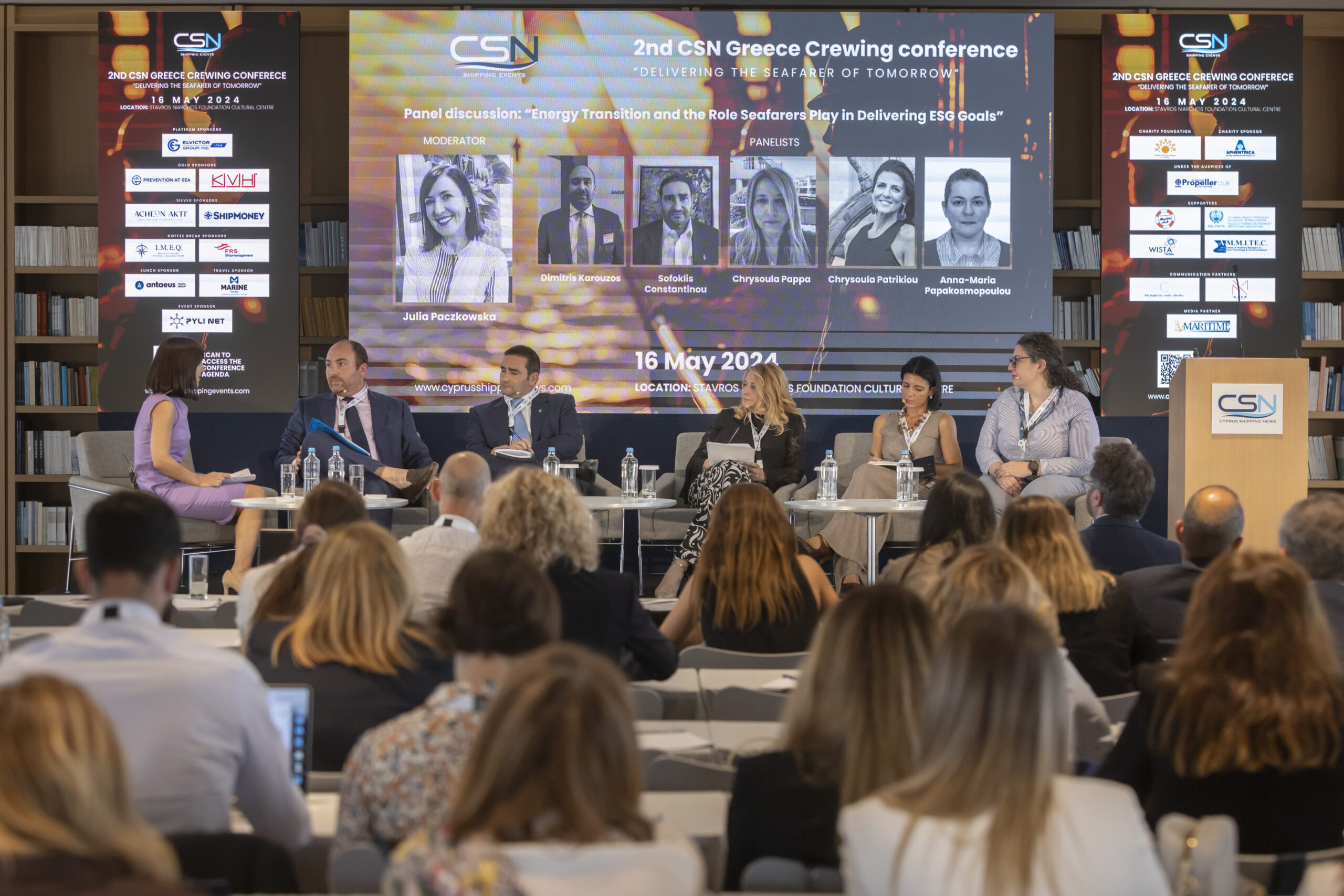
The second panel of the 2nd CSN Crewing Conference in Athens, May 16th, was titled “Energy transition and the role seafarers play in delivering ESG Goals”.

Mrs. Paczkowska was assigned to the role of the Moderator and the panelists: Mr. Dimitris Karouzos, Chrysoula Papa, Chrysoula Vasiliki Patrikiou, Sofoklis Constantinou, Anna Maria Papakosmopoulou were an amazing team blending effortlessly their expertise, professionalism and experience and managed to keep the audience actively involved in the interactive session.
QUESTIONS TO ALL
- Should a ship management company strive to re-engineer their processes and management concept to align with the new trends and requirements of ESG?
- How important is crew planning in the recruitment process, and how does it affect the ship operator’s ESG Readiness and budgeting?
INDIVIDUAL QUESTIONS
- Anna-Maria Papakosmopoulou, HSQE Fleet Manager – Maran Gas Maritime
“We know that future fuels pose risks and opportunities across the maritime and supply value chain. What do you see as the key risks and the key opportunities for seafarers as we transition into the new fuels?”
- Chrysoula Pappa, Crew Manager – Pleiades Shipping Agents S.A.
“Is the maritime market ready to absorb the new trends and tendencies that arise from ESG Requirements?”
- Dimitris Karouzos, Crew Manager – Angelakos (Hellas) S.A.
“How much hassle could this be for the continuous upskilling and continuous training of the seafarers?”
- Chrysoula Patrikiou, Business Development Director – Pyli Net
“Would the application of AI technology be transformative in terms of better adopting the changes arising from the ESG requirements and better controlling the ship’s technical management?”
- Sofoklis Constantinou, HR & Crewing Manager – Acheon Akti Navigation Co Ltd
“What are the best practices for assisting your crew pool enhancement in ESG Requirements and Readiness?”
In the opening, the Moderator, Mrs. Paczkowska stated that the maritime industry is going through a period of great transformational change, and changing shipping dynamics are amplifying the need for ESG. Sustainable shipping is not just an industry trend but should be an integral component of every business strategy, a necessity for the higher cause -the health of our planet. ESG is about people, operational processes, and technology, and ESG helps companies measure their social and environmental efforts to be quantifiable!
As technology evolves and awareness grows, the shipping sector is making steps towards reducing its environmental impact.
80% of decarbonization between now and 2030 will come from energy efficiency measures and this will have a huge impact on seafarers.
1.8-1,9 million seafarers are part of this transition to a sustainable maritime future and managing crew recruitment, proactive planning, identifying potential obstacles, skills, training, safety, and rights, and understanding seafarers’ rights will be more important than ever.
The first part of the discussion delved into the importance of re-engineering processes and strategies to align with ESG trends and requirements which are necessary steps for the sustainability and success of ship management companies.
According to the Human Capital Expert, Mrs. Patrikiou, the ESG and SDGS are indicators that aim to provide a framework meaning guidelines, directives, and regulations, for a sustainable world. Managing a company is a dynamic process; not static or solid. So re-engineering is inevitable but also essential in terms of recreation, reskilling, upskilling, and reconstruction on new foundations established by ESG indicators that eventually lead to a more sustainable world.
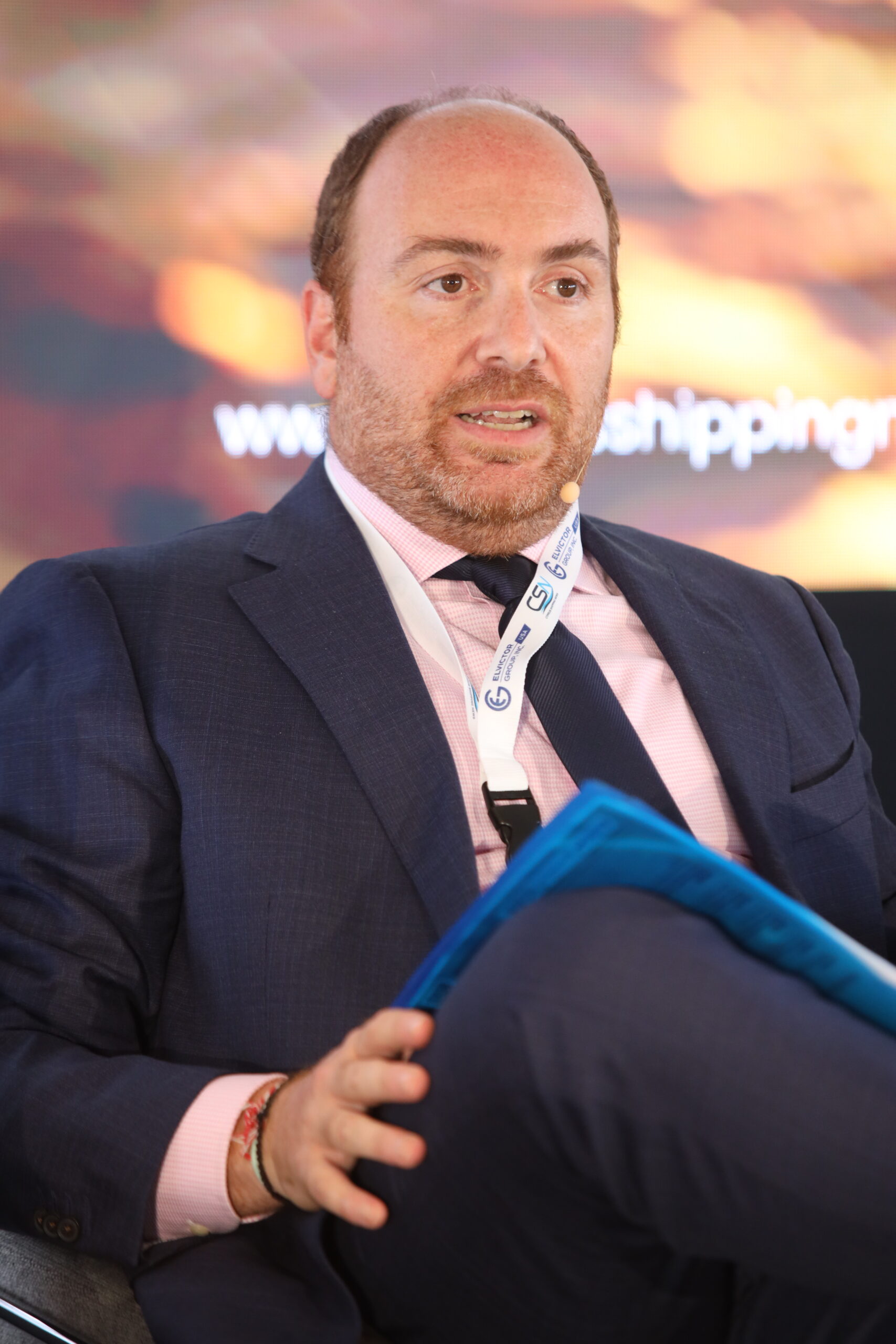
According to Mr. Dimitris Karouzos, the maritime industry’s adoption of ESG principles signifies an understanding that a ship’s journey doesn’t just begin at the port of origin and end at the port of call and it encompasses the entire ecosystem, including the people and environments affected by maritime operations. He further added that strategic business decisions can lead to long-term cost savings, operational efficiencies, sustainability, and profitability. “U have to remap the core of its shipping company if u wish to actively align with the new trends”.
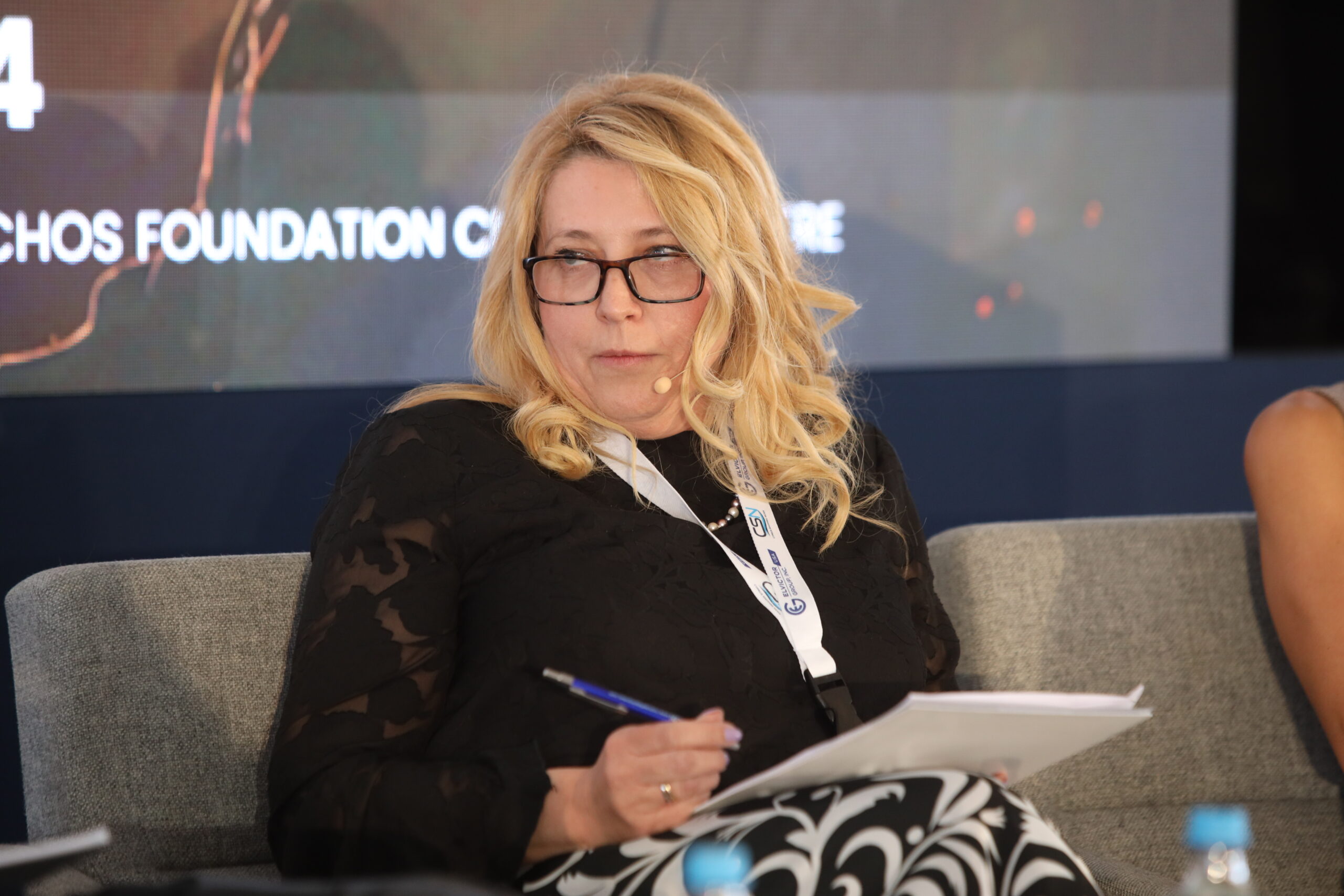
Mrs. Chrysoula Pappa contributed to the discussion stating that -re-engineering processes and management concepts to align with ESG trends and requirements is not only a responsible choice but also a strategic one that can yield numerous benefits in terms of compliance, risk management, stakeholder relations, competitiveness, and long-term sustainability.
All panelists further agreed that a clear understanding of green technologies, relevant terminology, and new fuels will be essential going into the next decade and every part of the shipping sector must collaborate on the best ways in which to design and deliver training to meet the new requirements.
It was concluded by Mr. D. Karouzos that no matter the cost, the companies will follow the new era since they are obliged to do so under the new regime.
The panelists also delved into the significance of crew planning and how essential it is for ship operators to achieve ESG readiness and align with sustainability objectives.
By recruiting, training, and managing crew members with a focus on ESG considerations, ship operators can enhance their operational efficiency, mitigate risks, and contribute to a more sustainable maritime industry.
Enhancing seafarers’ readiness and compliance with ESG requirements is crucial for sustainable operations and involves implementing various practices. Upon implementation of an ESG strategy, the organization needs to communicate with seafarers the organization’s commitment to ESG principles and their importance. The organizations must listen to what the seafarers have to say and discuss with them how their role will contribute to achieving ESG goals.
It is expected that more than 800.000 seafarers will require specific training by the mid-2030s.
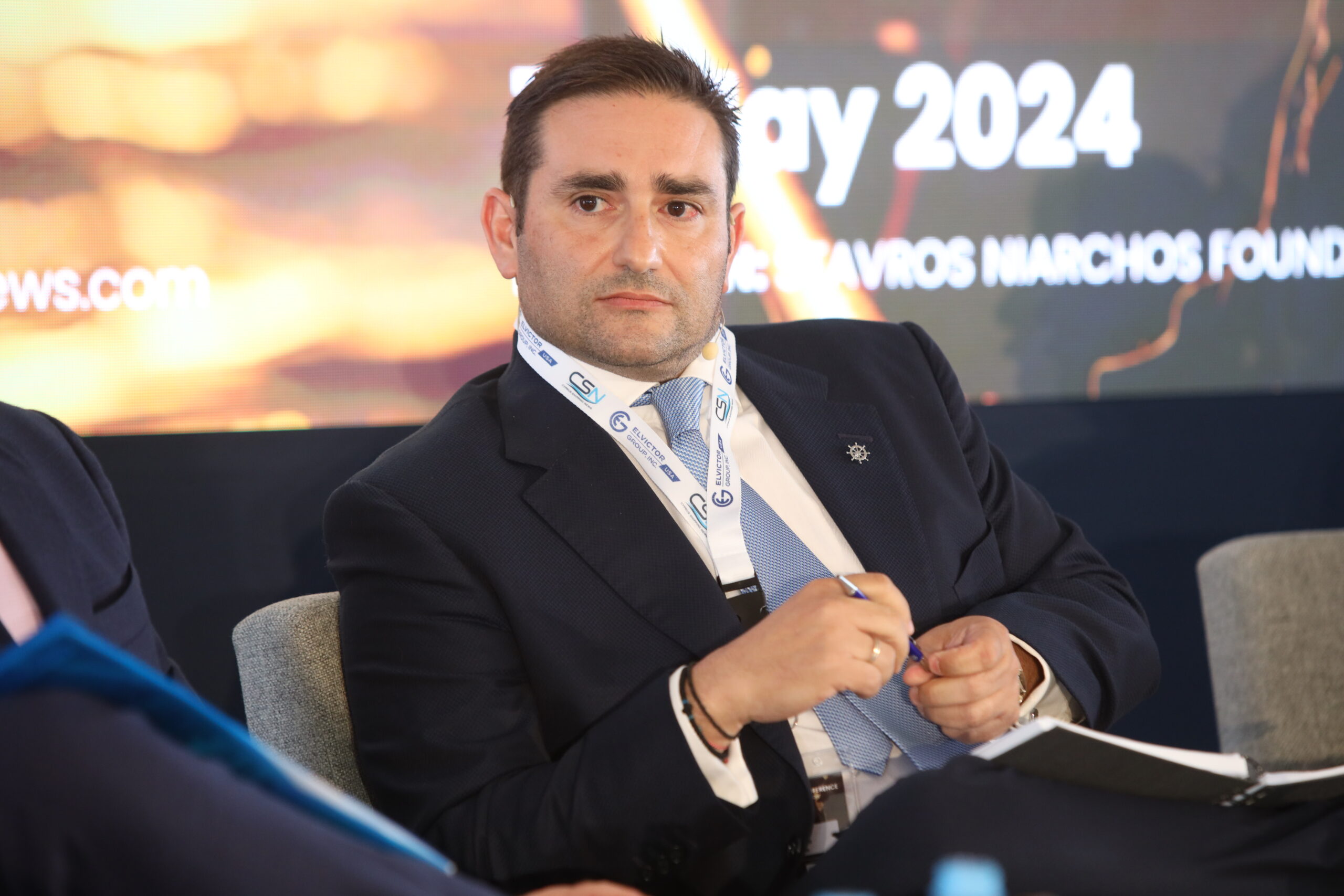
Mr. Sofoklis Contantinou echoed Mr. Karouzos’s views and underlined that the organization must establish practices for training seafarers, provide resources, support them, and prioritize the seafarers’ well-being and social responsibilities. Additionally, an organization needs to foster partnerships and collaboration with industry associations, establish monitoring and reporting mechanisms to track progress, assess performance, and stay flexible on new ESG trends and regulations.

Mrs. Anna Maria Papakosmopoulou shared concerns about using ammonia as the new fuel and admitted that there is a long, hilly way to climb for the ship operators and especially crew as we have no regulatory framework, no experience, and no training in place. On the bright side with every challenge come new opportunities – like new competencies that can span to other industries which means that we will be looking at very highly trained professionals and seafarers with green credentials.
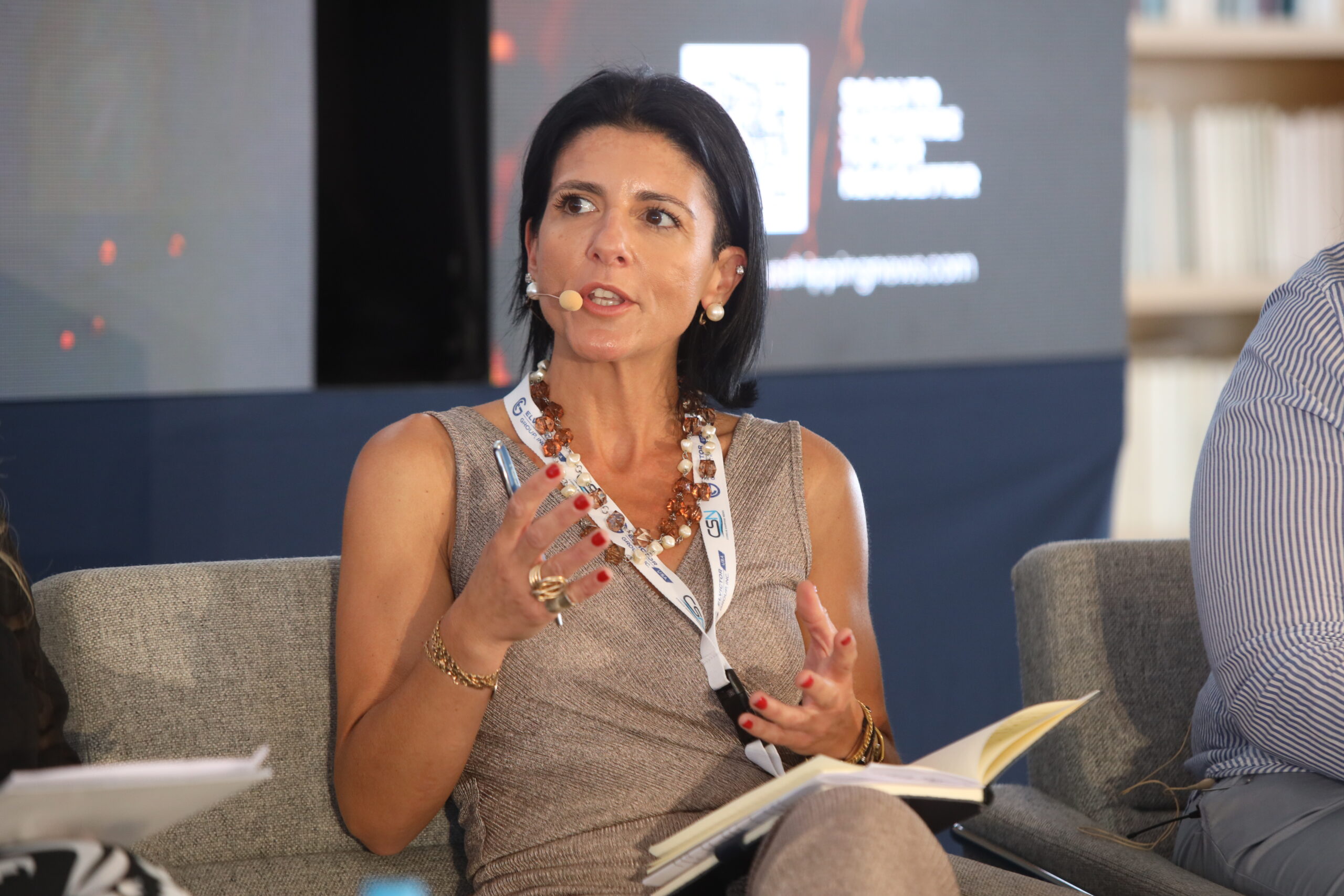
Mrs. Chrysoula Patrikiou added that crew planning is not just about filling positions but about strategically managing human resources to enhance operational efficiency, ensure ESG compliance, and optimize budgeting for ship operators. It involves considerations such as skill levels, training needs, diversity, sustainability practices, and cost-effectiveness—all of which are interconnected and crucial for the long-term success of maritime operations.
Mrs. Paczkowska pointed out that ship managers are the largest employers of the seafarers and from the Shipmanagement perspective seafarers and safety should be the top priority.
A large part of the conversation was committed to the human element in shipping underlining that seafarers are the flesh and blood of the shipping industry and they should be treated as the top asset. It’s the people that run the operation ashore and on board. Therefore, shipping companies need to invest in the right people not only to comply with the ESG requirements but also to exceed compliance and embrace commitment.
It was concluded that there are plenty of opportunities awaiting but the industry should not underestimate the challenges and focus on turning them into opportunities.
The organization/companies to adapt and become a vital part of this evolutionary change need to apply a strategic human-centric business model holistically and systematically. Starting with the people, ie. investing in Human Capital. We need competent, well-trained in terms of awareness, involved, and committed people to operate the systems consciously and behave accordingly. Then companies must equip and enforce their people with the suitable technological tools to respond wisely, efficiently, effectively, and safely to the upcoming challenges.

Involving people in the process makes them feel valuable. Motivated and empowered people can only be considered as an investment with a great return. In other words, human capital is the foundation of every community and the future of every economy. If we relate people with cost or budget try accidents!
Mrs. Paczkowska concluded the panel with a statement that all the stakeholders must embrace the ESG holistically, and build a company culture beyond compliance.” “There is no E, S, and G. There has to be an ESG as a whole”.She finally added that “ Thought is the wind, knowledge the sail and mankind the vessel” and that is what makes the true difference between the voyages is not the ship but the people on them.
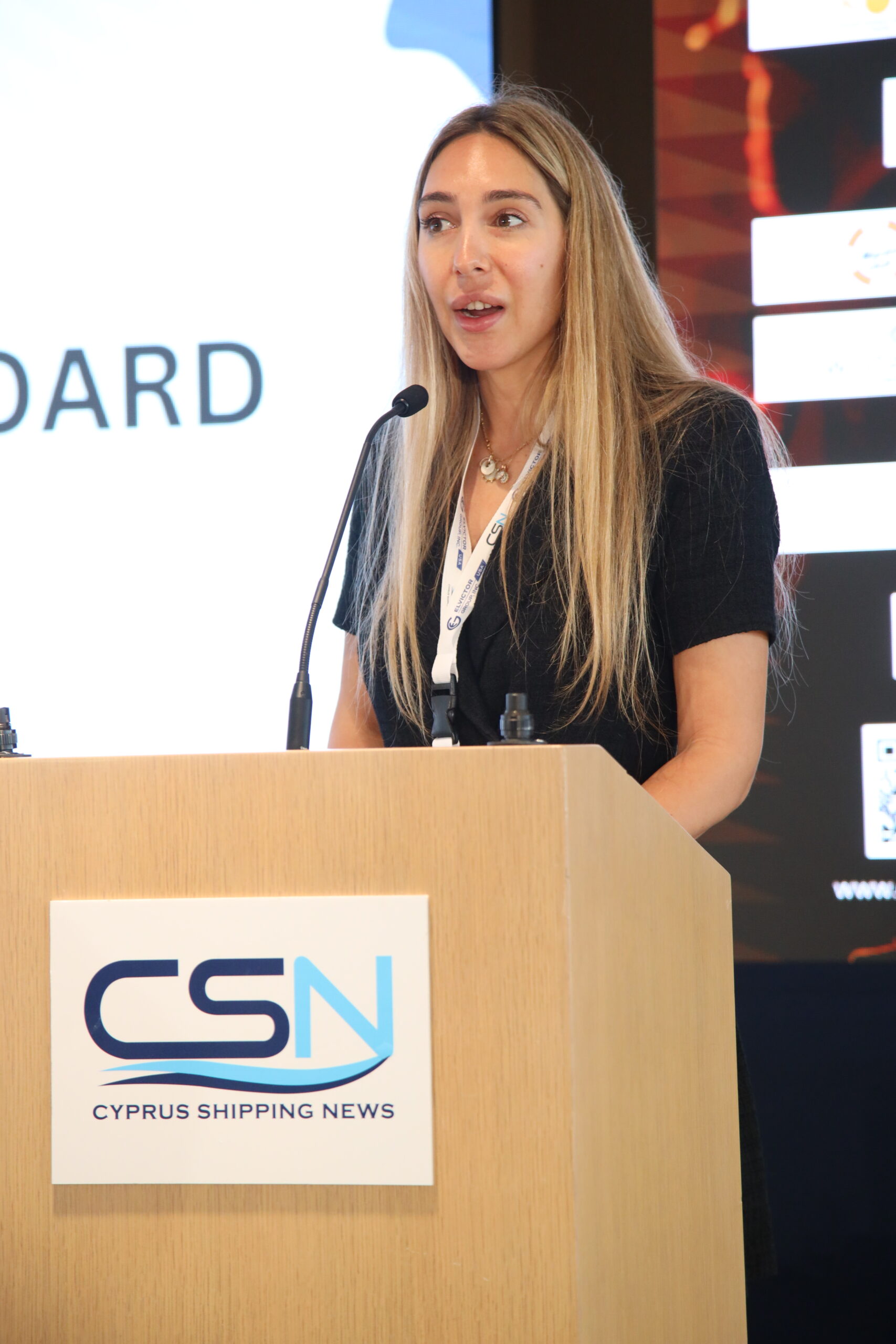
2nd Cyprus Crewing Conference Limassol – Panel 1 – Questions
Moderator
Konstantinos Galanakis, CEO – Elvictor Group, Inc. Crew Managers
Panellists – Person-to-Person Questions
– Sunil Kapoor, COO & Partner – Österreichischer Lloyd Seerederei (Cyprus) Ltd
1) It is widely held that the implementation of Welfare Strategies plays a pivotal role in bolstering and safeguarding high retention rates. What mindset should a contemporary ship manager adopt to effectively execute a robust Welfare Strategy and achieve a commendable retention rate?
2) Based on your professional experience and expertise, what are the foremost impediments to sustaining a high retention rate and ensuring the coherence of the talent pool?
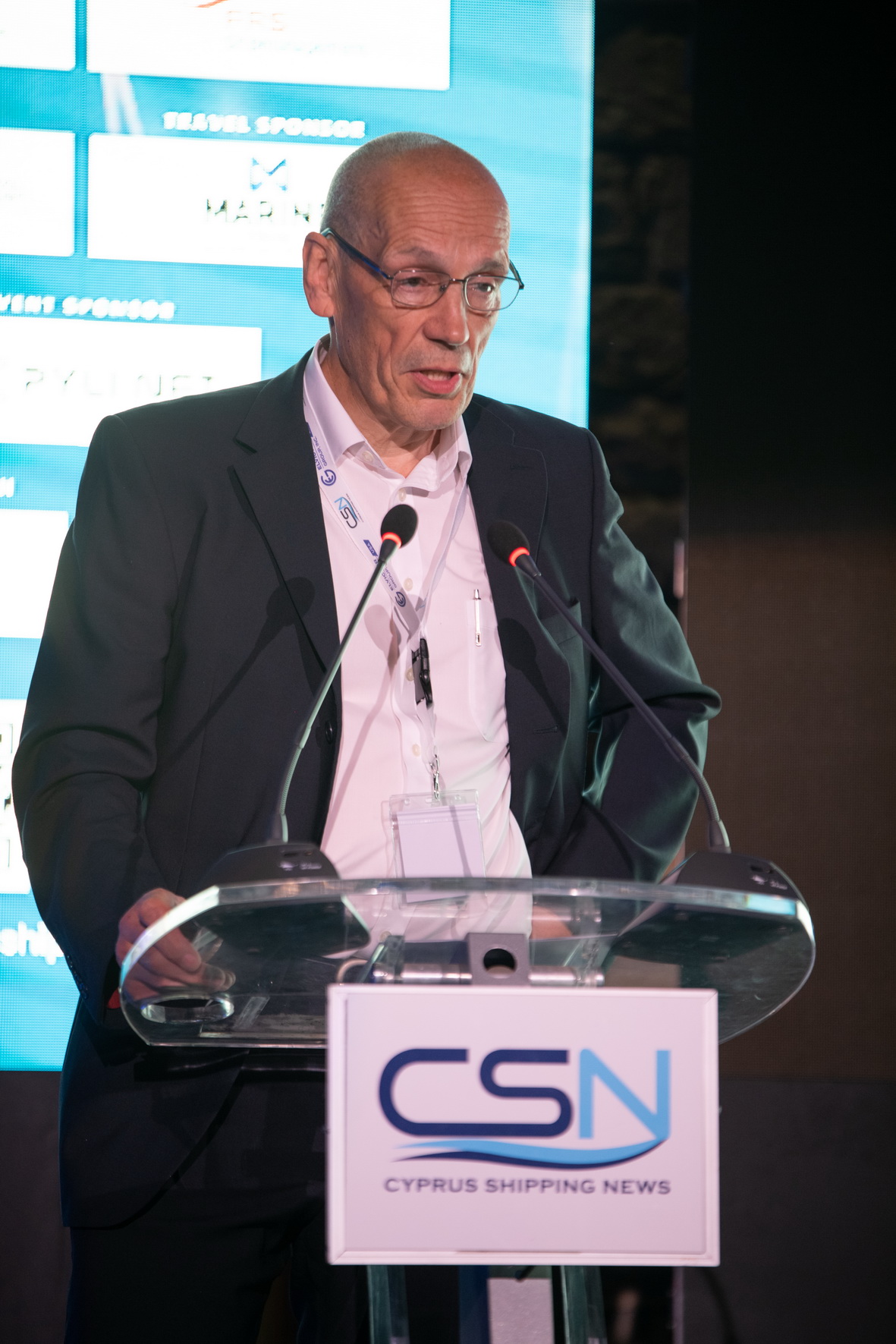
– Simon Grainge, Chief Executive Officer – International Seafarers’ Welfare and Assistance Network (ISWAN)
1) Implementing a Welfare Policy within the maritime industry may encounter various challenges and impediments beyond financial considerations. What are the contributing factors that may lead to delays or opposition in the application of a Welfare Policy? Could you kindly address these issues?
2) If a recently established ship management enterprise endeavours to adhere strictly to regulatory standards, implement industry best practices, and uphold the Welfare Policy, what are the initial steps and ultimate objectives for the company?
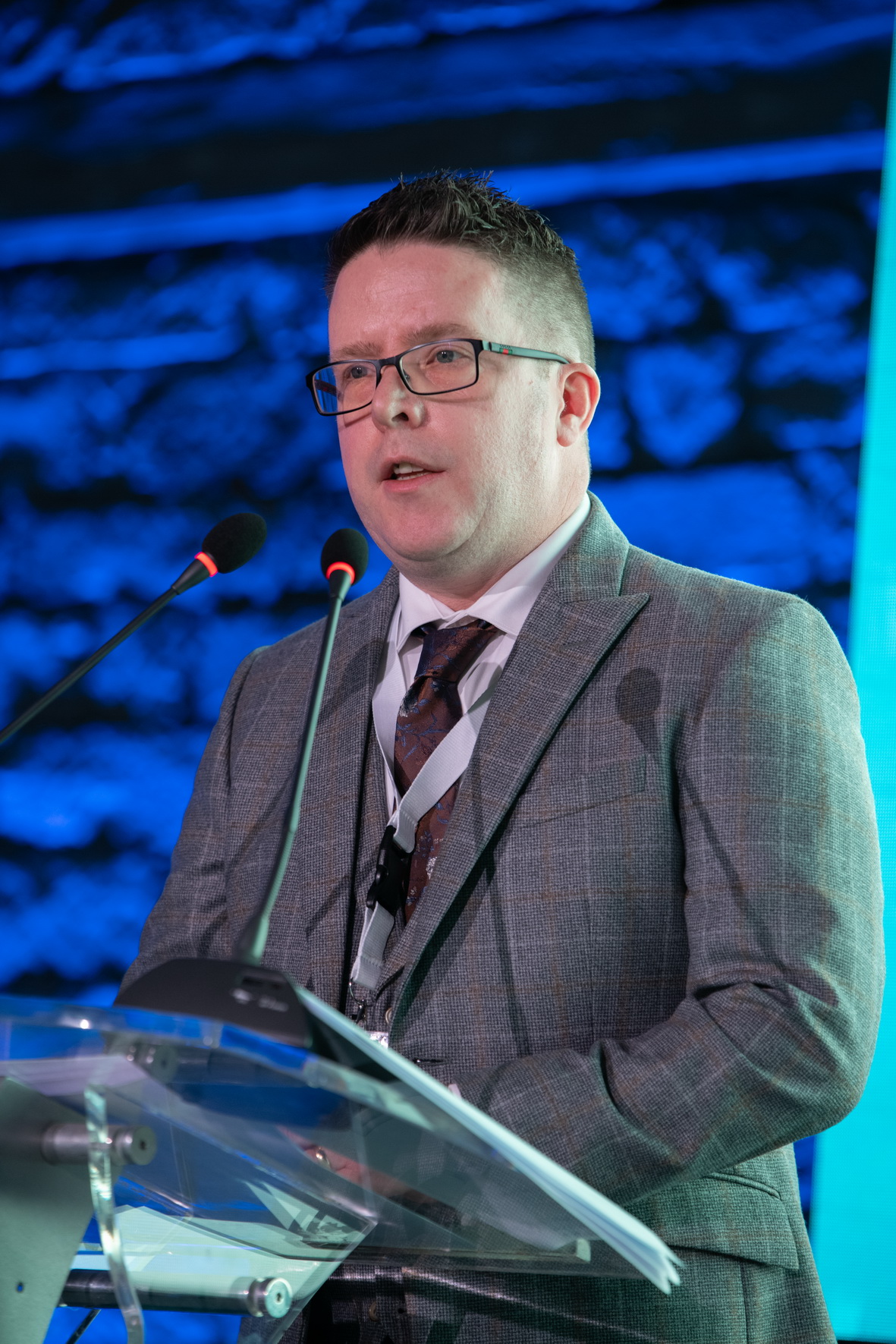
– Mike Bradshaw, FML Ship Management
1) What are the most common challenges in securing a loyal crew pool?
2) When developing an effective and innovative crew retention strategy, which stakeholders in the overall recruitment and management chain do you consider to be the most risk-tolerant and which are the most risk-averse?
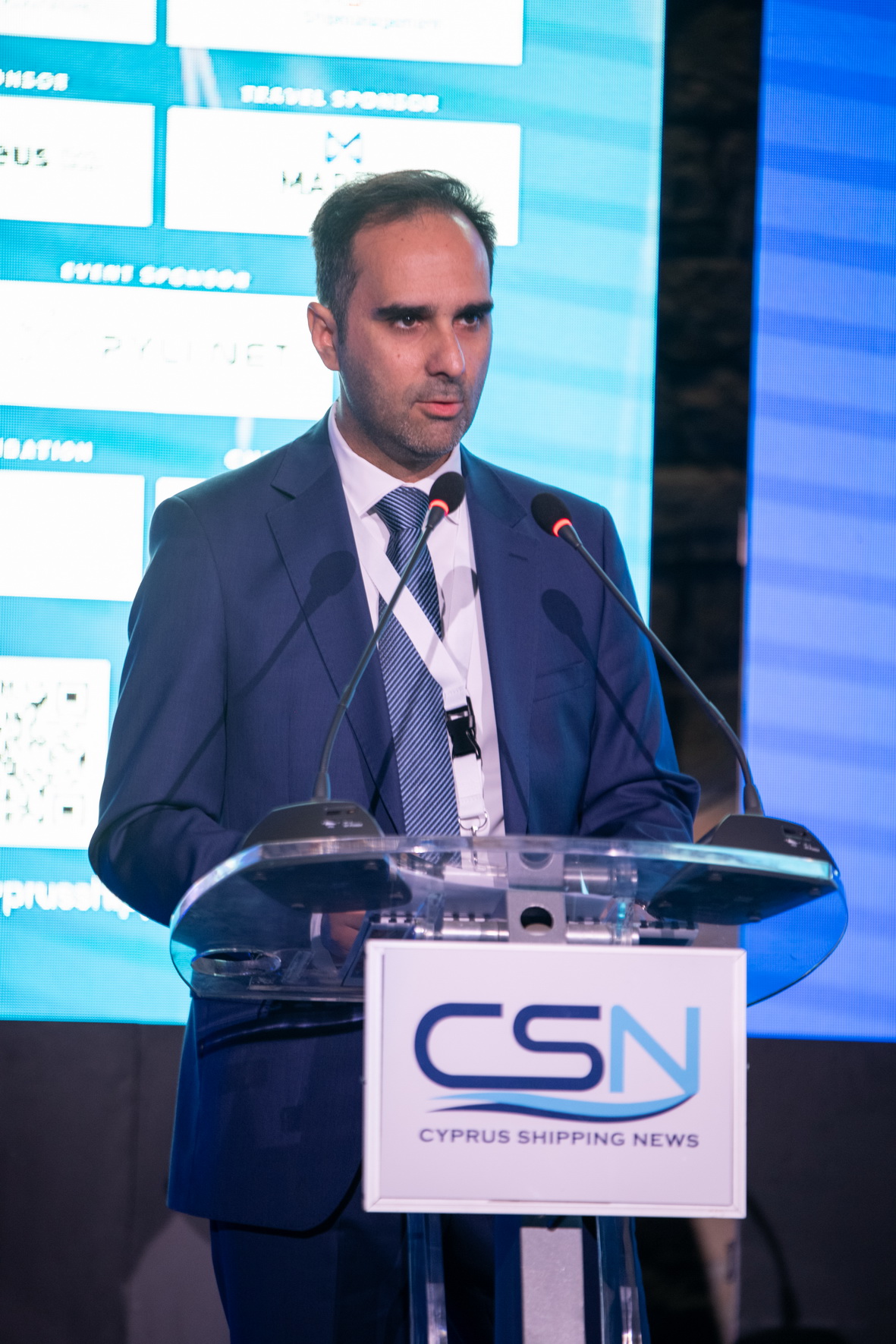
– Nikos Chanos, Crew Manager – Seaven
1) Everyone is talking about Crew Shortage, but do not talk about Crew Leakage? What are the basic causes for seafarers to leave their current employer and seek other job opportunities?
2) Do you opine that the implementation of new regulations, such as ESG and the transformation of logistics in shipping, will ameliorate the existing conditions of seafarers or impose an additional burden on their daily lives?
– Elena Bautista, Managing Director – FRS Shipmanagement
1) Can you please explain the specifications of the ferry industry in terms of crewing?
2) Talking about competitiveness, what are the specific challenges of recruitment and retention in the ferry industry?
– Haris Antoniou, Assistant Fleet Personnel Manager – Bernhard Schulte Shipmanagement
1) Identify the variances between ship managers and ship owners in relation to crew budgeting, planning, and formulating future strategies to enhance crew retention.
2) How do ship managers and ship owners perceive the necessity of a welfare strategy when it contradicts their predetermined budget? Is there widespread resistance in the present day, or are attitudes becoming more progressive?
Common Questions
1) The utilization of Artificial Intelligence within the maritime industry is presently in its nascent stage. What are your perspectives regarding the future implications of AI technology in shipping, specifically in relation to daily operations, logistics, and overall strategic approach?
2) What are the implications of achieving a harmonious coexistence between technology, particularly AI, and human decision-making or substitution?
2nd Cyprus Crewing Conference – Panel 1 – Analysis
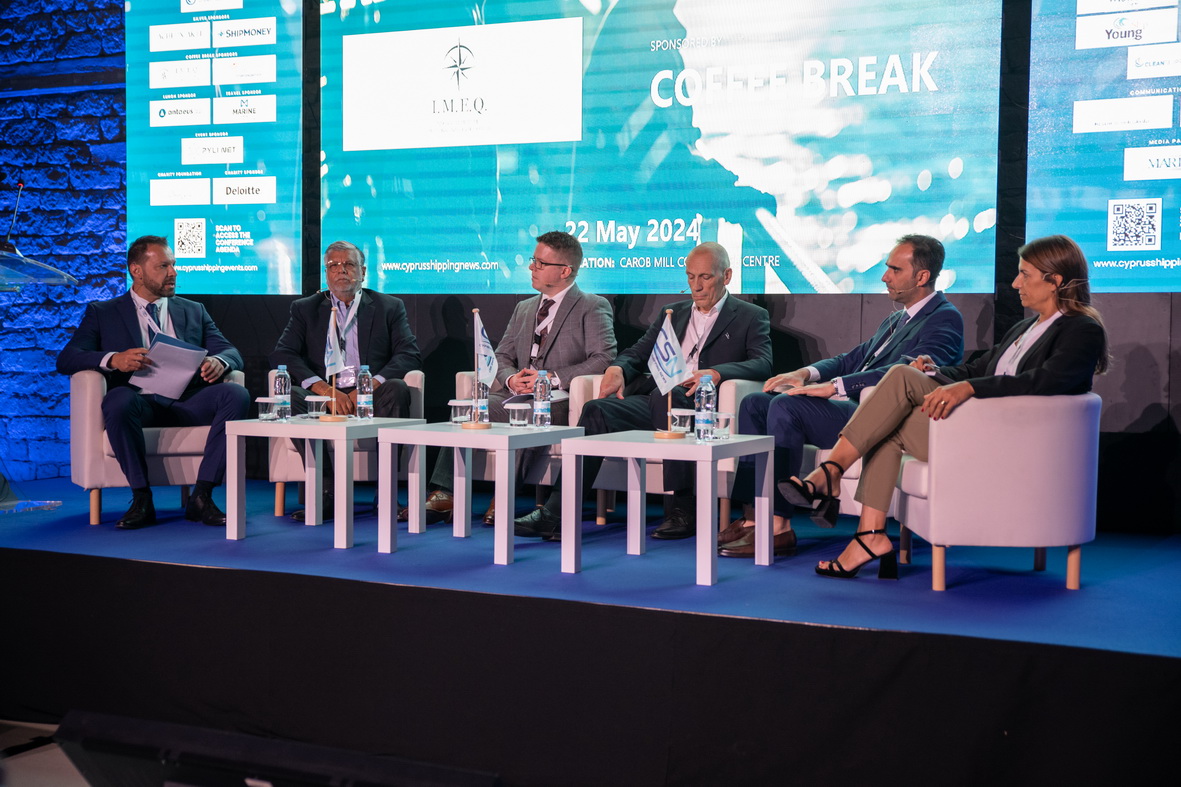
The shipping industry relies heavily on the skill and dedication of its workforce. To maintain a competitive edge, the implementation of Welfare Strategies is crucial for upholding high retention rates within the maritime sector. Seafarers face unique challenges such as unpredictable work hours, extended periods away from home, and rough weather conditions, which can take a toll on their well-being. A comprehensive Welfare Strategy encompasses access to healthcare, opportunities for personal and professional growth, recreational facilities, connectivity with family and friends, and creating a culture of safety, respect, and inclusivity. A contemporary ship manager must possess an empathetic, proactive, and strategic mindset, including empathy as a guiding principle, forward-thinking and proactive leadership, a culture-centric approach, strategic utilization of resources, innovative solutions and technology integration, and commitment to continuous improvement in order to effectively execute a robust welfare strategy and achieve commendable retention rates within the maritime sector.
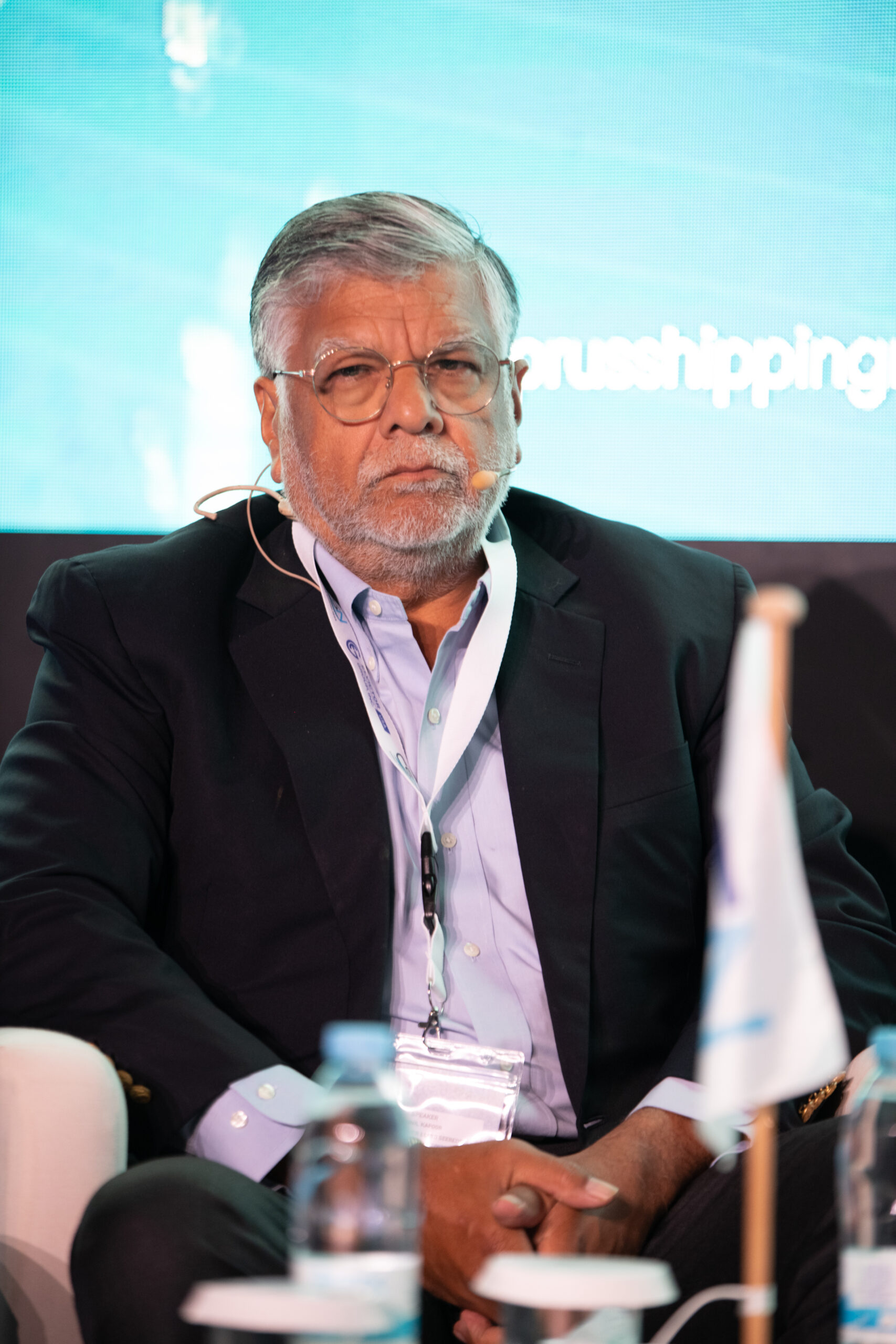
Mr Sunil Kapoor, the Chief Operating Officer and Partner at Österreichischer Lloyd Seerederei (Cyprus) Ltd, underscored the pivotal role of the Superintendent or Port Captain in visiting the ship. They serve as the “ultimate point of reference and a node” for conveying the genuine condition of the onboard areas requiring enhancement and effectively communicating the practical needs of the crew to the top management.
One of the foremost impediments to retention in seafaring jobs is the enduring nature of seclusion and its psychological impact on seafarers. The high-stress environment aboard vessels, coupled with prolonged periods away from home, exerts a profound psychological toll on crew members, often resulting in depression, anxiety, and other mental health issues.
Additionally, the physically demanding nature of seafaring, characterized by long hours and strenuous tasks, contributes to a heightened risk of injury and chronic health issues, further demoralizing the workforce and leading to higher attrition rates.
A significant obstacle to retention is the perceived need for career advancement opportunities. The structured hierarchy on ships often presents limited progression prospects, which can discourage ambitious individuals from pursuing long-term careers within the industry.
Technological advancements and economic volatility have also impacted retention in seafaring jobs. The rapid evolution of maritime technology has rendered some roles obsolete while demanding more specialized skills, potentially overwhelming or disenfranchising ageing sailors. Cost-cutting measures and increased operational efficiency have led to reduced manning levels, increasing workloads for remaining crew members and decreasing job satisfaction and retention.
Regulatory challenges further compound the issue of seafarer retention. Inconsistent enforcement of international regulations, coupled with perceived inequalities in the treatment of seafarers across the industry, creates frustrations and impedes efforts to maintain a coherent and consistent talent pool.
Economic uncertainty and job security concerns within the maritime sector have also led to sudden job shortages, impacting retention rates. Attracting new talent is crucial, and this entails addressing the misconception of seafaring as an outdated and unattractive career choice.
To mitigate these impediments, a focus on welfare and career development is imperative. Investing in crew welfare, including mental health support, improved onboard amenities, and transparent career paths with opportunities for upskilling, can enhance job satisfaction and retention. Additionally, continuous professional development programs must adapt to technological shifts, making the sector more appealing to the younger, tech-inclined generation and fostering a more vibrant and coherent talent pool. Consistent enforcement of international regulations is equally important to safeguard seafarers’ rights and ensure fairness across the industry.
The formulation of welfare policies within the maritime industry presents a significant challenge akin to navigating a vessel through turbulent waters. This critical industry, responsible for facilitating over 90% of global trade, is vital to the functioning of international economies. However, the welfare of the seafarers, who are instrumental in maintaining this essential flow, is under threat due to the challenging working conditions they face. The implementation of effective welfare policies to safeguard their well-being is imperative. While financial considerations are crucial, numerous other factors contribute to delays and opposition in the implementation of welfare policies specific to seafarers and seafaring jobs.
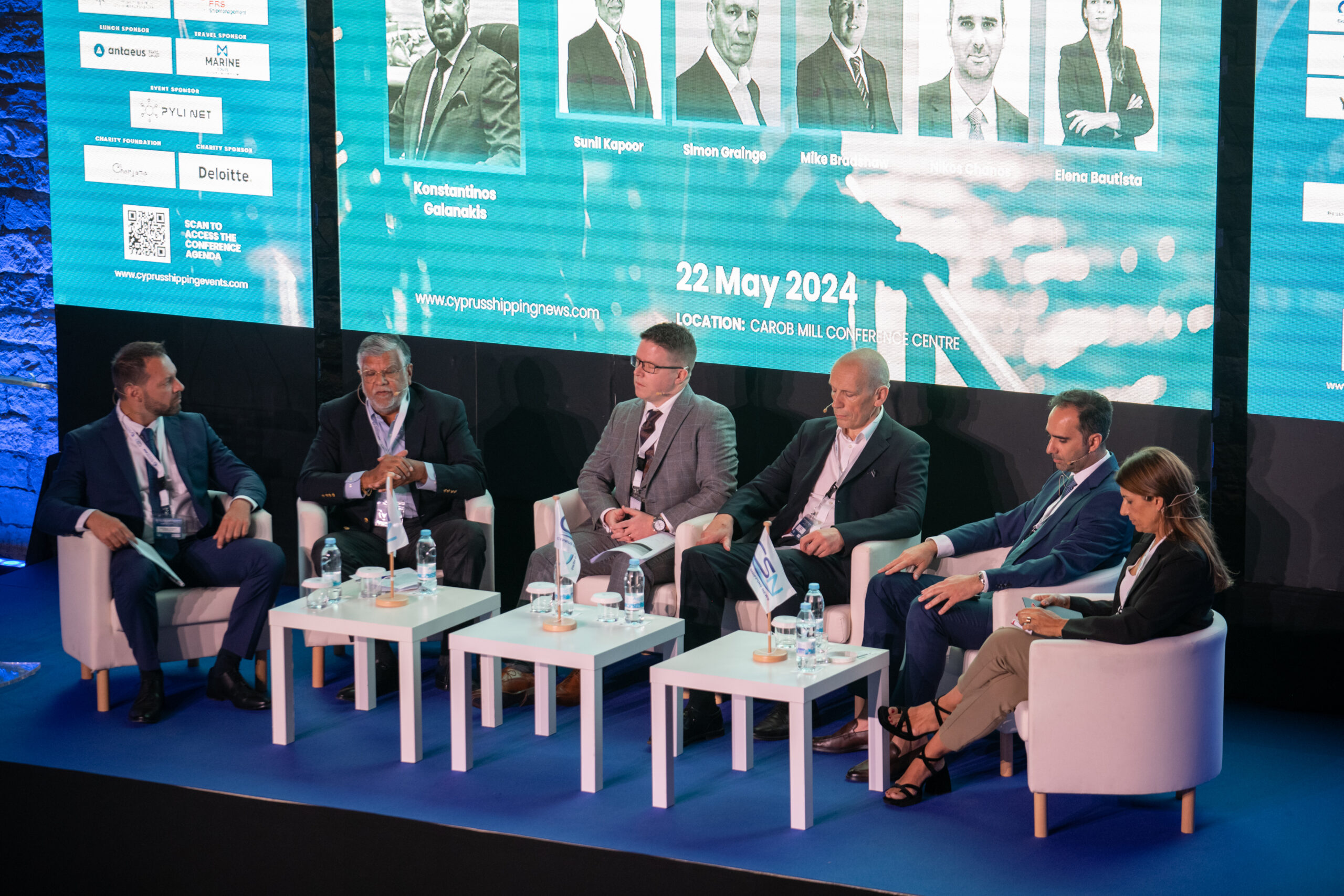
The international nature of the maritime industry poses a primary challenge due to the diverse origins of seafarers, their employment in multinational companies, and their navigation across various jurisdictions. As a result, standardizing welfare policies that accommodate international laws and regulations proves to be a daunting task. Discrepancies among nations in recognizing and enforcing seafarers’ rights lead to a lack of uniformity in welfare measures. For instance, while some countries may prioritize mental health support and adequate rest hours, others may overlook these critical aspects due to differing socio-economic pressures or regulatory frameworks. Although the International Maritime Organization (IMO) sets certain standards, such as those outlined in the Maritime Labour Convention (MLC), member states’ interpretation and application of these guidelines can vary significantly, making consistent welfare policy enforcement a complex task.
Furthermore, cultural diversity among crews presents a unique set of challenges to implementing welfare policies. The multinational composition of crews can lead to diverse expectations and definitions of welfare. Seafarers from different backgrounds may have contrasting beliefs about acceptable working conditions, appropriate grievance procedures, or necessary amenities. These varying expectations require a flexible approach to welfare that can accommodate all crew members’ needs while fostering a sense of equality and inclusiveness. Reconciling these cultural differences and creating a universally acceptable welfare policy is a delicate balance that requires thoughtful consideration.
The resistance within the industry to implementing welfare policies is another significant challenge. The implication of additional costs and regulations often leads to reluctance from companies. While some maritime firms recognize the long-term benefits of investing in crew welfare, others focus on the immediate financial implications. These companies might argue that increased costs make them less competitive and thus delay or oppose the adoption of comprehensive welfare policies. This resistance is compounded by a strong focus on profit and efficiency within the shipping industry, where cost-cutting measures are frequently rewarded in the short term, sometimes at the expense of seafarers’ quality of life.
Moreover, the isolation and invisibility of seafaring jobs make the need for welfare policies less apparent to those unaffected. Seafarers spend extended periods at sea, out of sight from the general public and policymaking bodies. Their remote working environment leads to an “out of sight, out of mind” dynamic where the urgency of their needs is not always recognized. This can result in a weak advocacy for seafarers’ welfare rights, both from within the industry and from external entities. Without strong voices championing their cause, seafarers’ welfare is easily sidelined or deprioritized, leading to delays in policy implementation.
Another notable factor is the issue of enforcement. The nature of the maritime industry, with vessels moving between international waters and a multitude of jurisdictions, renders enforcement of welfare policies challenging. Without effective monitoring and accountability mechanisms, companies might neglect or undermine welfare standards with little to no repercussions. The burden of enforcement often falls on flag states or ports of call, but the commitment levels and resources available to them vary greatly, thus complicating the realization of consistent welfare policy governance across the board.
Furthermore, the high-risk environment of the seafaring profession and the occurrence of maritime accidents further impede the effective application of welfare policies. Seafarers operate in dangerous conditions, facing threats such as piracy, harsh weather, and hazardous cargo. The emphasis on safety and emergency procedures can sometimes overshadow the focus on implementing comprehensive welfare measures designed to improve general living and working conditions. The preparation for and response to emergencies must coexist with the maintenance of regular welfare standards, a dual focus that can be difficult to achieve, especially on vessels where resources are limited.
Lastly, the volatile nature of the maritime industry’s employment patterns, characterized by fluctuations in demand, market conditions, and technological advancements, presents an additional layer of complexity to the implementation of welfare policies. The dynamic nature of the industry demands adaptable welfare policies that can withstand the ever-changing landscape of seafaring jobs.
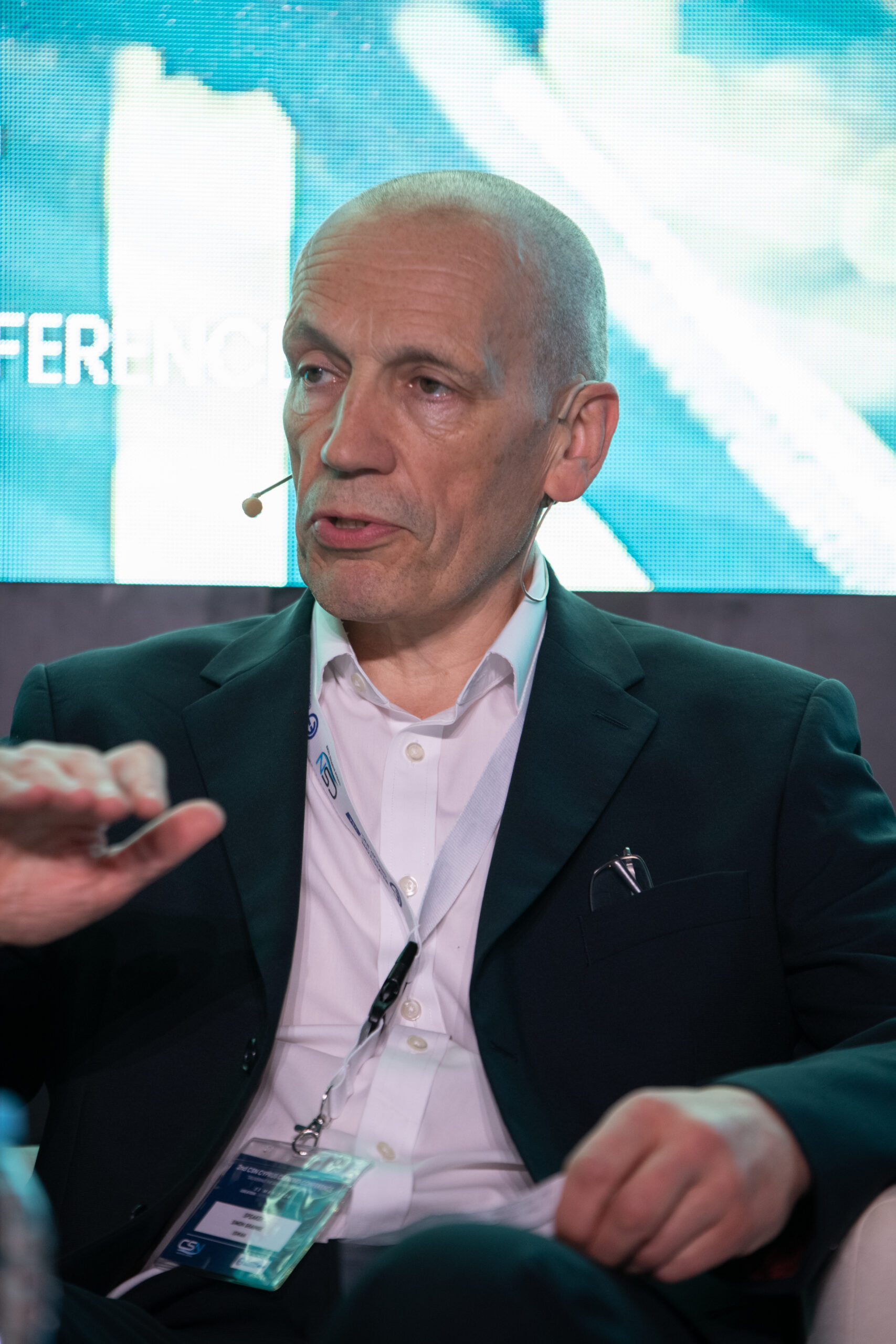
Mr. Simon Grainge, Chief Executive Officer – International Seafarers’ Welfare and Assistance Network (ISWAN), concluded that the maritime industry faces multifaceted challenges in implementing welfare policies for seafarers, ranging from international complexities and cultural diversity to industry resistance and enforcement issues. Addressing these challenges is crucial to ensuring the well-being of seafarers and upholding humanitarian standards within the maritime sector. The cooperation between ship operators and ship managers with organizations such as ISWAN may be advantageous for the implementation of welfare strategies. This collaboration offers access to knowledge, expertise, and best practices for devising distinct strategies tailored to the specific requirements, financial resources, and scale of each ship operator.
Being a Loyal seafarer is dependent upon factors such as extended periods away from home, high-stress levels, and exposure to potentially perilous environments, which contribute to elevated turnover rates. Additionally, variable contract terms influenced by market volatility and the escalating demand for skilled mariners further compound the issue, necessitating shipping companies to grapple with persistently maintaining a stable crew.
In response to these challenges, a comprehensive retention strategy must be devised to accommodate the diverse concerns of crew members while aligning with the interests of various stakeholders throughout the recruitment and management chain, including shipping companies, crewing agencies, marine education and training institutions, shipowners, and insurance providers. Additionally, addressing crew welfare concerns, promoting career advancement opportunities, and improving onboard living conditions are essential to securing crew loyalty in the contemporary age, where seafarers are increasingly vocal about their rights and expectations.
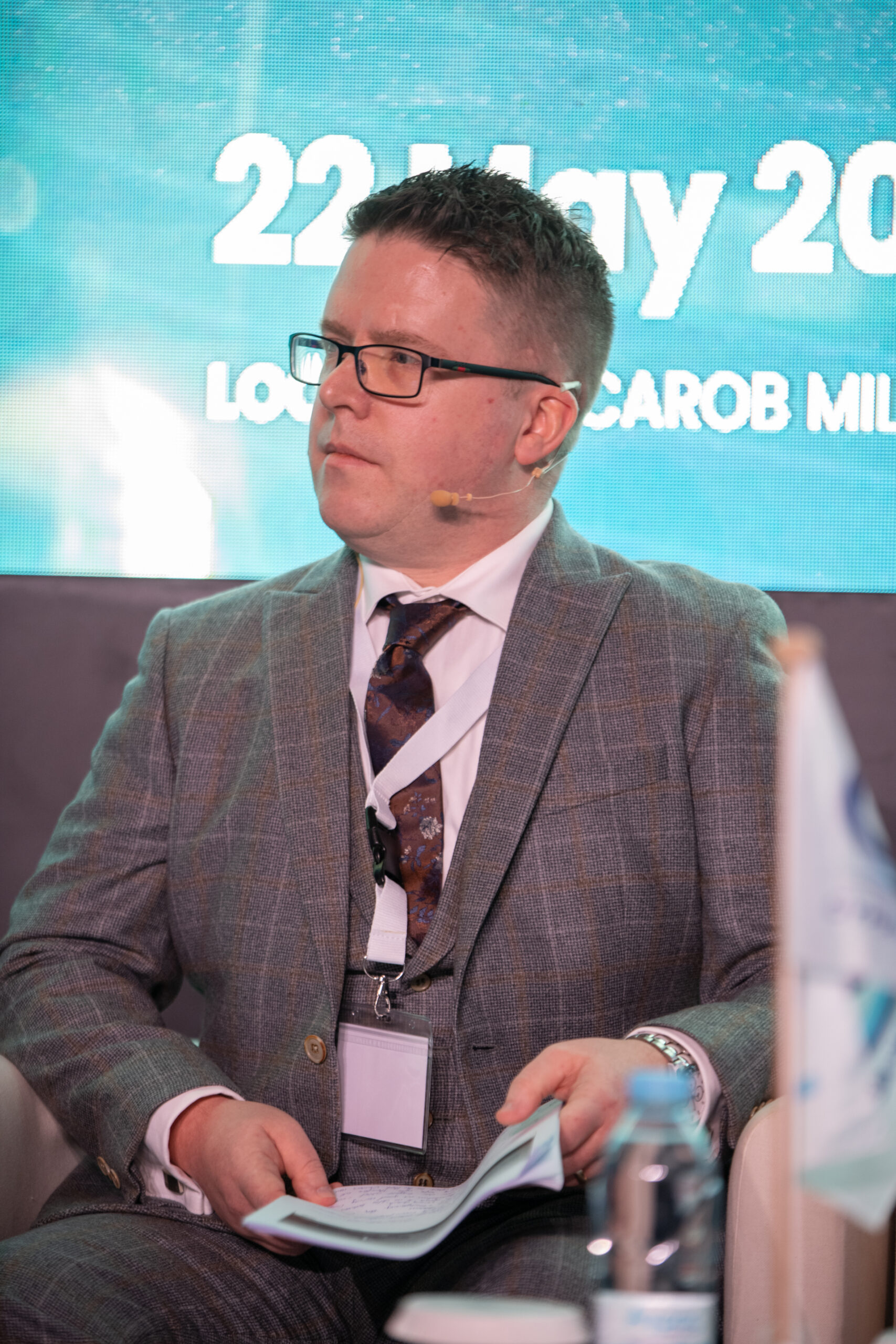
A multi-stakeholder approach is, indispensable to navigate the varying risk tolerances among stakeholders and establish a cohesive strategy, was pointed out and highlighted correctly by Mr. Mike Bradshaw, FML Ship Management.
This approach involves fostering collaboration and shared responsibility for crew retention, entailing constructive dialogue platforms where stakeholders can openly discuss their concerns, exchange best practices, and commit to investing in the well-being and professional development of the seafaring workforce. Furthermore, the strategy should encompass socio-emotional aspects of a mariner’s life, including initiatives to enhance onboard connectivity, mentorship programs, and comprehensive health and wellness programs, alongside career development programs to enhance crew loyalty.
Cognizant of demographic shifts and cultural changes within the potential recruit pool, stakeholders must adapt strategies to align with the aspirations of a younger generation, emphasizing work-life balance, technology and innovation promotion, and diversity and inclusion. A successful retention strategy acknowledges the disparities in risk tolerance among stakeholders and endeavours to leverage the strengths and capabilities of each party.
While the industry’s focus is currently on crew shortages, crew leakage is a hidden and equally damaging issue.
It is important to recognize the contribution of over 1.6 million seafarers to the global economy, as reported by the International Maritime Organization in 2021. Despite their significance, there is a notable sense of dissatisfaction within this community, leading to a concerning trend of ‘crew leakage.’ The decision for a seafarer to change employers or leave the sea altogether is rarely simple and can be attributed to various factors.
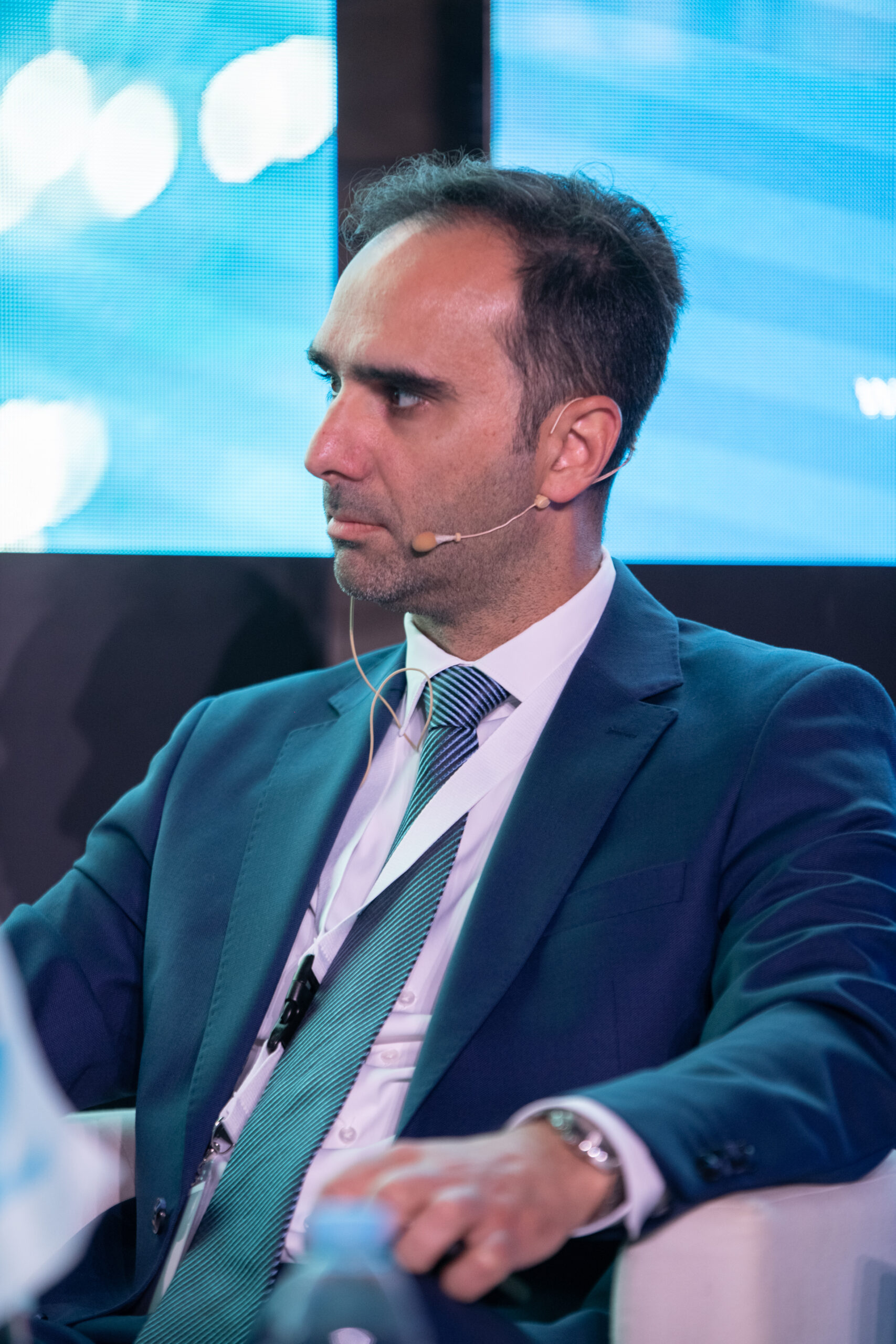
As Mr. Nikos Chanos, Crew Manager—Seaven, correctly highlighted, one of the primary causes of crew leakage is the physical and mental strain associated with seafaring jobs.
Seafarers, similar to modern-day Odysseus, endure long periods away from their families, facing isolation and harsh weather conditions. The mental toll, combined with the pressure to maintain tight shipping schedules, creates a working environment synonymous with stress and fatigue. These harsh realities starkly contrast the idealized images of seafaring and prompt many to reconsider their career choices.
The structure of contracts in the seafaring industry further exacerbates the issue. Often characterized by insecurity, such contracts can be short-term or extended unpredictably, leading to job instability. Coupled with wages that may not reflect the hazards and expertise required for the roles performed, it is hardly surprising that many seafarers seek more stable and rewarding opportunities ashore.
Shifting our focus to the potential mitigating or exacerbating factors of these conditions, the implementation of ESG and the transformation of logistics in shipping present a dichotomy in their effects on the lives of seafarers. On one hand, there is hope that heightened ESG standards could lead to improved living and working conditions on board vessels. The ‘Social’ component, in particular, mandates better treatment of seafarers, requiring employers to prioritize their welfare and development. Concepts such as ‘decent work’ and ‘fair treatment of workers’ could theoretically result in a positive shift in seafarers’ quality of life. With investors paying increasing attention to ESG performance, companies may be incentivized to uphold higher standards to remain competitive and maintain their social license to operate.
Simultaneously, the shift towards green shipping through the ‘Environmental’ aspect of ESG could result in environmentally friendlier vessels that are safer and potentially more comfortable for crews. Less toxic fumes, improved waste management systems, and enhanced energy efficiency are initiatives that not only benefit the environment but also the health of seafarers.
However, paradoxically, the ESG framework and logistics overhaul could also impose an additional burden on seafarers. The transition to cleaner energy sources and more sustainable practices often comes with a steep learning curve for existing crew members. Training for new technologies and processes can be rigorous and demanding, potentially straining an already overstretched workforce. The logistical complexities introduced by this transformation could extend working hours, disrupt familiar operational patterns, and even render some current skills obsolete, putting a strain on the lives of seafarers.
Furthermore, stringent environmental regulations could lead to increased scrutiny of ships and crews, amplifying the pressures of compliance; for vessel operators dealing with narrow profit margins, such rigorous adherence could be achieved at the expense of crew welfare unless adequately enforced mechanisms are put in place to prevent this. Thus, while the intention behind ESG and logistics transformation is to bring about a positive change, its uncritical and hasty implementation might lead to pitfalls that inadvertently contribute to the problem of crew leakage.
As we navigate this discussion, it is crucial to acknowledge that the seafaring profession is at a turning point. The maritime industry must adopt a sensitive and multifaceted approach to addressing crew shortages and leakage. To retain their workforce and attract new talent, companies must adopt more compassionate employment practices that prioritize the well-being of seafarers.
The roles of ship managers and owners may seem similar, but they actually have significant differences, especially when it comes to managing the crew and planning for their well-being. Ship owners are responsible for the ships and invest their money in them, while ship managers handle the day-to-day operations, including managing the crew, on behalf of the owners. Both have the same goal of making sure the ships run well and make a profit, but they have different approaches to achieving this.
Ship owners focus on maximizing the value of their investment and may minimize costs, including those related to the crew, to protect the ship’s profitability. On the other hand, ship managers, who are paid based on how well they manage the ship, have more flexibility to prioritize the welfare of the crew within their budget because they understand that the crew’s performance and well-being are essential to the ship’s success.
When it comes to crew planning, ship managers are more directly involved and understand the importance of planning for their well-being and job satisfaction. They consider the crew valuable assets and advocate for better living conditions, fair pay, and opportunities for career growth. On the other hand, ship owners may only sometimes fully appreciate the importance of crew planning and may delegate these responsibilities to others.
There is a debate about the need for welfare strategies for the crew and how they fit into the budget, as correctly highlighted by Mr. Haris Antoniou, Assistant Fleet Personnel Manager – Bernhard Schulte Shipmanagement.
Some people believe that investing in the crew’s well-being is essential for safe and efficient ship operations, while others may see it as an unnecessary expense. However, there is a growing recognition in the industry of the importance of taking care of the crew for the safety and efficiency of the ships.
Overall, the shipping industry is changing its attitude toward recognizing the value of crew well-being, driven by regulations and societal pressures. This shift is leading to a more progressive approach to managing crew welfare in the maritime industry.
The ferry industry is different from other types of maritime transportation because it involves carrying both passengers and vehicles across short distances within strict time frames. The people who work on ferries have unique responsibilities, including providing customer service and ensuring the safety and comfort of passengers, in addition to operating the vessel.
Several differences exist between the ferry industry and other maritime sectors. For example, ferry crews have more predictable schedules and shorter trips, allowing them to have a better work-life balance. In contrast, those working in the merchant sector often spend long periods away from home due to international voyages.
Recruiting and retaining qualified staff in the ferry industry can be challenging due to competition from other employment opportunities and the need for specialized skills.

In addition, the repetitive nature of ferry routes and strict schedules can create significant stress for crew members, leading to high turnover, as Mrs Elena Bautista, Managing Director—FRS Shipmanagement, pointed out.
To address these challenges, ferry companies need to invest in their crew by offering competitive pay, career development opportunities, and a supportive work environment.
The maritime industry is on the cusp of a major transformation with the rise of Artificial Intelligence (AI). AI has the potential to revolutionize the way ships operate, from improving navigation and maintenance to streamlining logistics and strategic decision-making. However, as we embrace AI in shipping, we must carefully consider its impact on the human element, particularly the seafarers who are at the heart of global seafaring.
AI can significantly improve efficiency and safety in daily ship operations. For example, it can help ships navigate more efficiently, predict maintenance issues, and optimize cargo distribution. This can lead to cost savings and less impact on the environment. Additionally, AI can provide valuable insights for shipping companies to make better decisions based on market trends and customer behaviour.
Despite the numerous benefits, it is imperative to contemplate the potential impact of AI on human decision-making. While AI offers unparalleled precision and reliability, the significance of human expertise and intuition remains indispensable, particularly in unforeseeable maritime circumstances. Concerns also arise regarding the prospect of AI-managed uncrewed vessels, which could fundamentally transform the roles of seafarers. Nevertheless, this scenario seems speculative, given the ongoing implementation of new regulations and legislation emphasizing the necessity for human completion and oversight of ship documents. Theoretical considerations diverge from practical applications, and the evolution of AI necessitates a concerted effort to enhance the working conditions of both seafarers and the personnel of ship operators and managers.
A balanced approach is needed, where AI empowers human expertise rather than replacing it entirely. This means that seafarers need to adapt by learning new skills to work with AI technologies. It’s also important to consider the psychological impact of integrating AI into an industry that has traditionally relied on human expertise and to ensure that seafarers’ welfare is a top priority.
In conclusion, while AI brings exciting opportunities for the maritime industry, it’s essential to find a balance that harnesses the benefits of AI while preserving the invaluable human element.
2nd Cyprus Crewing Conference – Panel 2 – Questions
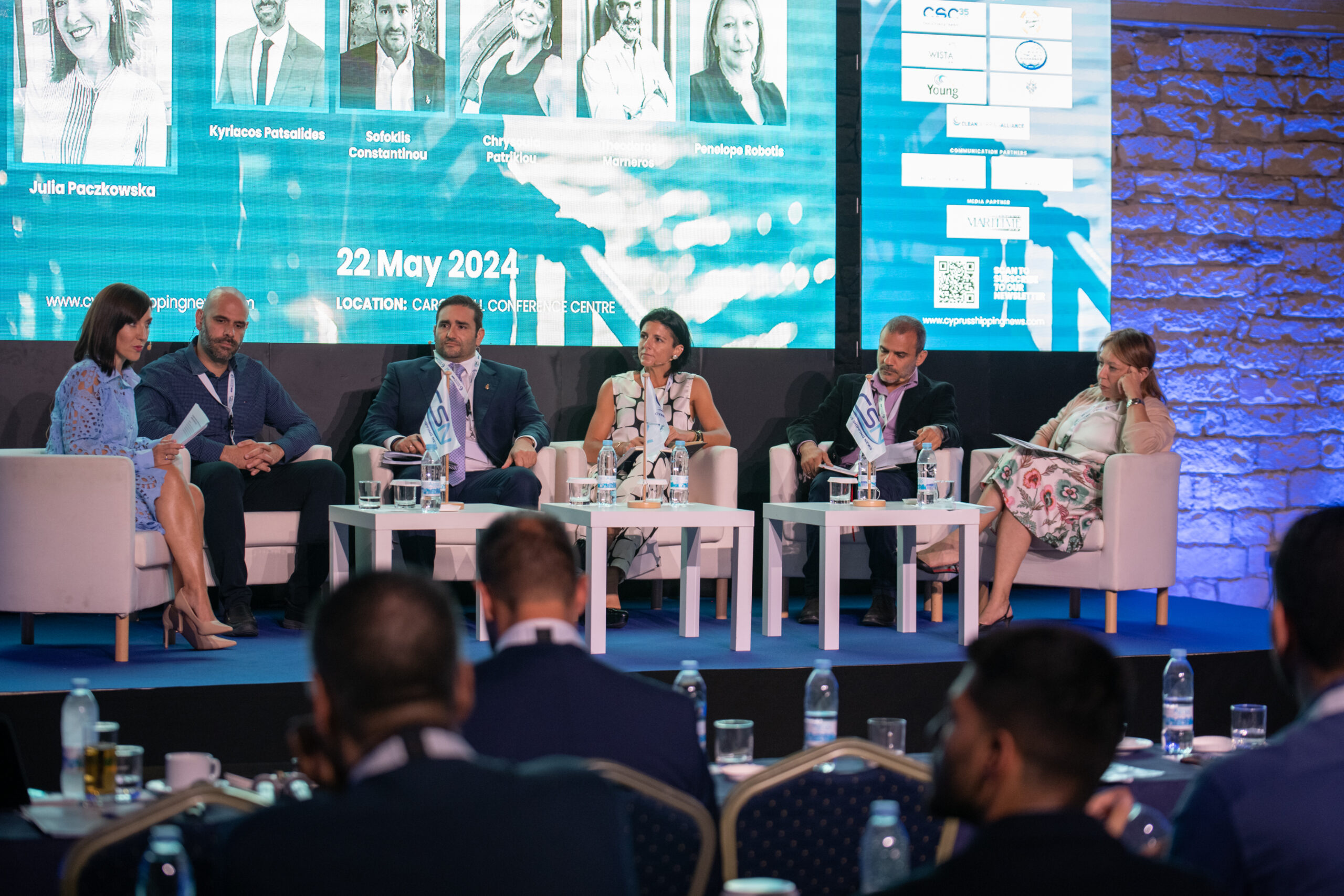
Moderator
Julia Paczkowska, CEO – Elvictor Group, Inc. Crew Managers
QUESTIONS TO ALL
- Should a ship management company strive to re-engineer their processes and management concept to align with the new trends and requirements of ESG?
- How important is crew planning in the recruitment process, and how does it affect the ship operator’s ESG Readiness and budgeting?
- Would the application of AI technology be transformative in terms of better adopting the changes arising from the ESG requirements and better controlling the ship’s technical management?
Panellists – Person-to-Person Questions
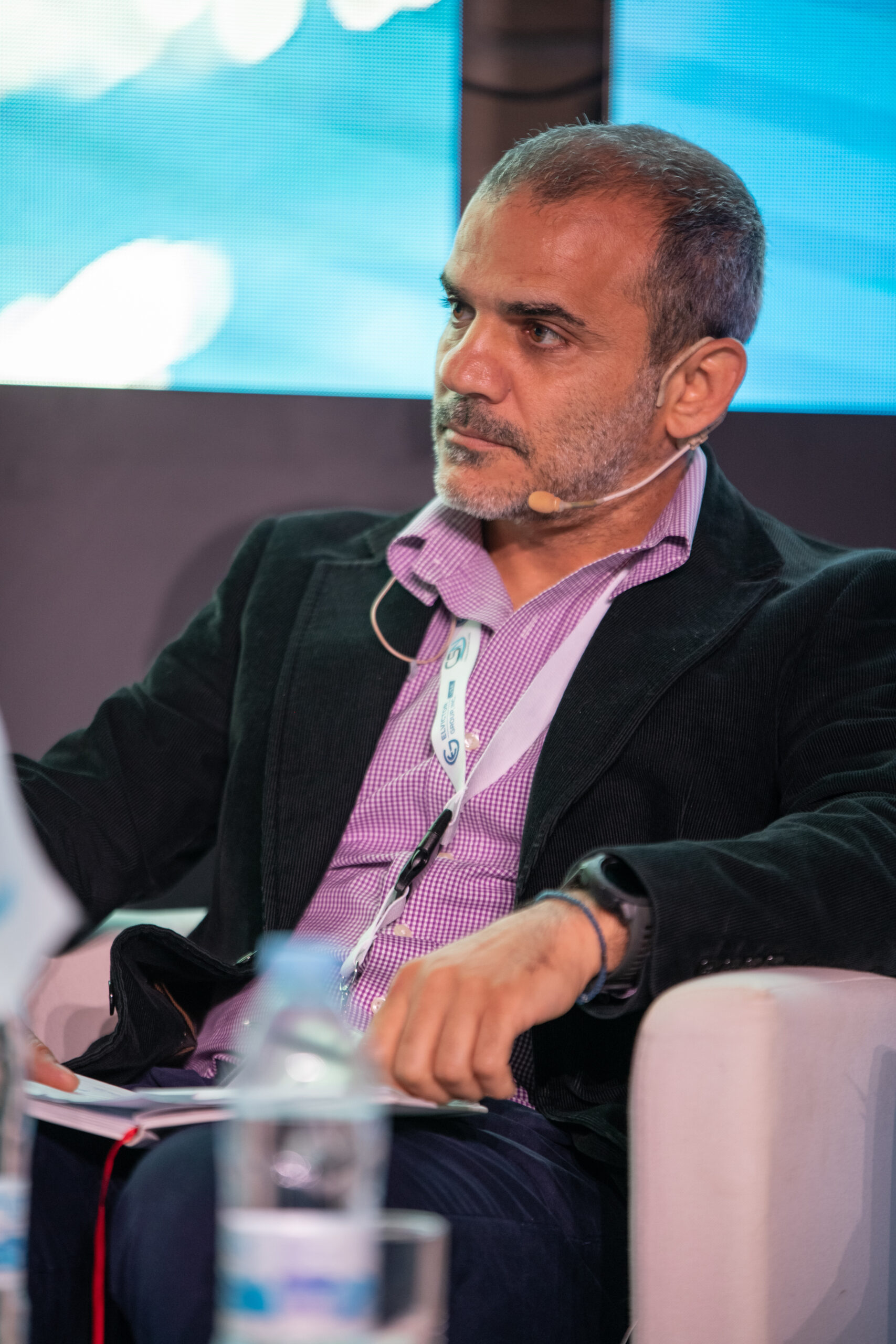
- Theodoros Marneros, Managing Director – 3 Seas Shipping:
We know that future fuels pose risks and opportunities across the maritime and supply value chain. What do you see as the key risks and the key opportunities for seafarers as we transition into the new fuels?

- Chrysoula Patrikiou, Business Development Director – Pyli Net
“What are the key benefits for the global maritime community by investing in employees’ behavioral competency, and how does this strategic human-centric business model reflect the value of global sustainability indicators and guidelines such as ESG and SDGs?”
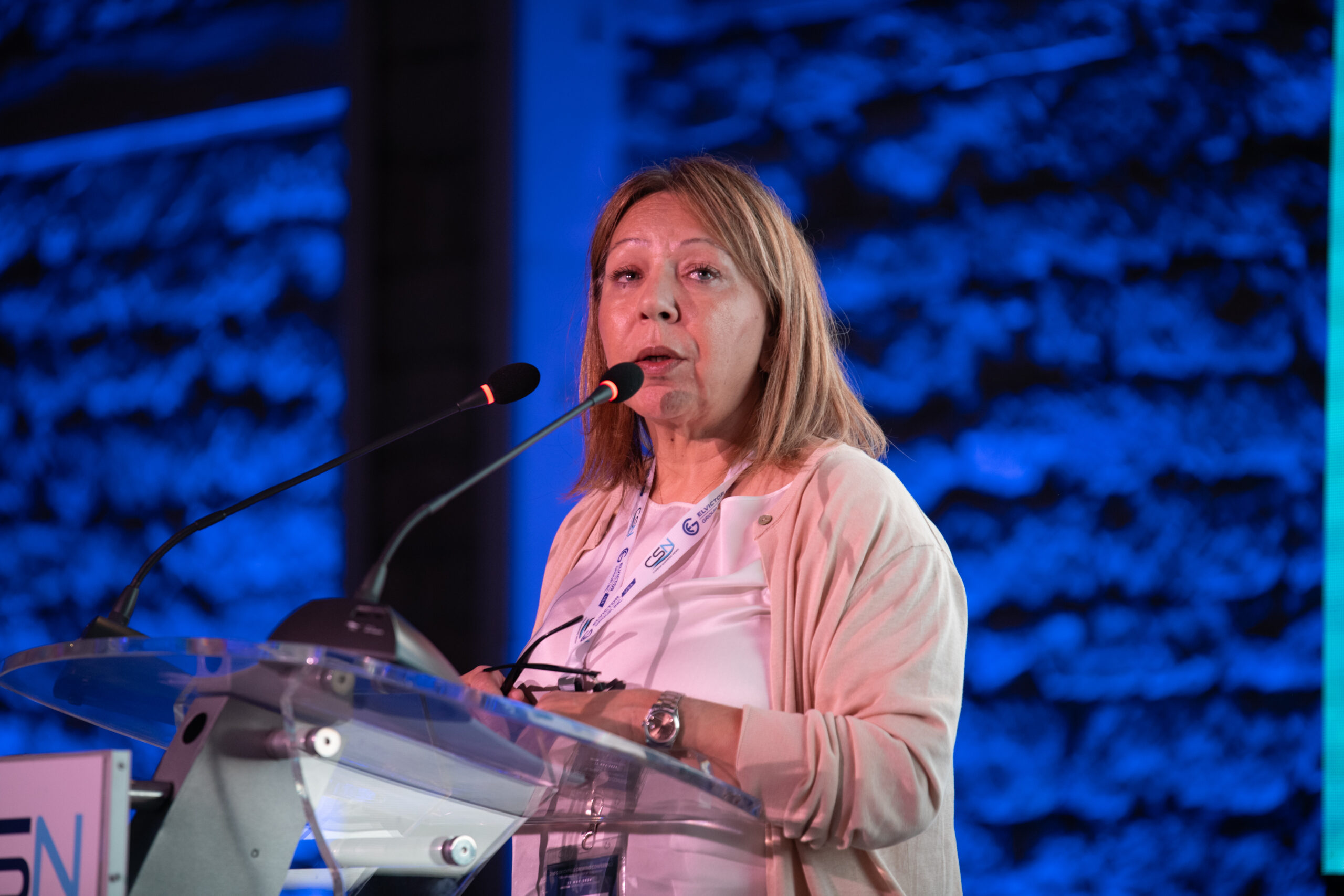
- Penelope Robotis, Chief Psychometrics & Recruitment Officer – IMEQ Center
“Is the maritime market ready to absorb the new trends and tendencies that arise from ESG Requirements?”
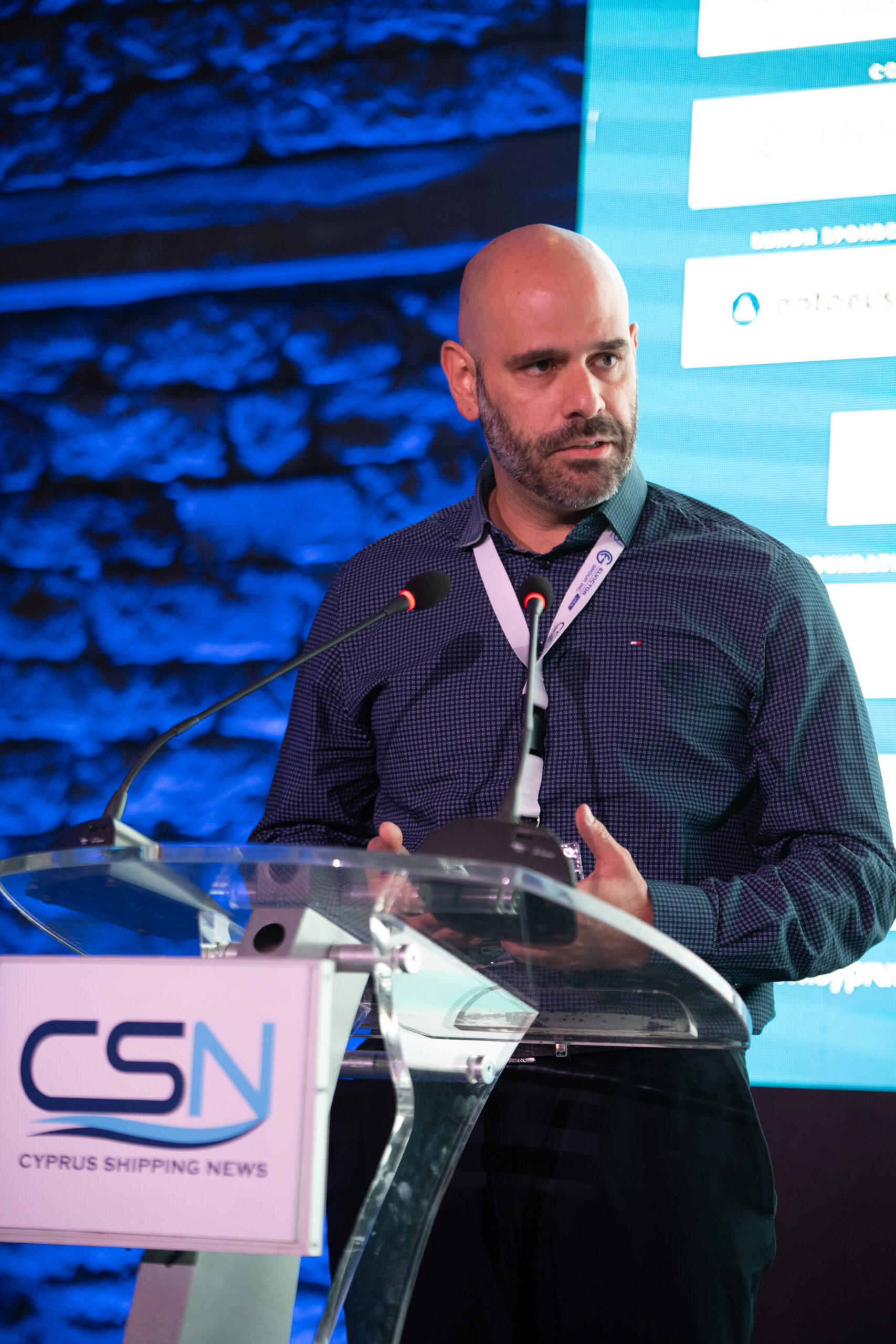
- Kyriacos Patsalides, Director of Academic Affairs – Intercollege and the Cyprus Maritime Academy
“How much hassle could this be for the continuous upskilling and continuous training of the seafarers?”
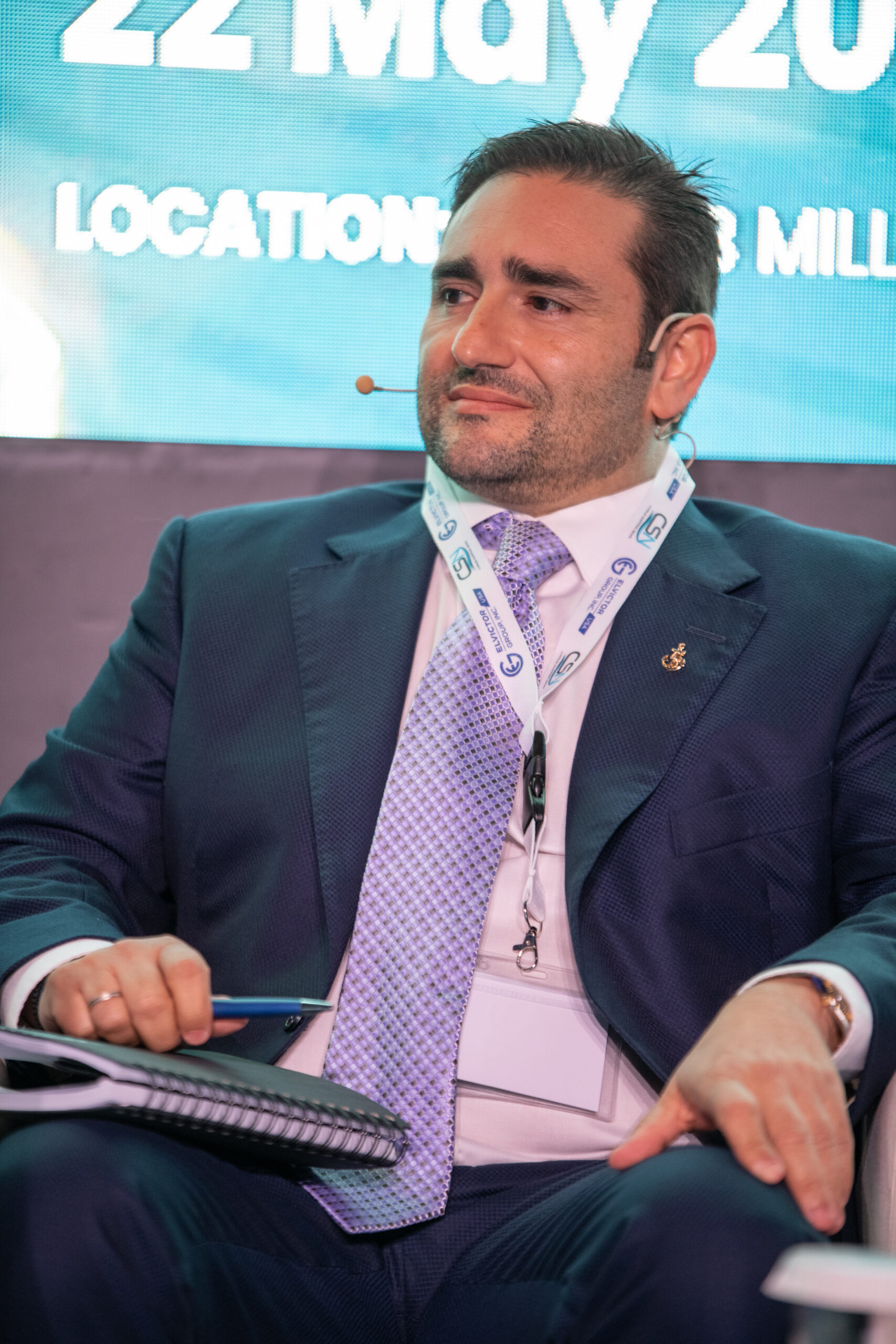
- Sofoklis Constantinou, HR & Crewing Manager – Acheon Akti Navigation Co Ltd
“What are the best practices for assisting your crew pool enhancement in ESG Requirements and Readiness?”
The second panel of the 2nd CSN Crewing Conference in Limassol, 22.05.2024 was titled “Energy transition and the role seafarers play in delivering ESG Goals”

In the opening of the panel, the Moderator, Mrs. Paczkowska stated that the maritime industry is going through a period of great transformational change, and changing shipping dynamics are amplifying the need for ESG. Sustainable shipping is not just an industry trend but should be an integral component of every business strategy, a necessity for the higher cause -the health of our planet. ESG is about people, operational processes, and technology, and ESG helps companies measure their social and environmental efforts to be quantifiable!
As technology evolves and awareness grows, the shipping sector is making steps towards reducing its environmental impact.
80% of decarbonization between now and 2030 will come from energy efficiency measures and this will have a huge impact on seafarers.
As further 1.8-1,9 million seafarers are part of this transition to a sustainable maritime future managing crew recruitment, proactive planning, identifying potential obstacles, skills, training, safety, and rights, and understanding seafarers’s rights will be more important than ever.
The first part of the discussion delved into how Management companies should strive to re-engineer their process and management concepts to meet the trends and requirements of ESG.
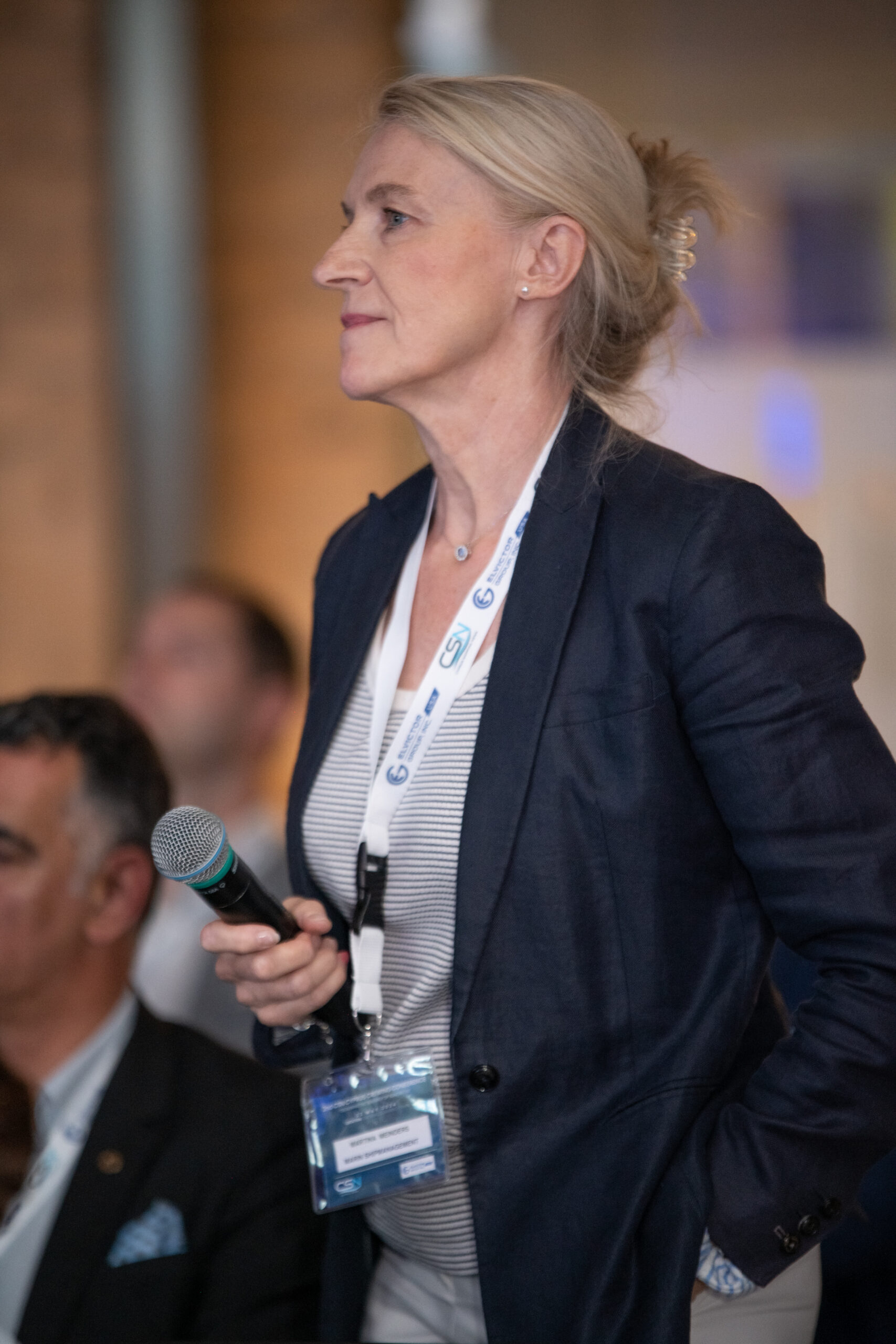
As was pointed out by Mrs. Penelope Robotis the maritime market is increasingly recognizing the importance of ESG requirements and while some companies may be more proactive by taking steps to integrate the ESG requirements others will follow since compliance with ESG requirements will play a critical role to raising capital and remaining competitive in the industry.
ESG offers a structured set of goals for companies to achieve and serves as a critical tool for risk management by assessing performance and sustainability, considering the environmental and social impacts of their activities. Compared to other industries, the maritime industry is highly regulated by IMO, ILO, and STCW standards, and many of these standards align with the ESG principles; consequently, the industry is progressively adopting more sustainable practices as ESG is gaining momentum and increased international regulations continue to push maritime companies towards sustainability while financial stakeholders use the ESG criteria for directing capital towards companies that demonstrate strong commitment to ESG principles.
According to the Human Capital Expert, Mrs. Patrikiou, the ESG and SDGS are indicators that aim to provide a framework meaning guidelines, directives, and regulations, for a sustainable world. Managing a company is a dynamic process; not static or solid. So re-engineering is inevitable but also essential in terms of recreation, reskilling, upskilling, and reconstruction on new foundations established by ESG indicators that eventually lead to a more sustainable world.
Mrs. Paczkowska pointed out that ship managers are the largest employers of seafarers and from the Shipmanagement perspective seafarers and safety should be the top priority.
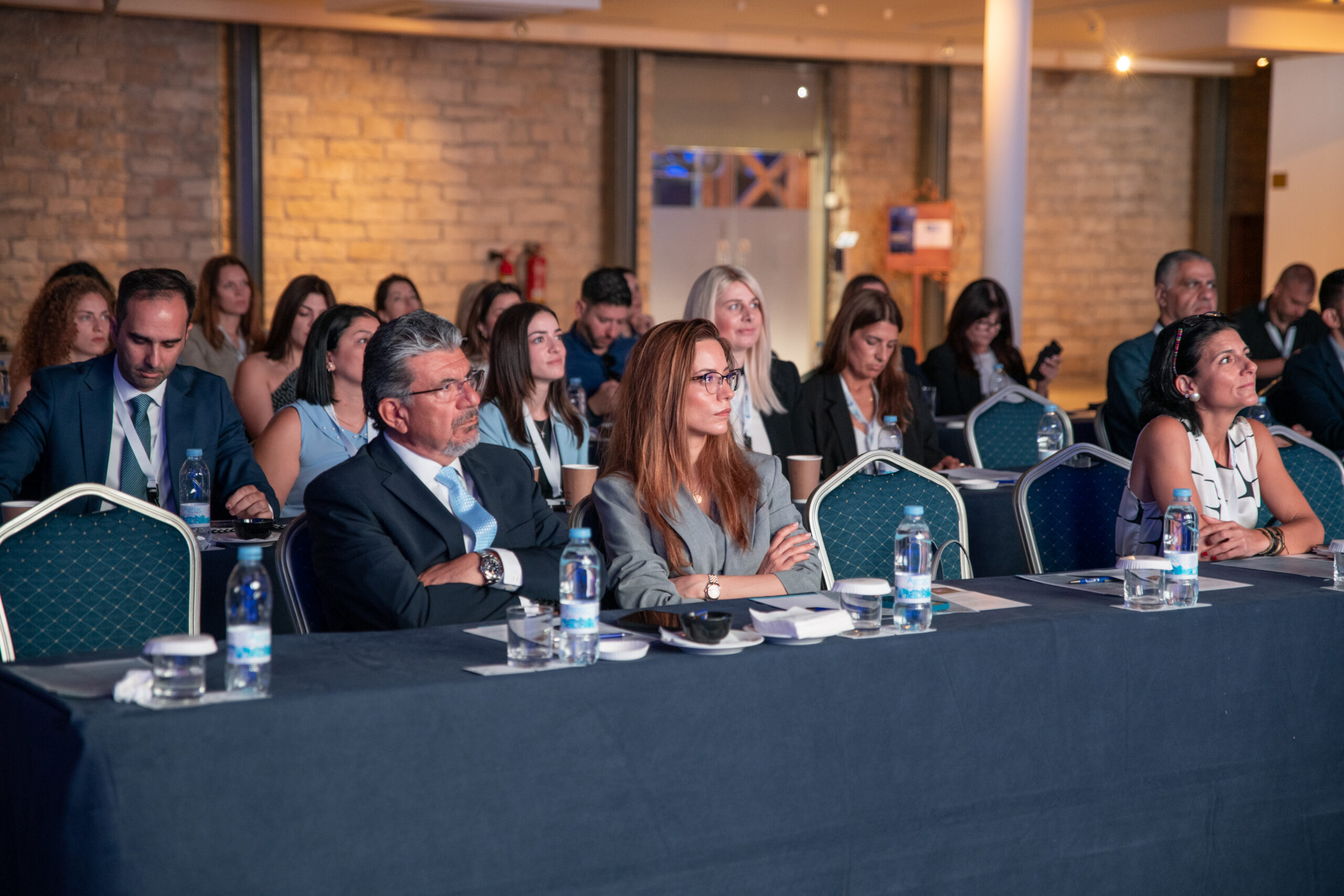
Mr. Theodoros Marneros added that aligning with the ESG is a necessity but first of all we “need to be prepared and of course prepare our crew, through learning and development and training.” It was further underlined by Mr. Marneros that the planning is very crucial for the recruitment process since this may affect the replacement of crew, destroy the morale on board, as long to increase the cost for the owners.
Mr. Kyriakos Patsalides pointed out that the change of the management concepts/ certain adjustments depend on the size of the company because this will have a major impact when it comes to funding and resourcing of these implementations, and every company needs to be able to identify its strengths when it comes to developing these new advancements in order to keep and meet these regulations.
Mr. Sofoklis Constantinou underlined that the organization must establish practices for training seafarers, provide resources, support them, and prioritize the seafarers’ well-being and social responsibilities. Additionally, an organization needs to foster partnerships and collaboration with industry associations, establish monitoring and reporting mechanisms to track progress, assess performance, and stay flexible on new ESG trends and regulations.
As regards the risks and opportunities that the wave of transition brings along, it was highlighted by Mr. Marneros that not all ports and regions have all types, therefore there is a big risk for supply as many crews are not familiar with all fuels ( nuclear, hydrogen, carbon capture, methanol, ammonia, LNG , biofuel or electric). The opportunities coming with change would be to develop our crew through learning and development, add extra learning methods in the training centers, and through the office staff to help them improve the ESG methods on board.
A large part of the conversation was committed to the human element in shipping underlining that seafarers are the flesh and blood of the shipping industry and they should be treated as the top asset. It’s the people that run the operation ashore and on board. Therefore, shipping companies need to invest in the right people not only to comply with the ESG requirements but also to exceed compliance and embrace commitment.
It was concluded that there are plenty of opportunities awaiting but the industry should not underestimate the challenges and focus on turning them into opportunities.
As emphasized by Mrs. Chrysoula Patrikiou, the organizations to adapt and become a vital part of the evolutionary change need to apply a strategic human-centric business model holistically and systematically, starting with the people, ie. investing in Human Capital.
Involving people in the process makes them feel valuable and motivated and empowered people can only be considered as an investment with a great return. Human capital is the foundation of every community and the future of every economy.
Mrs. Paczkowska concluded the panel by stating that we are in the decade of action and future fuels have a big part to play in getting greenhouse emissions down and the switch away from traditional fuels. The industry will need new procedures, new processes, new safety measures new training, and finally the company culture driving beyond compliance. Mrs. Paczkowskaslightly amended the title of the panel to: ”The major role seafarers play in WRITING THE SCRIPT OF THE ENERGY TRANSITION” adding that seafarers must be given the voice to be part of the dialogue and that the dialogue must start not today but yesterday to be ready for tomorrow.
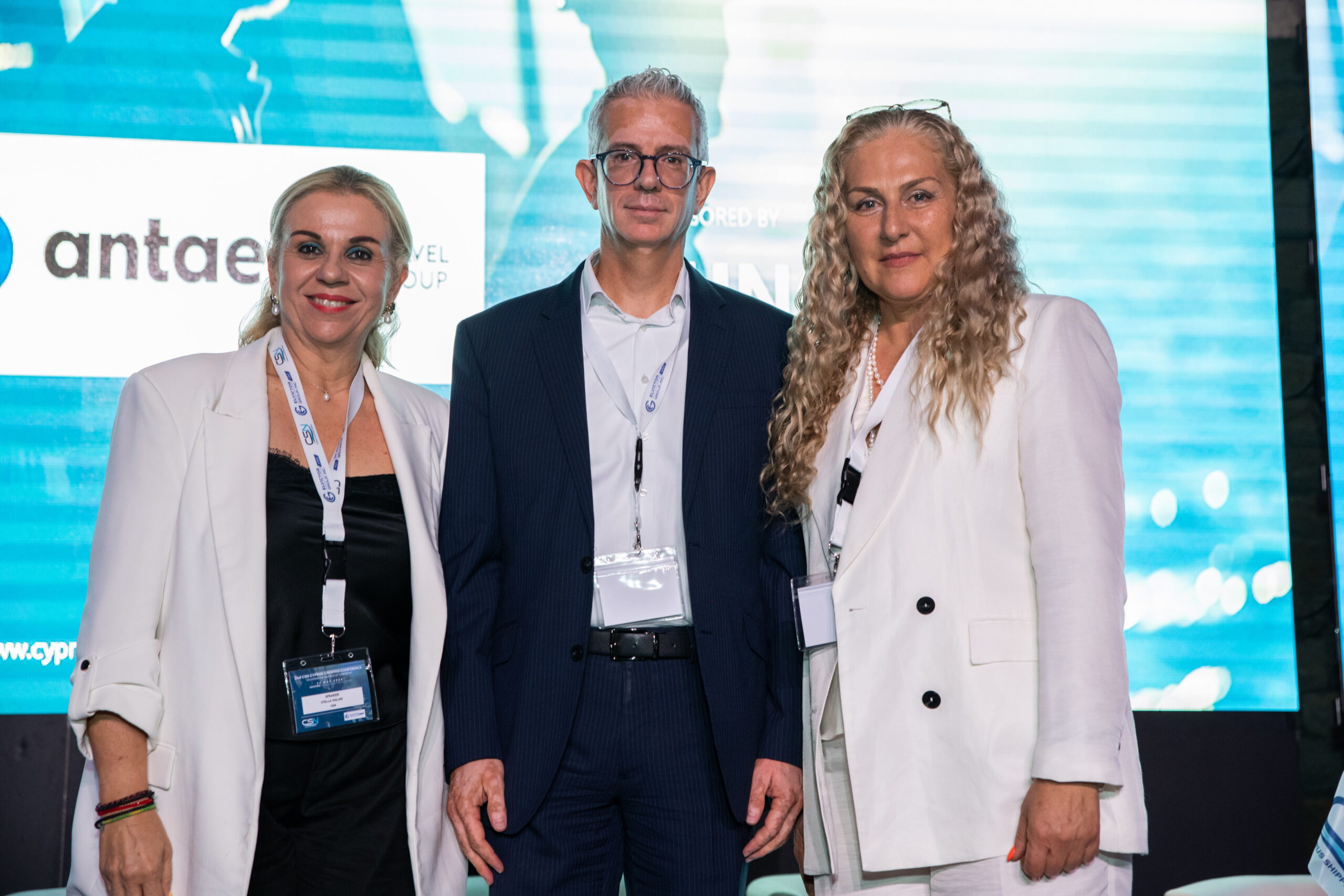

Presentations, Photos and videos of the event can be found under the following links:



Related News.
Hong Kong Global Maritime Trade Summit to return for third edition
The International Chamber of Shipping, in collaboration with the Transport and Logistics Bureau of the Government of Hong Kong and the Hong Kong…

Appetite for US crude oil exports climbs despite high freight
South Korea tops US crude destinations at 568,600 b/d VLCC rates to Asia double, closing arbitrage window European refining margins…
Shipping stocks Rally as Hormuz Traffic plunges 75%
Ship traffic through the Strait of Hormuz — a critical chokepoint handling about 20% of global crude oil and liquefied natural gas shipments — has…
Diana Shipping announces Time Charter Contract for m/v G P Zafirakis with Classic Maritime
Diana Shipping, a global shipping company specializing in the ownership and bareboat charter-in of dry bulk vessels, announced that, through a…
New IMO ESP Code framework for Remote Inspection Techniques
The International Maritime Organisation, through Resolution MSC.584(111) , has adopted amendments to the International Code on the Enhanced…
ABS opens Offshore & Marine Support Center in Bergen
ABS has expanded its capabilities in the Norwegian maritime market with the opening of a cutting-edge support center in Bergen, bringing advanced…
MOL holds giant step memorial ceremony and beach cleanup at Kashima Coast
Memorial and Reflection 20 Years After the Accident: Learning from the Past to Foster an Even Stronger Safety Culture Mitsui O.S.K. Lines, announced…
KEZAD-based Arabian Gulf Steel Industries achieves lowest verified Carbon Footprint for Rebar
CARES UK verified Environmental Product Declaration confirms 139 kg CO₂e per tonne for rebar produced at AGSI’s KEZAD Abu Dhabi facility Arabian…
Indian Register of Shipping announces launch of first fleet support ship INS Surya
Indian Register of Shipping continues to strengthen its role in supporting the Indian Navy and India’s naval shipbuilding capabilities through the…
VLCCs Climbing the Record Charts
LR2 The TC1 75kt MEG/Japan index decreased by only a single point this week to WS928. The corresponding Baltic round-trip TCE fell by $2,000 to…
Subscribe to our newsletter!
if you dont want to swim alone in the ocean of news, sign up for the newsletter, and you will receive daily all the important news of world shipping!
