Mobile Internet Adoption accelerates Aamong women in LMICs, but further action is needed to close the Gender Gap GSMA
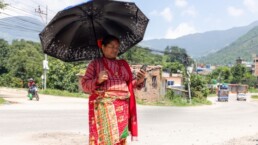

1.5 billion women in LMICs now use mobile internet, 785 million remain unconnected
More women in low- and middle-income countries are using mobile internet than ever before, 1.5 billion (66%) in total. In 2023, an additional 120 million women connected to the internet via mobile. Mobile remains the primary – and often only – way people in LMICs access the internet, accounting for 84% of broadband connections in 2023. However, an alarming 785 million women remain unconnected, with approximately 60% residing in South Asia and Sub-Saharan Africa. This is according to the annual ‘Mobile Gender Gap Report 2024’ by the GSMA today.
The seventh edition of the report examines data on women’s mobile access and use across 12 LMICs, the barriers they face and how this compares with men. The report is funded by the UK Foreign, Commonwealth and Development Office (FCDO) and the Swedish International Development Cooperation Agency (Sida) via the GSMA Mobile for Development Foundation, with research funded in part by the Bill & Melinda Gates Foundation. It provides stakeholders with recommendations to reduce the gender gap in mobile ownership and use, to unlock socio-economic benefits for women everywhere.
The 2024 report reveals a shift in the gender gap. The gender gap in mobile internet adoption across LMICs has narrowed. Compared with 2022, women are now 15% (19% in 2022) less likely than men to use mobile internet, bringing the gap back to its pre-pandemic level. Notable changes in India and Indonesia drove this year’s shift where women’s rate of adoption exceeded men’s. While in Sub-Saharan Africa the gender gap narrowed slightly for the first time in five years.
The gender gap persists across internet use cases
Across LMICs, there are now 1.4 billion women who own a smartphone, meaning that 60% of women now own a smartphone device. In 2023, the gender gap in smartphone ownership narrowed slightly from 15% to 13% across LMICs, driven primarily by progress in South Asia. However, 40% of women in LMICs still do not own a smartphone compared to 31% of men.
Once someone owns a smartphone, they are considerably more likely to adopt mobile internet and use it regularly which can unlock myriad socio-economic benefits. However, once women are online, they often face barriers to using mobile internet as frequently or for the same range of use cases as men.
Addressing use and adoption barriers
In surveyed countries, the primary obstacles to mobile internet adoption reported among both men and women who are aware of it are affordability (primarily of handsets), literacy, and digital skills. However, these barriers are particularly challenging for women due to factors like the gender pay gap, lower employment rates and access to education. Beyond initial adoption, the top barriers to usage vary more by country than they do for adoption, encompassing issues such as safety and security concerns, affordability (concerning data but also handsets), and connectivity experience.
Addressing the mobile gender gap holds the potential to deliver significant social and commercial benefits for individuals, societies, and economies. Connectivity is also critical to achieving the 17 UN SDGs – including those related to health, education, and financial inclusion. The GSMA estimates that closing the gender gap in mobile ownership and usage across LMICs could deliver an additional $230 billion in revenue to the mobile industry over an eight-year period.
Claire Sibthorpe Head of Digital Inclusion at the GSMA comments; “The reduction in the mobile internet gender gap is promising, but sustaining momentum is fragile. Our Connected Women Commitment Initiative shows that setting clear targets and taking informed, focused action can make a difference; since 2016 our operator partners have collectively reached over 70 million additional women with mobile internet and mobile money services.
Gender gaps stem from complex social, economic, and cultural factors, that require collective action from a broad set of organisations. We are calling on stakeholders including governments, MNOs and development organisations to work together to ensure digital and financial inclusion for women everywhere.”



Related News.

Crewing After 2026: How AI Will Take Over the Routine in 2027
The crewing market of late 2026 is not the market of 2025. Artificial intelligence has moved from presentations into daily crewing work, while the…

Dualog launches secure maritime AI service amid surge in seafarer AI use
The new service, Sparks lets crew and shore teams search company emails, documents and conversations without exposing sensitive fleet information to…

Time Ticking: Two weeks for Governments to Green-Light Framework for Cutting Shipping Emissions
As a crucial fortnight of meetings opens at the International Maritime Organization opens in London, the Clean Shipping Coalition calls on member…

“K” LINE signs contract for construction of two LPG dual-fuel VLGCs
Kawasaki Kisen Kaisha, announces today that it has signed agreements with South Korea-based HD Hyundai Samho regarding the construction of two LPG…

Equinor and VNG sign 18-year gas sales agreement for supplies to Germany
Equinor will supply natural gas to the German energy company VNG until the end of 2044. The 18-year agreement is the longest gas sales agreement…

Open letter to MEPs to reject the motion for a resolution and support the inclusion of Indian ship recycling yards on the European List
Dear Members of the European Parliament, Ahead of this week’s plenary vote, European Shipowners | ECSA, BIMCO, the Cruise Lines International…

ShipVet appoints James Stairmand as Chief Executive Officer
Founder Captain Fintan Cullen moves to a non-executive role as the company builds on investment in its vetting team and technology. ShipVet, the…

USD ≈7bn lost per year the hidden cost of how shipping trades
New Torvald Klaveness study quantifies around USD 7bn a year in potentially avoidable costs in dry bulk and product tanker shipping, with a possible…

APM Terminals Maasvlakte II and Port of Rotterdam Authority take next step in terminal development
APM Terminals Maasvlakte II and the Port of Rotterdam Authority are moving forward in terminal’s development with preparations for a new phase of…

ABP inspiring the next generation
ABP host 500 young people to explore maritime and transport careers More than 500 young people from across Hampshire and the Solent explored career…
Subscribe to our newsletter!
if you dont want to swim alone in the ocean of news, sign up for the newsletter, and you will receive daily all the important news of world shipping!
