Maritime safety: deal on stricter measures to stop shipping pollution

Parliament and Council negotiators reached an informal deal to extend an existing ban on discharge of oil spills by ships to include sewage and garbage.
On Thursday, EU co-legislators preliminarily agreed to update EU rules on preventing pollution from ships in European seas and ensuring perpetrators face fines.
Banning more types of spills from ships
According to the deal, the current list of substances banned from being discharged from ships, such as oil and noxious liquid substances, will now include the discharge of sewage, garbage, and residues from scrubbers.
MEPs managed to secure an obligation for the EU to review the rules five years after their transposition into national law to assess if marine plastic litter, loss of containers and plastic pellet spills from ships should also face penalties.
More robust verification
MEPs ensured EU countries and the Commission will communicate more on pollution incidents, best practices to tackle pollution, and follow-up measures, following alerts by the European satellite system for oil spill and vessel detection, CleanSeaNet. To prevent illegal discharge from dispersing and therefore becoming undetectable, the agreed text foresees the digital check of all high confidence CleanSeaNet alerts and an aim to verify at least 25% of them by the competent national authorities.
Effective penalties
EU countries will need to introduce effective and dissuasive fines for ships breaching these rules, while criminal sanctions were addressed in separate legislation MEPs already agreed with EU governments last November. According to preliminary deal, EU countries shall not set penalties at such a low level that would fail to ensure its dissuasive nature.
Quote
EP rapporteur Marian-Jean Marinescu (EPP, Romania) said: “Ensuring the health of our seas demands not just legislation, but robust enforcement. Member states must not falter in their duty to safeguard our marine environment. We need a concentrated effort, utilising advanced technologies like satellite monitoring and on-site inspections, to stamp out illegal discharges effectively. Penalties must reflect the seriousness of these offenses, acting as a true deterrent. Our commitment is clear: cleaner seas, stricter accountability, and a sustainable maritime future for all.”
Next steps
The preliminary deal still needs to be approved by Council and Parliament. EU countries will have 30 months to transpose new rules into national law and prepare for its implementation.
Source: European Parliament



Related News.
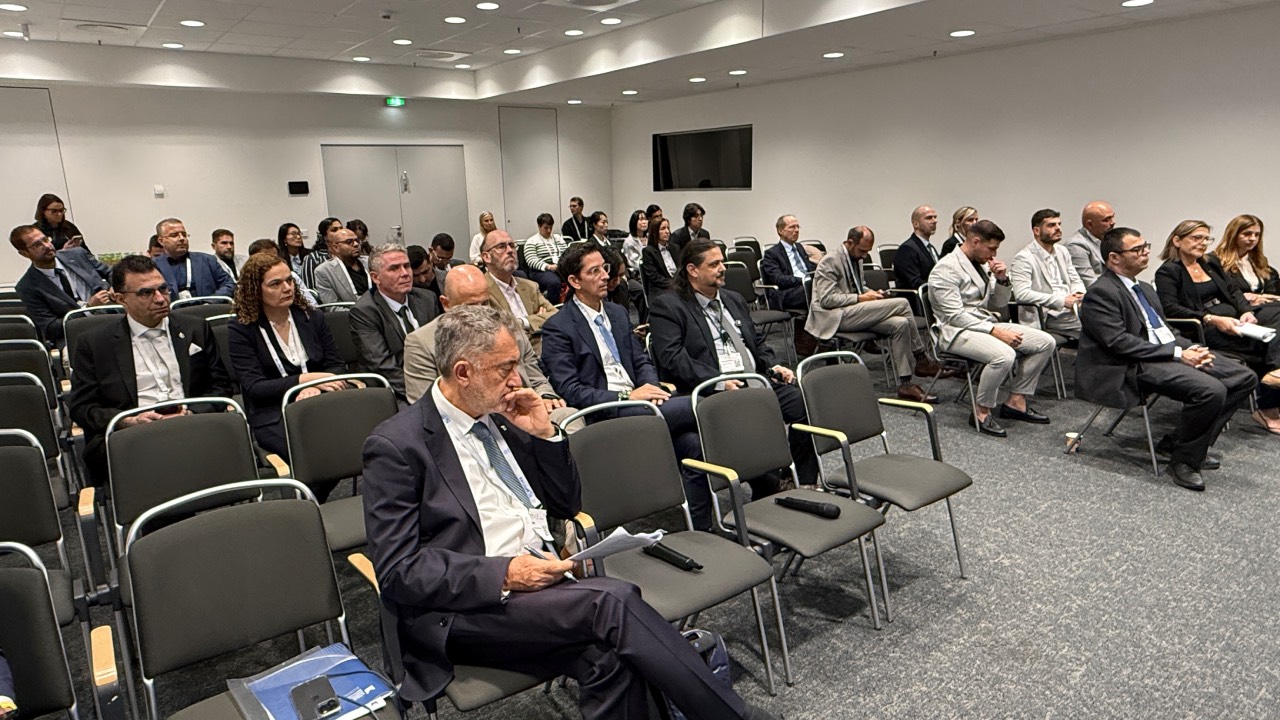
Cyprus Maritime Innovation takes Centre Stage at SMM Hamburg 2026
Underscoring its expanding role as a premier international hub for cutting-edge maritime technology and sustainable shipping, the Republic of Cyprus…
Trump seeks to refill US oil reserve with Venezuela deal but faces long delay
U.S. President Donald Trump said on the 30th (local time) that he would refill the U.S. Strategic Petroleum Reserve, which has been depleted with…

US Navy Official visits South Korean Shipyards in private
With U.S. President Donald Trump pushing a plan to allow overseas construction of U.S. warships, attention is focusing on whether the building of…

SES and De Boer Marine expand collaboration with FlexMaritime deployment across Global Markets
SES, a leading space solutions company, and De Boer Marine, a leading provider of top-quality marine equipment and maritime connectivity services,…

New ESG guidance to help maritime industry turn sustainability into commercial advantage
New framework helps shipowners and ports align ESG strategy with access to capital, charterer expectations and long-term asset value. Maritime…

Britannia P&I Club analysis finds four in five crew deaths linked to illness rather than accidents
New report highlights cardiovascular disease as leading cause of fatalities and raises concerns over mental health risks among younger seafarers.…
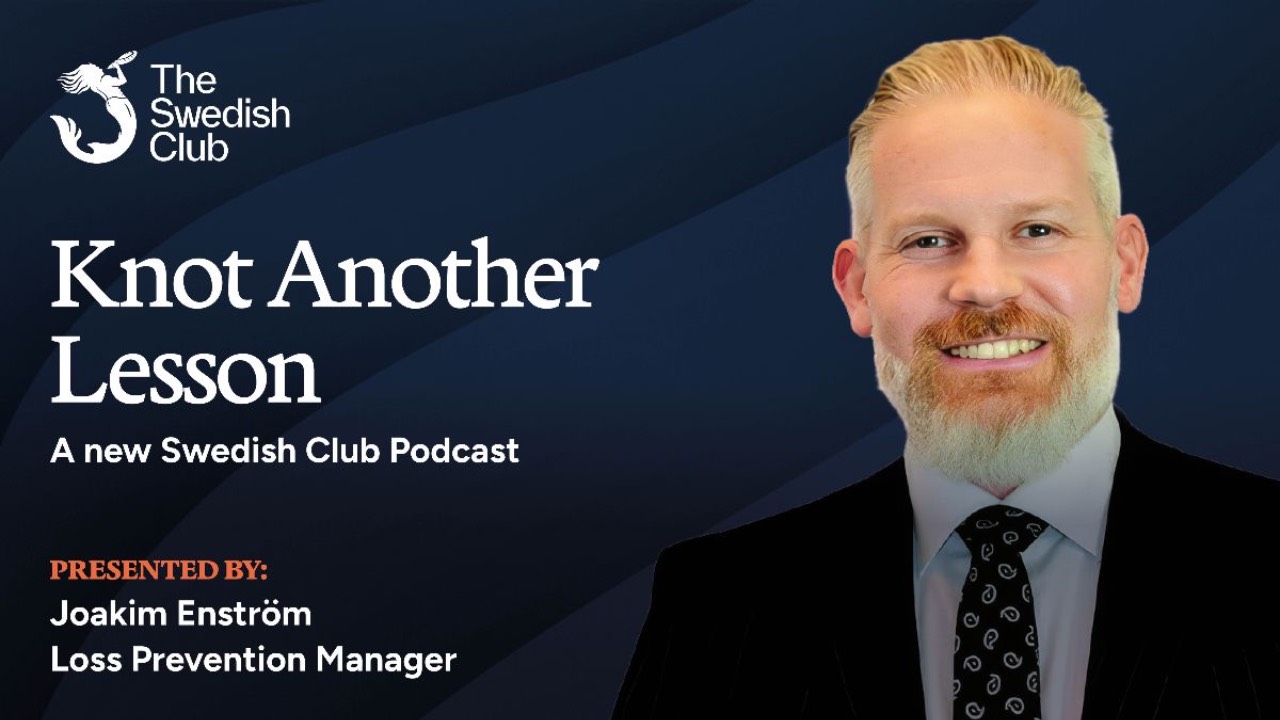
The Swedish Club launches new Loss Prevention podcast, Knot Another Lesson
The Swedish Club has launched Knot Another Lesson, a new podcast exploring the practical lessons, emerging risks and operational challenges shaping…
Lloyd’s Register appoints Jens Grunenberg as Senior Representative for Germany
Lloyd’s Register has appointed Jens Grunenberg as its Senior Representative for Germany, effective 1 September. Based in Hamburg, Grunenberg will…
Indian Register of Shipping sets sights on Hamburg for European Expansion
Indian Register of Shipping, a leading international classification society and full member of the International Association of Classification…
MOL completes Merger of 6 Ship Management Companies
Unifying Management of Over 200 Vessels and Strengthening Safety Mitsui O.S.K. Lines, announced that it has completed the integration of the MOL…
Subscribe to our newsletter!
if you dont want to swim alone in the ocean of news, sign up for the newsletter, and you will receive daily all the important news of world shipping!
