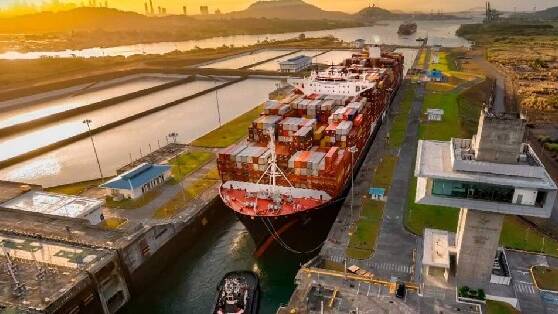

It’s no secret that the accelerating implications of climate change have had economic, social and environmental impacts worldwide, including waterways such as the Panama Canal, the Rhine River, the Amazon and the Mississippi. Last year, drought limited the capacity of daily transits through the Canal to ensure both the best possible service for our customers and an adequate water supply for the Panamanian people.
Now, as we reach the midway point of the dry season, the waterway sees a turning point, thanks in part to the actions of our operations team and our customers. As we reach this milestone, we wanted to pause and reflect on our journey these past months:
- October 3, 2023 – We observed that our Gatun reservoir received a daily inflow from rainfall and river flow amounting to seven million cubic meters (m³), less than half of the 15 million m³ expected in a typical year. With the combined outflows from Canal operations, evaporation, human consumption, and industry amounting to ten million m³, the waterway saw a daily deficit of three million m³.
- October 31, 2023 – We experienced our driest month of October on record in 2023, with rainfall at 41 percent lower than usual. To safeguard operations, we announced that daily transits would be gradually reduced from 32 daily transits to 24 in November, 22 in December, 20 in January, and 18 in February. This step was taken on top of the various measures previously adopted to preserve water and ensure the safety of transit operations, from the use of water-saving basins in the Neopanamax locks to cross-filling in the Panamax locks.
- November 29, 2023 – To ensure all segments and shipping companies have options, we introduced modifications that make special auctions more equitable and reflective of our market composition.
- December 15, 2023 – Due to extensive water-saving measures and a slight improvement in rainfall in November and December, we reached a turning point in water levels that allowed us to increase daily transits to 24 in mid-January, instead of reducing it, as previously planned.
- December 31, 2023 – The waterway recorded the transit of 2,534 vessels and 108 million tons of cargo between October and December 2023. Despite the challenges faced, we continued to honor and facilitate all reserved transits on schedule, which remains true to this day.
- January 16, 2024 – As announced the month prior, we began offering 24 transits a day, which will remain in effect until conditions warrant changes. Any adjustments, if necessary, will be communicated to the industry in advance.
- January 24, 2024 – With sustainability remaining a core priority and strategic driver of our operations moving forward, Deputy Administrator Ilya Espino de Marotta was named the Panama Canal’s first Chief Sustainability Officer. In this role, she will spearhead the development of a more comprehensive sustainability strategy focused on decarbonization, adaptation, and just transition.
The Road Ahead with Sustainability at the Center:
While sustainability is not new for the Canal, the accelerating implications of climate change require stronger action, as demonstrated by the Canal’s recent announcement. Therefore, the waterway is pleased to begin a new, more ambitious era of sustainability. Looking ahead, we anticipate a series of important milestones:
- 2024 – 2025: We are currently collaborating with the World Bank and International Finance Corporation (IFC) to finalize the Panama Canal’s Greenhouse Gas emissions inventory, which will be published within six months. Later this year, we will complete a climate risk assessment and commit to the Science Based Targets initiative (SBTi), encompassing both short and mid-term reduction goals. Aggressive emissions reduction targets will be implemented soon after.
- 2024 – 2030: We plan to embed sustainability into capital investments worth over $8.5 billion in the next five years, surpassing the $5.4 billion required by the Panama Canal Expansion Program. The largest portion ($3.5 billion) will go toward infrastructure and equipment, including the installation of a photovoltaic plant, the purchase of electric vehicles and hybrid tugs, and various other investments. More than $2 billion more will be dedicated to new sustainability-focused initiatives. The implementation of a more robust water management system is also expected to require an additional $2 billion investment. The remaining funds, amounting to more than a billion dollars, will support digital transformation and decarbonization-focused improvements at the waterway.
- 2024 – 2050: The Panama Canal aims to achieve net zero carbon emissions by 2050, in line with global goals. To meet this target, we will pursue meaningful action and engagement, working with the entire maritime value chain to create an enabling environment for climate resilient operations and development. By transforming our business, we are confident that we will enable our customers and employees to also transform, allowing all to overcome climate risk and succeed in a new climate economy.



Related News.

Cyprus Maritime Innovation takes Centre Stage at SMM Hamburg 2026
Underscoring its expanding role as a premier international hub for cutting-edge maritime technology and sustainable shipping, the Republic of Cyprus…

Trump seeks to refill US oil reserve with Venezuela deal but faces long delay
U.S. President Donald Trump said on the 30th (local time) that he would refill the U.S. Strategic Petroleum Reserve, which has been depleted with…
US Navy Official visits South Korean Shipyards in private
With U.S. President Donald Trump pushing a plan to allow overseas construction of U.S. warships, attention is focusing on whether the building of…
SES and De Boer Marine expand collaboration with FlexMaritime deployment across Global Markets
SES, a leading space solutions company, and De Boer Marine, a leading provider of top-quality marine equipment and maritime connectivity services,…
New ESG guidance to help maritime industry turn sustainability into commercial advantage
New framework helps shipowners and ports align ESG strategy with access to capital, charterer expectations and long-term asset value. Maritime…

Britannia P&I Club analysis finds four in five crew deaths linked to illness rather than accidents
New report highlights cardiovascular disease as leading cause of fatalities and raises concerns over mental health risks among younger seafarers.…
The Swedish Club launches new Loss Prevention podcast, Knot Another Lesson
The Swedish Club has launched Knot Another Lesson, a new podcast exploring the practical lessons, emerging risks and operational challenges shaping…
Lloyd’s Register appoints Jens Grunenberg as Senior Representative for Germany
Lloyd’s Register has appointed Jens Grunenberg as its Senior Representative for Germany, effective 1 September. Based in Hamburg, Grunenberg will…
Indian Register of Shipping sets sights on Hamburg for European Expansion
Indian Register of Shipping, a leading international classification society and full member of the International Association of Classification…
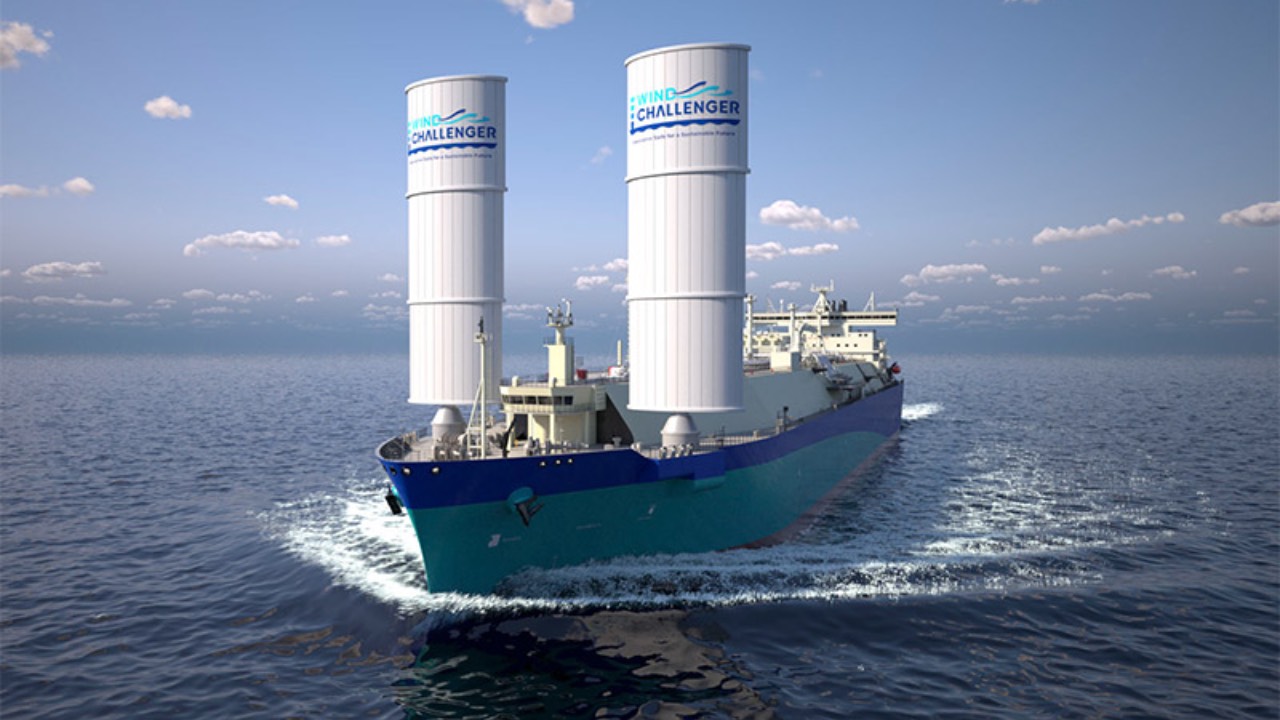
MOL completes Merger of 6 Ship Management Companies
Unifying Management of Over 200 Vessels and Strengthening Safety Mitsui O.S.K. Lines, announced that it has completed the integration of the MOL…
Subscribe to our newsletter!
if you dont want to swim alone in the ocean of news, sign up for the newsletter, and you will receive daily all the important news of world shipping!
