FuelTrust analysis finds fuel content discrepancies in 39% of global bunkers

FuelTrust’s most recent research uses AI-based technology to investigate fraudulent practices and inadequate supply chain management in the bunker fuel industry.
FuelTrust, the technology company dedicated to creating a trusted and sustainable fuel ecosystem for the maritime industry, has released a new report examining bunker discrepancies in the maritime industry, which includes examples of unethical practices and fraudulent activities related to bunkering.
FuelTrust’s analysis found that between 2021 and 2022, more than 39% of global bunkers exhibited a fuel content delta of 2% or more compared to the amounts stated in their delivery paperwork. The primary issue identified was the introduction of water into the fuels during the journey from onshore storage tanks to the ship’s bunker tank. This problem typically involved an increase from 0.1% to above 0.25% water content, which, although below the regulated threshold, still resulted in average losses of $14,910 per affected delivery.
The maritime fuel market has a long history of not being transparent. Bunker fuels account for more than 50% of a vessel’s operational expenses, meaning fraudulent practices and inadequate supply chain management can significantly affect the profitability of vessel owners and charterers, and fuel suppliers. Just this month, eleven Ships lost propulsion, and over 100 ships were affected in a single incident of fuel contamination in Houston.
Even fuel considered “on-spec” (meeting specified quality standards) experiences volume or content issues, leading to financial losses or engine problems. In the past year, over 600 vessels were disabled through fuel problems, despite the fuel being ‘on-spec’, resulting in estimated global supply chain losses exceeding $5 billion. Both fuel suppliers and shipowners incurred financial losses, which are difficult to detect and make claims against.
FuelTrust’s AI-based approach to creating a trusted fuel ecosystem through transparency and traceability addresses the challenges in the fuel supply chain, particularly in the maritime sector. By providing visibility into the final outcomes of fuel products, fuel suppliers can better understand and validate their offerings, while fuel buyers can combat fraud, minimize losses, and mitigate environmental risks.
Jonathan Arneault, CEO and Co-Founder of FuelTrust commented: “This new research across the global bunkering market emphasizes the need for better transparency. By providing visibility, traceability, and security throughout the fuel supply chain, FuelTrust is improving operational efficiency, helping reduce environmental impact, and fostering trust among all stakeholders.”
“As the latest contamination case demonstrates, it’s essential that ship owners, bunker suppliers and charterers can gain better insight into their fuel supply chains. Better information on the fuel we use is also a foundational block of any serious GHG reduction strategy.”
To learn more, download the whitepaper “The cost of fraud in the maritime fuel market”.



Related News.

Cyprus Maritime Innovation takes Centre Stage at SMM Hamburg 2026
Underscoring its expanding role as a premier international hub for cutting-edge maritime technology and sustainable shipping, the Republic of Cyprus…

Trump seeks to refill US oil reserve with Venezuela deal but faces long delay
U.S. President Donald Trump said on the 30th (local time) that he would refill the U.S. Strategic Petroleum Reserve, which has been depleted with…
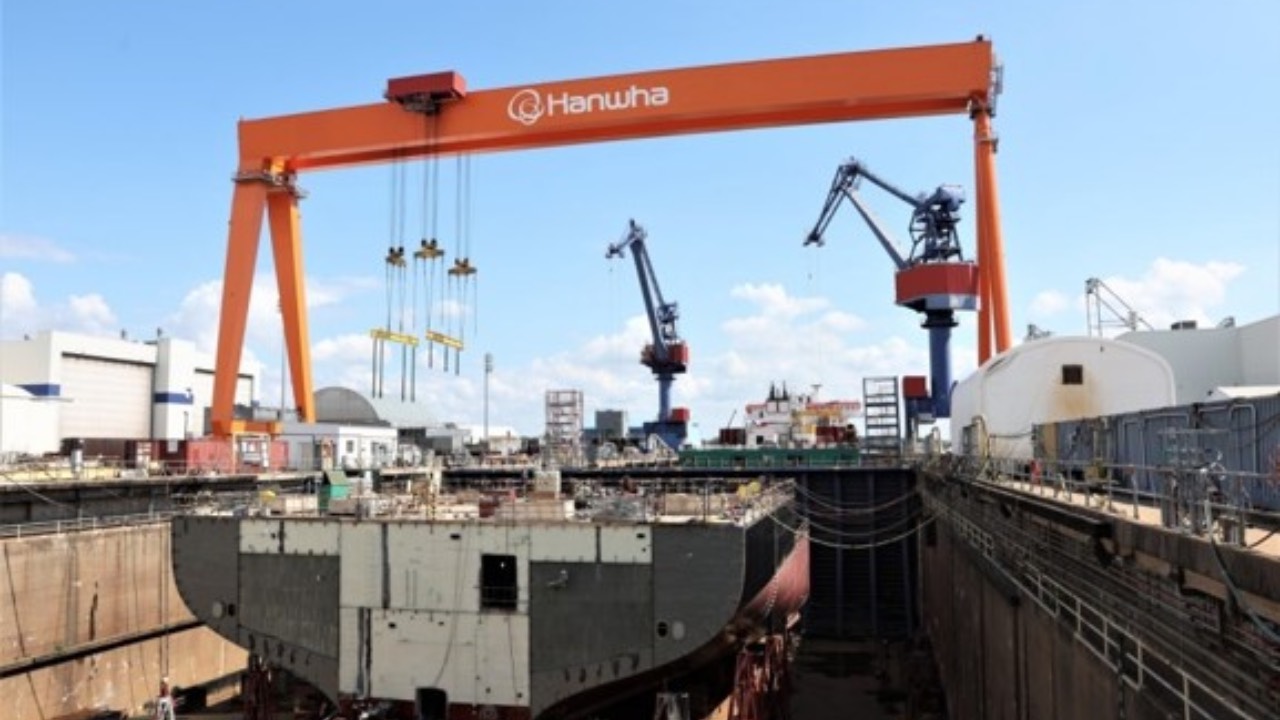
US Navy Official visits South Korean Shipyards in private
With U.S. President Donald Trump pushing a plan to allow overseas construction of U.S. warships, attention is focusing on whether the building of…

SES and De Boer Marine expand collaboration with FlexMaritime deployment across Global Markets
SES, a leading space solutions company, and De Boer Marine, a leading provider of top-quality marine equipment and maritime connectivity services,…

New ESG guidance to help maritime industry turn sustainability into commercial advantage
New framework helps shipowners and ports align ESG strategy with access to capital, charterer expectations and long-term asset value. Maritime…

Britannia P&I Club analysis finds four in five crew deaths linked to illness rather than accidents
New report highlights cardiovascular disease as leading cause of fatalities and raises concerns over mental health risks among younger seafarers.…
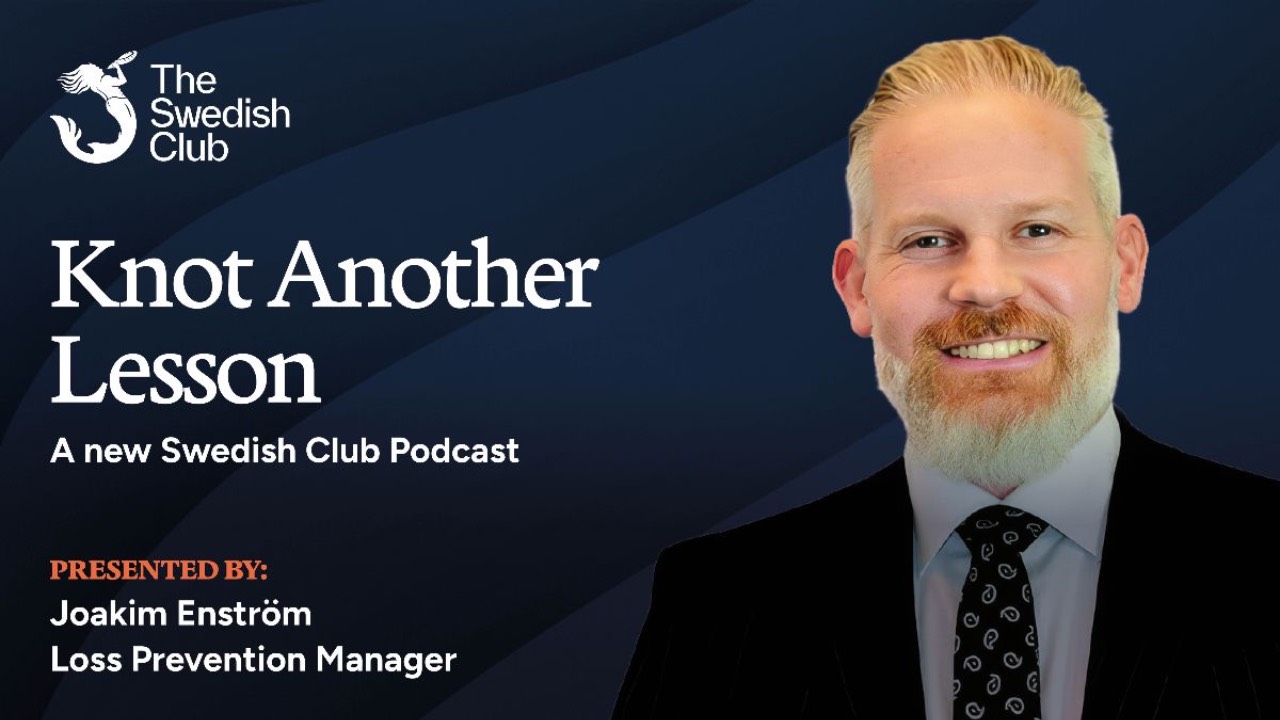
The Swedish Club launches new Loss Prevention podcast, Knot Another Lesson
The Swedish Club has launched Knot Another Lesson, a new podcast exploring the practical lessons, emerging risks and operational challenges shaping…

Lloyd’s Register appoints Jens Grunenberg as Senior Representative for Germany
Lloyd’s Register has appointed Jens Grunenberg as its Senior Representative for Germany, effective 1 September. Based in Hamburg, Grunenberg will…
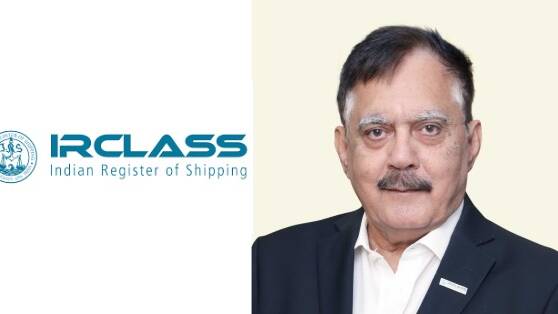
Indian Register of Shipping sets sights on Hamburg for European Expansion
Indian Register of Shipping, a leading international classification society and full member of the International Association of Classification…
MOL completes Merger of 6 Ship Management Companies
Unifying Management of Over 200 Vessels and Strengthening Safety Mitsui O.S.K. Lines, announced that it has completed the integration of the MOL…
Subscribe to our newsletter!
if you dont want to swim alone in the ocean of news, sign up for the newsletter, and you will receive daily all the important news of world shipping!
