Ørsted and WWF embark on marine restoration project in the Danish North Sea to contribute to ocean biodiversity
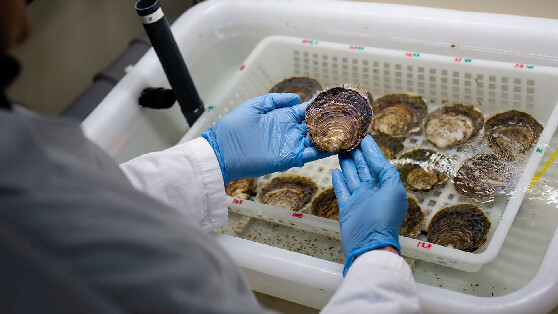
Over the last century, there has been a drastic decrease in the number and quality of biogenic reefs in the North Sea – with different species being affected by disease, overfishing, climate change, or changes to the water quality.
In Danish waters, biogenic reefs are created by bivalves such as mussels or oysters. These species can form biogenic reefs consisting of living animals and empty shells from bivalves.
The BioReef project aims to promote the recovery of these once common biogenic reefs of European flat oysters and horse mussels in the wild waters of the Danish North Sea to support healthy marine ecosystems.
Ørsted and WWF are developing and carrying out this joint project in close collaboration with the Technical University of Denmark’s Institute of Aquatic Resources, DTU Aqua, which serves as the project’s scientific partner.
DTU Aqua’s large-scale hatchery and experimental nursery for initial grow-out in northern Denmark are central to the production and deployment of European flat oysters and horse mussels for the BioReef project. The work in the hatchery will lead to protocols that can be implemented elsewhere to produce seed for similar marine restoration efforts.
In addition to finding new innovative methods for the establishment of reefs, the BioReef project will not only lead to restoration of biogenic reefs, but also to peer-reviewed scientific papers, protocols, and methods that can be applied in restoration projects around the world.
The solutions delivered through the BioReef project will support both Ørsted’s ambition that all renewable energy projects it commissions from 2030 onwards should deliver a net-positive biodiversity impact and WWF’s clear call to halt and reverse biodiversity loss by 2030.
Ingrid Reumert, Senior Vice President and Head of Global Stakeholder Relations at Ørsted, says:
“This is an exciting project – it will provide ecosystem services to the marine environment, increase biodiversity, and improve water quality in the North Sea. Together with WWF, we want to set a new standard for biodiversity enhancement in offshore wind development and further marine nature protection and restoration, as well as encourage others to join us in creating a net-positive impact on ocean biodiversity.”
Bo Øksnebjerg, Secretary General, WWF Denmark, says:
“It’s essential that we solve both the climate and the biodiversity crisis. Therefore, we must speed up the development of new and innovative solutions for coexistence of renewable energy and marine nature within the wind farms as well as restore and protect marine nature in the oceans away from the wind farms. Our partnership with Ørsted does exactly that. Our intention is to take these solutions to a global scale. Therefore, we’ll share our experiences and knowledge from our joint nature restoration project in the North Sea with the rest of the world.”
Pernille Nielsen, Project Leader and Senior Researcher for Coastal Ecology at DTU Aqua, says:
“Establishing biogenic reefs with horse mussels hasn’t been attempted at scale in the North Sea. To succeed, viable horse mussel seeds of a certain size must be produced to get a critical number of individuals that can be deployed. DTU Aqua has in-depth knowledge and expertise in both hatchery production and distribution of bivalves in inner Danish waters, which is fundamental for establishing the biogenic reef in the BioReef project.”
About biogenic reefs
Biogenic reefs are reefs formed by living organisms. Most people are familiar with the colourful coral reefs of the tropics, but other animals such as oysters and horse mussels can also form biogenic reefs.
Once established, biogenic reefs provide food and shelter for other marine species, as well as surfaces for macroalgae and other organisms that require hard substrate to attach to. All biogenic reefs are a crucial part of marine ecosystems.
Project milestones
2023: Collection of brood stock and screening of locations with historic biogenic reefs in Danish waters.
2024: Site selection for the location of the biogenic reef(s) in the Danish North Sea. Development of hatchery protocols and first grow-out testing, i.e., testing of small reefs in coastal waters.
2025-26: Further testing in the hatchery and at nearshore grow-out locations.
2027: Deployment of reef(s) in the Danish North Sea.
What does net-positive biodiversity impact mean?
Having a net-positive biodiversity impact means making a measurable contribution that improves biodiversity overall and leaves nature in better shape than before. This means not just minimising and mitigating unavoidable impacts but going even further to enhance biodiversity and restore ecosystems that are already under threat from climate change and biodiversity loss.
About the partnership between Ørsted and WWF
The BioReef marine restoration project is an essential part of a five-year partnership between WWF and Ørsted. The partnership was launched in October 2022, and the partners are exploring how to support a rapid transition to renewable energy, while addressing the global biodiversity crisis.
Related News.
September 3, 2026
Cyprus Maritime Innovation takes Centre Stage at SMM Hamburg 2026
Underscoring its expanding role as a premier international hub for cutting-edge maritime technology and sustainable shipping, the Republic of Cyprus…

September 3, 2026
Trump seeks to refill US oil reserve with Venezuela deal but faces long delay
U.S. President Donald Trump said on the 30th (local time) that he would refill the U.S. Strategic Petroleum Reserve, which has been depleted with…
September 3, 2026
US Navy Official visits South Korean Shipyards in private
With U.S. President Donald Trump pushing a plan to allow overseas construction of U.S. warships, attention is focusing on whether the building of…
September 3, 2026
SES and De Boer Marine expand collaboration with FlexMaritime deployment across Global Markets
SES, a leading space solutions company, and De Boer Marine, a leading provider of top-quality marine equipment and maritime connectivity services,…
September 3, 2026
New ESG guidance to help maritime industry turn sustainability into commercial advantage
New framework helps shipowners and ports align ESG strategy with access to capital, charterer expectations and long-term asset value. Maritime…
September 3, 2026
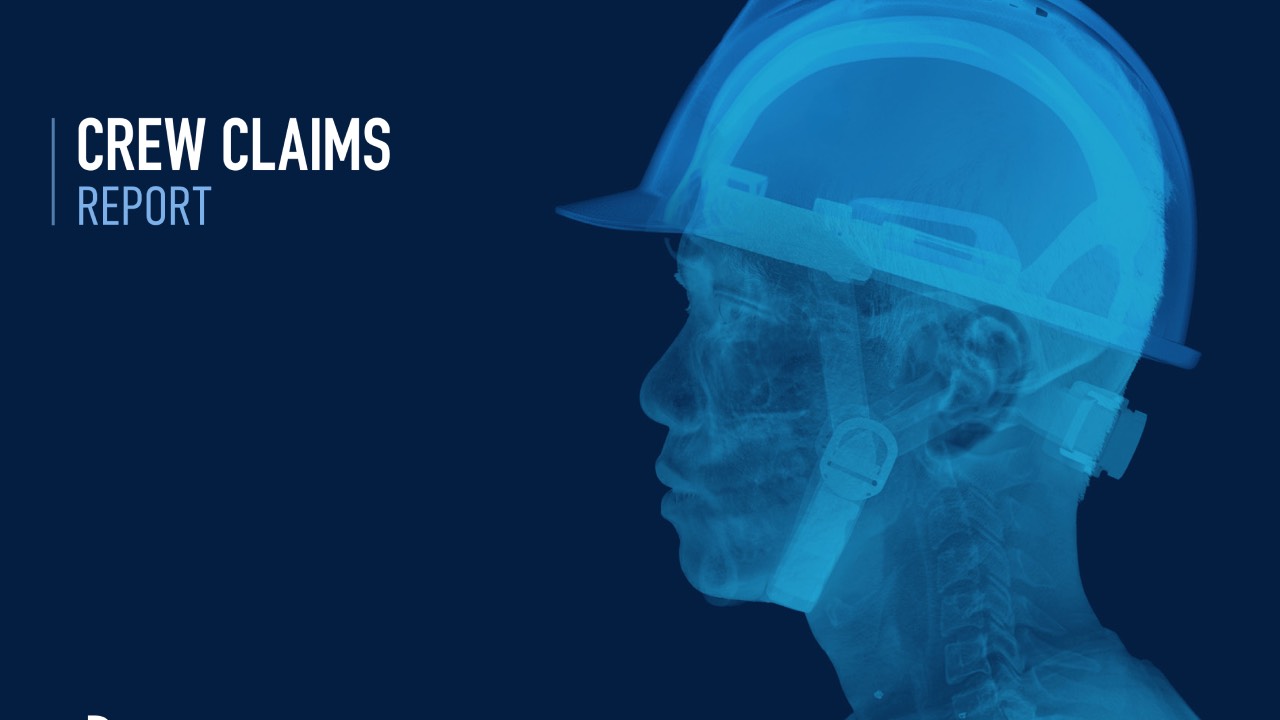
Britannia P&I Club analysis finds four in five crew deaths linked to illness rather than accidents
New report highlights cardiovascular disease as leading cause of fatalities and raises concerns over mental health risks among younger seafarers.…
September 3, 2026
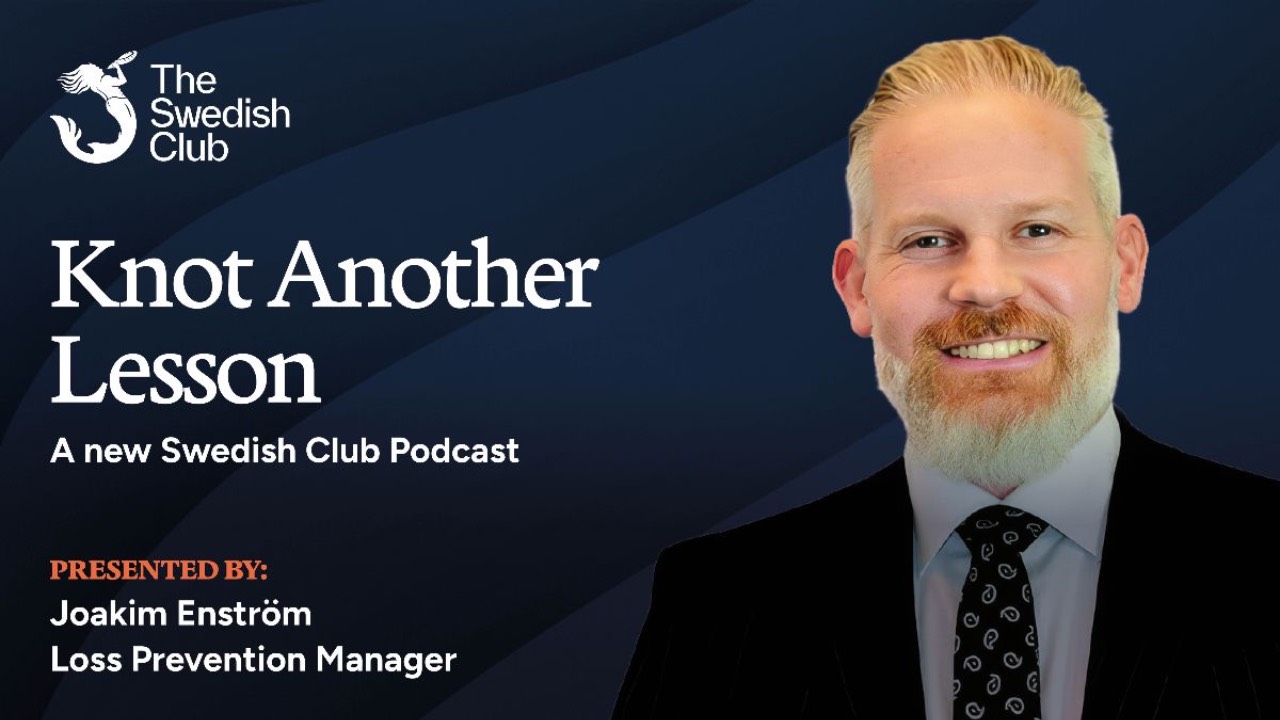
The Swedish Club launches new Loss Prevention podcast, Knot Another Lesson
The Swedish Club has launched Knot Another Lesson, a new podcast exploring the practical lessons, emerging risks and operational challenges shaping…
September 3, 2026
Lloyd’s Register appoints Jens Grunenberg as Senior Representative for Germany
Lloyd’s Register has appointed Jens Grunenberg as its Senior Representative for Germany, effective 1 September. Based in Hamburg, Grunenberg will…
September 3, 2026
Indian Register of Shipping sets sights on Hamburg for European Expansion
Indian Register of Shipping, a leading international classification society and full member of the International Association of Classification…
September 3, 2026
MOL completes Merger of 6 Ship Management Companies
Unifying Management of Over 200 Vessels and Strengthening Safety Mitsui O.S.K. Lines, announced that it has completed the integration of the MOL…
Subscribe to our newsletter!
if you dont want to swim alone in the ocean of news, sign up for the newsletter, and you will receive daily all the important news of world shipping!
Design & Development by P.KAN.DESIGNER
© 2026 Cyprus Shipping News. All rights reserved
Design & Development by P.KAN.DESIGNER
© 2026 Cyprus Shipping News. All rights reserved