DNV and JIP partners enter Phase 2 to develop best practice guidelines
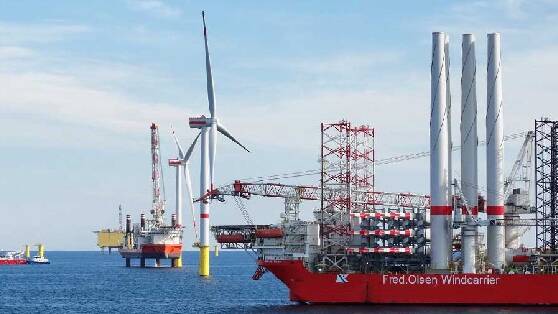

DNV and partners confirm the completion of Phase 1 of a joint industry project (JIP) on Bottom Impact and Partially Submerged Conditions which has resulted in a new framework for optimising the installation process of offshore wind turbines. New partners are encouraged to join Phase 2, which will focus on validating models and establishing common best-practice guidelines to the benefit of the entire industry.
Offshore wind-turbine installation is currently done in very benign weather conditions to limit WTIVs bottom impact of the jack-up legs with the seabed during the set-down phase. This severely restricts their operability and results in high day rates that make delays very costly for operators and charterer. Regions exposed to earthquake risk also require new operation philosophies such as operating the crane with the WTIV in a semi-jacked condition.
“As the industry moves further into new territory with harsher weather, less forgiving seabed conditions and seismic areas, there is an increased urgency to widen the weather window so projects can be completely more efficiently,” says JIP steering committee chairman Andries Hofman of GustoMSC BV.
The absence of guidelines and models to fully understand bottom-impact forces and operations in the semi-jacked condition triggered the initial formation of the JIP in November 2020. The early aim was to investigate operational limits and explore potential new operational practices. Reducing installation costs is key to bringing down the cost of offshore wind energy amid the drive to boost energy security. Pushing the boundaries without compromising on safety needs to be founded on validated knowledge.
“The JIP work will be relevant for a long time to come, as bottom-fixed wind farms that require jack-up installation will remain most cost-attractive way to diversify our energy mix. “ says JIP project manager Antonio Goncalves, Business Lead, Technical Advisory at DNV. “The market is developing quicker than the rules and the only way to make significant leaps is through sharing knowledge. Through better understanding of the forces are at play and their consequences, we can increase performance and safety in worse sea conditions, enabling more efficient and timely turbine installation, which is a great opportunity for the whole industry.”
Phase 1 resulted in a numerical model, developed by DNV and based on the input of all JIP partners, to accurately predict bottom-impact forces and simulate semi-jacked conditions. The JIP is now open to more partners to join the second phase, with the aim of validating the developed models with full-scale measurements and establishing common best-practice guidelines. The project welcomes energy companies, installation contractors, designers and shipyards, crane fabricators or wind turbine manufacturers.
Project partners: DEME Offshore, DNV, EDF Renouvelables, Fred. Olsen Windcarrier, GustoMSC, Huisman Equipment, Jan De Nul, Ocean Winds, Ørsted, RWE Renewables, Seajacks UK, Van Oord Offshore Wind, Yantai CIMC Raffles Offshore



Related News.
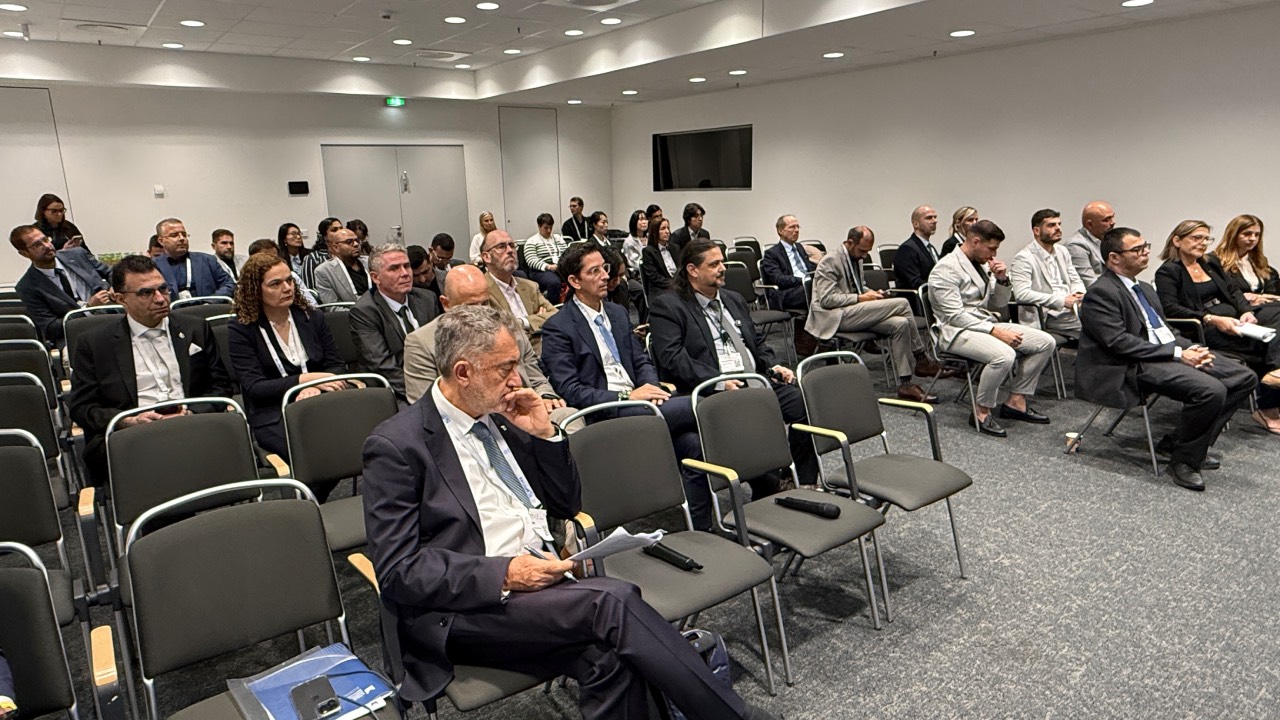
Cyprus Maritime Innovation takes Centre Stage at SMM Hamburg 2026
Underscoring its expanding role as a premier international hub for cutting-edge maritime technology and sustainable shipping, the Republic of Cyprus…

Trump seeks to refill US oil reserve with Venezuela deal but faces long delay
U.S. President Donald Trump said on the 30th (local time) that he would refill the U.S. Strategic Petroleum Reserve, which has been depleted with…
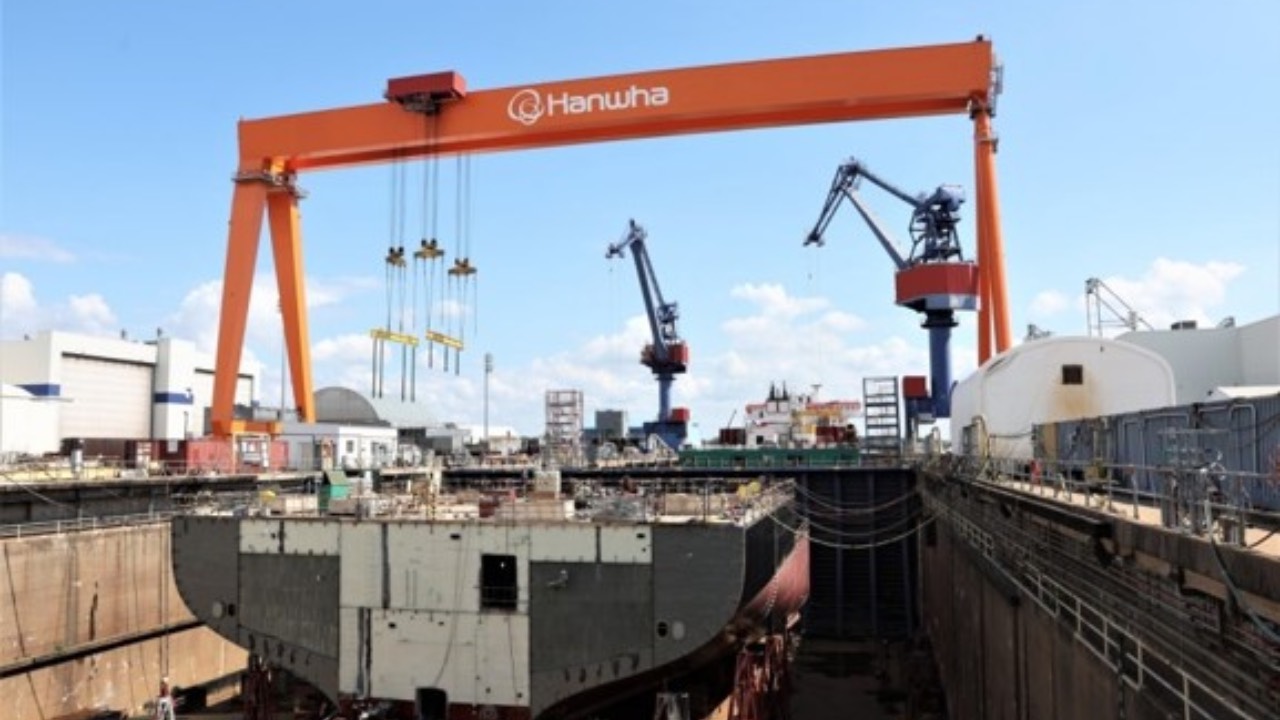
US Navy Official visits South Korean Shipyards in private
With U.S. President Donald Trump pushing a plan to allow overseas construction of U.S. warships, attention is focusing on whether the building of…

SES and De Boer Marine expand collaboration with FlexMaritime deployment across Global Markets
SES, a leading space solutions company, and De Boer Marine, a leading provider of top-quality marine equipment and maritime connectivity services,…

New ESG guidance to help maritime industry turn sustainability into commercial advantage
New framework helps shipowners and ports align ESG strategy with access to capital, charterer expectations and long-term asset value. Maritime…
Britannia P&I Club analysis finds four in five crew deaths linked to illness rather than accidents
New report highlights cardiovascular disease as leading cause of fatalities and raises concerns over mental health risks among younger seafarers.…
The Swedish Club launches new Loss Prevention podcast, Knot Another Lesson
The Swedish Club has launched Knot Another Lesson, a new podcast exploring the practical lessons, emerging risks and operational challenges shaping…

Lloyd’s Register appoints Jens Grunenberg as Senior Representative for Germany
Lloyd’s Register has appointed Jens Grunenberg as its Senior Representative for Germany, effective 1 September. Based in Hamburg, Grunenberg will…
Indian Register of Shipping sets sights on Hamburg for European Expansion
Indian Register of Shipping, a leading international classification society and full member of the International Association of Classification…
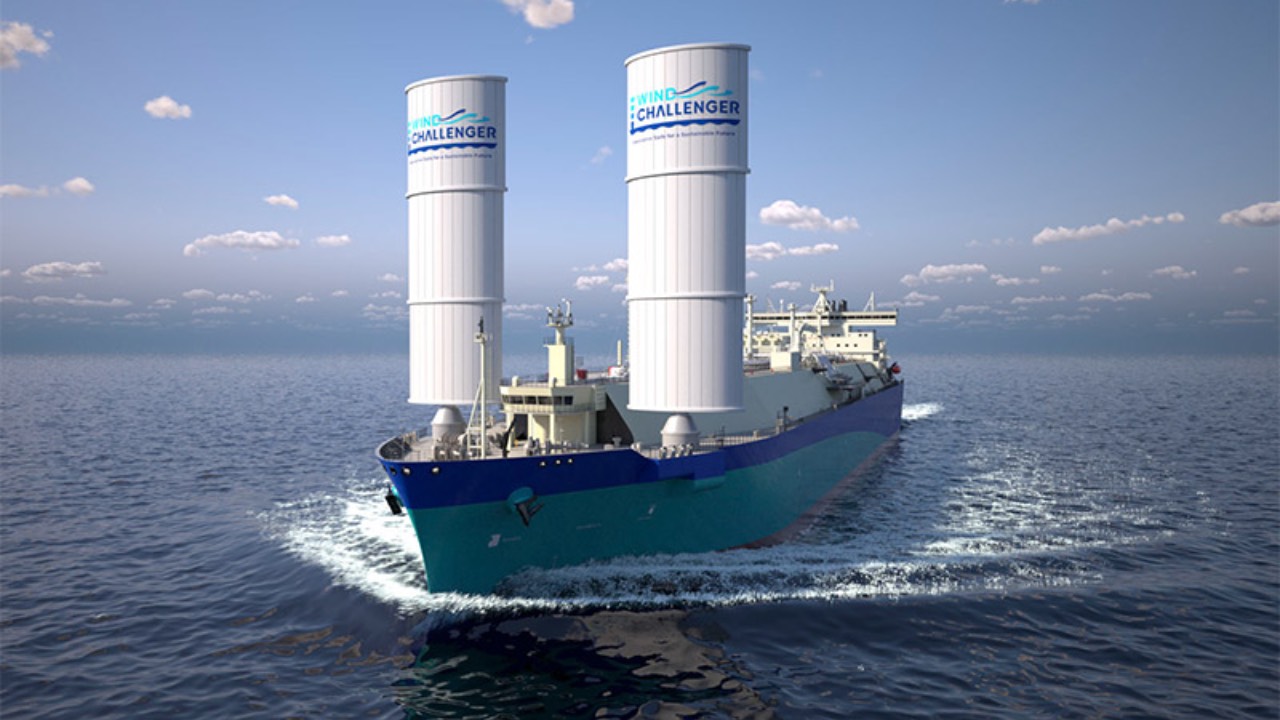
MOL completes Merger of 6 Ship Management Companies
Unifying Management of Over 200 Vessels and Strengthening Safety Mitsui O.S.K. Lines, announced that it has completed the integration of the MOL…
Subscribe to our newsletter!
if you dont want to swim alone in the ocean of news, sign up for the newsletter, and you will receive daily all the important news of world shipping!
