Nordic consortium reveals promising outlook for a green ammonia-powered vessel
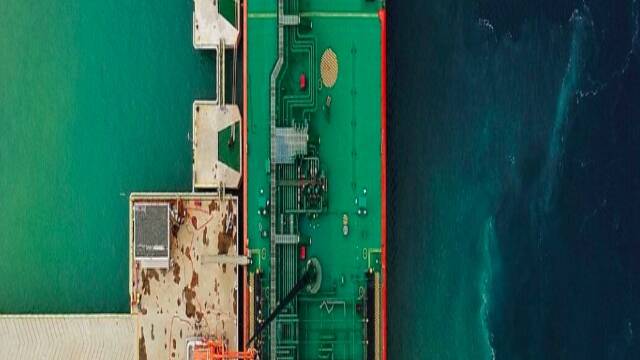

The Nordic Green Ammonia-Powered Ship concept study brings together key players in the entire value chain for a green ammonia-powered gas carrier. A major conclusion is that green ammonia holds potential to play a significant role in decarbonizing maritime transport if investors and operators are presented with a credible business model.
Momentum is building behind the urgent need for a transition to zero-emission shipping. Recent research estimates that zero-emission fuels need to make up 5% of the international fuel mix by 2030 if the industry is to meet decarbonization targets by mid-century. Among other zero-emission fuels, green ammonia is seen as central to deliver on these objectives due to its potential scalability and application on long-distance routes. The Nordic Green Ammonia-Powered Ship (NoGAPS) consortium has elaborated a concept for a green ammonia-powered gas carrier, transporting ammonia as a cargo in Northern Europe and using zero-emission ammonia as a fuel.
“Understanding the technologies and business models needed to deliver zero-emission shipping is key. The NoGAPS concept study examines the full value chain viability of powering ships with green ammonia. It finds that using green ammonia as a fuel is both practical and feasible. Focus should now be on measures that can strengthen the business case for zero-emission ammonia,” says Jesse Fahnestock, Project Director at the Global Maritime Forum.
“The NoGAPS study has helped to identify the most pressing problems and possible solutions for ammonia-powered, zero-emission shipping, from the perspective of the entire maritime value chain. The Nordic region is home to plentiful renewable energy, large-scale ammonia production, and some of the world’s leading shipping companies and engine manufacturers and has an opportunity to build the full value chain for green ammonia-powered shipping on an accelerated timetable,” says Sofia Fürstenberg Stott, Partner at Fürstenberg Maritime Advisory.
The NoGAPS project report has been developed by the Global Maritime Forum and Fürstenberg Maritime Advisory and made possible through collaboration with consortium project partners; BW Epic Kosan, Danish Ship Finance, DNB, DNV, MAN Energy Solutions, Wärtsilä, Yara International, and Ørsted with co-funding from Nordic Innovation.
The consortium investigated the vessel, the fuel and the fueling options, as well as the business, financing and policy considerations. The major NoGAPS conclusions are:
- The potential of green ammonia-powered shipping to contribute to the decarbonization of the maritime sector is significant, and ammonia carriers present a logical starting point for demonstrating this potential.
- Neither the technical considerations nor the associated regulatory approval for a green ammonia-powered vessel present major obstacles to putting the M/S NoGAPS on the water.
- Ammonia synthesized from green hydrogen represents a credible long-term, zero-emission fuel.
- The most important challenge to be overcome is to develop and demonstrate a business model that is credible in the eyes of investors and operators. Both the vessel design and the fuel sourcing strategy offer opportunities to reduce risks and costs in meaningful ways.
- Government support and public finance can both accelerate the short-term timetable for investment in demonstration and improve the outlook for long-term deployment of green ammonia as a shipping fuel.
Due to the currently higher costs of green ammonia relative to conventional shipping fuels, the NoGAPS project reports also outlines a number of measures and complimentary measures from governments that can strengthen the business case for green ammonia-powered shipping.
On the launch of the Nordic Green Ammonia-Powered Ship project report, members of the consortium comment:
“There are no significant technical barriers towards large-scale green zero-carbon ammonia production and ammonia can be delivered at scale reliably and safely to the shipping industry. Yara as a leading ammonia player is planning to set-up large scale green ammonia production in Norway and other regions. All stakeholders including the regulators, governments and environmental agencies should act now to enable the shipping industry to transition towards green ammonia as a fuel. The NoGAPS concept study has proven the viability and credibility of green ammonia as a shipping fuel and Yara believes that collaboration across industries will remove barriers to making this a reality,” says Magnus Ankarstrand, President, Yara Clean Ammonia.
“We have found the NoGAPS study to be an interesting and valuable process, as it has brought together the entire value chain – for example, ammonia producers, energy providers, ship designers, rule makers and engine manufacturers alongside financial institutions – to explore the possibilities of ammonia-powered vessels. One key finding of the study is that it is possible to use green ammonia as a natural choice of fuel for an LPG carrier. There are still areas to be explored, but NoGAPS has taken some big steps along the path to ammonia-powered shipping,” says Hans-Henrik Ahrenst, Performance Manager, Naval Architect, BW Epic Kosan.
Download the full Nordic Green Ammonia-Powered Ship project report here.



Related News.
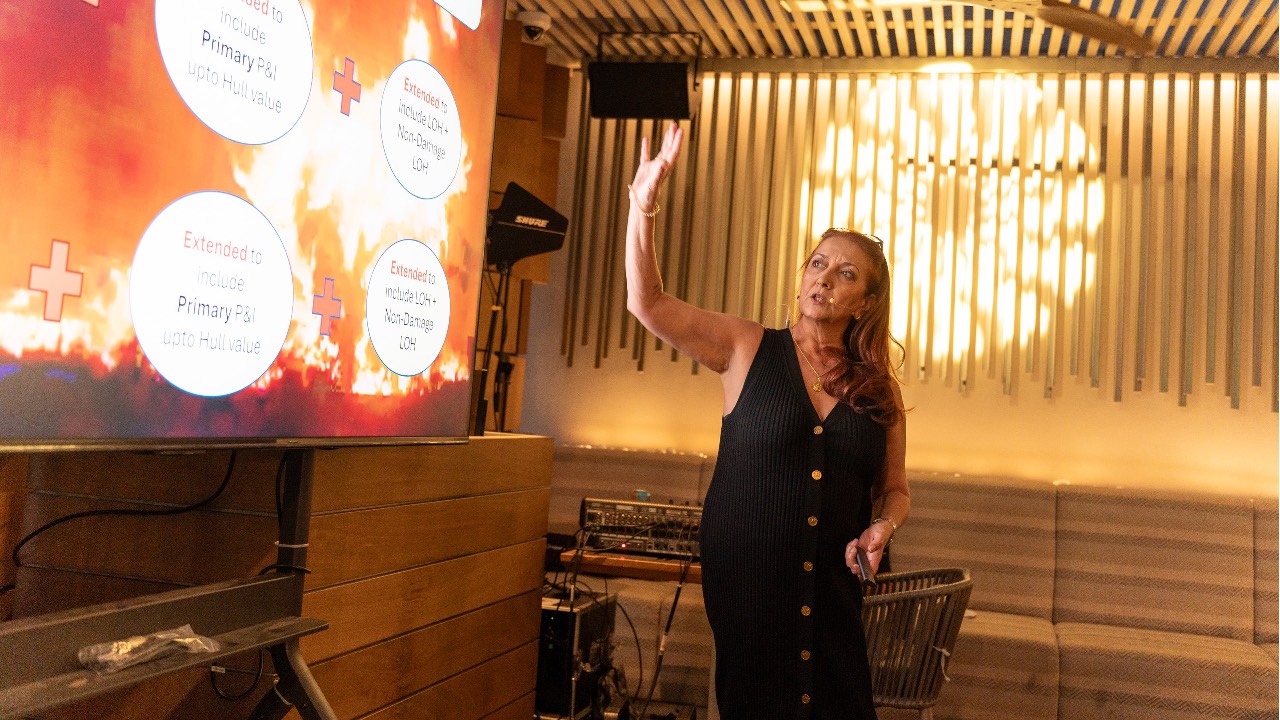
Cyprus Marine Club Welcomes a Full House for Aphentrica’s War Risks Presentation
The Cyprus Marine Club marked its return after the summer break with a full house at Gazebo Mare on Tuesday, 22 September, bringing together members,…
IMO seeks feedback on Maritime Single Window implementation
The International Maritime Organization (IMO) has launched a global survey to assess the implementation and use of Maritime Single Windows (MSWs),…
World Maritime Day industry panel to examine the gap between maritime policy and the reality of life at sea
OneCare Group will bring together crewing, safety, insurance and wellbeing specialists for a World Maritime Day webinar examining how shipping can…

IUMI President – Marine insurers are war insurers
Marine insurers are at the heart of managing war risks to global shipping and must continue to develop the tools needed to support and facilitate…
Seafarer welfare is improving amongst leading companies, but five years of evidence shows this progress is far from the norm
Five years on, the Seafarers’ Rights Code of Conduct is driving more than 1,000 companies to participate in RightShip’s Crew Welfare…
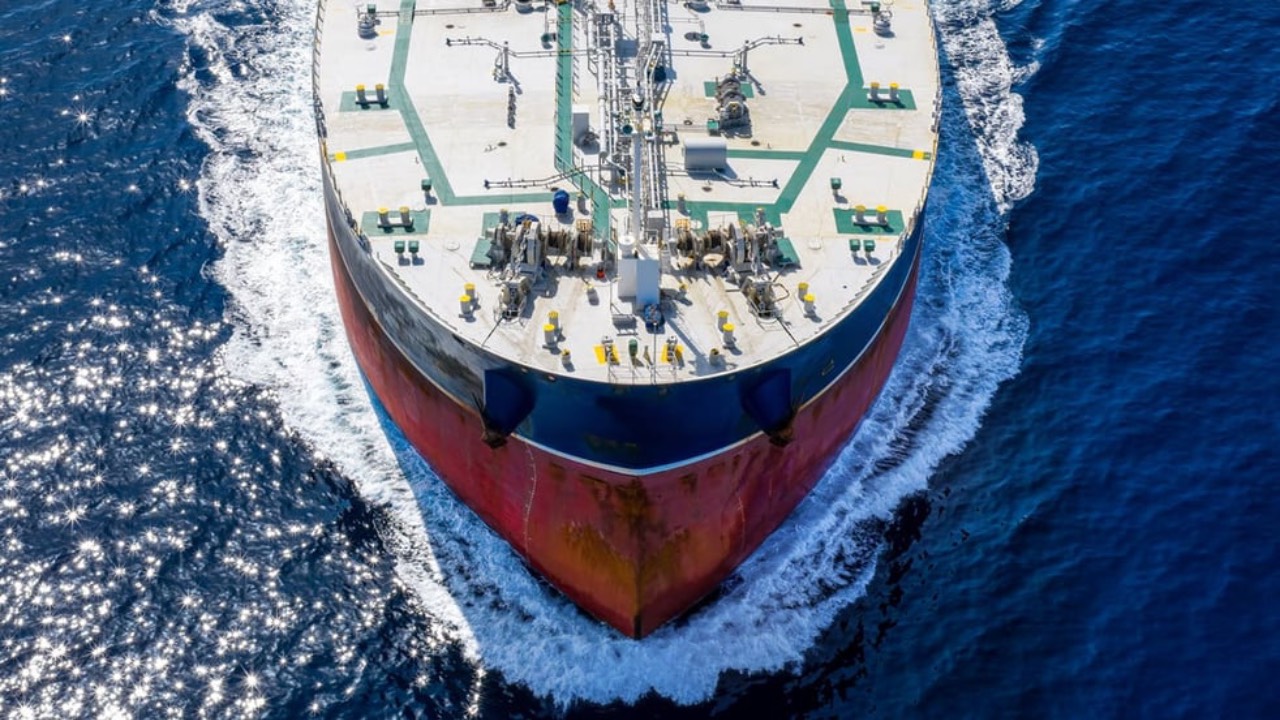
The UK ETS arrives for shipping what it means for charterers
Introduction The UK Emissions Trading Scheme (UK ETS) was extended to domestic maritime activity on 1 July 2026, following the EU ETS, FuelEU…
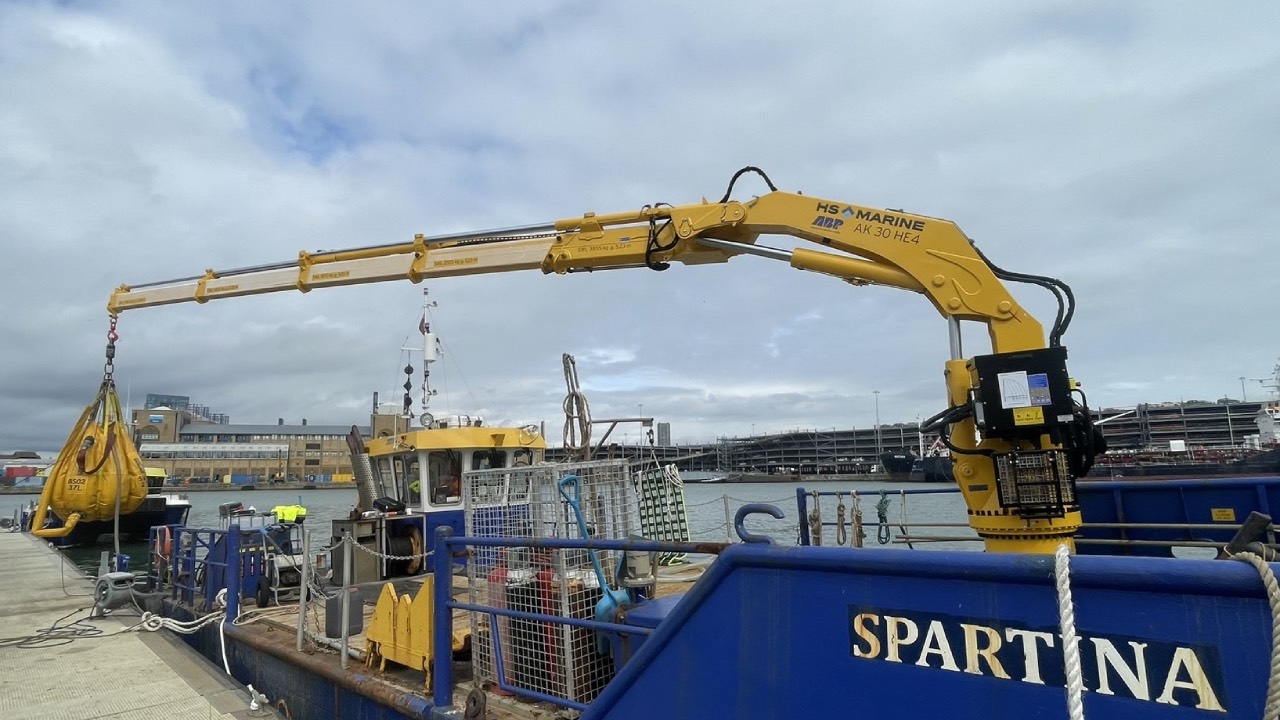
ABP Southampton invests locally with Marine Cranes to boost capability
Associated British Ports , the UK’s largest port operator, has invested a new marine deck crane aboard Spartina, one of the Port of Southampton’s…
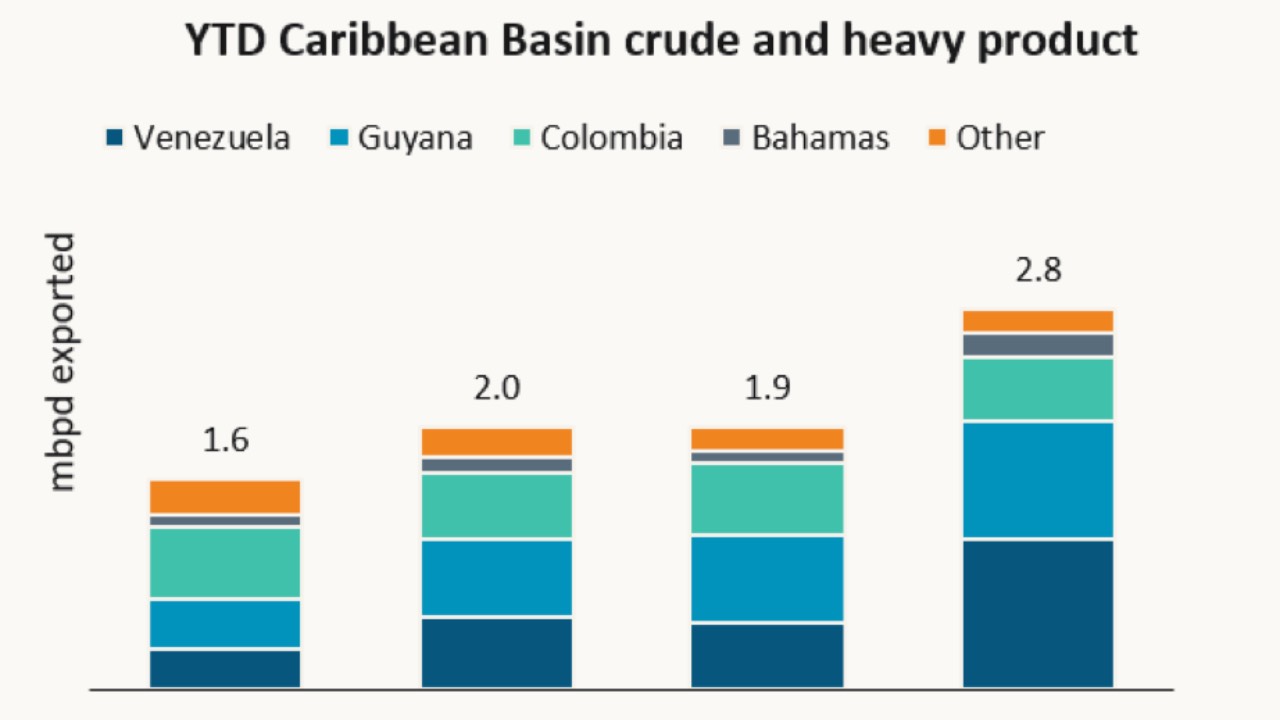
BIMCO Shipping Number of the Week
Caribbean Basin crude oil and heavy product exports jump 45% “Seaborne exports of crude oil and heavy products from the Caribbean Basin have…

xclusiv S&P Report 21th September 2026
Pls find below the [xclusiv] S&P Report 21th September 2026 [xclusiv] 2026_09_21
Marine insurance supply remains stable as geopolitical and technical changes reshape the market, says IUMI President
The global marine insurance market remains in a stable position, with premium growth strongly supported by a weak USD in hull and cargo. Meanwhile…
Subscribe to our newsletter!
if you dont want to swim alone in the ocean of news, sign up for the newsletter, and you will receive daily all the important news of world shipping!
