ABB Azipod® electric propulsion marks 30 years of excellence at sea
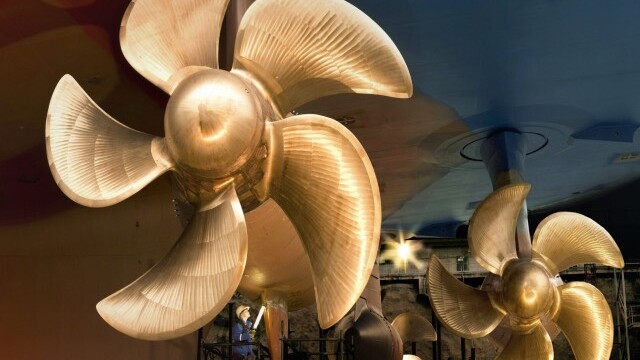

From its creation three decades ago to its market leading position in global shipping today, Azipod® propulsion has revolutionized marine transport with its unparalleled performance, efficiency, sustainability and reliability.
First seen on the Finnish icegoing vessel Seili in 1991, Azipod® electric propulsion has clocked over 20 million running hours at an impressive availability rate of 99.9 percent, while saving about 1,000,000 tons of fuel in the cruise segment alone.
Over three decades, ABB has developed Azipod® propulsion to meet varied and ever-changing needs of shipping companies, bringing higher performance for all kinds of vessels. Today, over 25 different vessel types rely on Azipod® technology – from cruise ships to cargo carriers, icebreakers, ferries and superyachts. In total, ABB has sold over 700 Azipod® units over the course of 30 years.
“ABB has played a pioneering role in electric transportation for more than a century. The launch of the Azipod® technology in 1991 marked a new era in ship propulsion and has firmly established ABB’s contribution to reducing the environmental impact of the maritime industry. I am convinced that this state-of-the-art technology will continue to play a major part in supporting our role as a front runner in sustainable transportation,” said Björn Rosengren, CEO of ABB.
Azipod® propulsion has set numerous records in the shipping industry, from powering the largest cruise vessels to enabling the first crossings of the Northern Sea Route for tankers without icebreaker assistance.
“Azipod® technology will help any vessel type cut cost and carbon footprint, both because it is a superior propulsion solution and because it further improves the greater efficiency inherent in electric propulsion,” said Juha Koskela, Division President, ABB Marine & Ports. “An independent study in 2019 showed that Azipod® propulsion could help ferry owners save $1.7 million in annual fuel costs per vessel while cutting CO2 emissions by approximately 10,000 tons. With International Maritime Organization’s goal to halve greenhouse gas emissions from ships by 2050, I am confident that Azipod® propulsion will be driving sustainable shipping in 30 years’ time, and beyond.”
With the electric drive motor housed within a pod outside the ship hull, the Azipod® system can rotate 360 degrees, increasing maneuverability and allowing even the largest vessels to dock in harbors where turning circles are restricted. Crucially, Azipod® propulsion also improves operating efficiency, boosting a ship’s hydrodynamic performance and cutting fuel consumption by up to 20 percent when compared with a traditional shaftline setup. Space saved by locating the motor outside the ship allows for more flexible design and frees up space for cabins, cargo or other features.
Azipod® propulsion was initially designed as a future-proof system able to adapt to virtually any energy source. With the electric drive motor at its core, the Azipod® system can be powered by electricity drawn from different energy sources including batteries and fuel cells, and shipowners can add or exchange power sources as they evolve. Electrical power minimizes engine noise and vibration as well, ensuring a smoother, quieter ride.
An integral part of the vessel’s overall electrical propulsion setup, the Azipod® technology seamlessly integrates with power systems and equipment on board. ABB’s Propulsion Control System ensures communication with onboard systems, while ABB’s Power and Energy Management System (PEMS™) controls the overall power distribution. The combination of the Azipod® system and ABB’s electric propulsion setup makes it possible to configure the equipment for optimized performance, resulting in increased efficiency and lower emissions.
In line with ABB Marine & Ports ‘Electric. Digital. Connected.’ approach that envisages shipping’s digital and connected future, vessels equipped with Azipod® propulsion have the capability to leverage the digital ABB Ability™ Collaborative Operations infrastructure and centers for predictive maintenance and remote technical support.
Azipod® unit power ranges from 1MW to 22MW, with different models delivered from two Finnish plants and one in Shanghai. Successive generations have been refined for enhanced hydrodynamics, space efficiency and structural strength, and for easier installation and maintenance. Up to 95 percent of the material used in the production of Azipod® units is recyclable, testimony to the sustainable lifecycle perspective that guides the development and application of this remarkable technology.



Related News.
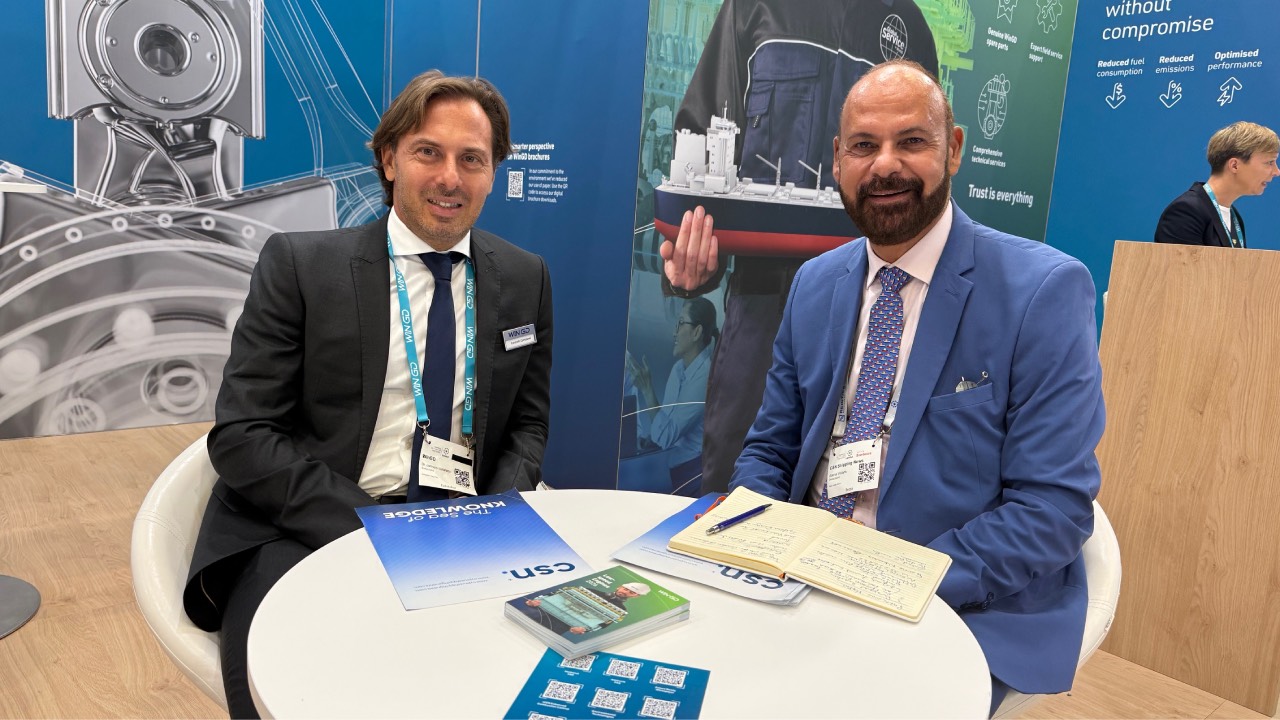
Navigating the Multi Fuel Future: Exclusive Interview with WinGD’s Carmelo Cartalemi at SMM
As the maritime industry faces mounting regulatory pressures from FuelEU Maritime and the urgent need to decarbonise, shipowners are navigating one…
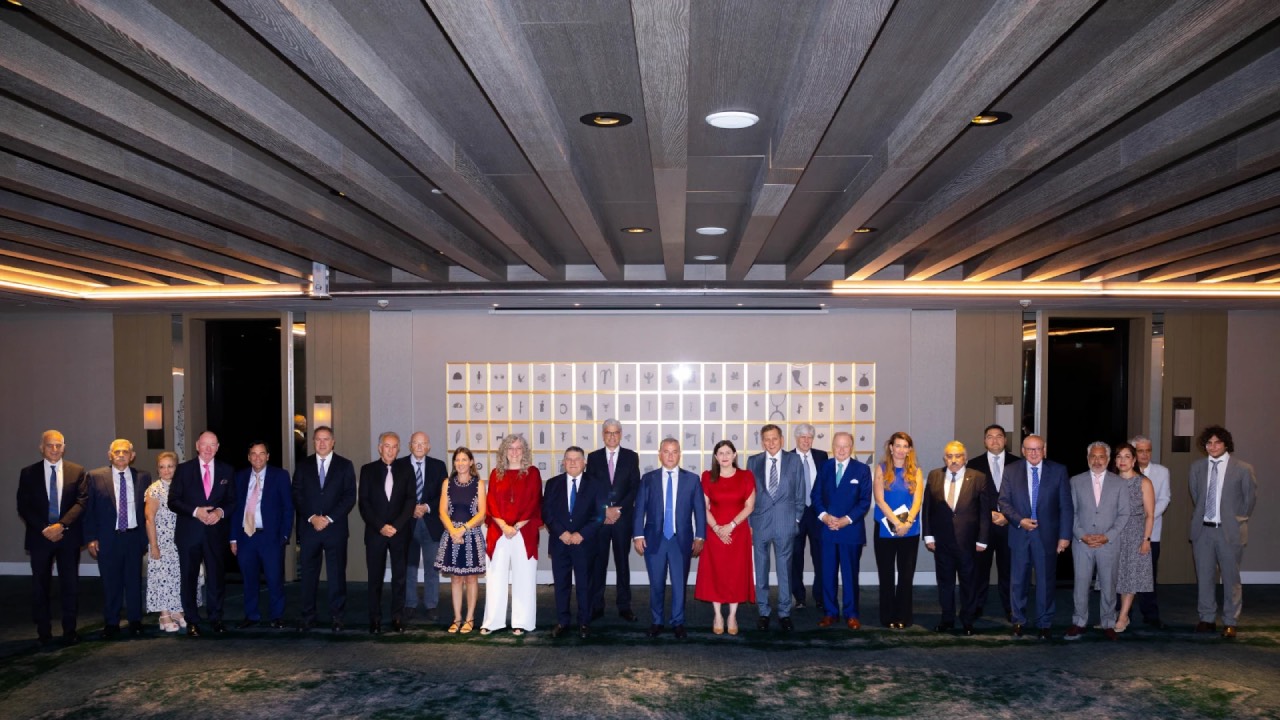
Dinner of the Cyprus Union of Shipowners in honour of the President of the Republic of Cyprus
On the occasion of the Annual General Meeting of the Cyprus Union of Shipowners, held on Friday, 18 September 2026, at the Four Seasons Astir Palace…

Marine insurance supply remains stable as geopolitical and technical changes reshape the market, says IUMI President
The global marine insurance market remains in a stable position, with premium growth strongly supported by a weak USD in hull and cargo. Meanwhile…
BetterSea and GTT Marine enter partnership to deliver seamless FuelEU Trading and Pooling through Vesper Insights Platform
BetterSea, provider of a leading FuelEU compliance platform and marketplace, and GTT Marine, a business unit of the GTT Group, announced a…

The Swedish Club marks 25 years of Marine Insurance Course
More than 1,000 maritime professionals have participated in MIC as course continues to evolve alongside changing marine risks The Swedish Club has…
“ValenciaportPCS” launches a new feature to facilitate interaction between shippers and carriers
Valenciaport’s IT and telematics platform automates the generation of the Electronic Administrative Control Document (DeCA) based on the Unified…

China Thermal Coal Import Outlook and Indonesian Supply Assumptions
China thermal coal import outlook and Indonesian supply assumptions China’s coal import outlook spans softer buying through broadly sustained recent…

Danish Shipping established with Maritime innovation new partnership and shortens the path to EU funding
Denmark’s maritime sector needs to become better at securing EU funding. Danish Maritime and Danish Shipping, in collaboration with ShippingLab,…
Trafigura launches Volare Shipping
Contemplated Private Placement and subsequent listing of Volare Shipping on Euronext Growth Oslo Trafigura announces it has established a new,…

Global Maritime Forum announces all Aboard Alliance report which shows how companies are raising the standard at sea
A new report from the All Aboard Alliance reveals how 13 maritime companies are putting the Sustainable Crewing Guidelines into practice. The nine…
Subscribe to our newsletter!
if you dont want to swim alone in the ocean of news, sign up for the newsletter, and you will receive daily all the important news of world shipping!
