Hywind Scotland remains the UK’s best performing offshore wind farm
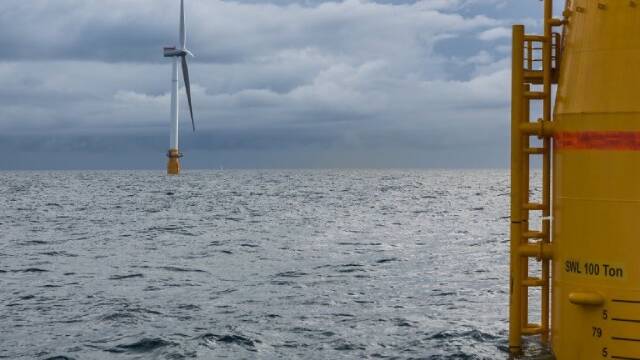

For its third consecutive year, Hywind Scotland – the world’s first floating offshore wind farm – reaches the highest average capacity factor for any wind farm in the UK
With an average capacity factor of 57.1% in the twelve months to March 2021, the floating offshore wind farm set a new record in the UK.
During its first two years of operation, the wind farm achieved an average capacity factor of 54%. That compares to an offshore wind average in the U.K. of around 40%. The capacity factor is the ratio of actual energy output over a given period of time, to the maximum possible output. A higher capacity factor means lower intermittency and higher value.
With this top of the charts performance, the Equinor-operated wind farm has truly proven the potential for floating offshore wind, paving the way for the UK’s announcement of 1GW of floating offshore wind to be developed in the UK by 2030.
Equinor is the global leader in floating offshore wind. With Hywind Tampen onstream in 2022 Equinor will operate a third of floating offshore wind production worldwide.
“In Equinor we are constantly striving to improve the performance of our assets, whilst ensuring we extract learnings to support future projects. The turbines on Hywind Scotland are covered in sensors, to extract as much data from the wind farm as possible. We’re monitoring everything from ballast, mooring, structural strains and the more regular wind turbine sensor data, looking at how best to optimise this innovative technology as we prepare to develop at scale. We’re sharing parts of this data across industry to help the advancement of the technology globally and more widely than just our own operations,” says Sonja Chirico Indrebø, plant manager for Hywind Scotland and Dudgeon, the bottom-fixed wind farm off the coast of North Norfolk, who also can show to strong results.
As the first project of its kind, the Hywind Scotland wind farm has provided valuable data and results that will help drive the whole industry forward.
“It’s great to see the results Hywind Scotland and the floating technology keeps delivering. The potential for floating offshore wind is huge. With access to deeper waters and therefore higher and more consistent wind speeds, floating offshore is not only an efficient way to generate electricity from wind, this exciting technology can also provide jobs and value creation for the countries supportive of floating. In the UK alone, we are talking at least 17000 jobs and £33bn GVA by 2050. We believe Scotland has the potential to build a globally competitive offshore wind industry, including a real chance to enhance the development of floating offshore wind,” says Sebastian Bringsværd, head of floating wind development at Equinor.
As a global major in offshore wind with decades of experience in developing offshore energy – oil and gas, Equinor is uniquely placed to drive forward global deployment of floating offshore wind.
In 2009, Equinor installed the first ever floating offshore wind turbine, and Hywind Scotland followed in 2017 as the world’s first commercial floating offshore wind farm. It is now developing an even bigger project, Hywind Tampen, situated off the coast of Norway. This project, currently in construction, is on schedule to become the world’s largest floating wind farm as well as the first project ever to use wind energy to decarbonise offshore oil and gas production.
A recent report from ORE Catapult showed potential pathways for the growth and cost reduction for floating offshore wind.
Scale is key to cost reduction and Equinor has already seen a reduction in CAPEX per megawatt of 70% between its initial demonstrator, with a capacity of 2.3MW and Hywind Scotland, with a capacity of 30MW. The company expects a further 40% drop between Hywind Scotland and the 88MW Hywind Tampen.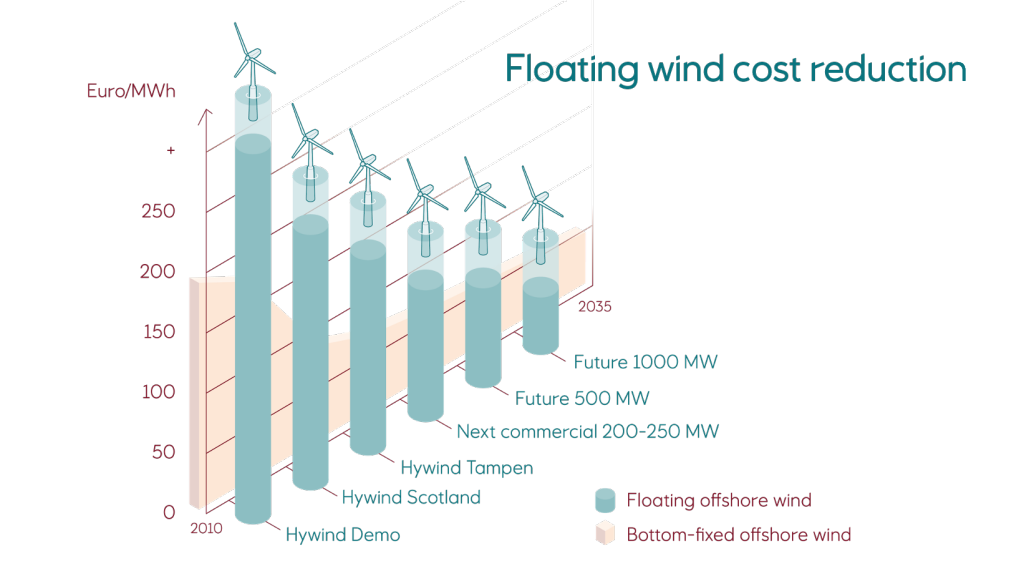
“The global energy industry has been pleasantly surprised by the rapid decline in the cost to deploy fixed bottom offshore wind. We’ve been working on floating offshore wind for more than ten years and we see that significant cost reductions can be achieved through scale and experience, paving the way for floating to become fully commercialised”, says Bringsværd.
Job creation
In the UK alone it is estimated that up to 17,000 jobs and £33.6bn of GVA could be generated by this innovative technology by 2050. The new areas floating offshore wind unlocks means the economic benefits of offshore wind will spread further, delivering long-term skilled jobs in places unsuitable for fixed bottom offshore wind.
The UK has become one of the first countries to set a formal target for floating offshore wind, committing to 1GW by 2030. However, Equinor and others in industry are confident that we can go further than this, reaching up to 2GW by 2030 and building a multi-GW pipeline of projects to deliver the UK’s longer-term net zero objectives.



Related News.
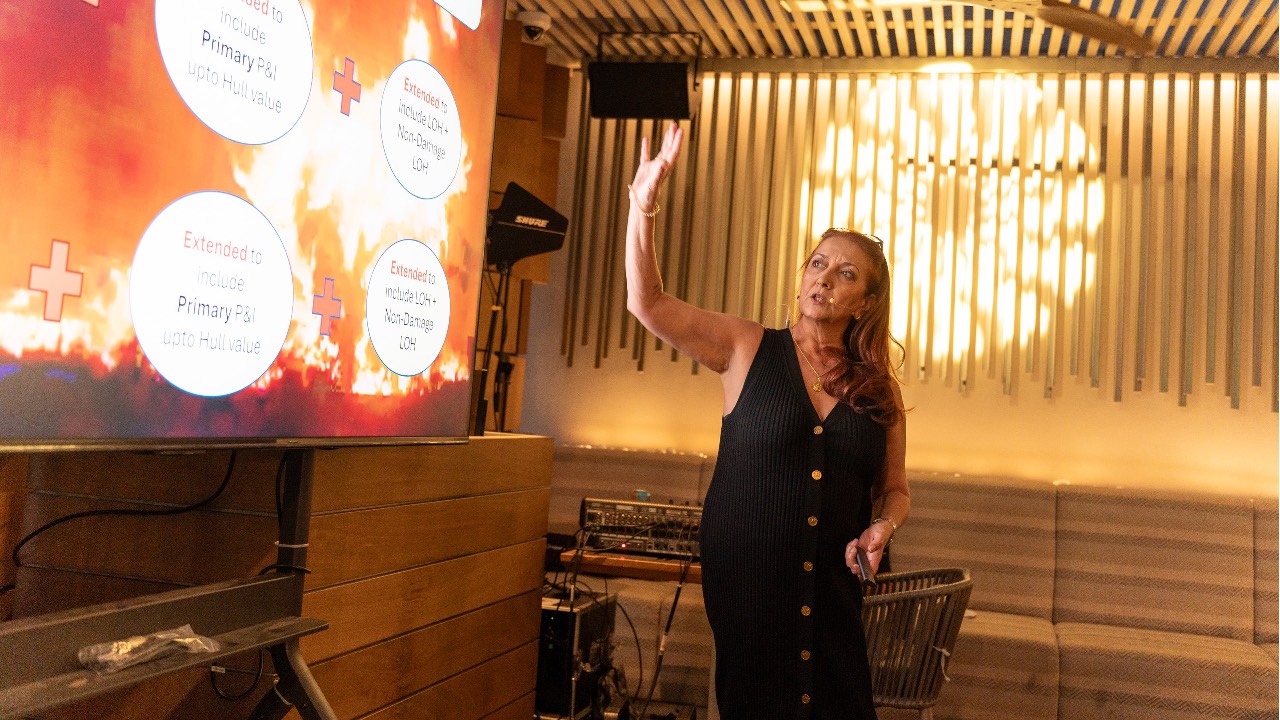
Cyprus Marine Club Welcomes a Full House for Aphentrica’s War Risks Presentation
The Cyprus Marine Club marked its return after the summer break with a full house at Gazebo Mare on Tuesday, 22 September, bringing together members,…

IMO seeks feedback on Maritime Single Window implementation
The International Maritime Organization (IMO) has launched a global survey to assess the implementation and use of Maritime Single Windows (MSWs),…

World Maritime Day industry panel to examine the gap between maritime policy and the reality of life at sea
OneCare Group will bring together crewing, safety, insurance and wellbeing specialists for a World Maritime Day webinar examining how shipping can…

IUMI President – Marine insurers are war insurers
Marine insurers are at the heart of managing war risks to global shipping and must continue to develop the tools needed to support and facilitate…
Seafarer welfare is improving amongst leading companies, but five years of evidence shows this progress is far from the norm
Five years on, the Seafarers’ Rights Code of Conduct is driving more than 1,000 companies to participate in RightShip’s Crew Welfare…
The UK ETS arrives for shipping what it means for charterers
Introduction The UK Emissions Trading Scheme (UK ETS) was extended to domestic maritime activity on 1 July 2026, following the EU ETS, FuelEU…
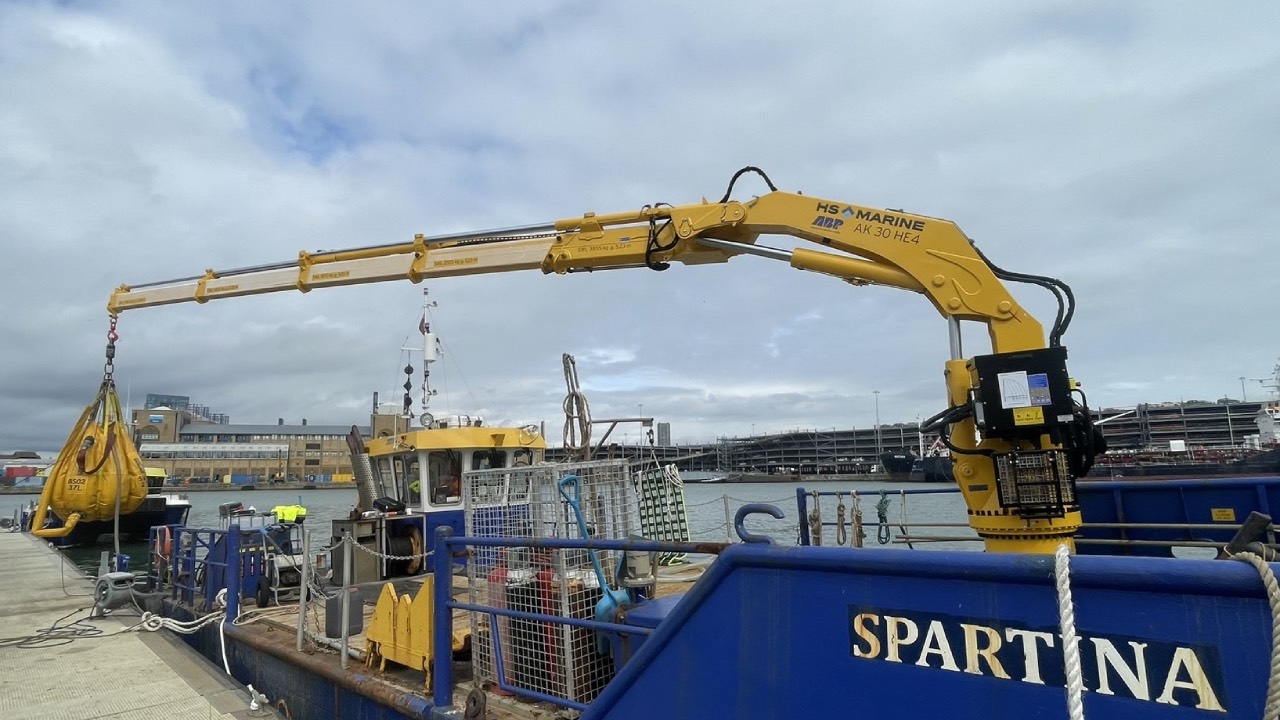
ABP Southampton invests locally with Marine Cranes to boost capability
Associated British Ports , the UK’s largest port operator, has invested a new marine deck crane aboard Spartina, one of the Port of Southampton’s…
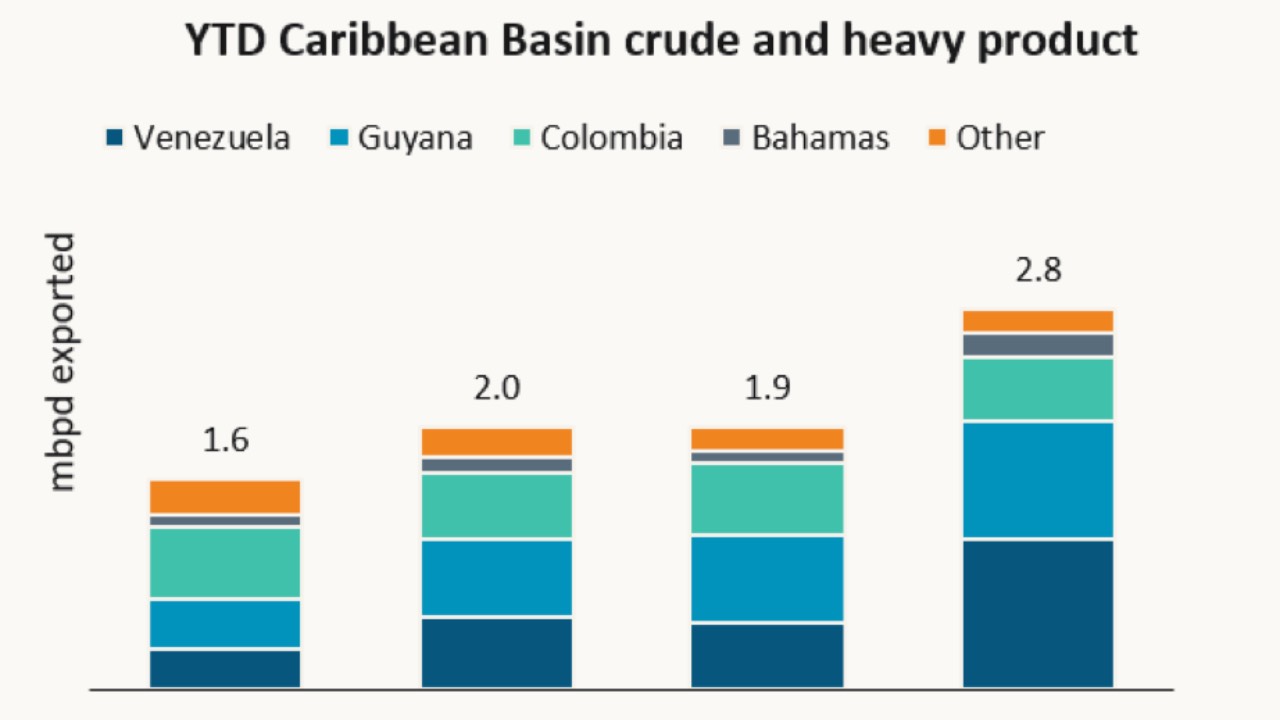
BIMCO Shipping Number of the Week
Caribbean Basin crude oil and heavy product exports jump 45% “Seaborne exports of crude oil and heavy products from the Caribbean Basin have…

xclusiv S&P Report 21th September 2026
Pls find below the [xclusiv] S&P Report 21th September 2026 [xclusiv] 2026_09_21
Marine insurance supply remains stable as geopolitical and technical changes reshape the market, says IUMI President
The global marine insurance market remains in a stable position, with premium growth strongly supported by a weak USD in hull and cargo. Meanwhile…
Subscribe to our newsletter!
if you dont want to swim alone in the ocean of news, sign up for the newsletter, and you will receive daily all the important news of world shipping!
