Allied QuantumSea Research | Secondhand Investment Trends | October 2026




Related News.

Island Energies unveils new brand identity at exclusive Limassol Reception
Island Energies Exclusive Afternoon Cocktail Event,Thursday,12 November 2026, 18:00, Four Seasons, Limassol Solid Partnerships. Infinite Horizons.…
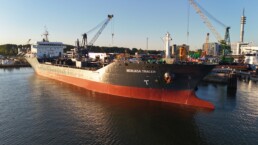
Monjasa adds five sister tankers in major fleet renewal deal
Global oil and shipping group, Monjasa is adding five sister tankers to its fleet in the company's largest-ever tonnage acquisition, strengthening…

Star Bulk announces publication of 2025 environmental, social and governance ESG report
Star Bulk Carriers, a global leader in dry bulk shipping, announced the publication of its 2025 Environmental, Social and Governance Report. The…

Fund for Energy Efficiency Technologies FEET is the first fund to adopt the Singapore-Asia Taxonomy for Sustainable Finance
• GCMD’s methodology for quantifying fuel savings from wind-assisted propulsion systems has been independently reviewed by Lloyd's Register. • The…

Shipping puts AI readiness to the test with new maturity benchmark
Lloyd’s Register has expanded its Digital Maturity Index benchmarking tool with a new AI maturity assessment, helping shipowners and operators…

Hong Kong Maritime Week 2026 Marks 10th Anniversary milestone: Trusted resilience powering global maritime trade
The globally anticipated annual flagship event, Hong Kong Maritime Week (HKMW) 2026, taking place from November 15 to 21, is marking its landmark…

South Korea’s exports surge toward $1 trillion as Chip Shipments more than quadruple
South Korea’s exports more than doubled in the first 10 days of November from a year earlier, reaching $33.46 billion on the back of strong…

Drewry Benchmarking Club data now available on Cargoo’s ocean freight management platform for Club members
Drewry Shipping Consultants, a leading international provider of research and consulting services to the maritime and shipping industry, today…
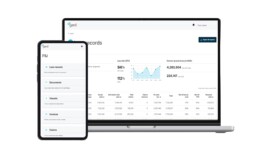
New Gard tool provides fleet insights into sensitive marine areas
Whales and other marine mammals share the world’s oceans with a growing volume of shipping. A new feature in the Gard Portal helps Members and…
Xeneta Ocean Outlook 2027: three years, three shocks, and what comes next
Spot rates up 343% since Hormuz closed. Xeneta's Ocean Outlook 2027 explains why 2027 should soften, and what could stop it. For the third year…
Subscribe to our newsletter!
if you dont want to swim alone in the ocean of news, sign up for the newsletter, and you will receive daily all the important news of world shipping!
