Alternative-fuel ships outpace port readiness, new LR report finds
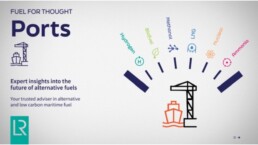

1,942 alternative-fuel-capable vessels are on order, but methanol bunkering is available at just 25 ports and commercial ammonia bunkering has taken place at only one.
Alternative-fuel vessel orders are outpacing the development of the port infrastructure needed to support them, according to a new global study by Lloyd’s Register , highlighting a growing gap between ship capability and fuel availability.
LR’s new Fuel for Thought: Ports report finds that 1,942 alternative-fuel-capable vessels were on order in January 2026, with alternative-fuel ships representing 47% of global orderbook tonnage, according to Clarksons Research. Yet readiness differs sharply by fuel: LNG bunkering was available at 222 ports, compared with just 25 actively offering methanol, while the first commercial ammonia bunkering operation, at Ulsan in South Korea, was completed only in April 2026.
The gap is particularly stark for emerging fuels. LR identified 385 methanol-capable and 45 ammonia-capable vessels on order, while the infrastructure and low-carbon fuel supply needed to serve them remains concentrated among a relatively small number of ports. Most ports pursuing ammonia remain at pilot, trial or safety-framework stage.
The report concludes that fuel choice and trade route are now inseparable, with newbuild and conversion decisions needing to reflect the availability of fuel at the ports vessels will actually use.

Kamran Ul Haq, Senior Vice President, LR Ports Advisory, said: “The fleet is moving faster than the infrastructure needed to support it. An owner can order an alternative-fuel vessel today, but that does not mean the fuel will be available where that ship needs it. Fuel strategy and trading strategy can no longer be considered separately.
“Ports do not need to back every fuel. They need to understand where credible demand will emerge and put the safety, regulation, skills and partnerships in place to respond. Ports that make those decisions early will be better positioned as alternative-fuel volumes grow.”
The report shows that the transition is developing at markedly different speeds by fuel. LNG already has a mature, near-global bunkering network, while biofuel blends are the most immediately deployable option because they can largely move through existing bunker infrastructure. Methanol is becoming commercially established at a small number of major ports, while ammonia has moved from demonstrations into commercial bunkering at Ulsan but remains at an earlier stage elsewhere. Hydrogen remains largely a short-sea and demonstration fuel.
The research also points to a geographically concentrated transition, with many of the commercial and near-commercial milestones identified clustered around Northern Europe, North Asia and Singapore. This reinforces the need for owners to assess fuel availability along individual trade routes rather than rely on global measures of alternative-fuel readiness.
For fuels that can use established infrastructure, the picture is more mature. LR’s Fuel Oil Bunker Analysis and Advisory Service (FOBAS) data recorded drop-in biofuel deliveries at 90 ports worldwide over the previous 12 months. The 13 leading ports accounted for 77.5% of bunker quantities recorded, with Singapore alone representing more than a quarter.
Safety, regulation and workforce capability will also determine how quickly ports can move from trials to routine supply. The report identifies berth-specific risk assessment, appropriate licensing, emergency preparedness and trained personnel as recurring foundations behind successful alternative-fuel operations
Kamran Ul Haq adds: “For ports, investment should follow credible demand rather than trying to prepare for every fuel at once. Named vessel programmes and green shipping corridors are also ways to reduce infrastructure risk, alongside early investment in safety frameworks, licensing, emergency preparedness and workforce skills.”
LR Fuel for Thought: Ports forms part of LR’s wider award-winning Fuel for Thought series, which provides independent, technical insight into the alternative fuels shaping shipping’s transition to lower carbon operations. The report is intended to support informed decision-making across the ports sector as it navigates the complexities of maritime energy transition.
Download LR Fuel for Thought: Ports at: Port Operations | Maritime Advisory | LR



Related News.

Poland’s additional national requirements distort competition says Danish Shipping
Poland has introduced a national survey requirement for smaller foreign-flagged vessels operating in Polish waters. This creates significant…

Battery Vessels could help electrify most of Global Shipping Emissions
Battery-electric ships are economical only if the pack is cycled frequently, so they have been confined to short-sea, ferry and harbour vessels…

Mintra and Ledgid explore collaboration to connect Maritime digital identity, learning and workforce development
Mintra® and LEDGID are exploring opportunities to bring together complementary capabilities in digital learning, maritime training, professional…

World Shipping Council calls for global agreement on shipping emissions as industry investment surpasses $200 billion USD
The World Shipping Council (WSC) is calling on governments to agree on binding global greenhouse gas regulations for international shipping without…

What happened to the ITF whistleblower’s complaint?
In January 2026, a whistleblower complained that International Transport Workers’ Federation (ITF) General Secretary Stephen Cotton had manipulated…

Growing regulatory scrutiny puts seafarer wellbeing firmly on maritime safety agenda, VIKAND warns
Seafarer wellbeing is coming under greater regulatory scrutiny as international rules and guidance increasingly recognise crew health and welfare as…

Good Times Bad Times the Premium Stays with the Strait
In October, we wrote that if the transfer network off Oman kept pace, Gulf crude would carry China's refill and keep drawing tonnage east,…

Allied Weekly Market Review Week 47
Pls find below the Allied - Weekly Market Review - Week 47 ALLIED - Weekly Market Report- Week 47


Climate TRACE releases September 2026 Emissions Data
Climate TRACE reported that global greenhouse gas (GHG) emissions for the month of September 2026 totaled 4.7 billion tonnes CO₂e. This remains…
Subscribe to our newsletter!
if you dont want to swim alone in the ocean of news, sign up for the newsletter, and you will receive daily all the important news of world shipping!
