ESI 2.0 prompts ports to rethink environmental incentive schemes
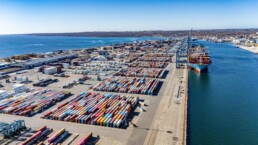

Port of Aarhus sets new 20-point threshold as updated methodology reflects changing environmental priorities in shipping
The updated Environmental Ship Index is prompting ports to review how they reward better environmental performance, as the new methodology brings vessel scoring more closely in line with the environmental priorities shaping shipping .
Developed and owned by IAPH and administered globally by OceanScore, ESI provides ports with a framework for identifying and incentivising vessels that perform beyond environmental standards. ESI 2.0 updates this framework to reflect developments in regulation, technology and vessel operations, with increased recognition of areas including energy use, greenhouse gas performance, innovation and electrification.
For ports, the change is not only about new vessel scores. It is also an opportunity to consider whether existing incentive thresholds continue to encourage the environmental performance they are designed to reward.
Port of Aarhus is one of the ports taking this approach. Following an assessment of how vessels calling at the port would perform under ESI 2.0, Aarhus has decided to introduce a new qualifying threshold of 20 ESI points and review it annually.
ESI 2.0 reflects the priorities of shipping today
As shipping adopts cleaner fuels, electrification and new emissions-reduction technologies, the way environmental performance is measured also needs to evolve.
ESI 2.0 reflects this changing landscape through four environmental dimensions – NOx, SOx, GHG and innovation – with the updated methodology taking greater account of vessels’ energy mix, operational choices and technologies. This allows environmental performance to be recognised as fleets invest in new ways to reduce their impact.
For ports using ESI as the basis for environmental incentives, these changes can also affect which vessels qualify under existing schemes. A threshold designed around the previous methodology may produce a different outcome under ESI 2.0.
This makes understanding the impact on the vessels actually calling at a port an important part of adapting an incentive scheme.

Port of Aarhus turns the new methodology into action
To understand the impact of ESI 2.0, OceanScore analysed Port of Aarhus’ 2025 vessel calls and how its existing incentive scheme would perform under the updated methodology.
Based on projected ESI 2.0 scores, the analysis indicated that around 58 vessels qualifying under ESI 1.0 would no longer meet the port’s existing threshold.
Aarhus subsequently reviewed its approach and decided to introduce a new qualifying threshold of 20 ESI points.
The decision is intended to keep environmental improvement within reach for shipping companies while maintaining an incentive to perform better. Rather than setting a threshold that could discourage participation, the port wants its scheme to continue motivating vessels to improve their environmental performance.
“Choosing an ESI-score threshold is a balance. Too high and it becomes too hard for the shipping companies to reach no matter what the benefits are. We want the threshold to be ambitious and make a difference to the environment, but it only matters when shipping companies work towards it,” says Anne Zachariassen, COO of Port of Aarhus.
The port hopes the change will motivate more shipping companies to work towards higher ESI scores. It will review the 20-point threshold annually and expects to raise it over time as environmental performance improves.
The approach also complements Aarhus’ wider environmental ambitions. The port has built Denmark’s first shore power facility for cruise ships and is currently developing a new shore power facility for container vessels, reinforcing its focus on electrification and reducing emissions from vessels while in port.
Keeping incentives effective as shipping evolves
The Aarhus example demonstrates how ports can respond to changes in environmental performance measurement while keeping their incentive schemes relevant to the vessels they serve.
There is no single threshold that will work for every port. Vessel mix, environmental priorities and the objectives of individual incentive programmes differ. Understanding how vessels perform under the updated methodology therefore gives ports a stronger basis for deciding where to set thresholds and how to structure incentives.
“ESI 2.0 reflects how environmental priorities in shipping are evolving, and the Aarhus example shows how ports can translate that into practical incentives,” says Thomas Smith, Head of Cargo Solutions at OceanScore. “The important thing is to understand what the new scores mean for the vessels actually calling at a port and ensure the incentive continues to encourage improvement.”
OceanScore supports ESI ports in understanding the impact of the updated methodology on their vessel traffic and incentive structures, while the design and thresholds of individual schemes remain the decision of each port.
From January 2027, ESI will also operate alongside the Environmental Port Index (EPI) as complementary modules under the IAPH umbrella. ESI reflects a vessel’s overall environmental profile, while EPI uses operational data to assess environmental performance during individual port calls.
Together, the two approaches will give ports a broader basis for understanding environmental performance and turning that insight into practical incentives – supporting better-informed decisions, environmental progress and incentive schemes that continue to evolve alongside shipping.



Related News.

Beyond Technical Skills: WISTA Cyprus explores the human side of leadership
WISTA Cyprus hosted The Art of Leadership & Emotional Mastery, an interactive workshop held on 15 October at the Alasia Hotel in Limassol,…
The human cost of sending merchant mariners into war zones extends far beyond the immediate danger of missiles and drones. It raises a harder question: who is really protecting the seafarer?
Who protects the seafarer? I have spent much of my professional life at sea. I am a Master Mariner. I have stood on the bridge, made decisions…
Loss of bridge control: Human failure is normal – context is key
When bridge control is lost in a functioning system, it can be easy to blame human error. But accidents rarely happen because of one mistake…

Danish Shipping announces the transport of live animals by sea new rules should improve safety for animals, seafarers and the environment
Revised rules on the transport of live animals by sea are being negotiated in the EU. Danish Shipping wants to ensure good animal welfare,…

Japan’s flawed shipping proposal leaves developing countries adrift
A new analysis by Opportunity Green warns governments of the wide-ranging risks posed by Japan’s proposal at the International Maritime Organization…

Intermodal Report Week 42 2026
Pls find below the Intermodal Report - Week 42 2026 Intermodal Report Week 42 2026

Allied Weekly Market Review Week 42
Pls find below the Allied - Weekly Market Review - Week 42 ALLIED - Weekly Market Report- Week 42
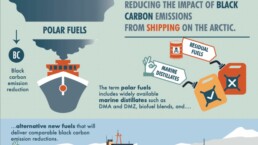
EU Arctic Strategy NGOs welcome EU ambition on on cutting shipping’s Arctic Black Carbon Emissions
Responding to today’s publication of the EU’s Arctic Strategy, which definitively states the EU’s intention to support International Maritime…
The final quarter of 2026 is expected to see softer bauxite flows
Chinese front-loading is expected to have run its course, pointing to softer bauxite flows in 2026 Q4. Global bauxite flows increased by 2.8% y/y…

DP World Foundation and Belewan new container terminal mark groundbreaking of AED 3.7 million school project in Indonesia
Classrooms of Hope initiative expands to Belawan, Medan with a new junior high school designed to provide modern learning facilities and greater…
Subscribe to our newsletter!
if you dont want to swim alone in the ocean of news, sign up for the newsletter, and you will receive daily all the important news of world shipping!
