Preventing auxiliary engine overspeed
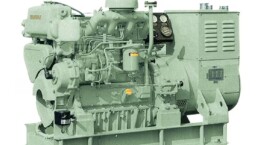

Overspeed can occur within seconds, perhaps from a simple setup error or a seemingly minor mechanical fault. The result can be severe engine damage, costly repairs and weeks out of service. Here are some of the key steps to reduce the risk.
Auxiliary engine overspeed events can also result in significant financial consequences. The direct repair costs in the cases reviewed below averaged approximately USD 250,000, with expenses arising from a combination of repairs, spare parts, specialist labour and other supporting services. On top of that comes the economic loss from the downtime, which may exceed the repair costs themselves. In the cases reviewed, repair periods ranged from 22 to 90 days, largely driven by the extent of damage, spare-part availability and warranty arrangements. Such delays can have a considerable impact on vessel operations and commercial schedules.
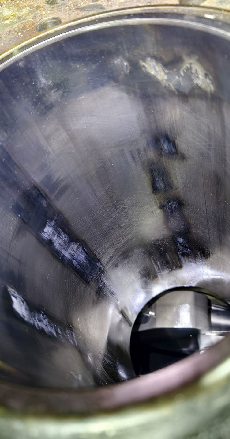
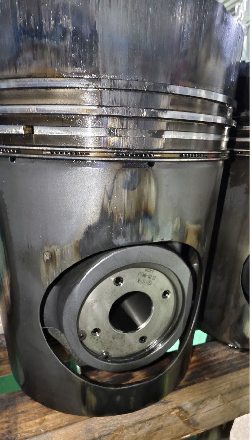
Above: Severe scuffing and fretting on cylinder and piston after a overspeed event.
Key lessons from claims
Mechanical stop transmission is a weak link
In two cases, shutdown signals and overspeed alarms were activated, but faults in the mechanical linkage prevented the fuel rack from moving to zero. The engines continued to run until the crews stopped the fuel supply manually.
Both incidents caused extensive engine damage, including damaged bearings, valve gear and crankshaft components. Regular torque checks of clamps, inspections of pins and flexible links, and blue paste contact testing could have prevented the failures.
Always verify before start-up
In another case, a new actuator was installed with the wrong rotation setting. Neither the service engineers nor the crew verified the rotation direction and safety functions before starting the engine. This caused immediate overspeed and major damage.
The initial theory was a stuck index arm, but testing and dismantling of the governor found no defect. The service provider later accepted that the incorrect actuator setting was the cause.
Maintenance is critical
In one case, extensive damage occurred where the resilient gearwheel connected to the flywheel and tuning wheel. Repairs included reaming damaged bolt holes, manufacturing oversized fitted bolts onboard and realigning the generator.
The investigation found that damaged speed pickups had come into contact with the flywheel, causing the engine to lose its speed signal. As a result, the overspeed protection system could not initiate shutdown. The emergency stop valve also failed because deteriorated O-rings had immobilised its internal components. This prevented the control air from moving the fuel rack to the zero-fuel position.
In a final case, the crew discovered severe roto-cap damage only months after an overhaul. All cylinder units, rods and pistons had to be replaced during a 22-day repair period.
The key lesson is to confirm that piston crowns, governors, actuators and linkage kits are compatible with the specific engine model before installation. It is also important to test the complete safety system before returning the engine to service.
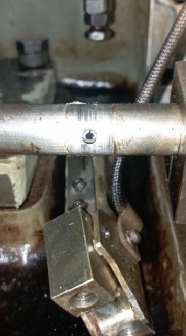
Sheard locking pin on fuel linkage allowing the linkage arm to rotate freely instead of forcing the plunger to zero.
How to reduce risk and costs
On the engine: After any control, fuel, governor, or actuator work, run a local emergency stop function test. Apply air to the stop cylinder and visually confirm the fuel rack goes to zero on every pump.
If service have been performed: make verification of the parts serviced a checklist item before start. These single actions will likely uncover when stop signals are present, but mechanics fail and if settings are wrong from the outset.
Linkage integrity: weekly visual checks and monthly torque/contact verifications are recommended. Pair this with monthly tests where it is observed the rack is drawn to zero.
Documentation and parts governance: Maintain detailed logs (torque values, blue‑paste photos, rotation alignment images, overspeed test sheets, hardness/runout results).
Source: GARD



Related News.

Poland’s additional national requirements distort competition says Danish Shipping
Poland has introduced a national survey requirement for smaller foreign-flagged vessels operating in Polish waters. This creates significant…

Battery Vessels could help electrify most of Global Shipping Emissions
Battery-electric ships are economical only if the pack is cycled frequently, so they have been confined to short-sea, ferry and harbour vessels…

Mintra and Ledgid explore collaboration to connect Maritime digital identity, learning and workforce development
Mintra® and LEDGID are exploring opportunities to bring together complementary capabilities in digital learning, maritime training, professional…

World Shipping Council calls for global agreement on shipping emissions as industry investment surpasses $200 billion USD
The World Shipping Council (WSC) is calling on governments to agree on binding global greenhouse gas regulations for international shipping without…

What happened to the ITF whistleblower’s complaint?
In January 2026, a whistleblower complained that International Transport Workers’ Federation (ITF) General Secretary Stephen Cotton had manipulated…

Growing regulatory scrutiny puts seafarer wellbeing firmly on maritime safety agenda, VIKAND warns
Seafarer wellbeing is coming under greater regulatory scrutiny as international rules and guidance increasingly recognise crew health and welfare as…

Good Times Bad Times the Premium Stays with the Strait
In October, we wrote that if the transfer network off Oman kept pace, Gulf crude would carry China's refill and keep drawing tonnage east,…

Allied Weekly Market Review Week 47
Pls find below the Allied - Weekly Market Review - Week 47 ALLIED - Weekly Market Report- Week 47


Climate TRACE releases September 2026 Emissions Data
Climate TRACE reported that global greenhouse gas (GHG) emissions for the month of September 2026 totaled 4.7 billion tonnes CO₂e. This remains…
Subscribe to our newsletter!
if you dont want to swim alone in the ocean of news, sign up for the newsletter, and you will receive daily all the important news of world shipping!
