Inside the Legal Mind of the Cyprus Shipping Chamber: An interview with Sophoclis Constantinou
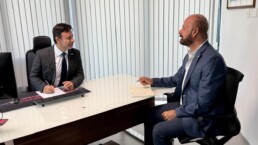

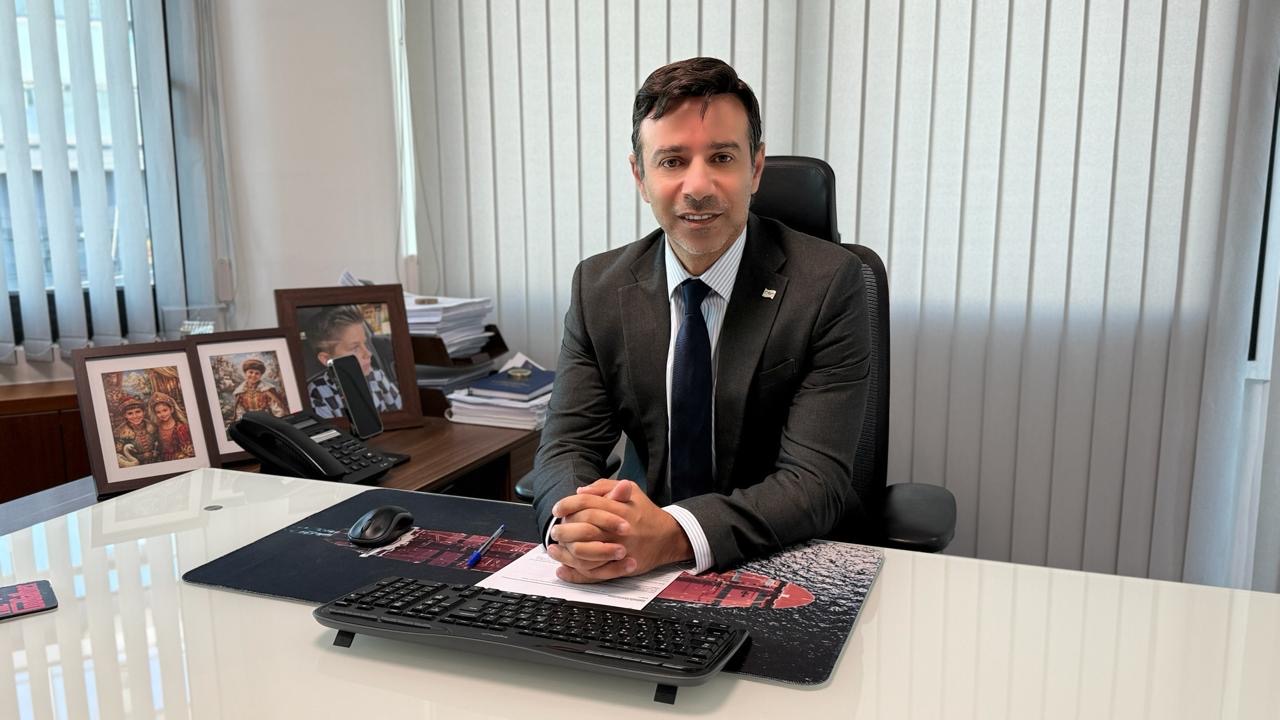
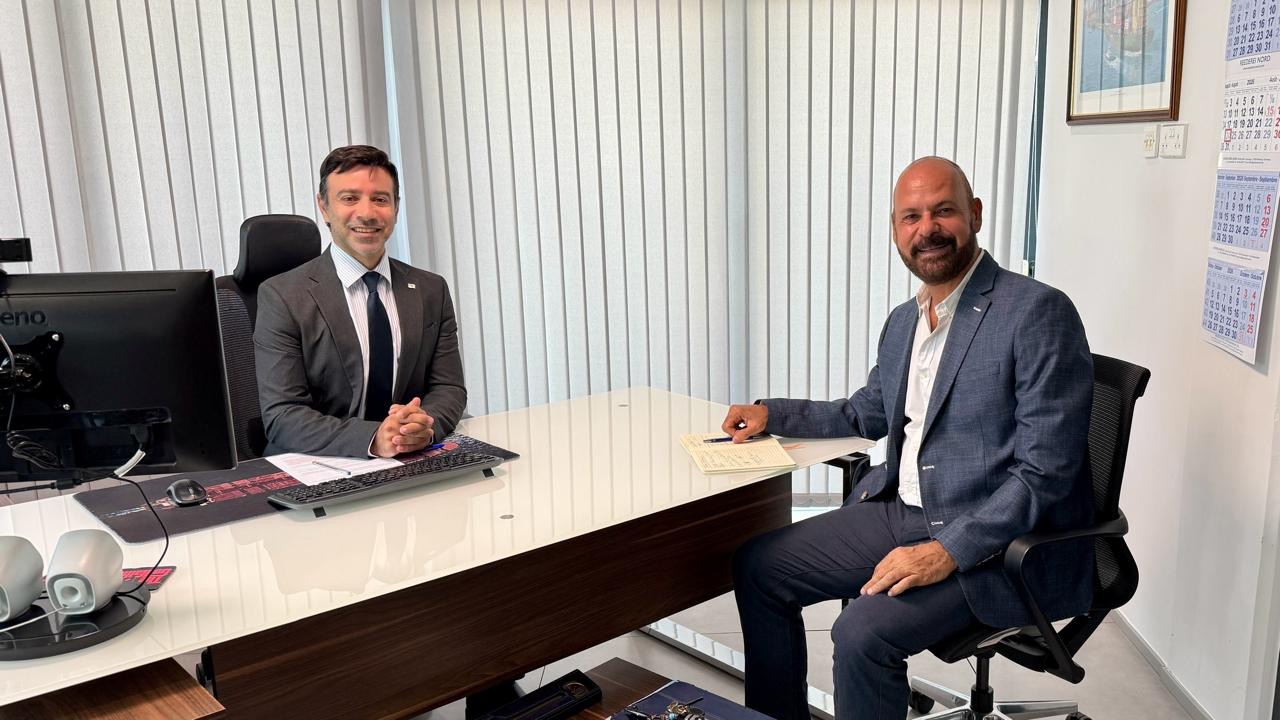
Welcome to another exclusive feature on Cyprus Shipping News. Today, we sit down with a pivotal figure in our maritime community, Sophoclis N. Constantinou, Deputy Director General and Legal Affairs Manager of the Cyprus Shipping Chamber.
For those of us who have spent decades championing the interests of the Cyprus maritime cluster, the vital role of the Chamber in guiding our sector through relentless regulatory and structural shifts is undeniable. Sophoclis sits at the very heart of these efforts. Holding an LLB in European Law from a UK university, he manages an incredibly diverse and demanding portfolio. His responsibilities encompass legal and legislative matters affecting the Chamber, alongside steering the Employment, Labour and Social Affairs, Taxation, Finance and Legal, Commercial Operations and Trade Facilitation, Marine Insurance, and Ports, Passenger Ship and Cruise Tourism Committees.
Representing the Chamber across numerous governmental and international bodies, including the ICS, ECSA, EU, and ILO, he ensures the voice of Cyprus shipping remains influential on the global stage. Furthermore, he serves as Secretary to The Missions to Seafarers (Cyprus) and acts as a Lay Member at the Limassol Industrial Disputes Tribunal.
In this comprehensive interview, we explore his personal journey into maritime law, the secret to balancing a high-stakes career with family life here in Limassol, and his strategic insights on the most pressing challenges facing our industry today.
The Journey into Maritime Law Sophoclis, you have dedicated a significant portion of your career to the Cyprus Shipping Chamber, managing an incredibly diverse portfolio. Could you share what initially drew you to the maritime sector and how your legal journey led you to your current role as Deputy Director General?
Having dedicated most of my career to the Cyprus Shipping Chamber, managing an incredibly diverse portfolio, the maritime sector naturally drew me in through its unique blend of global scale, cross border legislation, and dynamic commercial impact. The global appeal and the sheer internationality of Shipping from a legal aspect intrigued me from the outset. I was captivated by the importance of Shipping in global commerce, environmental policy, and human rights. Shipping never sleeps, presenting an intellectual challenge where regulatory shifts demand instant, strategic responses.
Joining the Cyprus Shipping Chamber was a strategic catalyst which allowed me to bridge the gap between abstract policy and practical, industry wide implementation. Over the years, I took hands on ownership of a number of complex portfolios, navigating everything from maritime labour to international taxation. Success required collaborating closely with international and EU bodies such as the ICS and ECSA to promote and safeguard the interests of the Chamber’s member companies as well as the Cyprus flag. Guiding our members through major industry shifts, such as complex decarbonisation mandates, maritime labour standards and rapid digital transformation strengthened my knowledge and my role, something which evolved into a natural transition that paved the way for my current appointment as Deputy Director General and Legal Affairs Manager.
Finding Balance Your remit at the Chamber is vast covering everything from employment and labour to taxation, marine insurance, and trade facilitation. How do you switch off from such a demanding, multi faceted role, and what do you enjoy doing in your free time here in Cyprus to recharge?
I always felt that the secret to combining business obligations with a vibrant social life is not about dividing your hours equally; it is about integrating your energy purposefully. True balance is a dynamic harmony, much like an ecosystem, where professional ambition and personal connection fuel one another. I believe that through the years, I have managed to master this delicate, rewarding balance. To me, social connection is not a distraction from ambition. It is the renewable energy source that prevents burnout and sparks creative breakthroughs. I always integrate and never separate.
The secret is in the formula of stop viewing work and life as bitter rivals. At some point in my life, I realised that the two are partner dimensions of a single, meaningful existence. I therefore treat my quality time slots with my son and those I love the most with the exact same respect as a high stakes board meeting. When I am at work, I always commit entirely to the build. When I am with my loved ones, I put away the screens and anchor myself in the moment, especially when I am spending quality time with my son. I like to surround myself with people who understand my professional drive, celebrate my achievements, and gently pull me back up when I lose my footing. Ultimately, I see my life as an artist’s canvas. I am the artist who draws a balance between passion to my work and presence to my social world, creating a masterpiece of fulfilment where success is measured not just by what I have achieved, but by how deeply I live.
Advice for the Next Generation Over the years, you have witnessed immense regulatory and structural changes within the industry. Looking back at your career, what has been the most rewarding aspect of your work, and what advice would you give to young legal professionals who are considering entering the maritime sector today?
To the young legal professionals considering entering the maritime sector today, my advice is simple: embrace complexity, stay adaptable, and look beyond the letters of the law to understand the operational specificities of the Shipping sector. Shipping is not a stagnant sector. It is a dynamic arena where your legal expertise will directly shape the future of global decarbonisation, maritime cybersecurity, and technological innovation. Today, as we stand at the crossroads of historic changes, I am more inspired than ever to collaborate with this global community, contributing as such, to the continuation of Shipping as the life blood of world trade and as a sector which offers so much towards ensuring that our shared future remains secure, commercially robust, and sustainably driven.
20 Years of MLC 2006: The Platinum Milestone Looking back at the inception of MLC 2006, how did the CSC actively participate to help shape the Maritime Labour Convention 2006?
The Cyprus Shipping Chamber (CSC) has played an instrumental role in shaping the Maritime Labour Convention (MLC, 2006) from its initial drafting phases through two decades of enforcement. As a leading voice in global maritime governance, the Cyprus Shipping Chamber utilised its institutional influence to ensure that this Convention balanced strong social protections with practical global industry standards.
During my tenure as Executive Officer, Legal Affairs Manager and Deputy Director General, I represented the Cyprus Shipping Chamber in all deliberations concerning MLC 2006 at international level via the International Chamber of Shipping (ICS), at EU level through the European Shipowners/ECSA and at national level with the Shipping Deputy Ministry (SDM). Through targeted consultation with the Chamber’s member companies, I ensured that the Chamber’s positions were established based on maritime labour expertise and appropriately channelled. Global alignment was and remains the target and as Shipping Chamber we collaborated with the above mentioned organisations at international and EU level, to establish cohesive maritime employer positions towards a harmonised, auditable regulatory system which ensured a level playing field.
The Shipping Chamber consistently drove structural improvements rather than merely reacting to international policy. Throughout the Convention’s evolution, the Shipping Chamber crafted and submitted targeted amendments to make compliance measures realistic, pragmatic and fit for purpose for maritime operators. Crucial feedback and interventions were made by the Shipping Chamber on shifting operational realities, ensuring that any amendments, ranging from financial security provisions to seafarer abandonment protections, remained practical and enforceable with the least collateral damage for maritime operators and maritime employers.
The Shipping Chamber maintained a consistent presence at the International Labour Organization (ILO) headquarters in Geneva, participating in all the meetings of the Special Tripartite Committee (STC) as part of the Shipowners Group through the International Chamber of Shipping (ICS). During all the negotiation stages for amendments at this tripartite level, we were able as Shipping Chamber to make alternative counter proposals in order to bridge gaps between Governments, Shipowners, and the Trade Unions. This active participation directly influenced the amendments taking effect. Through this continuous engagement, the Shipping Chamber contributed to elevating the MLC 2006 into the “fourth pillar” of international maritime law. It successfully ensured that Cyprus remained a key driving force behind global seafarer welfare and maritime labour compliance.
Equipping the Seafarer for ‘Crewing 5.0’ The introduction of complex dual fuel engines, energy saving devices, and automated diagnostic systems places massive technical demands on our seafarers. What role does the Chamber play in pushing for updated international training standards to ensure our crews are technically prepared for these new operational realities?
Driven by the dual mandates of rapid decarbonisation and aggressive digitalisation, a critical vulnerability remains: the widening skills gap in our seafaring workforce. At the Cyprus Shipping Chamber (CSC), our position is clear: the green and digital transition cannot succeed without a parallel revolution in human capital. Capital investment in dual fuel engines or automated bridge systems is fundamentally nullified if crews lack the specialised training to operate them safely. Seafarer upskilling and reskilling is not a secondary HR corporate initiative; it is a core commercial imperative to preserve our industry’s safety standards and global competitiveness.
Bridging this global skills gap requires deep, cross border institutional cooperation. Rather than acting in isolation, the Shipping Chamber actively participates in a European social dialogue, championing the collaborative projects spearheaded by the European Shipowners/ECSA and the European Transport Workers’ Federation (ETF). By integrating the findings of landmark ECSA ETF initiatives like Project SkillSea, the Shipping Chamber is actively helping reshape the future of maritime education. These joint European initiatives provide the exact data driven blueprint our industry needs. They map out the technological competencies required over the next decade and design modular, adaptable curricula that can be rapidly integrated into maritime academies.
Through our active participation within European Shipowners/ECSA, the Shipping Chamber ensures that the practical operational realities are taken into account in formulating these pan European training standards. Furthermore, the Shipping Chamber firmly supports the ongoing work of the European Maritime Skills Forum (EMSF) which ensures that training modules for alternative fuels (such as ammonia, methanol, and hydrogen) and digital literacy are standardised across jurisdictions. The Shipping Chamber has also consistently worked with the Shipping Deputy Ministry to bridge the gap between European policy and national action. A prime example of this is our absolute support to the “Lefkosia Declaration”, an initiative championed by the Shipping Deputy Ministry during the Cyprus Presidency of the European Council.
The declaration sends a powerful message to the global maritime community that long term maritime competitiveness is inextricably linked to seafarer welfare, continuous education, and workplace inclusivity. Our goal is to create a seamless pipeline where academic theory perfectly mirrors the real world operational demands seafarers face the moment they step onto a modern vessel’s deck. The next decade will determine who will thrive and most definitely they will be the ones who secured, trained, and retained the highest calibre human capital. As we look ahead, the Shipping Chamber remains committed to the seafaring community. It continuous to be actively involved in powerful joint ECSA ETF initiatives so as to ensure that seafarers are the most skilled, adaptable, and safety conscious workforce.
Attracting Maritime Tech and the FDI Framework Cyprus is constantly striving to enhance its position as a leading maritime hub. In light of your recent calls for flexibility regarding the Foreign Direct Investment screening framework, how can we strike the right balance to protect national interests while actively attracting vital maritime technology companies, green innovation, and technical startups to our shores?
Maintaining the competitiveness of Cyprus as a global maritime centre requires a flexible, expedited screening model for Foreign Direct Investments (FDI). As a general comment, we are of the opinion that the legislative framework on FDI must provide for a realistic and sustainable control mechanism. However, it is important that the solution (establishment of a realistic and sustainable control mechanism) is based on the right content (legislative framework). In this way, Cyprus will be able to maintain and strengthen its credibility as a modern and competitive investment centre without jeopardising the growth trajectory of its investment goals, which include the Shipping sector.
Based on this precept, the Chamber emphasises that green tech startups, digital maritime software developers, and decarbonisation innovators should benefit from streamlined authorisation procedures if their operations do not compromise core critical national infrastructure. Coupling regulatory flexibility with the competitive advantages of the Cyprus Tonnage Tax System provides an attractive, secure harbour for green tech capital, bolstering the overall resilience of the maritime cluster.
National fiscal policies and international taxation frameworks are continuously evolving! In what ways has the CSC’s proactive involvement in national and international taxation matters helped maintain Cyprus as an attractive international maritime centre?
Cyprus Shipping has long thrived on fiscal stability, predictability, and well structured incentive regimes. For decades, the EU approved Cyprus Tonnage Tax System has served as the foundation of the Cyprus maritime cluster, attracting shipowners and leading shipmanagement companies. However, the entering into force of the OECD Pillar Two global minimum tax framework has fundamentally rewritten the rules of international corporate taxation. For multinational enterprise (MNE) Shipping Groups with global revenues exceeding €750 million, the era of a localised tax regime operating entirely outside the scope of a 15% effective tax rate (ETR) has come to an end.
Under the strict Global Anti Base Erosion (GloBE) rules, if a company’s ETR in a jurisdiction falls below the 15% threshold, a top up tax is triggered. At the Shipping Chamber, we recognised early on that this legislative shift posed a structural threat to the competitive edge of Cyprus as an international maritime centre. Our response has not been to resist global transparency, but to actively contribute to introducing Qualified Refundable Tax Credits (QRTCs) as a vital, compliant compensatory measure. The Shipping Chamber joined forces and collaborated heavily with tax and legal experts, the Ministry of Finance, and the Parliamentary Committee of Finance and Budgetary Affairs. The objective was clear: identify an OECD vetted mechanism that can offer genuine tax relief without triggering the Pillar Two penalty provisions.
The answer lay exclusively in the introduction of QRTCs for which the Shipping Chamber has actively participated in shaping how these credits should be structured in Cyprus. The Shipping Chamber’s involvement has extended far beyond theoretical advocacy. Through targeted position papers, consultations with its member companies, and direct dialogue with the competent authorities and other interested stakeholders, the Chamber has ensured that the operational realities of shipping companies were fully understood by fiscal policymakers. Our primary focus has been to ensure that any QRTCs to be introduced must work in perfect harmony with our existing Tonnage Tax System. As the Cyprus Government implements additional OECD administrative guidance, the Shipping Chamber remains at the negotiation table to guarantee that the transition mechanisms are seamless, bureaucratic friction is minimised, and the integrity of Cyprus Shipping remains rigid.
The Shipping Chamber maintains also an active and critical voice in high level fiscal debates, strategically engaging in international discussions regarding amendments to the UN Model Tax Convention to defend the unique taxing rights and operational structures of international shipping. The fiscal landscape has changed, but Cyprus’ commitment to being a leading maritime centre has not. It is very gratifying to see that through the tireless efforts of the Shipping Chamber, the Cyprus Tonnage Tax System remains unaffected amidst these changes. The Shipping Chamber was instrumental in designing and securing EU approval for the Cyprus Tonnage Tax System, a cornerstone fiscal framework that transformed Cyprus into a premier global maritime capital.
Looking ahead, the Shipping Chamber remains relentlessly focused on maintaining, safeguarding, and strengthening this system amidst evolving international tax pressures. Preserving its competitive edge is absolutely critical, as the tonnage tax regime offers global shipowners and shipmanagers the long term fiscal stability, legal predictability, and operational flexibility required to anchor their businesses and drive sustainable economic growth within the Cyprus maritime cluster. In parallel, the Shipping Chamber works hand in hand with national authorities on the comprehensive implementation of the recent Cyprus Tax Reform, ensuring that domestic legislative changes are calibrated to minimise administrative friction and preserve the robust global competitiveness of the Cyprus Shipping industry and the wider maritime cluster.



Related News.
Spyros Papavassiliou honoured with the “Ge’ Néo Epicheirein” 2026 Award in the Shipping Enterprises category
Celebrating leadership, entrepreneurial excellence and a strong contribution to Cyprus shipping. Island Energies is proud to announce that Mr Spyros…
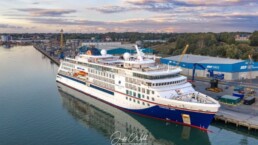
ABP welcomes HANSEATIC spirit the largest ever cruise ship to visit the Port of Ipswich
Hapag-Lloyd Cruises’ expedition vessel, HANSEATIC spirit, becomes the largest cruise ship ever to visit Ipswich, highlighting the growing appeal of…
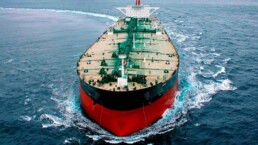
Prime Tanker Management deploys ShipIn across its entire fleet to improve safety performance
Master-led use of operational insight supports measurable improvement across PPE, bridge, and technical performance while strengthening fleet-wide…
Goltens Worldwide enters into agreement for sale to HD Hyundai Marine Solution
Proposed acquisition supports long-term growth while preserving Goltens’ independence and commitment to customers Goltens Worldwide announced that it…
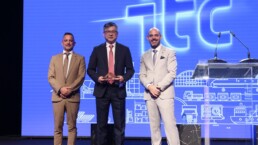
Port of Piraeus receives special award marking 10 years since COSCO SHIPPING joined its Shareholding Structure
Award presented at the 9th Infrastructure and Transport Conference ITC 2026 A significant milestone in the history of Piraeus Port Authority and the…
Seafarers’ voices must shape the future of mental health support at sea, says OneCare Group
The shipping industry must listen more closely to the lived experiences of seafarers if it is to build working environments that genuinely protect…
Bangladesh’s Chittagong Port Authority and DP World sign 15 year concession for new Mooring Container Terminal
The Chittagong Port Authority and DP World have signed a 15-year concession agreement for the operation and maintenance of the New Mooring Container…

ABP’s HELM Immingham opens for business
Associated British Ports marked the official opening of its HELM Immingham site, a 227-acre industrial and logistics development site. Seen as one…
Veson Nautical and Marcura expand partnership to Streamline Demurrage Management
Marcura Claims now integrates with IMOS, giving joint clients another way to manage demurrage. Global maritime technology leaders Veson Nautical and…
Thermal Weakness Drags Global Coal Flows Lower
Global seaborne coal flows fell 6.7% year on year in September 2026 to 115 Mt. Thermal coal drove the decline, and a rise in met coal flows was not…
Subscribe to our newsletter!
if you dont want to swim alone in the ocean of news, sign up for the newsletter, and you will receive daily all the important news of world shipping!
