Smart Ship Hub urges balanced approach to AI camera adoption at sea
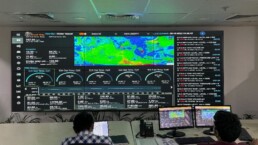

Leading digital vessel performance platform Smart Ship Hub is urging the industry to recognise the operational benefits of AI-enabled camera systems while ensuring that their deployment is supported by strong governance and respect for seafarers’ expectations.
AI cameras combine high-definition video, onboard processing, machine learning and integration with vessel management systems, allowing them to become powerful tools in modern ship operations.
According to Captain Nagpaul, Voyage Performance Specialist at Smart Ship Hub with 15 years of sailing experience working, one of the most significant advantages of AI camera systems is their ability to detect potential risks at an early stage.
He explained that AI cameras can reduce operational risk and support better decision-making by shifting maritime operations from a reactive approach to a proactive model of risk identification.

Capt Nagpaul said: “The question is no longer if such technologies will become part of the seafarer’s toolkit; rather, it is whether they will be implemented in ways that genuinely support seafarers and enhance safety without undermining trust or operational autonomy.”
He noted that historically, safety improvements often followed incidents rather than preventing them. The use of AI-enabled cameras can change this dynamic by supporting early fire detection and identifying situations that could lead to accidents.
Capt Nagpaul explained that AI camera systems offer a wide range of operational advantages. They can monitor critical operational areas during cargo handling, mooring operations and other high-risk activities, while also improving situational awareness in areas where visibility is poor or vessel traffic is high.
The systems can also contribute to crew safety by identifying potentially unsafe behaviours and improving security in restricted or sensitive areas onboard.
In addition, AI cameras provide time-stamped visual records that can support incident investigations and operational reviews. They can also assist with maintenance and remote technical support by allowing shore-based specialists to connect with onboard crews through secure mobile applications and guide them through procedures step by step.
However, Capt Nagpaul also emphasised that the introduction of such technology must be handled carefully.
“They interact with spaces where crew live and work daily. When introduced without clarity or context, they can be perceived as surveillance tools rather than safety enhancements. If poorly tuned, they can become distractions rather than tools for improved performance,” he said.
Despite these concerns, Smart Ship Hub’s CEO, Joy Basu, warns that avoiding new technology is not a viable option for the maritime sector. Mr Basu said: “Resistance to new technology is natural. Acceptance improves when crews see real value: reduced workload, improved safety outcomes and clear benefits in their daily operations. I see CCTV cameras together with AI enablement or AI camera systems as powerful tools. They are not substitutes for experience or professional judgement, but they can enhance safety, improve operational awareness and strengthen the connection between ship and shore.”



Related News.

Poland’s additional national requirements distort competition says Danish Shipping
Poland has introduced a national survey requirement for smaller foreign-flagged vessels operating in Polish waters. This creates significant…

Battery Vessels could help electrify most of Global Shipping Emissions
Battery-electric ships are economical only if the pack is cycled frequently, so they have been confined to short-sea, ferry and harbour vessels…

Mintra and Ledgid explore collaboration to connect Maritime digital identity, learning and workforce development
Mintra® and LEDGID are exploring opportunities to bring together complementary capabilities in digital learning, maritime training, professional…

World Shipping Council calls for global agreement on shipping emissions as industry investment surpasses $200 billion USD
The World Shipping Council (WSC) is calling on governments to agree on binding global greenhouse gas regulations for international shipping without…

What happened to the ITF whistleblower’s complaint?
In January 2026, a whistleblower complained that International Transport Workers’ Federation (ITF) General Secretary Stephen Cotton had manipulated…

Growing regulatory scrutiny puts seafarer wellbeing firmly on maritime safety agenda, VIKAND warns
Seafarer wellbeing is coming under greater regulatory scrutiny as international rules and guidance increasingly recognise crew health and welfare as…

Good Times Bad Times the Premium Stays with the Strait
In October, we wrote that if the transfer network off Oman kept pace, Gulf crude would carry China's refill and keep drawing tonnage east,…

Allied Weekly Market Review Week 47
Pls find below the Allied - Weekly Market Review - Week 47 ALLIED - Weekly Market Report- Week 47


Climate TRACE releases September 2026 Emissions Data
Climate TRACE reported that global greenhouse gas (GHG) emissions for the month of September 2026 totaled 4.7 billion tonnes CO₂e. This remains…
Subscribe to our newsletter!
if you dont want to swim alone in the ocean of news, sign up for the newsletter, and you will receive daily all the important news of world shipping!
