Marine Electric Vehicles Market to Triple in Size by 2032: Industry Leaders Should Pursue Alliances That Unite Propulsion Technology and Port Infrastructure Innovations – ResearchAndMarkets.com


The “Marine Electric Vehicles Market – Global Forecast 2025-2032” has been added to ResearchAndMarkets.com’s offering.
The Marine Electric Vehicles Market is undergoing a significant transformation, showing robust growth from USD 6.89 billion in 2024 to USD 8.14 billion in 2025, and projected to reach USD 26 billion by 2032 with a CAGR of 18.04%. This evolution reflects a substantial shift in the maritime industry as it gravitates toward sustainable electric propulsion systems, driven by rising environmental regulations and the push for decarbonization. This market research report provides strategic insights into the technological advancements and market dynamics reshaping the marine transportation sector.
Technological Innovations and Market Dynamics
Recent years have seen remarkable advancements in cell chemistry, increasing energy density and reducing charging times for marine electric vehicles. Coupled with digital technologies like predictive analytics and digital twins, shipping operators can enhance fleet efficiency and minimize downtime. This integration of software and hardware is fostering a shift towards lifecycle sustainability, offering new competitive advantages for market players.
Regional Insights
Regional differences in the adoption of marine electric vehicles highlight the significance of tailored strategies. The Americas benefit from incentives supporting electric ferry deployments. Europe and the Middle East’s stringent climate policies drive adoption in short-sea shipping, while Asia-Pacific’s rapid urbanization fuels demand for electrified solutions. Understanding these nuances aids in effective strategic planning and facilitates improved competitive positioning in diverse markets.
Competitive Strategies of Leading Manufacturers
Top manufacturers are solidifying their market positions through vertical integration and strategic alliances. Investments in battery technology and partnerships with shipbuilders enhance end-to-end solutions and operational efficiencies. Developing proprietary platforms for predictive analytics further differentiates their offerings, enabling continuous product optimization-key for achieving a competitive edge in this dynamic landscape.
Segment-specific Market Dynamics
The analysis of vessel type reveals varied energy and operational requirements across platforms, from leisure crafts to commercial ferries. Propulsion system innovations-battery, fuel cell, and hybrid-address diverse route demands. Power-rating and application segments provide deeper insights into market needs, driving targeted product development and policy advocacy, thereby assisting stakeholders in identifying business opportunities and optimizing investments.
Key Takeaways from This Report
- Marine electric vehicles are driving transformational changes across the maritime transportation sector, supported by technological advancements in energy storage and digital integration.
- Strategic partnerships and innovation in propulsion technologies are essential for achieving competitive advantages and ensuring sustainable growth.
- Understanding regional variations is crucial for effective market entry strategies and positioning within global marine electrification initiatives.
Strategic Recommendations
To navigate the technological and regulatory landscape, industry leaders should pursue alliances that unite propulsion technology and port infrastructure innovations. Modular design principles and localized service hubs offer resilience against market uncertainties. Supporting R&D through collaborations with academic institutions can drive exploratory advancements, while talent development ensures sustained innovation capacity.
Key Attributes:
| Report Attribute | Details |
| No. of Pages | 190 |
| Forecast Period | 2025-2032 |
| Estimated Market Value (USD) in 2025 | $8.14 Billion |
| Forecasted Market Value (USD) by 2032 | $26 Billion |
| Compound Annual Growth Rate | 18% |
| Regions Covered | Global |
Market Insights
- Increasing investment in lithium-ion battery recycling infrastructure for sustainable marine electric vehicles
- Development of fast charging networks and shore power solutions for coastal electric ferry routes
- Integration of advanced energy management systems to optimize power distribution in electric yachts
- Collaboration between OEMs and shipyards for large-scale retrofit of diesel vessels to electric propulsion
- Adoption of artificial intelligence for predictive maintenance in marine electric propulsion systems
- Regulatory incentives and subsidy frameworks accelerating adoption of zero-emission commercial vessels
The companies profiled in this Marine Electric Vehicles market report include:
- ABB Ltd
- Siemens AG
- Wartsila Corporation
- Rolls-Royce Power Systems AG
- Corvus Energy AS
- Leclanche SA
- Torqeedo GmbH
- Yanmar Holdings Co., Ltd.
- Vision Marine Technologies Inc.
- TECO Electric & Machinery Co., Ltd.
For more information about this report visit https://www.researchandmarkets.com/r/2u07qa
Source: BUSINESS WIRE



Related News.

European Shipowners call on MEPs to back Commission proposal to include two Indian yards in the EU ship recycling list
The Environment Committee of the European Parliament votes on 4 November on a motion for resolution objecting to the Commission’s proposal to add two…
Oversea signs commercial agreement with UECC following Successful Pilot
Following a successful pilot onboard Auto Advance, UECC has chosen to enter into a commercial agreement with Oversea. The pilot demonstrates how…

First NABEP Crude Cargo Under U.S. Agreement Arrives in Texas
Shipment of 1 million barrels arrived as NABEP production passes 223,000 barrels of oil equivalent per day. Two tankers carrying 1 million barrels of…
LNG carrier prices fall to $245 million, threatening Korean Shipbuilders’ Margins
Prices for high-value vessels, including liquefied natural gas carriers and ultra-large container ships, have begun to decline despite rising…
Vehicle Carrier Safety Forum publishes new Fire Drill Guidelines for vehicle carrying vessels
The Vehicle Carrier Safety Forum has published new Fire Drill Guidelines for Vehicle Carrying Vessels, providing vessel operators with a practical…
Is an Atlantic Basin crude glut on the cards?
Atlantic crude discounts fail to offset high freight to Asia, raising the risk of a regional glut as VLCC availability tightens. Freight…
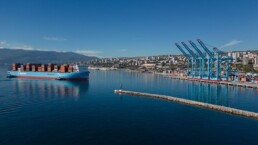
The future of trade infrastructure in Europe is connectivity
One year after its inauguration, Rijeka Gateway offers a glimpse into the future of European trade. On 10 September last year,…

Allied – Weekly Market Review – Week 43
Please find below the Allied Weekly Report for Week 43 | 2026 ALLIED - Weekly Market Report- Week 43

Intermodal Report – Week 43 2026
Please find below the Intermodal market report for week 43 2026. Intermodal Report Week 43 2026
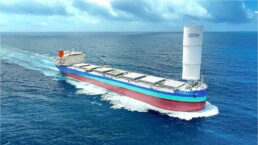
Wind Challenger-Equipped LNG Dual-Fueled Coal Carrier ‘MAIZURU KAZENOMAI’ Delivered
-While Supporting a Stable Energy Supply, Reducing Environmental Impact - Mitsui O.S.K. Lines announced the delivery and entry into service of an…
Subscribe to our newsletter!
if you dont want to swim alone in the ocean of news, sign up for the newsletter, and you will receive daily all the important news of world shipping!
