Helmsman performance remains a critical part of Safe navigation says Skuld
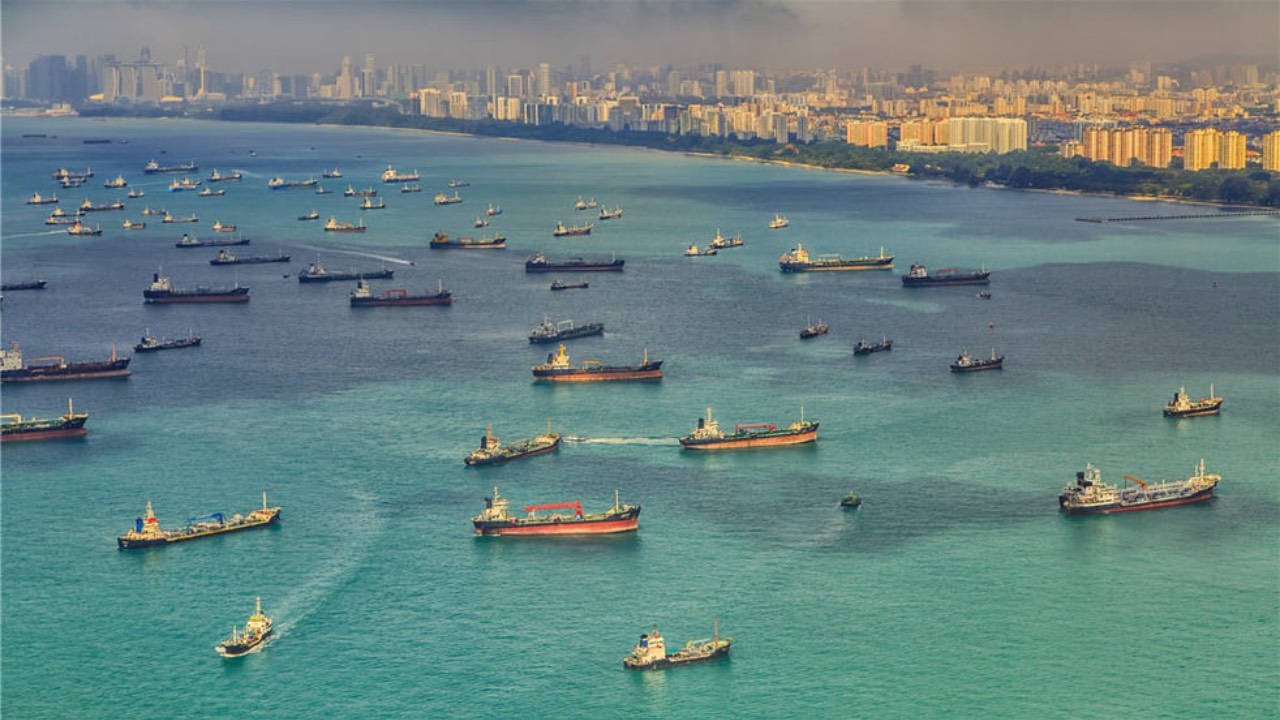

Safe navigation is one of the most significant factors in preventing maritime incidents, and helmsman performance remains a critical part of this process.
Manual steering may be engaged during pilotage, arrivals and departures from port, anchoring, heavy traffic, restricted visibility, heavy weather, coastal navigation, or whenever ordered by the master and company Safety Management System. Timely judgment by the master and officer of the watch is essential, and a helmsman should be deployed and manual steering engaged well before the vessel encounters dense traffic or conditions that could escalate into a hazardous situation. Communication between the master, officers, lookout, helmsman, pilots, and engine room must always be clear, structured, and understood by all parties. An environment where questions and challenges are welcomed whenever doubt exists should be encouraged.
The Helmsman shall be considered a full and active member of the bridge team, with no other duties except steering. It is important to emphasise that the helmsman shall not be considered to be a lookout while steering. The master is responsible for ensuring that all helmsmen are adequately trained, aware of specific navigational challenges, and included in passage planning and toolbox talks. Risk assessments for port calls or challenging areas should also identify helmsman duties, potential steering risks and mitigation measures. The helmsman’s actions should be monitored to ensure that the steering orders are correctly executed. When operating in hand-steering mode for a prolonged period, the helmsman shall be rotated in accordance with company procedures to prevent fatigue and ensure continuous alertness and safe navigation.
It is essential that the helmsman is fully familiar with the vessel’s steering systems, as well as associated alarms, changeover functions and rudder angle indicators. Any accidental activation or error shall immediately be reported. During manual steering, and in order to eliminate doubt or misunderstandings, every order shall be repeated verbally by the helmsman who shall confirm once it has been carried out.
The helmsman has a duty to promptly report steering abnormalities, such as but not limited to:
- Slow or delayed rudder response
- Unexpected vessel movement
- Loss of rudder response
- Any abnormalities detected
If no acknowledgement is received, the helmsman must repeat the warning until it is understood.
Helmsmen shall be verified by the master and must demonstrate familiarity and competence with all relevant equipment and procedures. From a training perspective, the master is obliged to ensure that helmsmen practice not only relates to steady course-keeping but also the execution of standard rudder commands and rate of turn manoeuvres. Training shall address challenges such as steering in heavy seas, strong currents, shallow waters, bank effects, interaction, and loss of steering. Documenting training, familiarisation, and assessments provides strong evidence of due diligence.
The implications of non-compliance are significant from the insurance and liability standpoint. Properly documented procedures, regular drills, and training records are essential not only for safe operations but also for demonstrating compliance to flag, class port state control, and other relevant authorities.
Additional recommendations
To further strengthen loss prevention, members are advised to:
- Develop detailed contingency plans for loss of steering and ensure that the entire bridge team are familiar with their duties during a potential emergency.
- Ensure that the helmsman’s duties are well described in the job description and posted in the applicable cabins.
- Ensure a detailed company procedure for the helmsman’s responsibilities and guidance.
- Conduct regular steering drills (including loss of steering scenarios) as part of emergency preparedness.
- Integrate helmsman training into Bridge Resource Management (BRM) programs.
- Include helmsman familiarisation in internal audits and navigational assessments to ensure compliance is verified.
This advice offers general guidance. Actual risks and appropriate mitigation measures will vary depending on vessel type, mode of operation, prevailing conditions, and company-specific procedures. Masters and officers shall apply professional judgment, conduct thorough risk assessments, and adhere to the company Safety Management System.



Related News.

ISLAND OIL: Unveiling of the Sculpture “Cyprus’s Journey Through the Ages” in Protaras – A Tribute and Landmark to Cyprus’s Historical Memory and Cultural Heritage
In a modest ceremony marked by a moving atmosphere, the sculpture “Cyprus’s Journey Through the Ages”, created by acclaimed Cypriot sculptor…

World Maritime Day 2026 from Policy to Practice – powering Maritime Excellence
Global regulations will deliver safer, more resilient shipping when they are implemented worldwide. The international maritime community marks…

Diana Shipping announces Time Charter Contract for m/v DSI Polaris with Dai An Ocean Shipping
Diana Shipping , a global shipping company specializing in the ownership and bareboat charter-in of dry bulk vessels, announced that, through a…

Chief Economists Expect Global Economy to Stabilize, but Fiscal Constraints, Rising Living Costs and AI Investment Uncertainty Threaten Growth
The global economy is stabilizing, but the fiscal support that cushioned successive shocks since 2020 is unlikely to play the same role in the year…

V. welcomes its new graduate cohort as programme expands across the group
Twelve graduates from nine nationalities join 11th year of V.’s expanded international management programme. V., the global ship manager and marine…

From Policy to Practice: Why Seafarers Are the Key to Maritime Excellence
The shipping industry is no stranger to regulation. Seafarers and ship operators work within a vast framework of international conventions, national…

Intermodal Report – Week 38 2026
Please find below the Intermodal market report for week 38 2026. Intermodal Report Week 38 2026 Market Insight By Nikos Tagoulis, Head of…

Allied – Weekly Market Review – Week 38
Please find below the Allied Weekly Report for Week 38 | 2026 ALLIED - Weekly Market Report- Week 38

Record year on the Northeast Passage but Arctic shipping remains very limited
In 2025, a record 103 transit voyages were made via the Northeast Passage. However, this is still equivalent to only around a day and a half of…

[xclusiv] S&P Report 21th September 2026
Please find below the [xclusiv] latest Weekly S&P Report [xclusiv] 2026_09_21 Market Commentary: VLCCs: Freight Boom Reprices the Fleet The VLCC…
Subscribe to our newsletter!
if you dont want to swim alone in the ocean of news, sign up for the newsletter, and you will receive daily all the important news of world shipping!
