
Despite the industry’s evolution in many aspects, representation and inclusion still have a long way to go. The second Women in Maritime survey, co-published by the International Maritime Organization (IMO) and the Women’s International Shipping & Trading Association (WISTA), offered valuable insight into the gender gap in the sector, showing just 176,820 women in maritime roles as of 2024. However, the challenges extend beyond gender alone. Across the industry, many underrepresented and marginalised groups continue to face significant barriers that limit opportunity and career progression.
The transition from sea to shore-based roles can be a difficult one, especially for those who do not see themselves reflected in leadership positions or company culture. From systemic bias and limited professional networks to unclear career pathways, these challenges disproportionately affect women and others from historically excluded communities.
For many with seafaring experience, the question arises: what comes next? And too often, the industry doesn’t offer a clear answer. The skills gained at sea are immensely valuable, yet many people struggle to understand how those experiences translate into shore-side roles such as operations, compliance, or technical support. Persistent biases, particularly in technical or leadership positions, make it even harder for women to be taken seriously or to progress in their careers.
These barriers are often compounded by other factors such as race, socioeconomic background, sexual orientation, disability, or caregiving responsibilities. These intersecting challenges make visibility and career progression even harder to achieve. Access to networks and mentorship can be limited, and with few role models from diverse backgrounds in senior roles, it can be difficult for aspiring professionals to see a clear path forward.
Qualifications can be another hurdle. Some shore-based roles require additional certifications or training, which may be difficult to access, especially for those returning from extended periods at sea or managing personal responsibilities.
The industry, however, has much to gain when former seafarers take on shore-based roles. Having people in office roles who understand life at sea improves communication between ship and shore and brings practical insight into decision-making, supporting crews in the process. The skills acquired at sea are highly transferable and these can lead to rewarding careers in safety management, technical services, education, and other areas. Remaining in the maritime industry is not only possible but can offer new perspectives and fulfilling career paths.
To create more accessible career pathways, we as an industry must first consider that essential factors like career breaks, especially for caregiving or personal reasons, are a normal part of working life. These breaks shouldn’t mark the end of someone’s professional journey. With the right support, such as returnship programmes, assistance with recertification, refresher training, and communication, people can return to the workforce with confidence and continue contributing their valued expertise.
Flexible working arrangements are also essential. Part-time roles, hybrid work models, and adaptable schedules can help individuals return to the workforce while balancing other responsibilities. When combined with strong mentorship and an inclusive culture that values experience and potential, individuals are not only supported but empowered to succeed.
Supporting women and others who face systemic barriers is not only a matter of fairness. It is critical to building a stronger, more resilient maritime workforce. At Columbia Group, we are committed to fostering inclusive development from the start. In our female cadet programme, mentors trained by wellbeing services provider OneCare Group are equipped to support cadets through challenges such as harassment and bullying. Each female cadet in our fleet is paired with a dedicated mentor throughout their twelve months of sea service, providing consistent and personalised support during a vital stage of their development.
To ensure the industry does not miss out on the valuable skills, insight, and leadership that diversity brings, we must create a culture where progression is possible at every stage. This begins by listening carefully to the voices of women and others facing barriers, understanding their needs and aspirations, and taking concrete action to remove systemic obstacles.
When people feel heard and supported, meaningful and lasting change becomes possible.
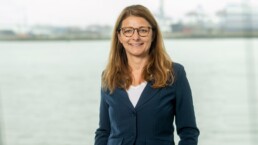
By Claudia Paschkewitz, Columbia Group’s Director of Sustainability, Diversity, and Inclusion



Related News.
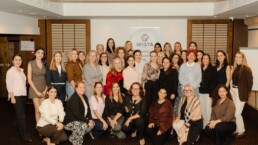
Beyond Technical Skills: WISTA Cyprus explores the human side of leadership
WISTA Cyprus hosted The Art of Leadership & Emotional Mastery, an interactive workshop held on 15 October at the Alasia Hotel in Limassol,…
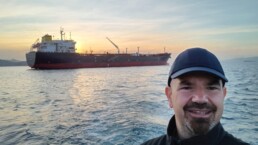
The human cost of sending merchant mariners into war zones extends far beyond the immediate danger of missiles and drones. It raises a harder question: who is really protecting the seafarer?
Who protects the seafarer? I have spent much of my professional life at sea. I am a Master Mariner. I have stood on the bridge, made decisions…
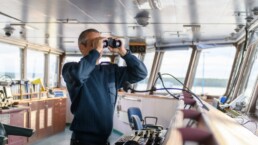
Loss of bridge control: Human failure is normal – context is key
When bridge control is lost in a functioning system, it can be easy to blame human error. But accidents rarely happen because of one mistake…
Danish Shipping announces the transport of live animals by sea new rules should improve safety for animals, seafarers and the environment
Revised rules on the transport of live animals by sea are being negotiated in the EU. Danish Shipping wants to ensure good animal welfare,…
Japan’s flawed shipping proposal leaves developing countries adrift
A new analysis by Opportunity Green warns governments of the wide-ranging risks posed by Japan’s proposal at the International Maritime Organization…
Intermodal Report Week 42 2026
Pls find below the Intermodal Report - Week 42 2026 Intermodal Report Week 42 2026
Allied Weekly Market Review Week 42
Pls find below the Allied - Weekly Market Review - Week 42 ALLIED - Weekly Market Report- Week 42
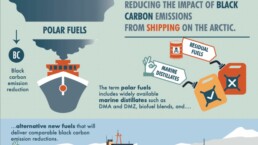
EU Arctic Strategy NGOs welcome EU ambition on on cutting shipping’s Arctic Black Carbon Emissions
Responding to today’s publication of the EU’s Arctic Strategy, which definitively states the EU’s intention to support International Maritime…
The final quarter of 2026 is expected to see softer bauxite flows
Chinese front-loading is expected to have run its course, pointing to softer bauxite flows in 2026 Q4. Global bauxite flows increased by 2.8% y/y…
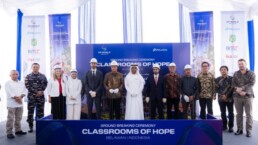
DP World Foundation and Belewan new container terminal mark groundbreaking of AED 3.7 million school project in Indonesia
Classrooms of Hope initiative expands to Belawan, Medan with a new junior high school designed to provide modern learning facilities and greater…
Subscribe to our newsletter!
if you dont want to swim alone in the ocean of news, sign up for the newsletter, and you will receive daily all the important news of world shipping!
