Safety starts with me: And sometimes, that means stopping work
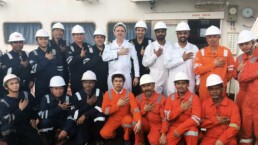

In the maritime industry, safety is not simply a procedure—it’s a commitment that starts with each of us. From the bridge to the engine room, and from shore teams to seafarers, everyone has a shared responsibility in maintaining a safe working environment. But personal accountability doesn’t just mean following procedures. Sometimes, it means having the courage to stop work when something doesn’t feel right.
At Wilhelmsen Ship Management, we champion the belief that “Safety Starts With Me.” This simple yet powerful mindset reinforces that safety isn’t someone else’s job—it’s everyone’s. Whether it’s a routine inspection or a high-risk maintenance task, safety must come before speed, convenience, or pressure.
The Power of Stopping Work
Stopping work may feel like a bold move, especially when you’re in the middle of a task, under time constraints, or part of a senior-junior hierarchy. But it’s precisely in those moments that stopping work becomes most critical.
Stopping work is not a sign of hesitation—it’s a mark of professionalism.
If something seems unsafe, unclear, or concerning, stopping work gives the team the opportunity to:
- Maintain situation awareness
- Reassess the risks involved
- Clarify misunderstandings or missing information
- Involve the right experts for a second opinion
- Prevent a potential incident before it happens
Often, incidents happen not because people didn’t know the right thing to do—but because they were unsure, or afraid to speak up. Cultivating a culture where stopping work is supported and encouraged helps eliminate that fear and empowers individuals to act confidently in the interest of safety.
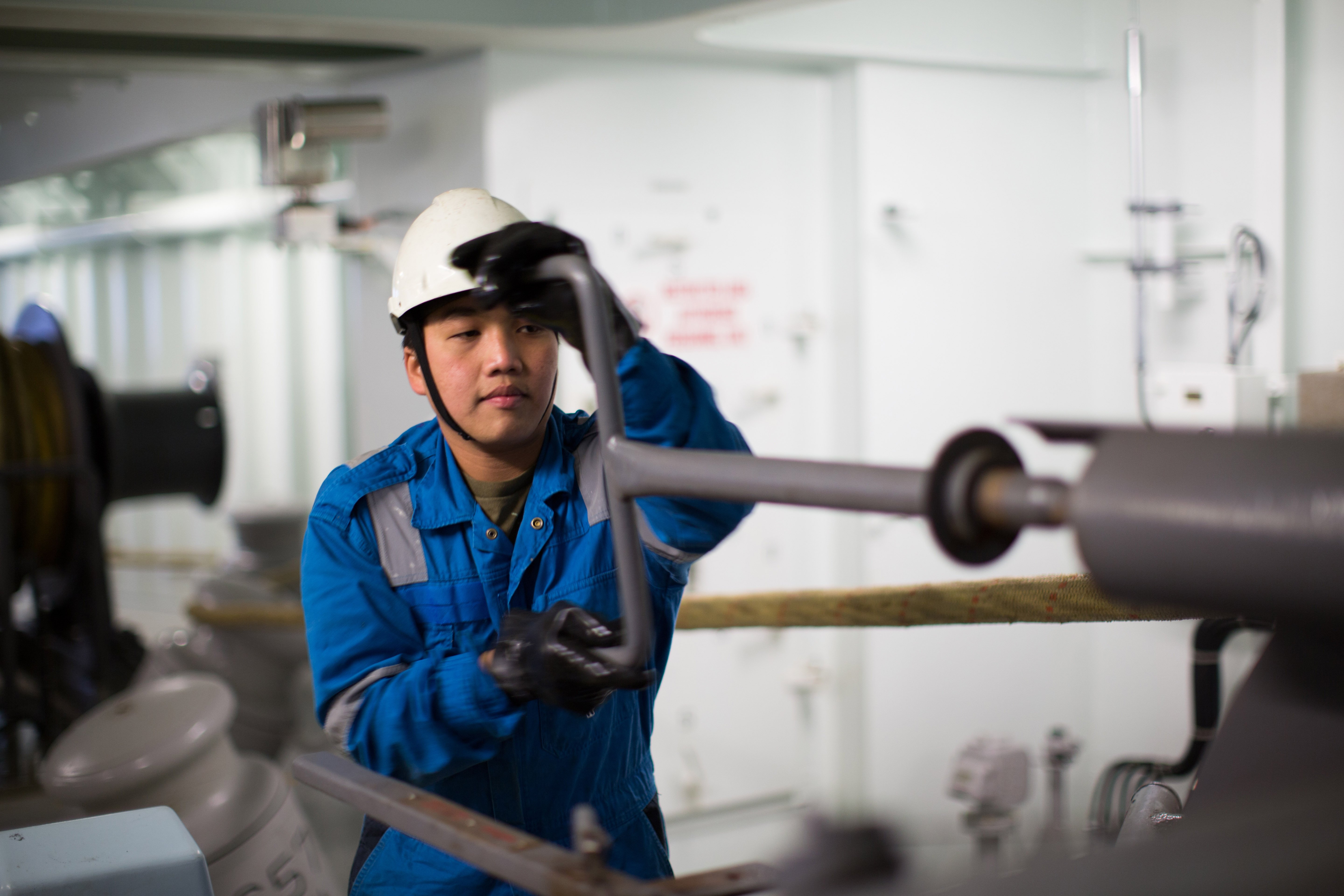 Stopping work isn’t hesitation—it’s professionalism. In high-pressure moments, speaking up can make all the difference.
A Culture of Support, Not Blame
Our “Just Culture” framework at Wilhelmsen Ship Management emphasizes learning, not punishment. We understand that humans are fallible. That’s why we prioritize creating an environment where concerns can be raised without fear, and stopping work is seen as a proactive safety measure—not a failure to perform.
We train our teams to recognize their right—and duty—to stop work. This is not just a procedural allowance. It is a deeply held belief that every individual has the authority to protect themselves, their colleagues, and the vessel by pressing pause.
Leadership in Action
Safety leaders aren’t just found in senior roles—they are found in those who lead by example. When someone stops work to raise concern, they set a standard. They show that safety truly comes first.
As leaders, supervisors, and peers, we must reinforce this behavior, recognize it, and respond supportively. One stop-work decision could save lives, equipment, and time in the long run.
As leaders and peers, it’s our role to support and recognise stop-work actions—they can prevent harm and protect what matters most.
Final Thoughts: Speak Up, Step Up
Safety begins with each of us—and sometimes the strongest thing we can do is stop, assess, and speak up. If you’re unsure, if something looks unsafe, or if something just doesn’t feel right— Speak up
Silence is more dangerous than delay.
Let’s stand together in our shared commitment to safety, empowering one another to act with courage, integrity, and care.
Source: Wilhelmsen Ship Management



Related News.

European Shipowners call on MEPs to back Commission proposal to include two Indian yards in the EU ship recycling list
The Environment Committee of the European Parliament votes on 4 November on a motion for resolution objecting to the Commission’s proposal to add two…
Oversea signs commercial agreement with UECC following Successful Pilot
Following a successful pilot onboard Auto Advance, UECC has chosen to enter into a commercial agreement with Oversea. The pilot demonstrates how…
First NABEP Crude Cargo Under U.S. Agreement Arrives in Texas
Shipment of 1 million barrels arrived as NABEP production passes 223,000 barrels of oil equivalent per day. Two tankers carrying 1 million barrels of…
LNG carrier prices fall to $245 million, threatening Korean Shipbuilders’ Margins
Prices for high-value vessels, including liquefied natural gas carriers and ultra-large container ships, have begun to decline despite rising…
Vehicle Carrier Safety Forum publishes new Fire Drill Guidelines for vehicle carrying vessels
The Vehicle Carrier Safety Forum has published new Fire Drill Guidelines for Vehicle Carrying Vessels, providing vessel operators with a practical…
Is an Atlantic Basin crude glut on the cards?
Atlantic crude discounts fail to offset high freight to Asia, raising the risk of a regional glut as VLCC availability tightens. Freight…
The future of trade infrastructure in Europe is connectivity
One year after its inauguration, Rijeka Gateway offers a glimpse into the future of European trade. On 10 September last year,…
Allied – Weekly Market Review – Week 43
Please find below the Allied Weekly Report for Week 43 | 2026 ALLIED - Weekly Market Report- Week 43

Intermodal Report – Week 43 2026
Please find below the Intermodal market report for week 43 2026. Intermodal Report Week 43 2026
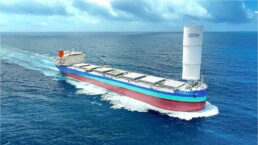
Wind Challenger-Equipped LNG Dual-Fueled Coal Carrier ‘MAIZURU KAZENOMAI’ Delivered
-While Supporting a Stable Energy Supply, Reducing Environmental Impact - Mitsui O.S.K. Lines announced the delivery and entry into service of an…
Subscribe to our newsletter!
if you dont want to swim alone in the ocean of news, sign up for the newsletter, and you will receive daily all the important news of world shipping!
