Skuld Limpet mines – the new maritime threatscape
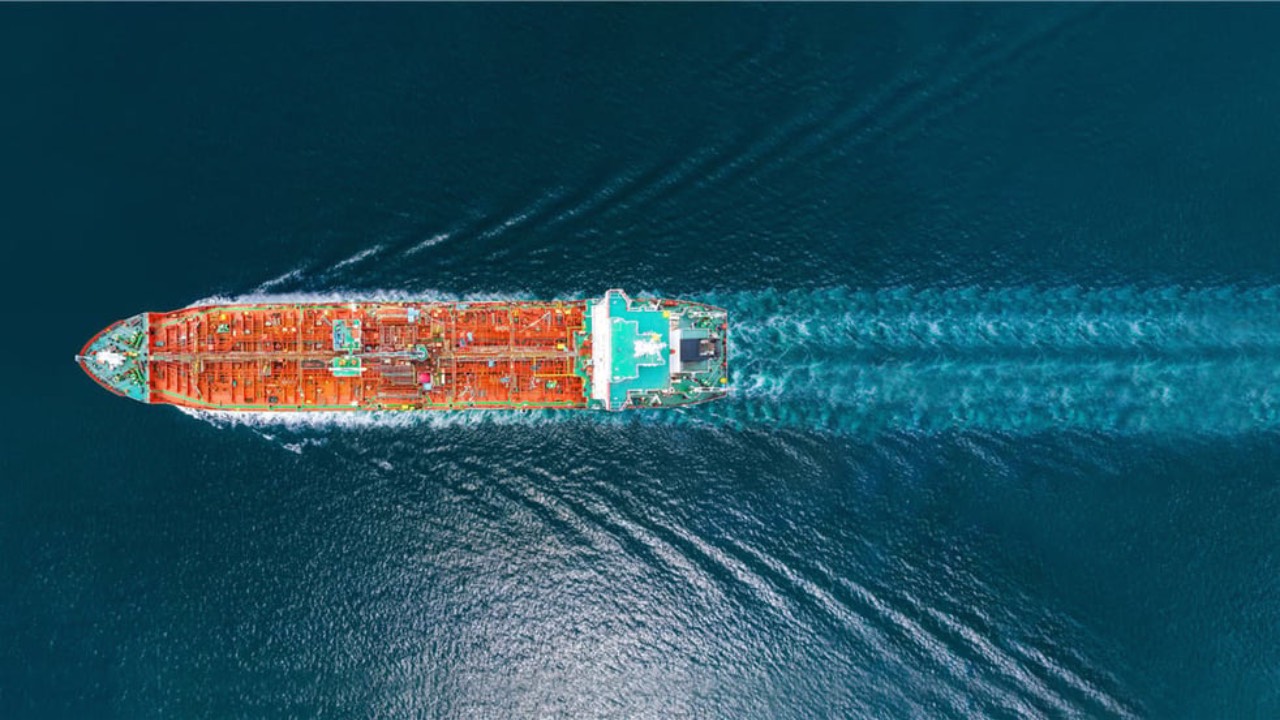

A series of suspected limpet mine attacks and unexplained blasts targeting commercial tankers in the Mediterranean has reignited global concern over the evolving nature of maritime threats. These incidents – marked by stealth, ambiguity, and geopolitical undertones – signal a shift in the maritime risk landscape that demands a recalibration of both operational vigilance and strategic foresight.
A pattern of escalating incidents
The explosion aboard the Vilamoura, a Marshall Islands-flagged suezmax tanker, is the fifth such incident in 2025 alone. The blast occurred approximately 90 nautical miles off the Libyan coast shortly after the vessel had loaded 1 million barrels of crude oil from Libya’s Zueitina Terminal. While the crew was unharmed and no pollution was reported, the vessel sustained significant damage and required towing to Greece.
Photos from the flooded engine room suggest the explosion originated internally, with shrapnel holes visible in the deck – raising questions about whether this was a limpet mine attack or a different form of sabotage. This contrasts with earlier incidents where external limpet mines were suspected, suggesting a possible evolution in tactics.
Dryad Global’s June 2025 Maritime Security Threat Assessment (MSTA) identifies a clear pattern of underwater explosive attacks targeting commercial oil tankers in the Mediterranean. Notable incidents include:
- 15 February – SEAJEWEL (Malta-flagged): Two explosions near Savona-Vado, Italy, caused a 2×4-foot hull breach. Authorities suspect Soviet-era BPM-1 or BPM-2 limpet mines.
- Late January – SEACHARM (Marshall Islands-flagged): A 3-foot hull breach near Ceyhan, Turkey. Recovered debris suggests a limpet mine.
- Early February – GRACE FERRUM (Liberia-flagged): Severely damaged near Tobruk, Libya, requiring salvage operations.
- 29 June – VILAMOURA (Malta-flagged): Suffered a major blast off the Libyan coast near Benghazi, resulting in engine room flooding and loss of control.
The suspected use of magnetically attached timer-activated limpet mines indicates a high degree of planning and technical sophistication.
Geopolitical and operational correlations
A notable pattern has emerged: all five tankers targeted this year had passed through Malta’s outer port limits, and at least two had links to Libyan ports. More significantly, the Vilamoura had recently called at Russian oil export terminals, including Ust-Luga and the Caspian Pipeline Consortium terminal near Novorossiysk. This mirrors the voyage history of other affected vessels, leading analysts to speculate about a connection to Russian oil logistics.
However, no conclusive evidence has surfaced to confirm these suspicions. Theories involving unnamed state actors remain speculative, and the lack of attribution continues to frustrate both commercial operators and security agencies. This ambiguity severely hampers risk assessment and maritime threat forecasting.
For shipowners and operators, this calls for a shift from reactive responses to proactive vigilance. Maintaining heightened situational awareness, reviewing routing protocols, minimising port call exposure in high-risk zones, and ensuring crew preparedness is essential.
To mitigate exposure, shipowners and operators are advised to:
- Conduct underwater inspections using divers or ROVs after high-risk port calls.
- Train crews to recognise limpet mine indicators and maintain CCTV surveillance around hull areas.
- Avoid geopolitical hotspots where feasible and coordinate closely with local maritime authorities.



Related News.

ISLAND OIL: Unveiling of the Sculpture “Cyprus’s Journey Through the Ages” in Protaras – A Tribute and Landmark to Cyprus’s Historical Memory and Cultural Heritage
In a modest ceremony marked by a moving atmosphere, the sculpture “Cyprus’s Journey Through the Ages”, created by acclaimed Cypriot sculptor…
World Maritime Day 2026 from Policy to Practice – powering Maritime Excellence
Global regulations will deliver safer, more resilient shipping when they are implemented worldwide. The international maritime community marks…

Diana Shipping announces Time Charter Contract for m/v DSI Polaris with Dai An Ocean Shipping
Diana Shipping , a global shipping company specializing in the ownership and bareboat charter-in of dry bulk vessels, announced that, through a…

Chief Economists Expect Global Economy to Stabilize, but Fiscal Constraints, Rising Living Costs and AI Investment Uncertainty Threaten Growth
The global economy is stabilizing, but the fiscal support that cushioned successive shocks since 2020 is unlikely to play the same role in the year…

V. welcomes its new graduate cohort as programme expands across the group
Twelve graduates from nine nationalities join 11th year of V.’s expanded international management programme. V., the global ship manager and marine…

From Policy to Practice: Why Seafarers Are the Key to Maritime Excellence
The shipping industry is no stranger to regulation. Seafarers and ship operators work within a vast framework of international conventions, national…

Intermodal Report – Week 38 2026
Please find below the Intermodal market report for week 38 2026. Intermodal Report Week 38 2026 Market Insight By Nikos Tagoulis, Head of…

Allied – Weekly Market Review – Week 38
Please find below the Allied Weekly Report for Week 38 | 2026 ALLIED - Weekly Market Report- Week 38

Record year on the Northeast Passage but Arctic shipping remains very limited
In 2025, a record 103 transit voyages were made via the Northeast Passage. However, this is still equivalent to only around a day and a half of…

[xclusiv] S&P Report 21th September 2026
Please find below the [xclusiv] latest Weekly S&P Report [xclusiv] 2026_09_21 Market Commentary: VLCCs: Freight Boom Reprices the Fleet The VLCC…
Subscribe to our newsletter!
if you dont want to swim alone in the ocean of news, sign up for the newsletter, and you will receive daily all the important news of world shipping!
