LR considered approach to protecting marine biodiversity offers competitive advantage
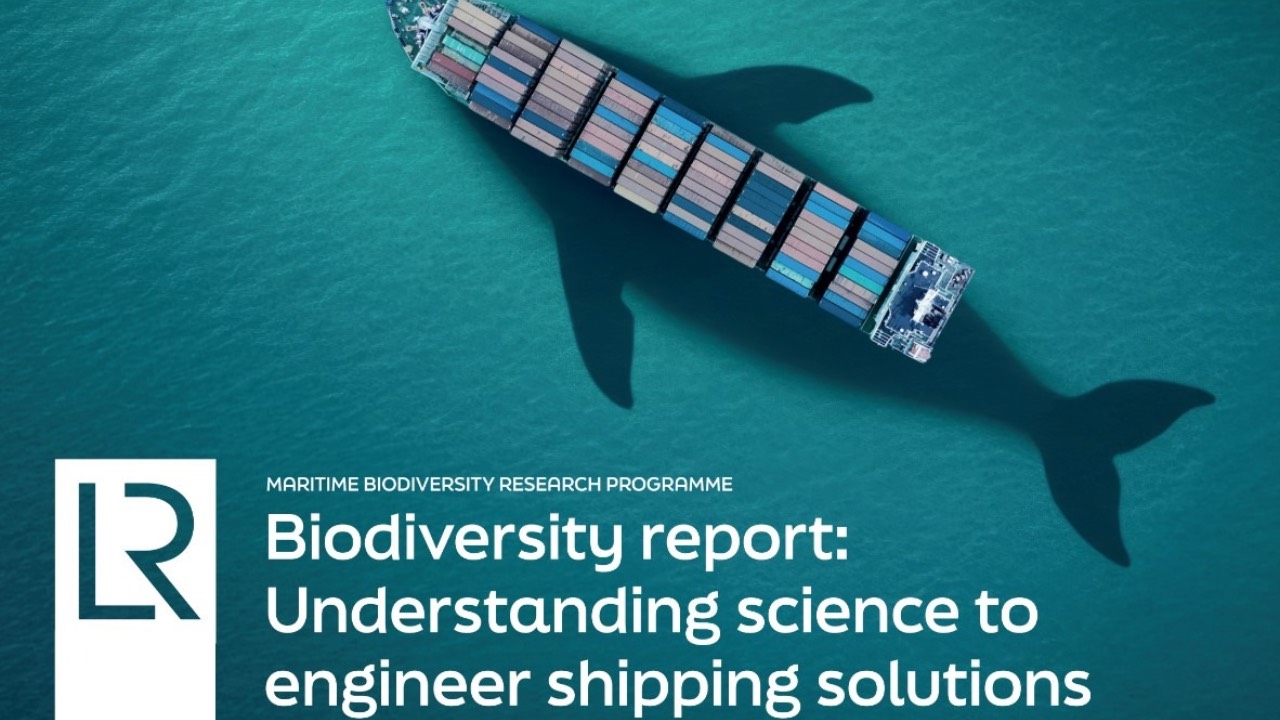

A new Lloyd’s Register publication aims to support the shipping industry in understanding and managing its impact on the marine environment.
Proactive measures supporting marine biodiversity create operational efficiencies and attract commercial incentives, according to a new Lloyd’s Register report, launched at the UN Ocean Conference 2025 in Nice, France.
The Shipping Biodiversity Report offers practical, science-based guidance and potential actions for shipowners, operators, regulators and policymakers seeking to protect marine biodiversity while maintaining efficient operations.
The report connects environmental impact with financial and reputational exposure. Ships with poor noise or discharge profiles may not be eligible for port incentive programmes, face reduced charter appeal, or operating restrictions in ecologically sensitive zones.
Conversely, proactive measures, such as investing in greener technologies or operational practices such as reducing speed in known habitats, can deliver sustainable practices, operational efficiencies and attract commercial incentives.
It recommends a number of practical strategies and actionable pathways for shipowners and operators, such as early consideration of biodiversity impacts during vessel design, technology and digital adoption, and holistic thinking around ship discharges and future fuels.
The report provides a tool to understand the cause-and-effect relationship between shipping activities and environmental pressures. These include the introduction of non-indigenous and potentially invasive species, often via ballast water and biofouling, which can have negative impacts on native populations and food chains, sometimes leading to extinction or impacting vital industries such as fisheries and aquaculture.
Harmful and toxic discharges, ranging from accidental spills to the cumulative impact of routine operational discharges, are other activities causing pressure. These introduce chemicals, nutrients causing eutrophication and microplastics that alter ocean chemistry and contribute to ocean acidification.
Physical impacts, including ship strikes that pose lethal threats to marine animals, anchoring activities that can destroy sensitive seafloor habitats such as coral reefs, and vessel-generated waves and turbulence, also contribute to ecosystem degradation. Additionally, underwater radiated noise from vessels is now recognised as the primary contributor to chronic ocean noise, altering the behaviour and distribution of marine mammals and fish.
Sahan Abeysekara, LR’s Lead, Environment Policy and Strategy, said: “The oceans that sustain our industry face mounting pressures from human activities. As our understanding of the ocean broadens, more international and regional regulatory regimes pose challenges to the industry where proactive engagement and collaboration will be needed.
“Effective management of marine ecosystems is crucial not only for the health of the oceans, but also for the long-term sustainability and just transition of the shipping industry itself. Synergy with decarbonisation is a win-win.”



Related News.

ISLAND OIL: Unveiling of the Sculpture “Cyprus’s Journey Through the Ages” in Protaras – A Tribute and Landmark to Cyprus’s Historical Memory and Cultural Heritage
In a modest ceremony marked by a moving atmosphere, the sculpture “Cyprus’s Journey Through the Ages”, created by acclaimed Cypriot sculptor…
World Maritime Day 2026 from Policy to Practice – powering Maritime Excellence
Global regulations will deliver safer, more resilient shipping when they are implemented worldwide. The international maritime community marks…

Diana Shipping announces Time Charter Contract for m/v DSI Polaris with Dai An Ocean Shipping
Diana Shipping , a global shipping company specializing in the ownership and bareboat charter-in of dry bulk vessels, announced that, through a…
Chief Economists Expect Global Economy to Stabilize, but Fiscal Constraints, Rising Living Costs and AI Investment Uncertainty Threaten Growth
The global economy is stabilizing, but the fiscal support that cushioned successive shocks since 2020 is unlikely to play the same role in the year…
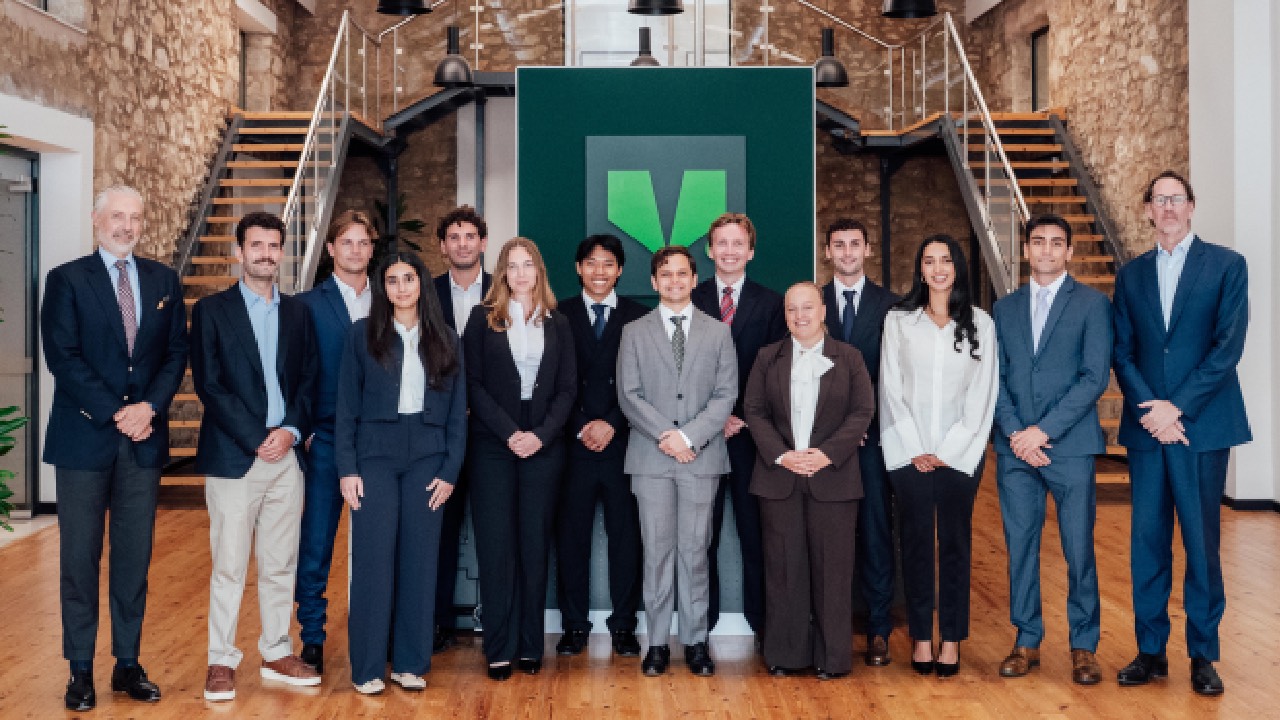
V. welcomes its new graduate cohort as programme expands across the group
Twelve graduates from nine nationalities join 11th year of V.’s expanded international management programme. V., the global ship manager and marine…

From Policy to Practice: Why Seafarers Are the Key to Maritime Excellence
The shipping industry is no stranger to regulation. Seafarers and ship operators work within a vast framework of international conventions, national…

Intermodal Report – Week 38 2026
Please find below the Intermodal market report for week 38 2026. Intermodal Report Week 38 2026 Market Insight By Nikos Tagoulis, Head of…

Allied – Weekly Market Review – Week 38
Please find below the Allied Weekly Report for Week 38 | 2026 ALLIED - Weekly Market Report- Week 38

Record year on the Northeast Passage but Arctic shipping remains very limited
In 2025, a record 103 transit voyages were made via the Northeast Passage. However, this is still equivalent to only around a day and a half of…

[xclusiv] S&P Report 21th September 2026
Please find below the [xclusiv] latest Weekly S&P Report [xclusiv] 2026_09_21 Market Commentary: VLCCs: Freight Boom Reprices the Fleet The VLCC…
Subscribe to our newsletter!
if you dont want to swim alone in the ocean of news, sign up for the newsletter, and you will receive daily all the important news of world shipping!
