Asian Shipowners’ Association Seafarers Committee highlights care for seafarers’ mental health and the urgent need to equip seafarers with skills to safely manage and operate alternative fuels

The 31st Interim Meeting of the Asian Shipowners’ Association Seafarers Committee was held virtually on 10 April 2025, hosted by the China Shipowners’ Association. While seafarers’ safety and wellbeing are always the top priority of the Committee, seafarers’ mental health and the urgent need to equip them with skills to safely manage and operate alternative fuels were particularly highlighted at the meeting.
Seafarers are vital in ensuring a seamless flow of essential goods in world trade. However, seafarers endure prolonged periods of isolation, extreme workloads, and separation from loved ones, all of which heighten risks of anxiety, depression, and burnout. Unaddressed psychological distress can impair decision-making, jeopardize onboard safety, and escalate the likelihood of maritime incidents.
Recognizing these challenges, the industry needs to prioritize proactive measures, including accessible mental health resources, confidential counseling services, and training programs to build psychological resilience. As responsible stakeholders, we urge collective action to institutionalize mental health safeguards, integrate wellness into safety protocols, amplify awareness campaigns, and value seafarers’ psychological health as highly as their physical safety.
As the global maritime industry accelerates its transition to meet IMO’s revised 2050 greenhouse gas (GHG) reduction targets, the need for comprehensive and urgent training in seafarer management and the safe use of alternative green fuels has never been greater. The shipping sector’s transition toward green shipping hinges on equipping seafarers with the skills to operate vessels powered by ammonia, methanol, hydrogen, and biofuels. These fuels, while critical to reducing GHG emissions, introduce unique safety challenges, including toxicity, flammability, and specialized handling requirements.
Without standardized, industry-wide training, safety, operational efficiency, and regulatory compliance would be compromised, which could further delay the adoption of cleaner fuels, undermine IMO’s goals, and expose seafarers to preventable risks.
The IMO’s development of interim safety guidelines for alternative fuels and the ongoing review of the STCW Convention to align training standards with emerging technologies demonstrate a proactive commitment to global maritime sustainability. As an industry organization, we applaud IMO’s vision and call on all stakeholders to prioritize training as a cornerstone of decarbonization. Together, we can safeguard seafarers, advance sustainable practices, and fulfill our shared responsibility to protect the planet.
On top of the above, we are also pleased to note that substantial progress has been made in renewing the agreement between the governments of China and Brazil so that Chinese seafarers, regardless of the flag of the vessel on which they perform their duties, are exempt from the ILO C185 identity document requirements when calling at Brazilian ports, thanks in part to the efforts made by ICS, CSA, and HKSOA during the past several years.



Related News.

ISLAND OIL: Unveiling of the Sculpture “Cyprus’s Journey Through the Ages” in Protaras – A Tribute and Landmark to Cyprus’s Historical Memory and Cultural Heritage
In a modest ceremony marked by a moving atmosphere, the sculpture “Cyprus’s Journey Through the Ages”, created by acclaimed Cypriot sculptor…
World Maritime Day 2026 from Policy to Practice – powering Maritime Excellence
Global regulations will deliver safer, more resilient shipping when they are implemented worldwide. The international maritime community marks…

Diana Shipping announces Time Charter Contract for m/v DSI Polaris with Dai An Ocean Shipping
Diana Shipping , a global shipping company specializing in the ownership and bareboat charter-in of dry bulk vessels, announced that, through a…
Chief Economists Expect Global Economy to Stabilize, but Fiscal Constraints, Rising Living Costs and AI Investment Uncertainty Threaten Growth
The global economy is stabilizing, but the fiscal support that cushioned successive shocks since 2020 is unlikely to play the same role in the year…
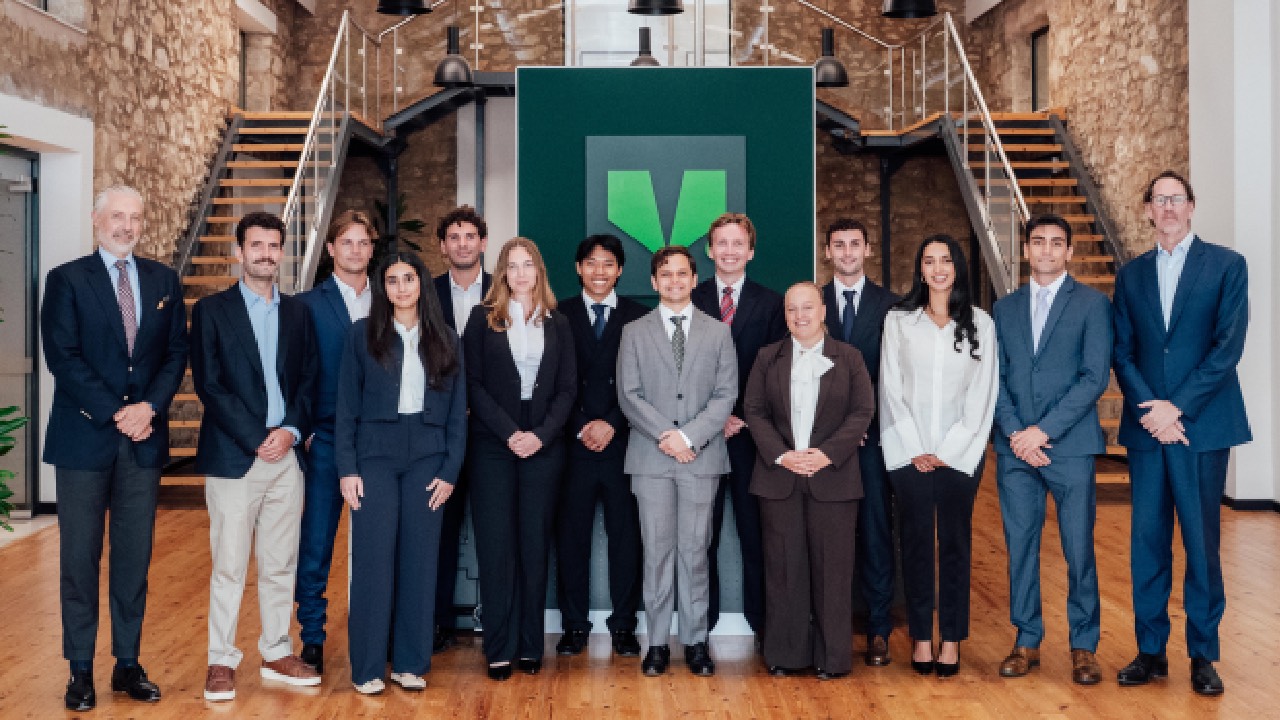
V. welcomes its new graduate cohort as programme expands across the group
Twelve graduates from nine nationalities join 11th year of V.’s expanded international management programme. V., the global ship manager and marine…

From Policy to Practice: Why Seafarers Are the Key to Maritime Excellence
The shipping industry is no stranger to regulation. Seafarers and ship operators work within a vast framework of international conventions, national…

Intermodal Report – Week 38 2026
Please find below the Intermodal market report for week 38 2026. Intermodal Report Week 38 2026 Market Insight By Nikos Tagoulis, Head of…

Allied – Weekly Market Review – Week 38
Please find below the Allied Weekly Report for Week 38 | 2026 ALLIED - Weekly Market Report- Week 38

Record year on the Northeast Passage but Arctic shipping remains very limited
In 2025, a record 103 transit voyages were made via the Northeast Passage. However, this is still equivalent to only around a day and a half of…

[xclusiv] S&P Report 21th September 2026
Please find below the [xclusiv] latest Weekly S&P Report [xclusiv] 2026_09_21 Market Commentary: VLCCs: Freight Boom Reprices the Fleet The VLCC…
Subscribe to our newsletter!
if you dont want to swim alone in the ocean of news, sign up for the newsletter, and you will receive daily all the important news of world shipping!
