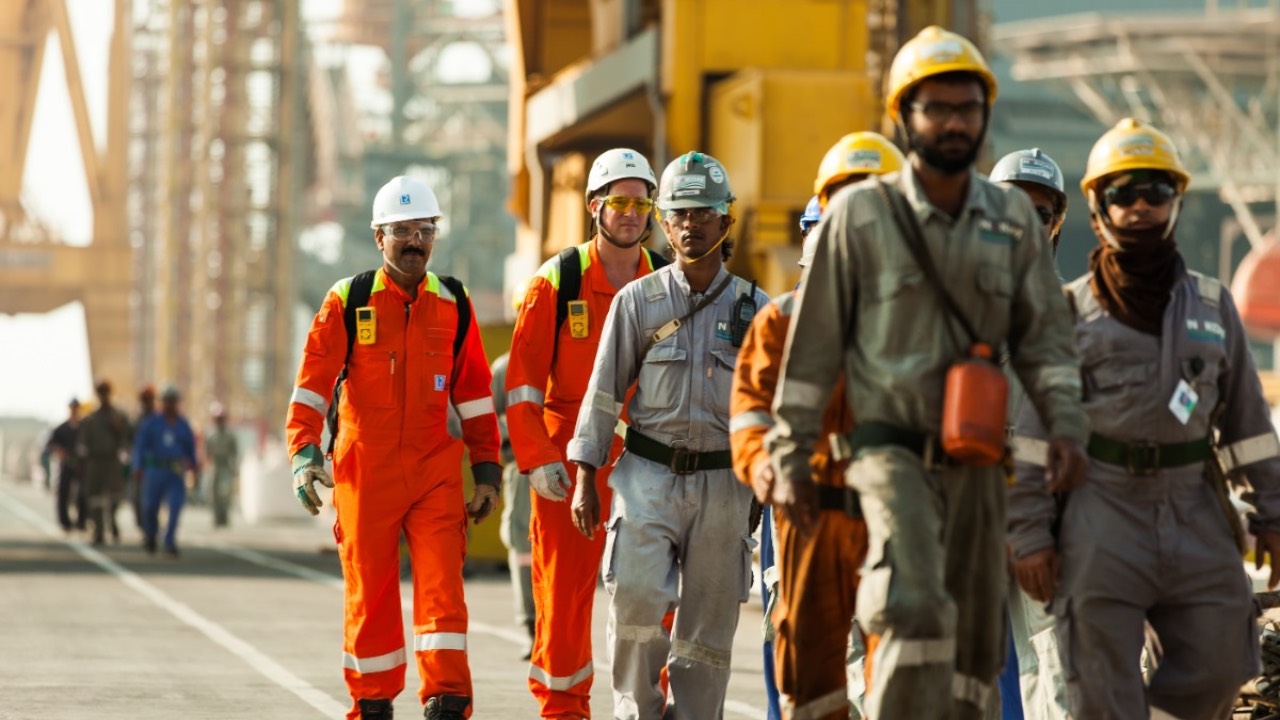

Lloyd’s Register’s Maritime Decarbonisation Hub (The Decarb Hub) and Mærsk Mc-Kinney Møller Center for Zero Carbon Shipping (MMMCZCS) release new reports to help meet the upskilling needs of an estimated future 800,000 seafarers as the industry transitions to alternative fuels.
With the maritime industry under pressure to reduce carbon emissions, ammonia is gaining popularity as a promising alternative fuel, as evidenced by LR’s Fuel For Thought Ammonia report.However, many are unaware of the unique hazards associated with ammonia, including toxicity, flammability, and material incompatibility, and how to handle it safely, efficiently, and in an environmentally responsible manner.
While current frameworks outlined in the International Maritime Organization’s (IMO) International Convention on Standards of Training, Competency and Watchkeeping for Seafarers Code (STCW)for seafarer training provide a foundation, they fall short of addressing the unique challenges posed by ammonia.
The MMMCZCS and The Decarb Hub, a joint initiative between the Lloyd’s Register Group and Lloyd’s Register Foundation, have released a new set of reports under the “Ammonia as Fuel – Competencies and Training” project, emphasising the need to address design and human factor challenges associated with ammonia.
The reports outline a roadmap for the industry to prepare seafarers for ammonia-fuelled ship operations, detailing minimum regulatory requirements, basic and advanced competencies for seafarers, and role-specific training for onboard and shore-based personnel.
While the initiative was underway, the MMMCZCS conducted an industry acceptance survey, which revealed a great degree of willingness to work on ammonia-fueled vessels, and moreover that this level of heightened acceptance is contingent on comprehensive training programmes.
The three reports from the collaboration are a project summary report, a technical report that addresses training standards, and a second technical report that delves into competencies for certain operational, maintenance, and emergency-response scenarios.
The project suggests interventions in several areas including competency and training for topics such as work practices and procedures, and occupational health and process safety. Additionally, it provides a call to action for key stakeholders, namely shipowners and operators, seafarers, technology providers, as well as regulators and training institutes, to implement its findings.
To aid in impending seafarer safety, shipping companies are urged to conduct gap analyses, update corporate policies, and invest in seafarer upskilling initiatives. Additionally, regulators and flag states must work together to incorporate ammonia-related safety measures into global maritime training standards. Training providers are advised to develop transition journeys for seafarers and shore-based staff and update training facilities to include practical training with ammonia.
This latest report, representing Phase 3 of the partnership, follows earlier studies on vessel design and operations and human factors considerations for ammonia-fueled vessels.
Alan Jones, Human Safety and Risk Director at The Decarb Hub, said: “The maritime industry will continually need this type of interactive collaborative action, which clearly provides exceptional outcomes, disseminating unambiguous evidence of how the industry needs to move forward. Leveraging the outputs from the Maritime Just Transition Task Force (MJTTF) is an indication of how industry partners are working towards the same goals to enhance seafarer safety.”
Martin Eriksen, Head of Safety Leadership & Operations at MMMCZCS, said: “Current frameworks for seafarer training is a baseline, however insufficient to meet ammonia’s unique safety challenges. The Ammonia as Fuel – Competencies and Training project addresses these gaps. Existing frameworks must incorporate specialised knowledge about the unique characteristics and hazards that accompany this fuel. Understanding their specific chemical and physical properties, handling requirements, safety protocols and emergency response strategies are a few indicative areas for intervention.
“We therefore call for IMO and its members to consider this information and take appropriate action to account for ammonia as fuel in the regulatory training framework, enabling interim guidance on training for alternative fuels to be published with priority.
“Finally, by leveraging the knowledge and calls to action shared in these reports, the shipping industry can help realise a green transition for maritime that puts safety at the centre.’’



Related News.
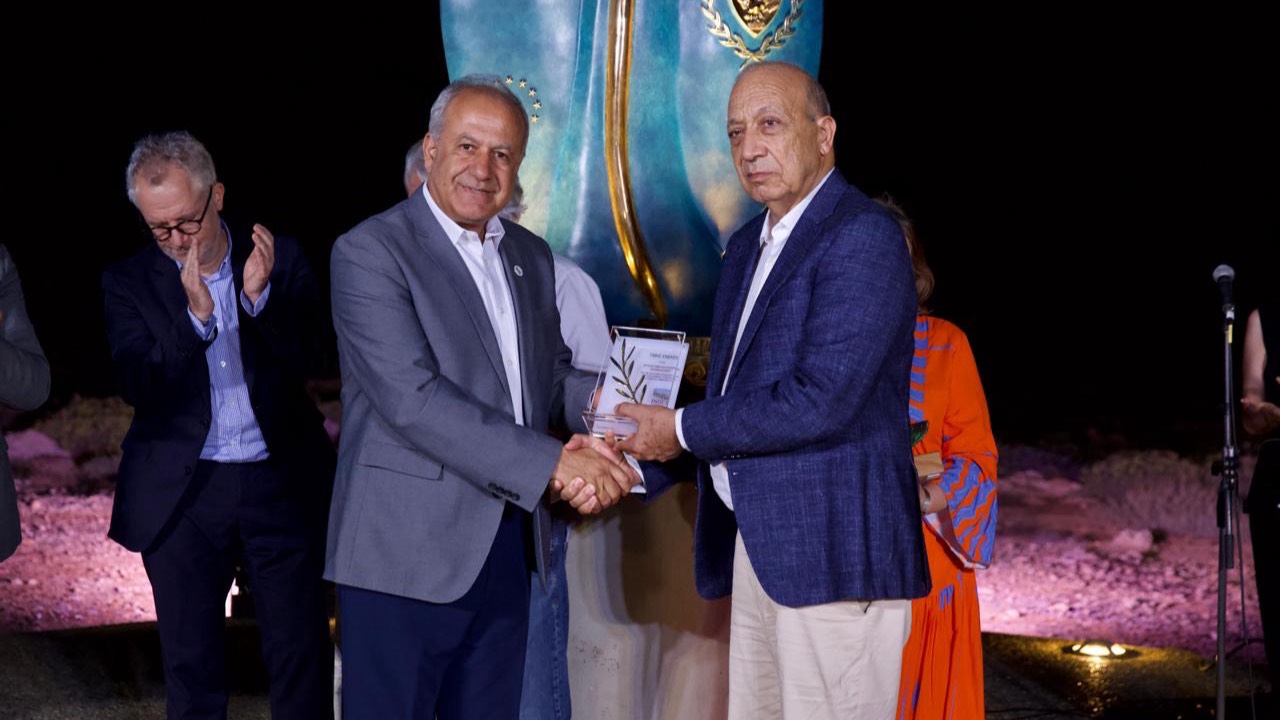
ISLAND OIL: Unveiling of the Sculpture “Cyprus’s Journey Through the Ages” in Protaras – A Tribute and Landmark to Cyprus’s Historical Memory and Cultural Heritage
In a modest ceremony marked by a moving atmosphere, the sculpture “Cyprus’s Journey Through the Ages”, created by acclaimed Cypriot sculptor…
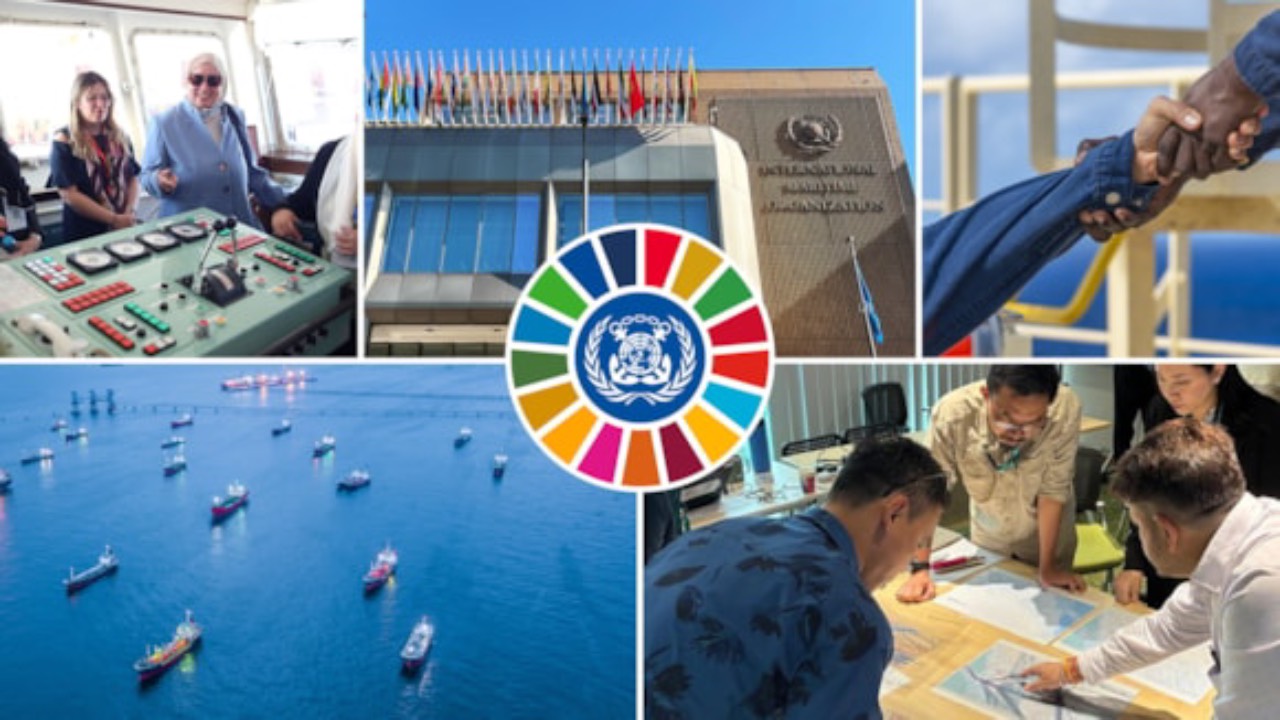
World Maritime Day 2026 from Policy to Practice – powering Maritime Excellence
Global regulations will deliver safer, more resilient shipping when they are implemented worldwide. The international maritime community marks…

Diana Shipping announces Time Charter Contract for m/v DSI Polaris with Dai An Ocean Shipping
Diana Shipping , a global shipping company specializing in the ownership and bareboat charter-in of dry bulk vessels, announced that, through a…
Chief Economists Expect Global Economy to Stabilize, but Fiscal Constraints, Rising Living Costs and AI Investment Uncertainty Threaten Growth
The global economy is stabilizing, but the fiscal support that cushioned successive shocks since 2020 is unlikely to play the same role in the year…
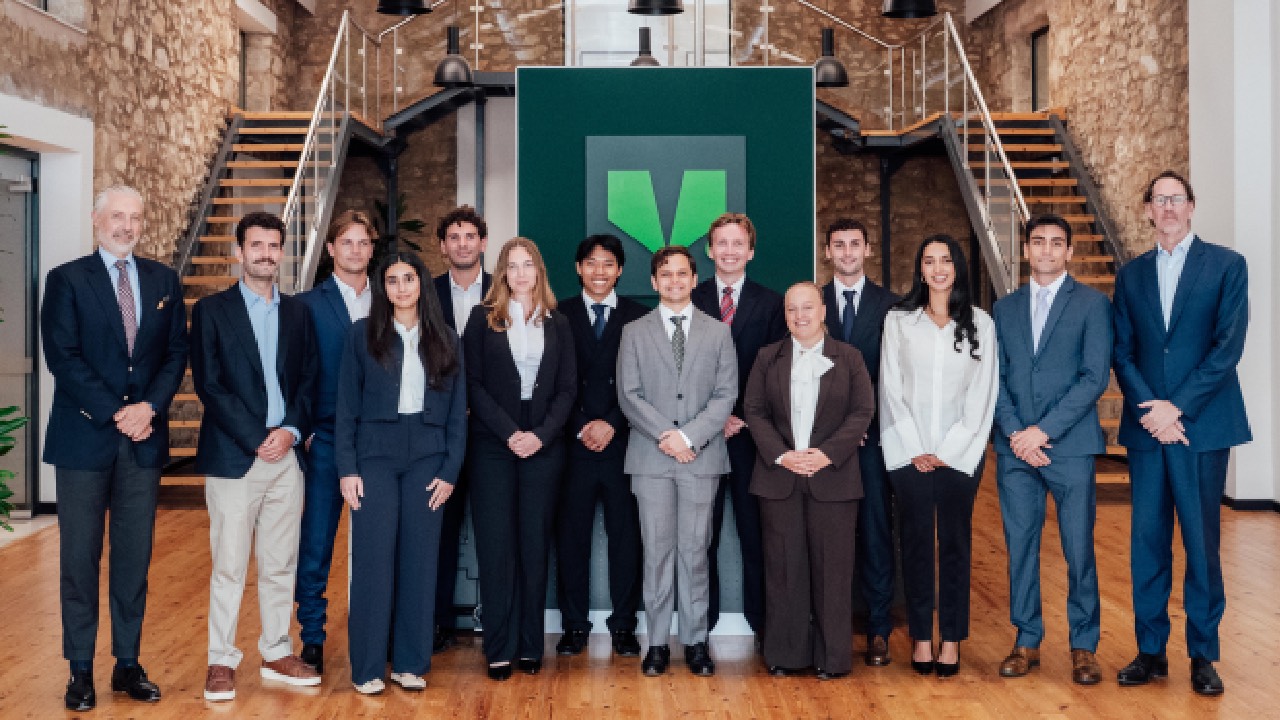
V. welcomes its new graduate cohort as programme expands across the group
Twelve graduates from nine nationalities join 11th year of V.’s expanded international management programme. V., the global ship manager and marine…
From Policy to Practice: Why Seafarers Are the Key to Maritime Excellence
The shipping industry is no stranger to regulation. Seafarers and ship operators work within a vast framework of international conventions, national…

Intermodal Report – Week 38 2026
Please find below the Intermodal market report for week 38 2026. Intermodal Report Week 38 2026 Market Insight By Nikos Tagoulis, Head of…

Allied – Weekly Market Review – Week 38
Please find below the Allied Weekly Report for Week 38 | 2026 ALLIED - Weekly Market Report- Week 38
Record year on the Northeast Passage but Arctic shipping remains very limited
In 2025, a record 103 transit voyages were made via the Northeast Passage. However, this is still equivalent to only around a day and a half of…

[xclusiv] S&P Report 21th September 2026
Please find below the [xclusiv] latest Weekly S&P Report [xclusiv] 2026_09_21 Market Commentary: VLCCs: Freight Boom Reprices the Fleet The VLCC…
Subscribe to our newsletter!
if you dont want to swim alone in the ocean of news, sign up for the newsletter, and you will receive daily all the important news of world shipping!
