Artificial intelligence is empowering shipowners to tackle new safety management challenges
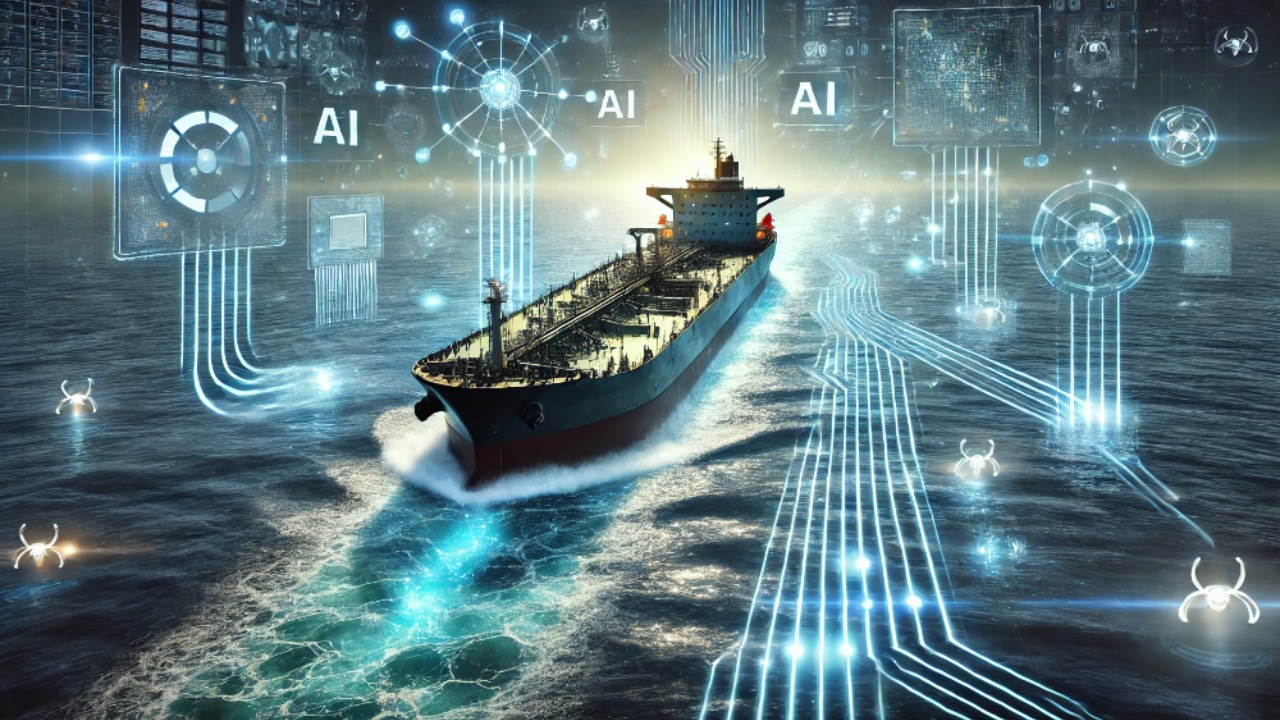

The maritime industry is undergoing a digital transformation, and one of the key innovations making waves is the integration of artificial intelligence into safety management systems.
The increased documentation required following the gamut of new rules and procedures place increasing demands on seafarers but companies like WiseStella are leveraging artificial intelligence to ease the cognitive burden to enhance safety across the global fleet.
“Seafarers today are faced with an overwhelming amount of information and documentation to manage,” explains Ali Demiral, Chief Technology Officer, and AI lead at WiseStella. “This cognitive load can be a significant source of stress, especially when it comes to tackling complex safety assessments. But AI-powered technology can provide seafarers and ship managers with the tools they need to navigate these new requirements with confidence.”
WiseStella’s AI solution, dubbed “Wise-AI,” taps into the power of large language models (LLM) to analyse vast troves of historical data from past safety inspections. By identifying common issues and potential root causes, the development, which is being incorporated across WiseStella’s suite of cloud-based solutions, provides seafarers with tailored recommendations and insights, even if they’re unfamiliar with the intricacies of the regulations.
“Imagine a scenario where a second engineer is tasked with completing a self-assessment, for example,” Demiral illustrates. “They may come across a question about the vessel’s processes, unsure of whether current practices are ‘as expected’ or not. With the introduction of Wise-AI, they can simply input the details, and the system will suggest potential problem areas and offer guidance on how to address them.”
This proactive approach not only helps seafarers save time and reduce stress levels, but it also fosters a deeper understanding of safety protocols. By learning from the AI’s insights, crew members can better anticipate and mitigate issues, enhancing the overall safety of the vessel.
But the benefits of WiseStella’s AI-based learning extend beyond individual vessels. The platform also provides fleet-wide benchmarking capabilities, allowing managers to compare their vessels’ performance against industry standards.
“Suddenly, fleet managers have the ability to identify areas where their vessels are excelling or falling behind, empowering them to make data-driven decisions and target their training and resources more effectively,” Demiral says.
Interestingly, WiseStella’s AI technology has been developed in-house by a team of data scientists, setting it apart from off-the-shelf solutions. This custom-built approach allows the company to continuously refine and improve the algorithms, ensuring that the system’s predictions become more accurate and relevant over time.
However, AI outputs are always reviewed by academics and experts before the information is presented in the WiseStella platform.
“Physical assessment of the findings with ‘human-in-the-loop’ analysis helps improve information outputs,” says Demiral, “as AI continually learns from the additional input and recommendations to provide the optimum solutions.”
“The more data we collect, the better our AI becomes at identifying patterns and providing meaningful insights,” Demiral explains. “It’s a continuous learning process, and we’re committed to staying ahead of the curve to support our clients’ evolving needs.”
One of the key advantages of Wise Stella’s AI-powered platform is its ability to leverage data from a variety of sources, including industry reports and published research. By aggregating and anonymizing this information, the system can provide a comprehensive view of common issues and best practices across the maritime sector.
“We’re not just relying on the data we collect from our own clients,” Demiral clarifies. “We also incorporate insights from various guidance published by professional bodies and organisation ensuring that our recommendations are grounded in the broader industry context. This helps us deliver more robust and reliable solutions to our users.”
As the maritime industry continues to navigate the uncharted waters of new safety regulations, the integration of AI-powered tools like Wise-AI into the WiseStella platform is poised to become a crucial lifeline for seafarers. By reducing cognitive stress, enhancing safety awareness, and providing data-driven insights, these innovative solutions are paving the way for a more resilient and efficient future at sea.
“The ultimate goal is to empower our clients to proactively address safety challenges, rather than simply reacting to them,” Demiral says. “With Wise-AI, we’re giving seafarers the tools they need to anticipate and mitigate issues, fostering a culture of continuous improvement and safety excellence.”
As the maritime industry continues to evolve, the role of AI in safety management is only set to grow. Companies like WiseStella are at the forefront of this digital transformation, leveraging cutting-edge technology to support the people who keep our global supply chains moving. By easing the burden on seafarers and providing data-driven insights, these AI-powered solutions are poised to become indispensable in the years to come.



Related News.

ISLAND OIL: Unveiling of the Sculpture “Cyprus’s Journey Through the Ages” in Protaras – A Tribute and Landmark to Cyprus’s Historical Memory and Cultural Heritage
In a modest ceremony marked by a moving atmosphere, the sculpture “Cyprus’s Journey Through the Ages”, created by acclaimed Cypriot sculptor…
World Maritime Day 2026 from Policy to Practice – powering Maritime Excellence
Global regulations will deliver safer, more resilient shipping when they are implemented worldwide. The international maritime community marks…

Diana Shipping announces Time Charter Contract for m/v DSI Polaris with Dai An Ocean Shipping
Diana Shipping , a global shipping company specializing in the ownership and bareboat charter-in of dry bulk vessels, announced that, through a…
Chief Economists Expect Global Economy to Stabilize, but Fiscal Constraints, Rising Living Costs and AI Investment Uncertainty Threaten Growth
The global economy is stabilizing, but the fiscal support that cushioned successive shocks since 2020 is unlikely to play the same role in the year…
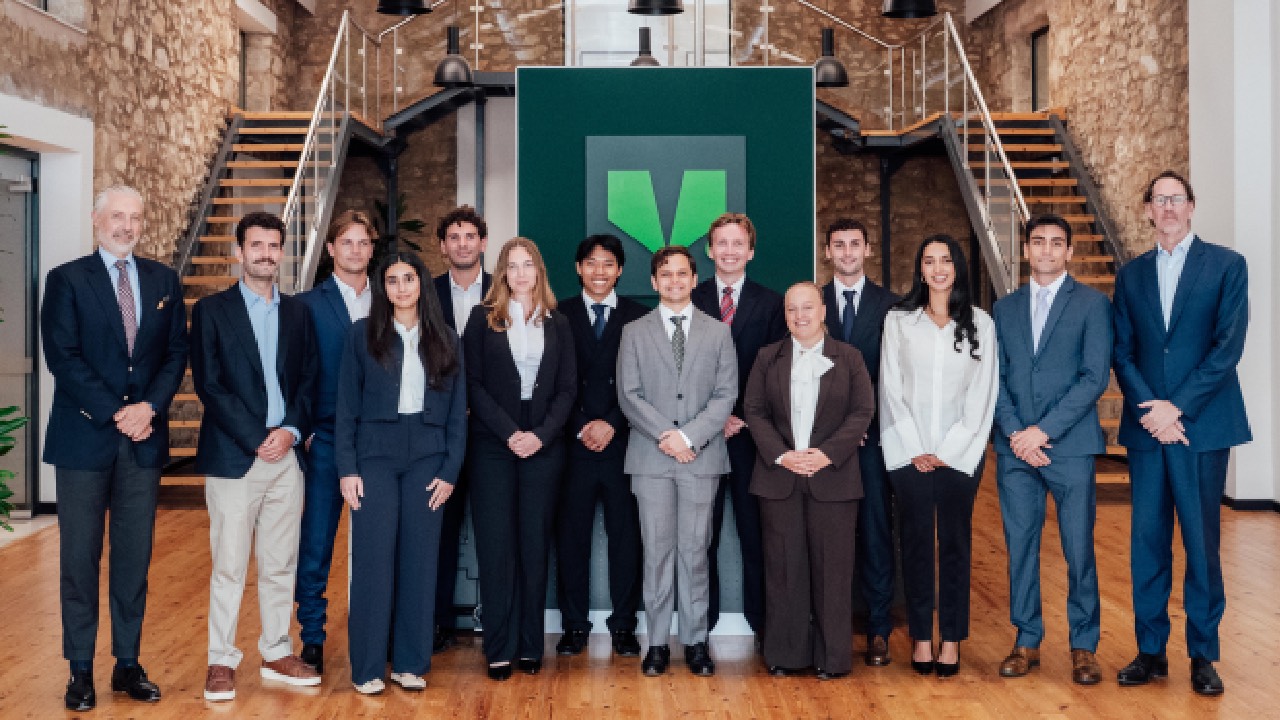
V. welcomes its new graduate cohort as programme expands across the group
Twelve graduates from nine nationalities join 11th year of V.’s expanded international management programme. V., the global ship manager and marine…

From Policy to Practice: Why Seafarers Are the Key to Maritime Excellence
The shipping industry is no stranger to regulation. Seafarers and ship operators work within a vast framework of international conventions, national…

Intermodal Report – Week 38 2026
Please find below the Intermodal market report for week 38 2026. Intermodal Report Week 38 2026 Market Insight By Nikos Tagoulis, Head of…

Allied – Weekly Market Review – Week 38
Please find below the Allied Weekly Report for Week 38 | 2026 ALLIED - Weekly Market Report- Week 38

Record year on the Northeast Passage but Arctic shipping remains very limited
In 2025, a record 103 transit voyages were made via the Northeast Passage. However, this is still equivalent to only around a day and a half of…

[xclusiv] S&P Report 21th September 2026
Please find below the [xclusiv] latest Weekly S&P Report [xclusiv] 2026_09_21 Market Commentary: VLCCs: Freight Boom Reprices the Fleet The VLCC…
Subscribe to our newsletter!
if you dont want to swim alone in the ocean of news, sign up for the newsletter, and you will receive daily all the important news of world shipping!
