Nokia’s cellular network ready for Moon as Intuitive Machines completes final lunar lander installation


- Final integration of Nokia Lunar Surface Communication System into IM-2 lander is complete.
- Nokia intends to prove capabilities of cellular technology for future lunar exploration with the upcoming IM-2 mission.
Nokia and Intuitive Machines, announced the successful final integration of Nokia’s Lunar Surface Communication System (“LSCS”) into the IM-2 mission lander, named Athena. Athena and the LSCS will voyage to the lunar south pole region in the upcoming IM-2 mission, where Nokia and Intuitive Machines intend to deploy the first cellular network on the Moon.
After months of testing and validation with Nokia Bell Labs, Intuitive Machines engineers installed the LSCS “network in a box” to one of Athena’s upper carbon-composite panels. Multiple precautions were taken during the installation to help ensure that the network will safely make the 239,000-mile journey to the Moon, survive the stresses of take-off and landing, and operate optimally on the lunar surface. Each of the 14 mounting points is thermally isolated to keep the network insulated from the extremely low temperatures of deep space. Intuitive Machines also integrated the network into Athena’s Thermal Protection System. This system will expel heat when the network is operating, and it will supply heat to protect the network when it is idle.
Two device modules make up additional components of Nokia’s LSCS, and they have been installed in two lunar mobility vehicles: Intuitive Machines’ Micro-Nova Hopper and Lunar Outpost’s Mobile Autonomous Prospecting Platform (MAPP) rover. Upon landing on the Moon, the two vehicles are designed to deploy on the lunar surface where they would immediately use the Nokia device modules to establish connections to the network on Athena
The LSCS utilizes the same 4G/LTE cellular technology used by billions of devices on Earth, though Nokia Bell Labs reconceptualized the system to meet the unique requirements of a lunar mission. The network is engineered to handle surface connectivity between the lander and vehicles, carrying high-definition video streaming, command-and-control communications and telemetry data. Intuitive Machines expects to relay data from the LSCS back to Earth using its direct-to-Earth data transmission service.
Thierry E. Klein, President of Bell Labs Solutions Research at Nokia, said: “We intend to prove that cellular technologies can provide the reliable, high-capacity and efficient connectivity needed for future crewed and uncrewed missions to the Moon and eventually Mars. Cellular technology has irrevocably transformed the way we communicate on Earth. There’s no reason it can’t do the same for communications on other worlds.”
Nokia Bell Labs developed the LSCS and Intuitive Machines created the Micro-Nova Hopper in partnership with NASA’s Space Technology Mission Directorate via its Tipping Point initiative, which funds industry-developed space technologies that can foster the development of commercial space capabilities and benefit future NASA missions. One of the goals of Intuitive Machines’ second lunar mission will be to use the Micro-Nova Hopper and the LSCS to test new sensor instruments that could help identify and map precious resources on the Moon, like water ice. The Micro-Nova Hopper, named Grace, is designed to descend into permanently shadowed lunar craters. There it may use these new sensors to scan for large concentrations of hydrogen, which are indicative of ice deposits. All data collected by the Micro-Nova would then be transmitted over the Nokia network to Athena, where it would be relayed back to Earth.
The Mobile Autonomous Prospecting Platform (MAPP) rover was developed by Lunar Outpost. Once on the lunar surface, the MAPP rover will exit from a protective enclosure on Athena, extend its antennas, and establish a connection to Nokia’s cellular network on Athena. The MAPP rover will then begin a multi-day journey exploring the Moon’s south pole region, mapping the lunar surface while collecting stereo imagery and vital environmental data along the way.
Steve Altemus, CEO of Intuitive Machines, said: “We believe delivering Nokia’s 4G/LTE system to the lunar surface is a transformative moment in the commercialization of space and the maturity of the lunar economy. We’re taking thoughtful steps to achieve sustainability. Whether it’s Nokia connecting surface assets, or Intuitive Machines’ ability to transmit that data back to Earth and establish lunar data relay satellites, these innovations are mainstay capabilities we believe will define the Artemis generation, and they were initiated through NASA leadership.”
Launch of Intuitive Machines’ Athena lander is targeted for no earlier than late February from NASA’s Kennedy Space Center.



Related News.
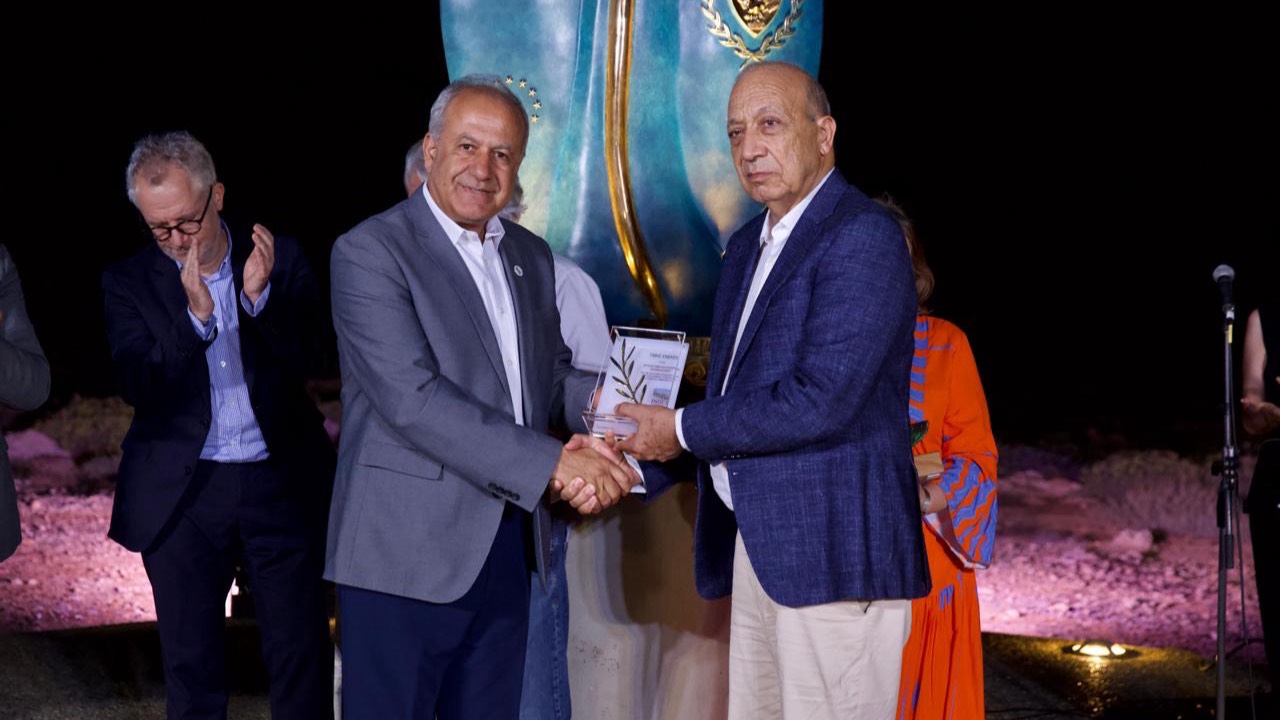
ISLAND OIL: Unveiling of the Sculpture “Cyprus’s Journey Through the Ages” in Protaras – A Tribute and Landmark to Cyprus’s Historical Memory and Cultural Heritage
In a modest ceremony marked by a moving atmosphere, the sculpture “Cyprus’s Journey Through the Ages”, created by acclaimed Cypriot sculptor…

World Maritime Day 2026 from Policy to Practice – powering Maritime Excellence
Global regulations will deliver safer, more resilient shipping when they are implemented worldwide. The international maritime community marks…

Diana Shipping announces Time Charter Contract for m/v DSI Polaris with Dai An Ocean Shipping
Diana Shipping , a global shipping company specializing in the ownership and bareboat charter-in of dry bulk vessels, announced that, through a…

Chief Economists Expect Global Economy to Stabilize, but Fiscal Constraints, Rising Living Costs and AI Investment Uncertainty Threaten Growth
The global economy is stabilizing, but the fiscal support that cushioned successive shocks since 2020 is unlikely to play the same role in the year…
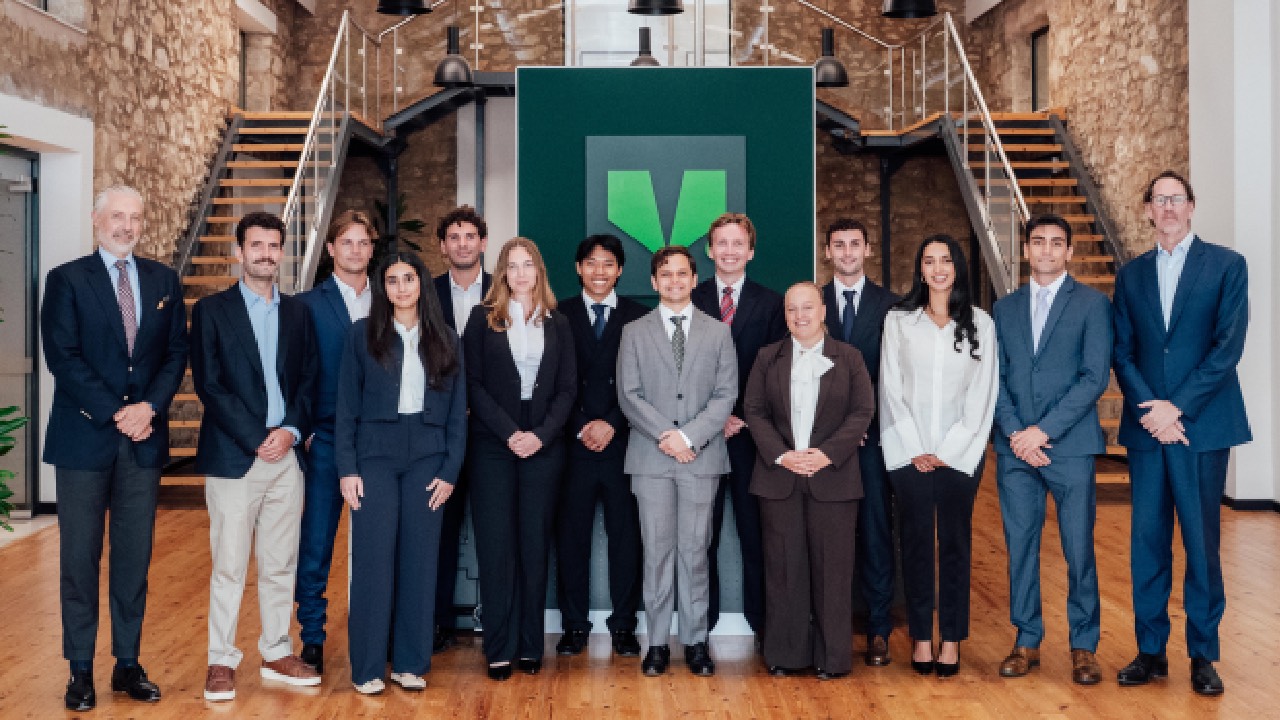
V. welcomes its new graduate cohort as programme expands across the group
Twelve graduates from nine nationalities join 11th year of V.’s expanded international management programme. V., the global ship manager and marine…

From Policy to Practice: Why Seafarers Are the Key to Maritime Excellence
The shipping industry is no stranger to regulation. Seafarers and ship operators work within a vast framework of international conventions, national…

Intermodal Report – Week 38 2026
Please find below the Intermodal market report for week 38 2026. Intermodal Report Week 38 2026 Market Insight By Nikos Tagoulis, Head of…

Allied – Weekly Market Review – Week 38
Please find below the Allied Weekly Report for Week 38 | 2026 ALLIED - Weekly Market Report- Week 38

Record year on the Northeast Passage but Arctic shipping remains very limited
In 2025, a record 103 transit voyages were made via the Northeast Passage. However, this is still equivalent to only around a day and a half of…

[xclusiv] S&P Report 21th September 2026
Please find below the [xclusiv] latest Weekly S&P Report [xclusiv] 2026_09_21 Market Commentary: VLCCs: Freight Boom Reprices the Fleet The VLCC…
Subscribe to our newsletter!
if you dont want to swim alone in the ocean of news, sign up for the newsletter, and you will receive daily all the important news of world shipping!
