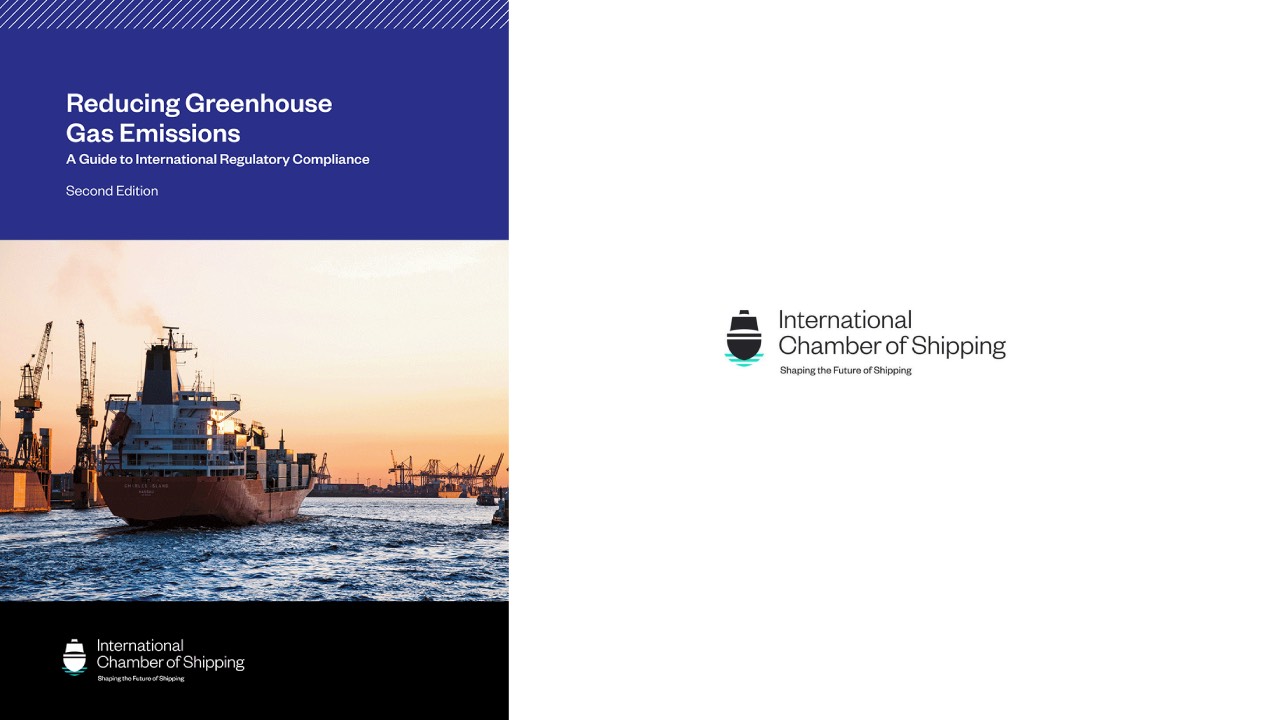

The maritime industry is at a pivotal moment in its decarbonisation journey. Over the past decade, the sector has transitioned from focusing solely on air pollutants like sulphur oxides to adopting comprehensive strategies for reducing greenhouse gas emissions. This evolution presents both significant challenges and transformative opportunities for stakeholders across the globe.
When the Energy Efficiency Design Index (EEDI) and Ship Energy Efficiency Management Plan (SEEMP) were introduced in 2013, they did more than establish new global benchmarks. They catalysed a shift in the industry’s approach to energy efficiency, laying the groundwork for operational performance measures like the Carbon Intensity Indicator (CII) and an increased focus on GHG emissions reduction for the sector using alternative fuels and innovative technologies. The introduction of regional regulations such as the EU’s maritime requirements, which could affect up to 30 per cent of the global fleet, have sharpened that focus.
Amid this focus, the critical role of the human element often remains underappreciated. Yet, it is clear that the success of maritime decarbonisation efforts depends not just on fuels, innovative energy systems and technological solutions, but also on the actions of shore staff and seafarers. These professionals are not merely operators of new systems – they are the key enablers of the industry’s sustainable future. Their decisions, from route planning to fuel management, determine whether advanced technologies achieve their full potential or fall short.

This human-centric reality demands a fundamental shift in approach. Training must evolve from basic operational competencies to fostering a deep understanding of the systems they have to manage and energy efficiency principles. Shore teams need advanced skills to analyse complex performance data and optimise vessel operations, while seafarers require knowledge to align everyday practices with emissions goals. Most importantly, the industry must cultivate a culture where environmental protection becomes as integral to operations as safety awareness.
Leadership plays a pivotal role in driving this transformation. Maritime executives must champion an organisational ethos that integrates environmental considerations into decision-making. This includes incentivising energy-efficient practices, fostering collaboration between ship and shore teams, and embedding environmental performance as a core metric of operational excellence.
However, balancing regulatory compliance with operational realities remains a pressing challenge. For instance, fuel wasted by ships awaiting berth availability highlights inefficiencies that undermine sustainability efforts. The industry’s response, such as the International Maritime Organization’s (IMO) mandated Single Maritime Window for streamlined data exchange, exemplifies how digitalisation can address such issues. Similarly, Singapore’s upcoming requirement for electronic Bunker Delivery Notes underscores the shift toward digital solutions in emissions monitoring and compliance.
Looking ahead, maritime GHG emissions pricing mechanisms will play a vital role in bridging the cost gap between traditional and green fuels. To be effective, these mechanisms must provide an enabling pathway, with funds allocated to incentivise green fuel adoption and mitigate investment risks for shipowners and fuel producers. The fundamental shift for shipping from Tank-to-Wake to Well-to-Wake compliance further underscores the need for advanced digital tools, including artificial intelligence, to navigate regulatory complexities.
The path to maritime decarbonisation hinges on unprecedented collaboration. Sharing information across industry actors will enhance risk management and inform investment decisions, especially as the finalisation of IMO’s mid-term regulatory measures approaches.
Resources like The International Chamber of Shipping’s ‘Reducing Greenhouse Gas Emissions: A Guide to International Regulatory Compliance, Second Edition’ offer invaluable guidance for navigating these challenges, providing stakeholders with actionable insights and a clear roadmap.
The journey toward decarbonisation is not merely about compliance – it’s about building a sustainable, efficient future for shipping. Success will depend on the sector’s ability to adapt, innovate, and collaborate, transforming challenges into opportunities for growth and environmental stewardship.



Related News.

ISLAND OIL: Unveiling of the Sculpture “Cyprus’s Journey Through the Ages” in Protaras – A Tribute and Landmark to Cyprus’s Historical Memory and Cultural Heritage
In a modest ceremony marked by a moving atmosphere, the sculpture “Cyprus’s Journey Through the Ages”, created by acclaimed Cypriot sculptor…
World Maritime Day 2026 from Policy to Practice – powering Maritime Excellence
Global regulations will deliver safer, more resilient shipping when they are implemented worldwide. The international maritime community marks…

Diana Shipping announces Time Charter Contract for m/v DSI Polaris with Dai An Ocean Shipping
Diana Shipping , a global shipping company specializing in the ownership and bareboat charter-in of dry bulk vessels, announced that, through a…
Chief Economists Expect Global Economy to Stabilize, but Fiscal Constraints, Rising Living Costs and AI Investment Uncertainty Threaten Growth
The global economy is stabilizing, but the fiscal support that cushioned successive shocks since 2020 is unlikely to play the same role in the year…
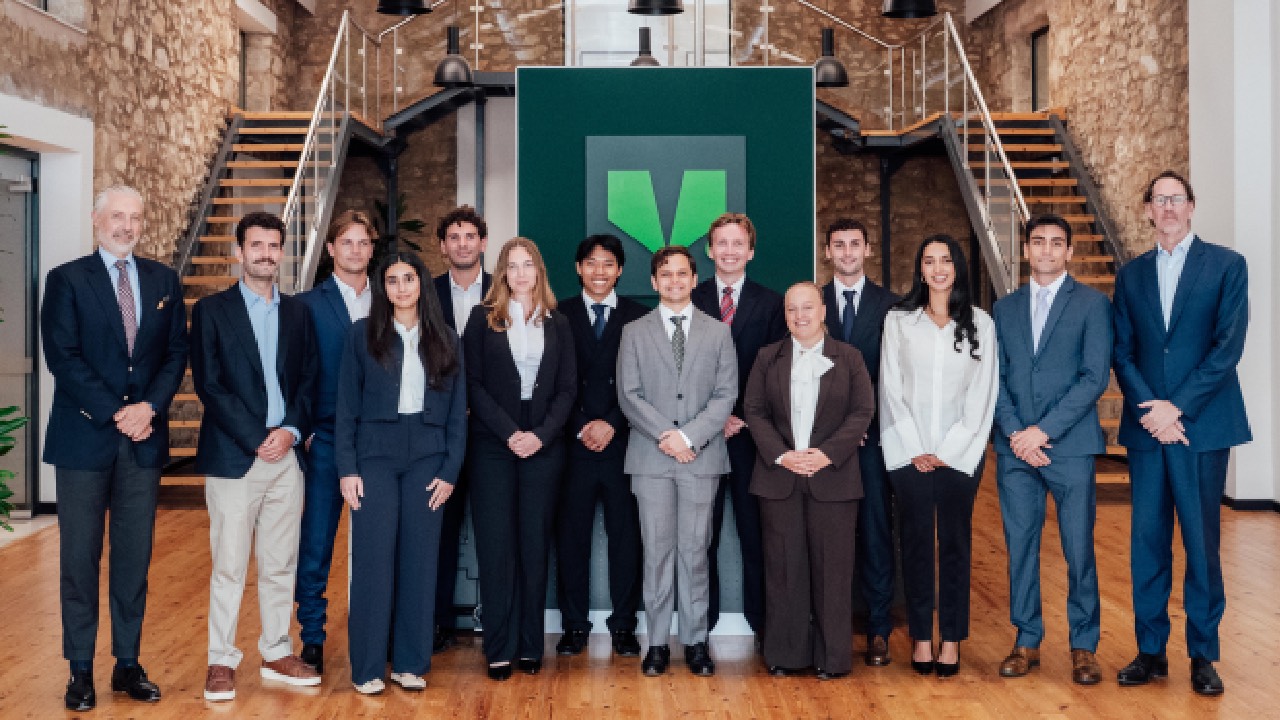
V. welcomes its new graduate cohort as programme expands across the group
Twelve graduates from nine nationalities join 11th year of V.’s expanded international management programme. V., the global ship manager and marine…

From Policy to Practice: Why Seafarers Are the Key to Maritime Excellence
The shipping industry is no stranger to regulation. Seafarers and ship operators work within a vast framework of international conventions, national…

Intermodal Report – Week 38 2026
Please find below the Intermodal market report for week 38 2026. Intermodal Report Week 38 2026 Market Insight By Nikos Tagoulis, Head of…

Allied – Weekly Market Review – Week 38
Please find below the Allied Weekly Report for Week 38 | 2026 ALLIED - Weekly Market Report- Week 38

Record year on the Northeast Passage but Arctic shipping remains very limited
In 2025, a record 103 transit voyages were made via the Northeast Passage. However, this is still equivalent to only around a day and a half of…

[xclusiv] S&P Report 21th September 2026
Please find below the [xclusiv] latest Weekly S&P Report [xclusiv] 2026_09_21 Market Commentary: VLCCs: Freight Boom Reprices the Fleet The VLCC…
Subscribe to our newsletter!
if you dont want to swim alone in the ocean of news, sign up for the newsletter, and you will receive daily all the important news of world shipping!
