LNG-fuelled vessels accelerate to 6% of the global fleet


Expansion and orderbook underline practical reality of LNG pathwa
Industry coalition SEA-LNG reports that active LNG-fuelled vessels now account for more than 2% of the global shipping fleet. Once the order book is taken into account, this number increases to 4%by vessel numbers or 6% by deadweight tonnage. Almost every day brings new announcements of fleet owner investments in LNG-fuelled vessels.
Numbers have grown from 21 LNG-fuelled vessels in operation in 2010, many of them smaller ships operating regionally, to 590 in operation globally today, including the world’s largest container ships twice the size of any operating in 2010. With a further 564 on order, the total number of LNG-powered vessels in operation by the end of 2028 will be 1,154. Added to these are 772 LNG carriers in operation, with a further 341 on order at the end of 2023. This means that over 2,000 of the world’s 60,000 largest vessels are LNG-powered. In addition, according to DNV, LNG dual-fuel vessels make up one third of the new build order book. If DWT is used, the LNG-powered fleet in operation and on order of 142.5Mt DWT represents 6% of the world’s total 2,224 Mt DWT.
Peter Keller, Chairman, SEA-LNG, said: “It is gratifying that LNG is finally gaining favour amongst so many shipowners. LNG is the only practical and realistic alternative fuel pathway available today – even for those shipowners that may also be considering other such pathways. While we have always said that a basket of fuels will be required for shipping to meet the 2050 emissions reduction targets, the rationale for the LNG pathway remains unchanged. The LNG pathway using liquefied biomethane and eventually hydrogen-based e-methane currently provides the only viable option to making progress towards 2050, starting with immediate carbon reductions, now. LNG also continues to help solve critical local emissions and health related environmental concerns”
LNG has virtually zero SOx and particulate matter emissions, up to 95% reduction of NOx emissions, and up to a 23% reduction in GHG emissions. The environmental benefits are compelling. With continued collaborative engineering efforts across the value chain, methane slip will be eliminated for all engine technologies within the decade. Today, 2-stroke diesel cycle engines account for approximately 75% of the LNG-fuelled vessel order book. These engines have effectively eliminated slip already. For low-pressure engine technologies where methane slip remains a challenge, manufacturers have already cut the levels of slip from low-pressure 4-stroke engines by more than 85% over the past 25 years.
In support of this expansion in LNG dual fuel vessels, LNG bunkers are currently available in 185 ports, with an additional 50 being added next year. The bunkering vessel fleet has increased from a single vessel in 2010 to 60 in operation today, with a further 13 on order and significant interest in the maritime community to continue to invest in these needed assets. This expanding infrastructure is immediately ready for liquefied biomethane (bio-LNG) as it scales, and eventually e-methane (renewable synthetic or e-LNG), providing ship owners and operators with the confidence that vessels ordered today are future proofed for 2050 and beyond. The use of liquefied biomethane as a marine fuel can reduce GHG emissions by up to 80% compared to marine diesel on a full well-to-wake basis. When produced from the anaerobic digestion of waste materials, such as manure, methane that would otherwise be released into the atmosphere is captured, resulting in negative emissions of up to -190% compared with diesel.
The recognition of the LNG pathway and the growth in the asset base is positioning LNG to play a significant, long-term role in maritime decarbonisation.



Related News.

Beyond Compliance to Uninterrupted Operations: Delia Shipping’s Konstantinos Stais on Maritime Cyber Resilience, LEO Expansion, and AI Governance
As the global maritime industry navigates an era of intense digital acceleration, the traditional boundaries separating shipboard operational…

Chinese AI quietly writes hackable code for Beijing’s Adversaries, even when run locally, study finds
Qwen3-Coder wrote hackable apps 19% more often for US defense contractors and leaked data 28% more often for Hong Kong activists, AI security firm…
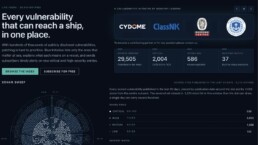
Industry leaders launch world’s first maritime-specific cyber vulnerabilities database
Cydome, ClassNK, Bureau Veritas, MTS-ISAC and Rakuten Maritime announce the “Blue Initiative”, an open collaboration to improve maritime cyber…

Businesses increasingly adopt AI for cybersecurity while individuals expand privacy protections
As cyber threats grow and digital technologies become more pervasive, businesses are increasingly using AI to strengthen…
EmissionLink calls for EU ETS revenues to fund maritime carbon capture trials and port infrastructure
Maritime emissions specialist, EmissionLink, has called for a dedicated proportion of EU Emissions Trading System (EU ETS) revenues to be invested…
Port of Antwerp-Bruges sees strong recovery in container throughput in volatile trading environment
In the first nine months of 2026, Port of Antwerp-Bruges handled 200.9 million tonnes of goods, 0.8% less than in the same period last year.…
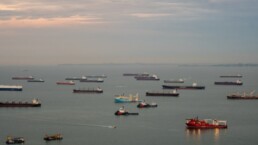
Sanctions risks reshape commodity trading
Traders face sanctions challenge “odyssey” as geopolitical risks reformat global markets Commodity traders are operating in an increasingly…
Titan analysis shows FuelEU pooling propelled liquefied biomethane demand
- Clean fuel supplier evaluates compliance for 8,000 TEU containership operating in Northern Europe - FuelEU Maritime balances competitiveness…
Russian diesel tanker heads to New York as Kremlin claims regular shipments
Malta-flagged tanker should carry 40,000 mt fuel Agioi Fanendes left Primorsk Oct. 22: CAS US lifts sanctions, enables Russian imports……
Pilot transfer operation: A safer step aboard
Safe pilot transfer operations depend on both correct procedures and fit-for-purpose equipment. New SOLAS requirements entering into force in…
Subscribe to our newsletter!
if you dont want to swim alone in the ocean of news, sign up for the newsletter, and you will receive daily all the important news of world shipping!
