Skuld case study dangers of coal cargo
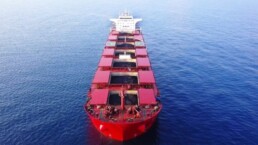

Recently, a bulk cargo vessel carrying coal from South Africa to Singapore suffered a fatal accident, resulting in the deaths of three crew members who were found in a full cargo hold.
This is the second incident of its kind, as a similar accident occurred on another vessel carrying coal cargo in 2019, resulting in the deaths of two crew members. In that case, the electrical engineer died while conducting a cargo hold water ingress alarm test, and one of the rescue crew members died because of entering the confined space without a self-contained breathing apparatus (SCBA).
These coal transport and confined space entry incidents highlight the inherent dangers of the process. To prevent such incidents and ensure the safety of the crew, it is important to understand the risks associated with coal cargoes and the hazardous gases that can be produced.
Danger of coal cargo
As a combustible material, coal poses significant risks during transport. Coal can emit flammable gases, such as methane and hydrogen, which increase the potential hazards. Coal cargoes may release toxic gases, including carbon monoxide (CO), sulfur dioxide (SO2), and nitrogen oxides (NOx), which are harmful to human health.
Flammable gases
Methane and hydrogen are commonly emitted by coal cargoes, increasing the risk of fire and explosion.
Toxic gases
- Carbon monoxide (CO)
It is important to note that carbon monoxide is highly toxic and can cause asphyxiation. Carbon monoxide is a colourless, odourless gas that can be produced during the oxidation of coal. It is highly toxic when inhaled and has an affinity for haemoglobin in the blood over 200 times greater than that of oxygen. Exposure to carbon monoxide can cause asphyxiation, breathing difficulties and other serious health problems. - Sulphur dioxide (SO2)
Coal combustion can release sulphur dioxide, a toxic gas that can cause respiratory problems and contribute to air pollution. - Nitrogen oxides (NOx)
Coal combustion can also produce nitrogen oxides, which are harmful gases that contribute to air pollution and can cause respiratory problems.
Oxygen depletion
Coal oxidation can lead to oxygen depletion in the hold, increasing the concentration of carbon dioxide or carbon monoxide. This can create an oxygen-deficient environment, which is dangerous for anyone entering the hold.
It is essential that appropriate precautions are taken during the handling and transport of coal cargoes to mitigate these risks. This includes properly monitoring gas levels, ensuring adequate ventilation, and following the safety guidelines set out in the International Maritime Solid Bulk Cargoes (IMSBC) Code.
Confined spaces
Cargo holds and confined spaces on ships carrying coal are prone to the accumulation of harmful gases. These spaces are often inadequately ventilated, which can result in the accumulation of toxic fumes, flammable gases, and reduced oxygen levels.
Special care should be taken when working in these spaces and areas. Risk assessment and confined space entry procedures should be followed.
Precautions
Understanding the risks posed by coal cargoes, the generation of noxious gases and the hazard of cargo holds and confined spaces is essential to ensure the safety of ship management and crew members. By implementing appropriate safety measures, carrying out regular inspections and providing adequate training and equipment, risks can be minimised, creating a safer environment for all involved in coal transportation.
Ship management and crew members must prioritise safety and take the following precautions:
- Do not enter cargo holds or other areas where gases may accumulate without proper ventilation and gas control.
- Carry out a risk assessment before and during coal transport.
- Ensure that all crew are properly trained on the hazards and risks of coal cargo shipments.
- Conduct regular confined space entry and rescue drills and emergency response training for crew.
- Management should ensure that appropriate SMS procedures for the carriage of coal are established and implemented on board the ship.



Related News.

Poland’s additional national requirements distort competition says Danish Shipping
Poland has introduced a national survey requirement for smaller foreign-flagged vessels operating in Polish waters. This creates significant…

Battery Vessels could help electrify most of Global Shipping Emissions
Battery-electric ships are economical only if the pack is cycled frequently, so they have been confined to short-sea, ferry and harbour vessels…

Mintra and Ledgid explore collaboration to connect Maritime digital identity, learning and workforce development
Mintra® and LEDGID are exploring opportunities to bring together complementary capabilities in digital learning, maritime training, professional…

World Shipping Council calls for global agreement on shipping emissions as industry investment surpasses $200 billion USD
The World Shipping Council (WSC) is calling on governments to agree on binding global greenhouse gas regulations for international shipping without…

What happened to the ITF whistleblower’s complaint?
In January 2026, a whistleblower complained that International Transport Workers’ Federation (ITF) General Secretary Stephen Cotton had manipulated…

Growing regulatory scrutiny puts seafarer wellbeing firmly on maritime safety agenda, VIKAND warns
Seafarer wellbeing is coming under greater regulatory scrutiny as international rules and guidance increasingly recognise crew health and welfare as…

Good Times Bad Times the Premium Stays with the Strait
In October, we wrote that if the transfer network off Oman kept pace, Gulf crude would carry China's refill and keep drawing tonnage east,…

Allied Weekly Market Review Week 47
Pls find below the Allied - Weekly Market Review - Week 47 ALLIED - Weekly Market Report- Week 47


Climate TRACE releases September 2026 Emissions Data
Climate TRACE reported that global greenhouse gas (GHG) emissions for the month of September 2026 totaled 4.7 billion tonnes CO₂e. This remains…
Subscribe to our newsletter!
if you dont want to swim alone in the ocean of news, sign up for the newsletter, and you will receive daily all the important news of world shipping!
