

The prolonged war between Ukraine and Russia has notably impacted the shipping industry with substantial disruptions in maritime trade routes, leading to an alteration in shipping patterns and fluctuations in shipping companies’ earnings
Black Sea and its strategic importance
The Black Sea is of considerable significance in international trade, serving as a crucial waterway for ships transporting goods between Europe and Asia. The Ukraine-Russia conflict has elevated the geopolitical importance of this region, causing intensified scrutiny and augmented military presence, thereby impacting the freedom of navigation and escalating operational risks for shipping companies.
Alteration in Trade Routes
The increased tensions have necessitated the rerouting of ships, leading to extended transit times and elevated operational costs. This change has placed additional financial burdens on shipping companies, impacting their profitability.
Impact on Commodity Markets and vessels employment
This geopolitical unrest has caused disruptions in the supply of essential commodities like grain and oil. Ukraine is a major producer-exporter of grain via Black Sea, and any impediment in its shipping corridors lead to significant supply-chain disruptions and price volatility in global commodity markets, affecting both producers and consumers. Last July Russia suspended – not for the first time – an agreed U.N brokered deal for Ukrainian grain exports as Russian commercial ships in the grain corridors have been hit by Ukrainian drones, as well as a minesweeping ship, jeopardizing thus even further Ukrainian grain exports. To understand the gravity of this it’s worth to mention that according to the European Commission, Ukraine accounts for 10% of the world’s wheat market, 15% of the corn market, and 13% of the barley market. With more than 50% of world trade, it is also the main player on the sunflower oil market. A major exporter like Ukraine dropping out can have serious implications for global food security. The three main grain importers of Ukrainian grain were in 2020: Egypt (US$ 5.2 billion), China (US$ 3,4 billion) and Turkey (US$ 2,4 billion). Other grain, corn, and barley importers – as per the most recent OEC figures available – were ‘till 2020: Corn top importers Mexico ($3.14 billion), Japan ($2.94 billion), South Korea ($1.92 billion), Vietnam ($1.85 billion), and Spain ($1.72 billion). Major buyers of corn from Ukraine included the Netherlands, Spain, and China. Leading barley-importing countries in 2020 included China ($1.77 billion), Saudi Arabia ($1.38 billion), the Netherlands ($512 million), Belgium ($369 million), and Germany ($307 million). China was the largest buyer of Ukrainian barley. Trade disruption in Ukrainian agriproducts exports cause Shipping companies earnings to be seriously affected.
Marine War Insurance and Operational Costs
The precariousness in the region has elevated the risk profile of shipping operations, resulting in increased war risk insurance premiums for vessels operating in or passing through the Black Sea. The elevated operational risks and insurance costs are substantial considerations for shipping companies when estimating a vessel’s hire or freight. The Insurers have received half a billion dollars in claims for up to 60 commercial ships which were stuck/blocked in Ukraine a year after the start of the war with Russia, industry sources said (Reuters information on 24th February 2022) and as per marine insurance policies, ship owners can claim a total loss for vessel(s) stuck for a year, from their insurers, subject they have maintained cover and policy in force by paying the insurance premium, which have soared due to the war. With the Black Sea already listed as a high risk zone by the London insurance market, additional war risk insurance premiums of tens of thousands of dollars a day are common costs now alongside bunkers and freight.

International Sanctions and Insurance
The imposition of international sanctions on Russia has further complicated the situation. Sanctions targeting sectors like energy, finance, and defense have led to constraints in trade with Russia, impacting the volume of goods transported, and subsequently, the revenues of shipping companies, marine insurance underwriters and brokers alike. The sanctions bureaucratic formalities have added an extra layer of complexity and economic burden, to the aforesaid parties. Admittedly, ensuring compliance with these sanctions is paramount to avoid legal repercussions, and insurers are meticulously scrutinizing the vessels, their ownership structures, and the nature of cargoes to avoid breaching sanctions, leading to rigorous underwriting processes and selective policy approvals. The increased risks and operational disruptions in the region have resulted in an escalation in insurance claims, impacting the loss ratios of marine underwriters who are revisiting their loss adjustment practices and claim management strategies to effectively address the surge in claims and maintain financial stability which is essential for maintaining good status and credibility.
Strategic Responses
Shipping companies are increasingly relying on strategic intelligence and risk management practices to navigate through the unstable geopolitical landscapes and safeguard their operations and revenues from the uncertainties brought about by the conflict, by being proactive, armoring their finances with tailor made, well thought and structured marine insurance policies. And let’s not forget that where is conflict there can be an opportunity, subject of good preparation and the reward of course is worth to take the risk.
Conclusion
The Ukraine-Russia conflict underscores the deeply intertwined nature of geopolitics and the marine insurance industry. As the situation evolves, marine insurers need to remain agile, continuously re-evaluating risk profiles, adjusting premiums, and taking risks, enabling sea trade in the area. Collaboration with shipowners, clear communication, and proactive risk management strategies will be crucial in navigating these uncertain waters. In parallel, politicians and diplomats must work hard in finding diplomatic solutions to stop the war otherwise, the world is facing the biggest food crisis in decades as the United Nations Organisation had warned.
Source: Marasco Marine Ltd by Anastasios Maraslis



Related News.

Beyond Technical Skills: WISTA Cyprus explores the human side of leadership
WISTA Cyprus hosted The Art of Leadership & Emotional Mastery, an interactive workshop held on 15 October at the Alasia Hotel in Limassol,…
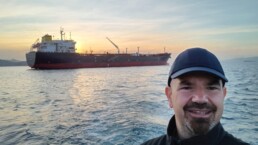
The human cost of sending merchant mariners into war zones extends far beyond the immediate danger of missiles and drones. It raises a harder question: who is really protecting the seafarer?
Who protects the seafarer? I have spent much of my professional life at sea. I am a Master Mariner. I have stood on the bridge, made decisions…
Loss of bridge control: Human failure is normal – context is key
When bridge control is lost in a functioning system, it can be easy to blame human error. But accidents rarely happen because of one mistake…
Danish Shipping announces the transport of live animals by sea new rules should improve safety for animals, seafarers and the environment
Revised rules on the transport of live animals by sea are being negotiated in the EU. Danish Shipping wants to ensure good animal welfare,…
Japan’s flawed shipping proposal leaves developing countries adrift
A new analysis by Opportunity Green warns governments of the wide-ranging risks posed by Japan’s proposal at the International Maritime Organization…

Intermodal Report Week 42 2026
Pls find below the Intermodal Report - Week 42 2026 Intermodal Report Week 42 2026

Allied Weekly Market Review Week 42
Pls find below the Allied - Weekly Market Review - Week 42 ALLIED - Weekly Market Report- Week 42
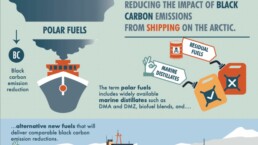
EU Arctic Strategy NGOs welcome EU ambition on on cutting shipping’s Arctic Black Carbon Emissions
Responding to today’s publication of the EU’s Arctic Strategy, which definitively states the EU’s intention to support International Maritime…

The final quarter of 2026 is expected to see softer bauxite flows
Chinese front-loading is expected to have run its course, pointing to softer bauxite flows in 2026 Q4. Global bauxite flows increased by 2.8% y/y…

DP World Foundation and Belewan new container terminal mark groundbreaking of AED 3.7 million school project in Indonesia
Classrooms of Hope initiative expands to Belawan, Medan with a new junior high school designed to provide modern learning facilities and greater…
Subscribe to our newsletter!
if you dont want to swim alone in the ocean of news, sign up for the newsletter, and you will receive daily all the important news of world shipping!
