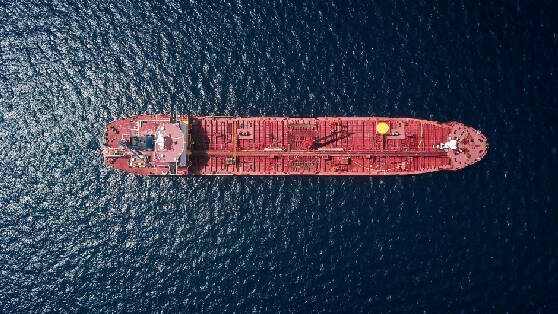

A robust NGO sector is key to shaping the energy transition in the maritime sector, bringing in the voices of civil society, academia and other stakeholders outside government and the private sector. There are many good examples of progressive NGOs looking to engage positively with the maritime industry on the basis of sound science. Organisations that have as their stated negative goal “to urge policymakers, industry stakeholders, and financial institutions to urgently rule LNG out of any shipping decarbonization scenario”, while offering no viable alternatives have no place in a responsible dialogue.
Say No to LNG (SNtL) bases its campaign on a false contention, suggesting the industry is hiding the issue of methane emissions. SNtL states “What they don’t tell you is that LNG replaces CO2 emissions with methane emissions….” when the opposite is true. The industry has been open about methane emissions, recognising it is an issue which needs to be addressed with urgency and has undertaken publicly available, peer-reviewed GHG emissions analysis on primary data from all major marine engine manufacturers. Levels of methane slip have been reduced by a factor of four since LNG-fuelled engines were introduced in the early 2000s and today, the LNG-fuelled vessel order book is dominated by engine technologies with low, or negligible levels of methane slip. The industry is engaged in projects to measure operational methane emissions from a variety of vessel and engine types. In September 2022, it launched an initiative, the Methane Abatement in Maritime Innovation Initiative (MAMII), to monitor, measure and abate methane emissions in the maritime supply chain.
SNtL brings no new evidence to the table, simply rehashing existing flawed analysis, based on old technologies and unrealistic assumptions, cherry-picking data and stating facts out of context. For our responses to the reports cited by SNtL please see the following links UCL, ICCT and the World Bank.
To align with the Paris Agreement’s legally binding treaty to keep global warming below 1.5 degrees C, shipping needs a basket of fuels as well as operational and technical efficiency measures. These fuels must be evaluated on a like-for-like scientific basis so that the industry can make properly informed decisions. LNG, is a step in the right direction as it provides immediate reductions in GHG emissions, including methane, of up to 23% on a full, lifecycle (or Well-to-Wake) basis and it offers a low-cost, low-risk incremental pathway to decarbonisation via bio-LNG and renewable synthetic LNG (e-LNG). In addition it virtually eliminates harmful local emissions, such as SOX and NOX.
Narratives promoted by organisations like SNtL risk delaying the investments needed to decarbonise the shipping industry. Rather than disparaging the considerable efforts that first-movers have made in initiating the first transformation in maritime propulsion since the move from coal to oil, perhaps they could reflect on how they could constructively work with the industry to address the numerous common challenges the introduction of these new fuels face.



Related News.
Cyprus Maritime Innovation takes Centre Stage at SMM Hamburg 2026
Underscoring its expanding role as a premier international hub for cutting-edge maritime technology and sustainable shipping, the Republic of Cyprus…

Trump seeks to refill US oil reserve with Venezuela deal but faces long delay
U.S. President Donald Trump said on the 30th (local time) that he would refill the U.S. Strategic Petroleum Reserve, which has been depleted with…
US Navy Official visits South Korean Shipyards in private
With U.S. President Donald Trump pushing a plan to allow overseas construction of U.S. warships, attention is focusing on whether the building of…
SES and De Boer Marine expand collaboration with FlexMaritime deployment across Global Markets
SES, a leading space solutions company, and De Boer Marine, a leading provider of top-quality marine equipment and maritime connectivity services,…
New ESG guidance to help maritime industry turn sustainability into commercial advantage
New framework helps shipowners and ports align ESG strategy with access to capital, charterer expectations and long-term asset value. Maritime…

Britannia P&I Club analysis finds four in five crew deaths linked to illness rather than accidents
New report highlights cardiovascular disease as leading cause of fatalities and raises concerns over mental health risks among younger seafarers.…
The Swedish Club launches new Loss Prevention podcast, Knot Another Lesson
The Swedish Club has launched Knot Another Lesson, a new podcast exploring the practical lessons, emerging risks and operational challenges shaping…

Lloyd’s Register appoints Jens Grunenberg as Senior Representative for Germany
Lloyd’s Register has appointed Jens Grunenberg as its Senior Representative for Germany, effective 1 September. Based in Hamburg, Grunenberg will…
Indian Register of Shipping sets sights on Hamburg for European Expansion
Indian Register of Shipping, a leading international classification society and full member of the International Association of Classification…
MOL completes Merger of 6 Ship Management Companies
Unifying Management of Over 200 Vessels and Strengthening Safety Mitsui O.S.K. Lines, announced that it has completed the integration of the MOL…
Subscribe to our newsletter!
if you dont want to swim alone in the ocean of news, sign up for the newsletter, and you will receive daily all the important news of world shipping!
