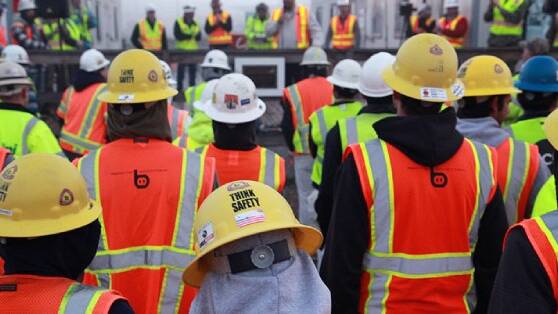

Responses to the COVID-19 pandemic have shown the importance of an effective collaboration between social partners in preventing occupational accidents and diseases, says a new report from the ILO on World Day for Safety and Health at Work.
The COVID-19 pandemic has shown that effective collaboration between employers, workers and governments is the best way to implement Occupational Safety and Health measures that can save lives in this and the next crisis, says a new report by the International Labour Organization .
Learning from what was achieved in addressing the complex situation of the pandemic might help prevent millions of deaths due to occupational accidents and diseases, says the ILO report, which shows how social dialogue has contributed to the fast and effective implementation of measures during the COVID-19 crisis.
During the pandemic, governments who prioritized the active participation of employers’ and workers’ organizations in OSH governance were able to develop and implement emergency laws, policies and interventions, says Enhancing social dialogue towards a culture of safety and health .
The collaboration between and among actors in the world of work has been essential in ensuring that the measures put in place were acceptable to and supported by employers and workers – and were therefore more likely to be effectively implemented in practice.
In many countries, it has resulted in the adoption of legal requirements covering different areas – from measures to prevent and deal with cases of COVID-19 in the workplace to telework arrangementsIn Austria, for example, the social partners negotiated an agreement on systematic testing in the workplace for particular sectors that faced an increased risk of viral transmission, such as the retail sector. In Singapore, changes to rules on vaccination took place after consultations and discussions with the tripartite partners. In South Africa, tripartite discussions were held to amend measures targeting the spread of COVID-19 in workplaces.
Tripartite dialogue – between governments, employers and workers – at the national level has sometimes been followed up by further consultation at the regional or sectoral level, so that they might be adapted to the specific context.
In Finland for example, trade unions and employers’ organizations worked closely with the government to develop measures for the tourism and restaurant sectors. In Italy, social partners in the banking sector created detailed rules on telework, which outlined the right to privacy and the right to disconnect.
National tripartite OSH bodies have also played an important role in the fight against the pandemic. They are usually composed of government representatives (Ministry of Labour and other relevant ministries and institutions), as well as representative employers’ and workers’ organizations. In many countries, the tripartite bodies also involve – on a permanent, or ad hoc basis – representatives of additional institutions, for example OSH associations and academic institutions.
During the COVID-19 crisis, many of these tripartite OSH bodies in countries have taken part in the decision-making process at the national level; they have also been involved in defining lockdown and restriction measures, return to work strategies, and other instructions or guidance to mitigate the impact of COVID-19.
In Guatemala, the National Commission for Occupational Health and Safety took the initiative to meet virtually during the first months of 2020 to propose OSH mechanisms and reduce the consequences of COVID-19 in workplaces. In the Philippines, the national tripartite structures dealing with OSH (the Tripartite Executive Committee and the National Tripartite Industry Council) were involved in the design and implementation of guidelines to ensure the quality of ventilation in workplaces and public transport in the prevention and control of the spread of COVID-19.
“As the world continues to grapple with the impact of the COVID-19 crisis and the uneven recovery, occupational safety and health remains at the forefront of countries’ responses. The lessons learned from this crisis about the importance of social dialogue in strengthening safety and health at the national and workplace level need to be applied to other contexts. This would help reduce the unacceptable level of occupational deaths and disease that occur every year,” said ILO Director-General, Guy Ryder.



Related News.
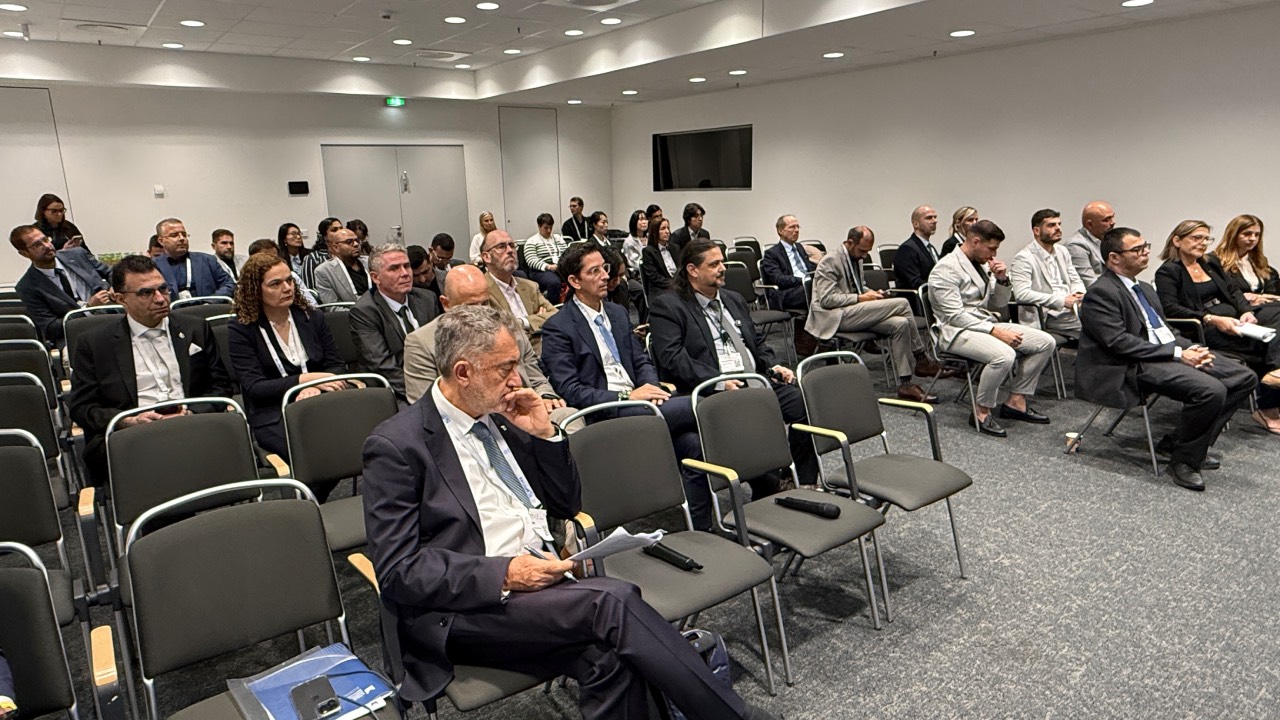
Cyprus Maritime Innovation takes Centre Stage at SMM Hamburg 2026
Underscoring its expanding role as a premier international hub for cutting-edge maritime technology and sustainable shipping, the Republic of Cyprus…
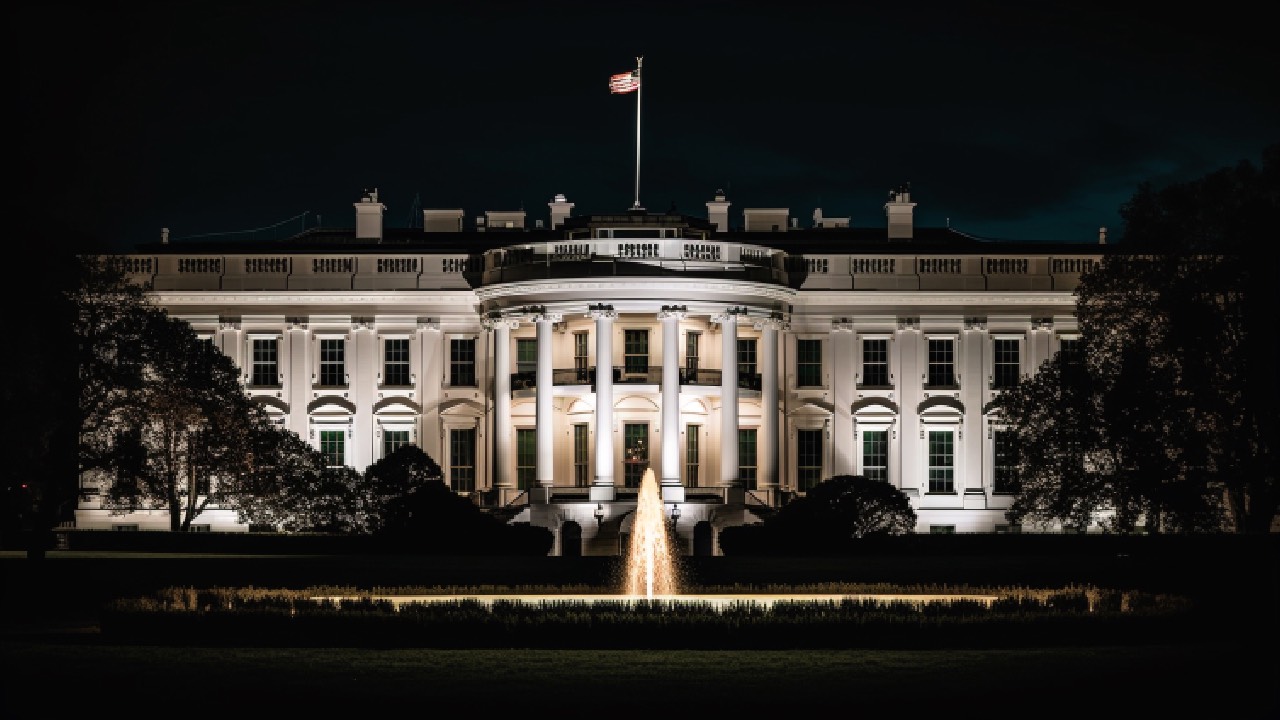
Trump seeks to refill US oil reserve with Venezuela deal but faces long delay
U.S. President Donald Trump said on the 30th (local time) that he would refill the U.S. Strategic Petroleum Reserve, which has been depleted with…
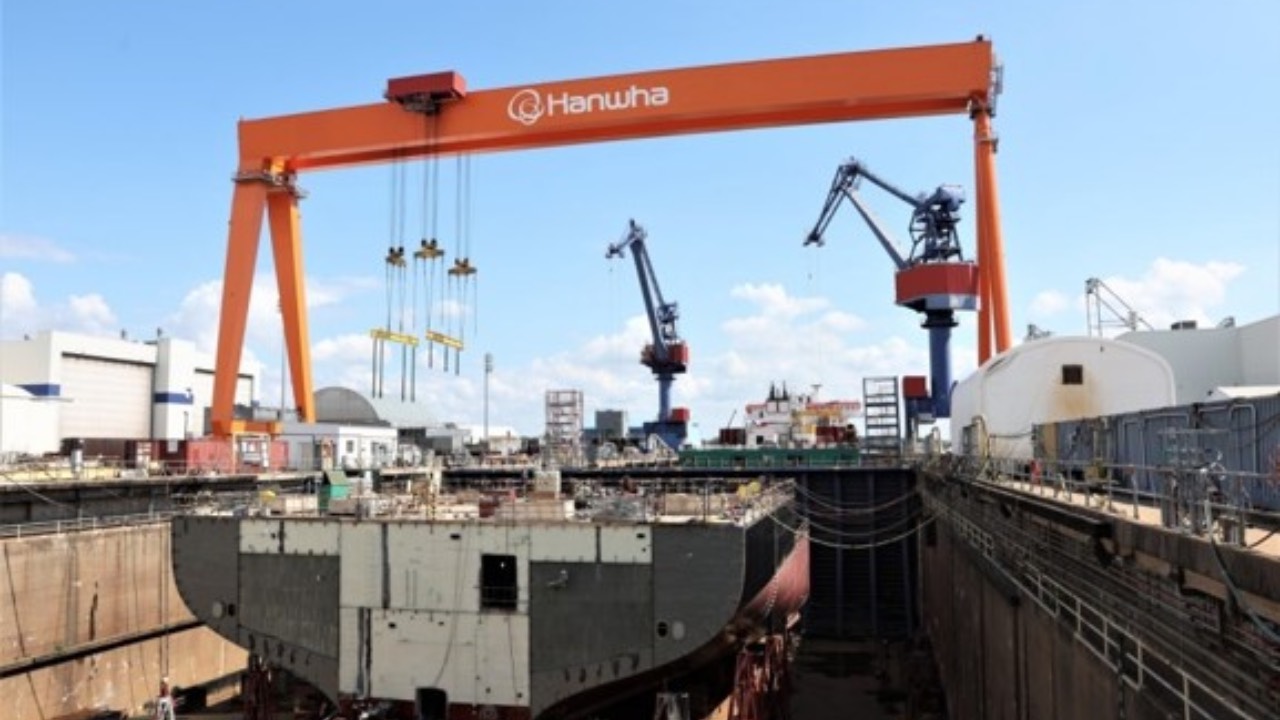
US Navy Official visits South Korean Shipyards in private
With U.S. President Donald Trump pushing a plan to allow overseas construction of U.S. warships, attention is focusing on whether the building of…
SES and De Boer Marine expand collaboration with FlexMaritime deployment across Global Markets
SES, a leading space solutions company, and De Boer Marine, a leading provider of top-quality marine equipment and maritime connectivity services,…

New ESG guidance to help maritime industry turn sustainability into commercial advantage
New framework helps shipowners and ports align ESG strategy with access to capital, charterer expectations and long-term asset value. Maritime…
Britannia P&I Club analysis finds four in five crew deaths linked to illness rather than accidents
New report highlights cardiovascular disease as leading cause of fatalities and raises concerns over mental health risks among younger seafarers.…
The Swedish Club launches new Loss Prevention podcast, Knot Another Lesson
The Swedish Club has launched Knot Another Lesson, a new podcast exploring the practical lessons, emerging risks and operational challenges shaping…
Lloyd’s Register appoints Jens Grunenberg as Senior Representative for Germany
Lloyd’s Register has appointed Jens Grunenberg as its Senior Representative for Germany, effective 1 September. Based in Hamburg, Grunenberg will…
Indian Register of Shipping sets sights on Hamburg for European Expansion
Indian Register of Shipping, a leading international classification society and full member of the International Association of Classification…
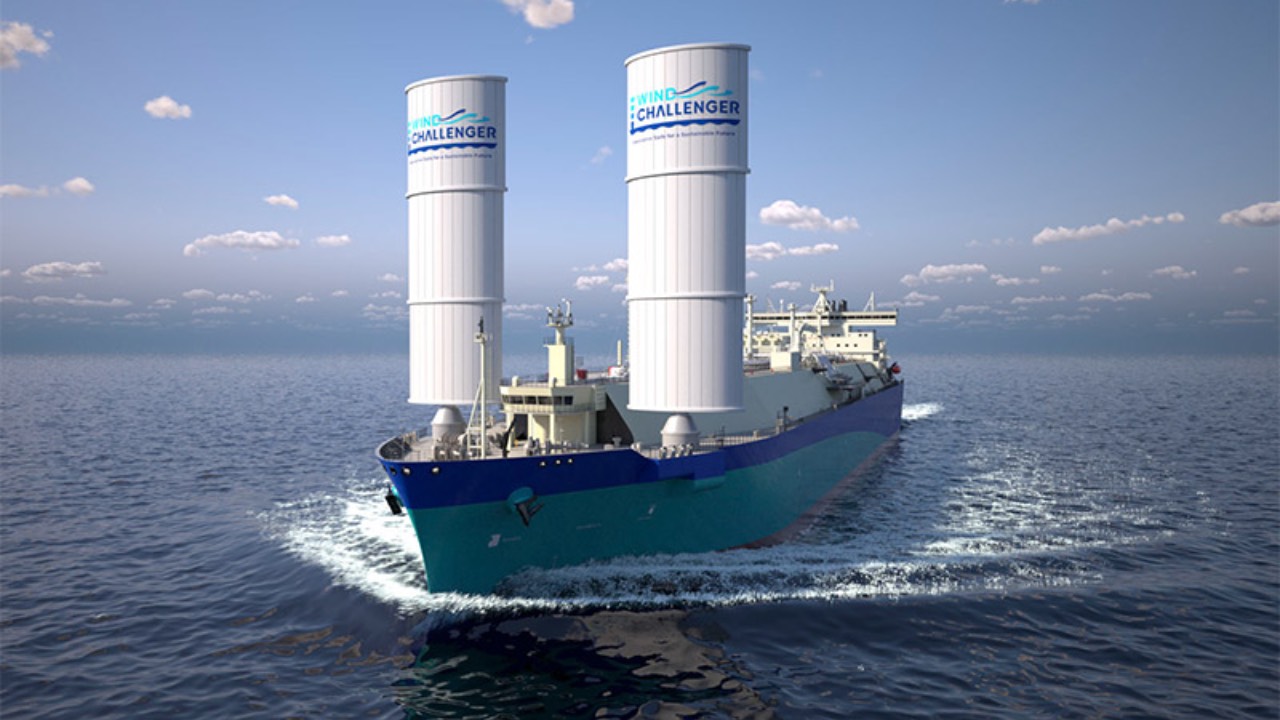
MOL completes Merger of 6 Ship Management Companies
Unifying Management of Over 200 Vessels and Strengthening Safety Mitsui O.S.K. Lines, announced that it has completed the integration of the MOL…
Subscribe to our newsletter!
if you dont want to swim alone in the ocean of news, sign up for the newsletter, and you will receive daily all the important news of world shipping!
