The complex world of tanker transportation
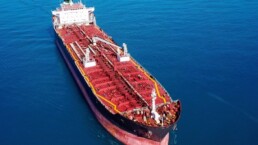

What are tanker vessels?
Tanker vessels are ships designed to transport liquids and gases in bulk. Cargo on these vessels can include crude oil; refined products, such as LNG, LPG, jet fuel, diesel, and asphalt; chemicals; vegetable oil; fresh water; wine and more. While they vary in size, tankers are often very large and have large drafts.
Tight Regulations
The goods that these vessels carry are often essential to the global energy supply and material supply chains, while also being highly hazardous. Personnel responsible for handling cargo must be trained and certified to operate, load, and unload these vessels. There are several regulations in place that determine the routes these vessels can take and the minimum distance they must maintain from land, especially while laden with combustible cargo.
Over the years, as the demand for tanker transport and the average size of these vessels has grown, the International Maritime Organisation (IMO) has taken steps to regulate how tankers are built and operated, requiring them to be fitted with specialised equipment to minimize pollution and the risk of disastrous accidents. Some of these regulations mandate how vessels must be built and what equipment must be on board.
These include:
- extensive fire safety equipment kept aboard,
- inert gas systems to suppress combustion,
- slop tanks to store oil residues until they can be safely discharged,
- crude oil washing equipment to clean cargo tanks,
- backup steering and navigational systems in case of failure of main systems,
- mandatory towing arrangements in case of systems failure,
- segregated ballast tanks for greater ship stability and reduced risk of pollution, and
- double hulls to increase cargo security and reduce risk of spills in the event of collisions or incidents.
The Challenges
There are multiple variables that determine the safety, timeliness, and efficiency of port stops for tankers, as these vessels face several restrictions and extensive vetting. Comprehensive port data informs seafarers of all regulations and restrictions in place, allowing them to plan safe, efficient compliant passages, from berth to berth.
Unique Regulations and Restrictions
Tankers are often restricted to daylight navigation and movement, making scheduling an important consideration in the passage planning process. These vessels are also commonly prohibited from anchoring in or even navigating certain areas of ports. To eliminate the risk of collisions, some facilities suspend other vessel traffic in a channel while tankers are in the vicinity. Furthermore, some ports may require the onboard presence of two pilots to ensure a safe approach. Others may require police presence or the use of tugboats. In cases where there are multiple contingencies, timing and organisation plays a crucial role in planning an efficient port stop.
Difficulty Manoeuvering
Tanker vessels are some of the most state of the art machinery in the world. Due their large size and draft, they are also extremely cumbersome to manoeuvre, especially in shallow and congested waters. To avoid navigational complications, mariners must know the unique thresholds for maximum vessel draft, dead weight tonnage and length overall throughout the port and at specific berths to prepare for mooring and cargo operations.
Documentation
Tanker crews are required to present and submit unique documents to port personnel at various stages of their stop. They may also have to present documents to authorities on occasion. These include specific record books, certificates, manuals, data sheets and procedural documents. Comprehensive port data would include details of all requirements and can serve as a checklist for the master and other ship leaders before and during a voyage. Operators could use the same checklist to evaluate their vessel systems, ensuring they are in good condition, set up properly and ready for use.
Loading and Unloading Cargo
There are several procedures that must be established and followed so that tankers can be loaded and unloaded safely. Depending on the port and the equipment involved, these steps can vary, but safety remains the utmost priority. A ship-shore checklist must be filled out on arrival at port to ensure all parties, both onboard and at the terminal, understand their responsibilities. Leaders from both sides must also agree on a maximum cargo rate that will not damage pipelines or pumps. The facility’s pumping rates and maximum pressure at the manifold are important details to ascertain in advance as these will certainly affect schedules.

Tankers are often equipped with several manifolds, through which cargo is exchanged.
Weather
Weather is another important factor to consider. Offshore moorings leave vessels exposed to the elements, so port data concerning weather forecasts, nearest shelter and tug availability is important. Tanker operators are particularly weary of electrical storms, which can cause fire and explosions when flammable liquid cargo is exposed. Strong winds and waves also make it difficult for vessels to stay securely moored, potentially increasing the risk of damaged equipment or leakages during cargo exchange.
Many ports are also increasingly using dynamic, live data to ensure ships are compliant with minimum Under Keel Clearances. This can also be affected by weather if tide levels are below predictions, potentially reducing the navigable time slot when vessels can enter ports.
Other Considerations
Here are just a few other considerations tanker operators must contemplate when planning port calls:
- Handling facilities for specialised products (pressure/temperature limits etc.)
- Manifold sizes and pumping rates of loading and unloading equipment,
- Safety guidelines including towage, mooring and emergency procedures,
- Pilot boarding arrangements,
- Lightering and the location of lightering anchorages

The Bottom Line
It is impossible to control all the variables that lead to a safe, timely and efficient port stop, but preparedness and organisation are the best guarantees. With high quality port data, bridge and shoreside personnel can better plan for safe, timely, organized port calls.
Here are a few of the key features of OneOcean’s Findaport products, available through an online portal, as a CD or as hardcover publications.
- Data on over 2,144 ports and over 10,000 terminals around the world.
- Access to over 70 categories of detailed port information.
- Over 3,070 port plans.
- Over 1,000 port photographs.
- Over 677 Reports of Actual Conditions Experienced (ACE Reports) provided by fellow seafarers.
- Search functionality that uses a map interface and allows users to specify requirements on over 26 criteria, including:
- Specific search terms
- Port name
- Locode
- Country
- Region
- Coordinates
- Port facilities
- Cargo types handled
- Dry dock sizes
- Unique port symbols identify types of cargo handled and dry dock capacity.
- Port information that can be printed and saved to a PC.
- Contact information for service providers.
- Download-able updates (internet connection required).



Related News.

Greece has the most to lose from delays in shipping’s green transition, new analysis finds
UCL and WWF Greece report finds the IMO Net-Zero Framework offers Greek ship owners the clarity they need, and the best protection against a…

Snow Land joins Cool Carriers as the world’s first reefer with a gate rudder, a new chapter for sustainable and efficient reefer shipping
Cool Carriers, the world’s largest operator of specialised reefer vessels, took delivery of Snow Land from Kitanihon Shipbuilding in Japan on 12…

IBIA launches Marine Energy Outlook Survey as Annual Convention in New York
IBIA - The International Bunker Industry Association officially launched its Marine Energy Outlook Survey during the IBIA Annual Convention in New…

Why did ITF staff vote to strike again?
Staff at the International Transport Workers’ Federation (ITF) headquarters in London have voted to give their union a strike mandate. According to…

Nearly half of maritime crew tickets booked a week ahead are cancelled
Two new C Teleport reports show when maritime and aircrew teams book crew flights, how often they cancel, and what late booking costs, with a…

Kpler completes $1.5bn+ Sixth Street investment and continues accelerating growth
Investment backs Kpler's bold ambition to shape the future of global trade intelligence. Kpler, a leading provider of global physical trade…

How SAL and DNV are strengthening heavy-lift shipping
From classification and newbuilding support to operational tools and advisory expertise, SAL and DNV have been collaborating for decades. The…

PSA Singapore breaks ground on Tuas Port Phase Two to strengthen Global Trade Connectivity
PSA Singapore marked the groundbreaking of Tuas Port Phase Two, a significant step in the development of the world’s largest fully automated…

 …

BIFA welcomes UK–EU trade progress and calls for clarity on implementation
The British International Freight Association (BIFA) has welcomed progress made at today's UK–EU Summit in Brussels, highlighting the potential…
Subscribe to our newsletter!
if you dont want to swim alone in the ocean of news, sign up for the newsletter, and you will receive daily all the important news of world shipping!
