SpaceX’s Falcon 9 rocket launched 60 Starlink satellites to orbit from Space Launch Complex 40 (SLC-40) at Cape Canaveral
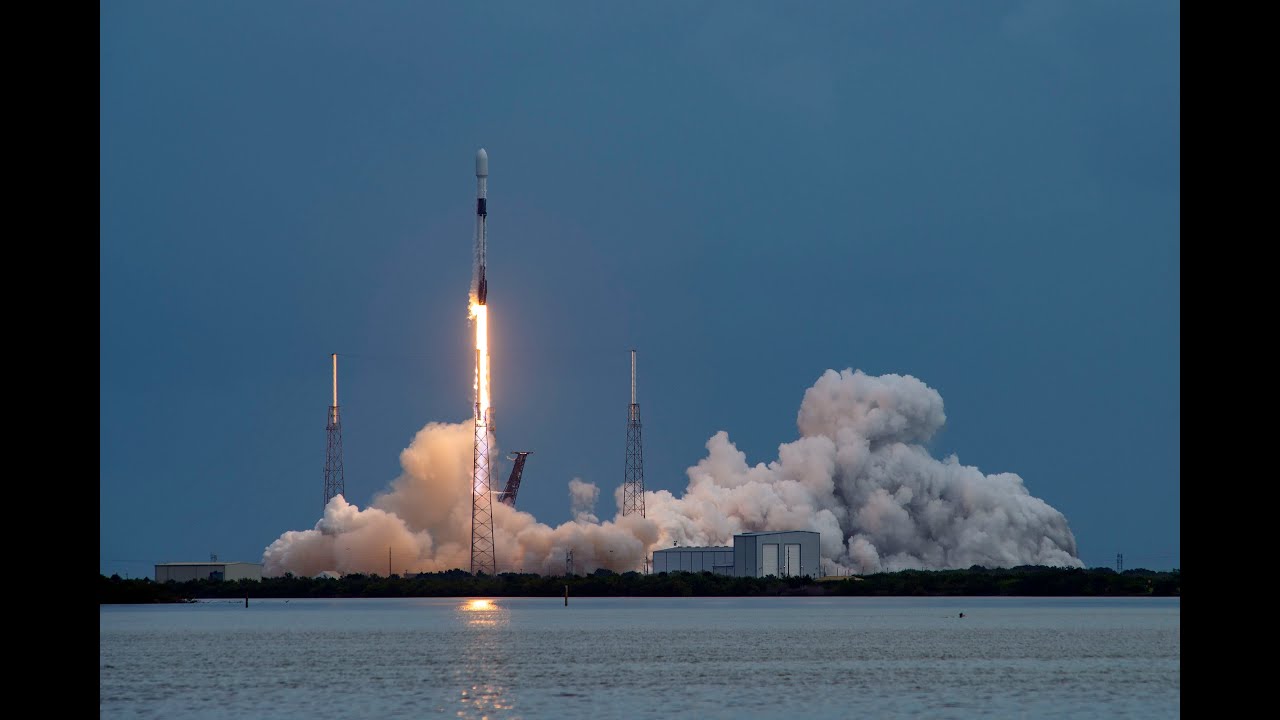

On Saturday, October 24 at 11:31 a.m. EDT, 11:31 UTC, SpaceX’s Falcon 9 rocket launched 60 Starlink satellites to orbit from Space Launch Complex 40 (SLC-40) at Cape Canaveral Air Force Station in Florida.
Falcon 9’s first stage previously supported the GPS III Space Vehicle 03 mission in June 2020 and a Starlink mission in September 2020. Following stage separation, SpaceX landed Falcon 9’s first stage on the “Just Read the Instructions” droneship, which was stationed in the Atlantic Ocean. The Starlink satellites deployed approximately 1 hour and 3 minutes after liftoff.
If you would like to receive updates on Starlink news and service availability in your area, please visit starlink.com.
This mission also marked the 100th successful flight of a Falcon rocket since Falcon 1 first flew to orbit in 2008.
SpaceX believes that fully and rapidly reusable rockets are the pivotal breakthrough needed to dramatically reduce the cost of access to space to enable people to travel to and live on other planets. While most rockets are expendable after launch — akin to throwing away an airplane after a one-way trip from Los Angeles to New York — SpaceX is working toward a future in which reusable rockets are the norm.
Of its now 100 successful flights of Falcon rockets, SpaceX has landed a Falcon first stage rocket booster 63 times and re-flown boosters 45 times. This year, SpaceX twice accomplished the sixth flight of an orbital rocket booster. And, in the ten years since its demonstration mission, Falcon 9 has become the most-flown operational rocket in the United States, overtaking expendable rockets that have been launching for decades.
The difficulty of precision landing an orbital rocket after it reenters Earth’s atmosphere at hypersonic velocity is not to be overlooked — SpaceX remains the only launch provider in the world capable of accomplishing this task. At 14 stories tall and traveling upwards of 1300 m/s (nearly 1 mi/s), stabilizing Falcon 9’s first stage booster for landing is like trying to balance a rubber broomstick on your hand in the middle of a hurricane. While recovery and re-flight of an orbital rocket booster may now seem routine, developing Falcon such that it would withstand reentry and return for landing was generally accepted as impossible — and SpaceX learned many lessons on the road to reusability.
SpaceX’s accomplishments with flight-proven rockets and spacecraft have allowed us to further advance the fleet’s reliability and reusability, as well as inform the development of Starship — SpaceX’s next-generation fully and rapidly reusable super heavy lift transportation system. Starship’s capability of full and rapid reuse will lower the cost of spaceflight to help humanity return to the Moon, travel to Mars, and ultimately become multi-planetary.



Related News.

Global Flag State Ranking 2026 who is up, who is down
Lorrendraaier publishes Global Flag State Ranking 2026: 148 flags measured on objective data, Singapore leads, Pakistan falls 35 places, the Dutch…

Will Germany have enough gas this winter?
As of mid-September 2026, Germany had stored just about 141 terawatt-hours of gas, accounting for around 57% of the country’s total storage…

Record diesel prices put US policy options in focus
Record-high diesel prices and tight inventories have put US exports under scrutiny, but keeping more barrels at home may offer only temporary…
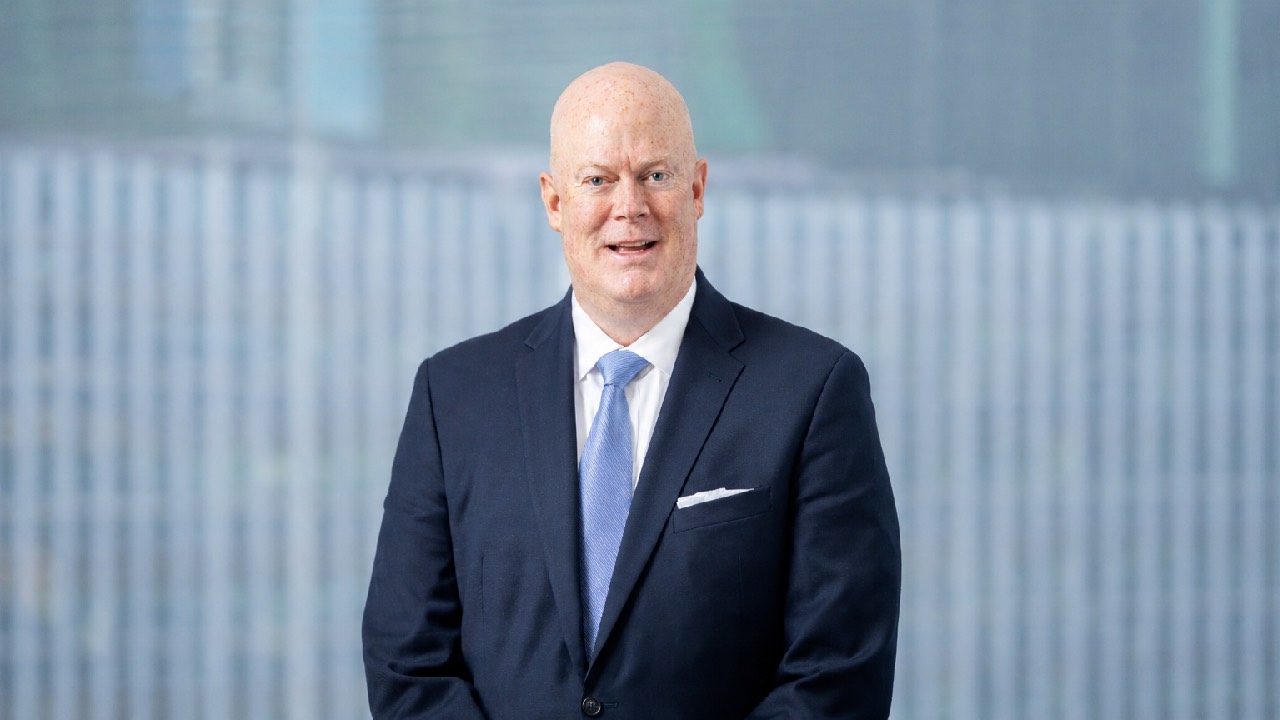
IUMI elects Sean M. Dalton as President and says farewell to Frédéric Denèfle
The International Union of Marine Insurance (IUMI) has elected Sean M. Dalton as its new President. The election took place today at a meeting of the…
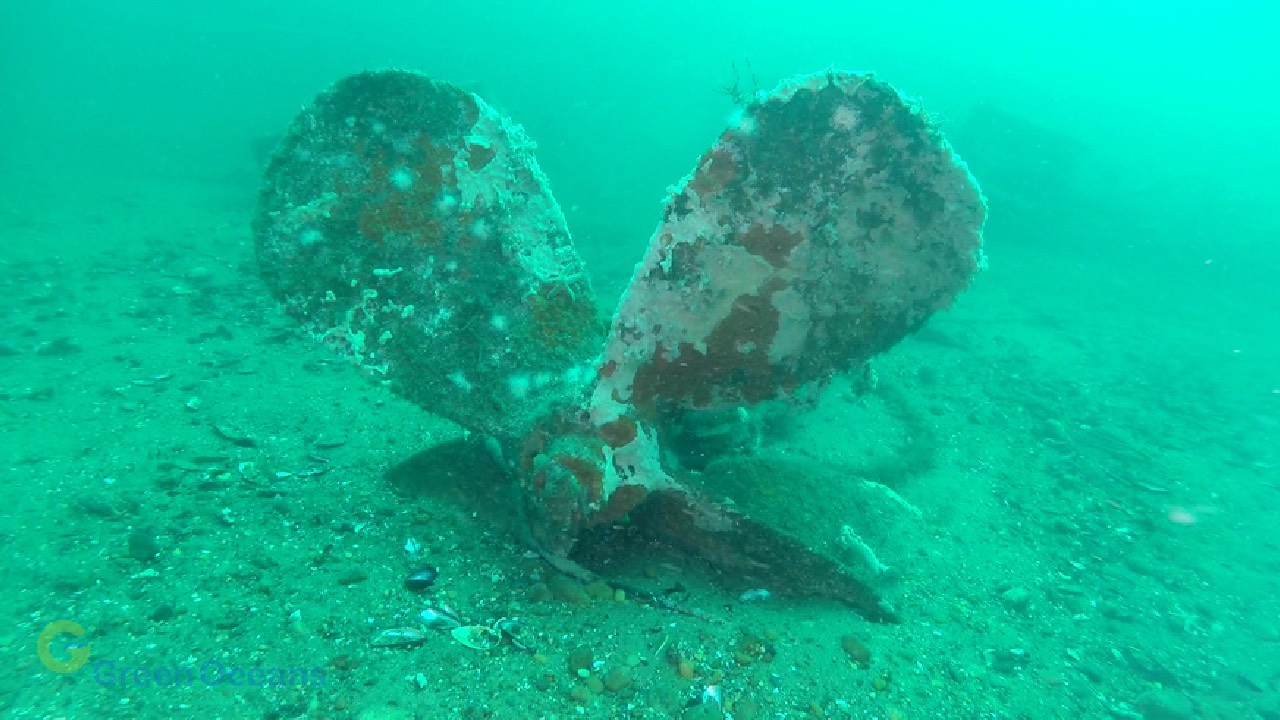
F/V MISTRESS Shipwreck ‘Lost’ Near Block Island Located After Seven Years
Green Oceans’ Underwater Investigation Reveals a Shipwreck Presumed to be the F/V Mistress found at the Base of Block Island Turbine #1 - Asks…

OCEAN at 50 celebrating a proud past and Maritime Future
OCEAN, the European sub-committee of ISSA, celebrated half a century of service to Europe’s ship supply sector with a landmark anniversary conference…

DORIC MONTHLY BRAZIL BAROMETER SEPTEMBER 2026
Pls find below the DORIC MONTHLY - BRAZIL BAROMETER SEPTEMBER 2026 BRAZIL_BAROMETER_SEPTEMBER_2026

Steel flows face fresh challenges in the final quarter of 2026
Steel flows slip into negative growth in July 2026 Global steel flows fall 1% y/y in July 2026 to reach 22.2 Mt. China’s share of global steel…

Insurance must shift “from repair to prevention”, says IUMI
Marine insurers will need to place greater emphasis on loss prevention as risks become more complex and costly to insure, according to Pascal Dubois,…

BIMCO’s Container Shipping Market Overview & Outlook September 2026 is out
Container Shipping Market Overview & Outlook Supply pressure is mounting "Disruptions and strong growth in head-haul trades continue to support…
Subscribe to our newsletter!
if you dont want to swim alone in the ocean of news, sign up for the newsletter, and you will receive daily all the important news of world shipping!
